Top Living Room Design Ideas to Transform Your Space with Style

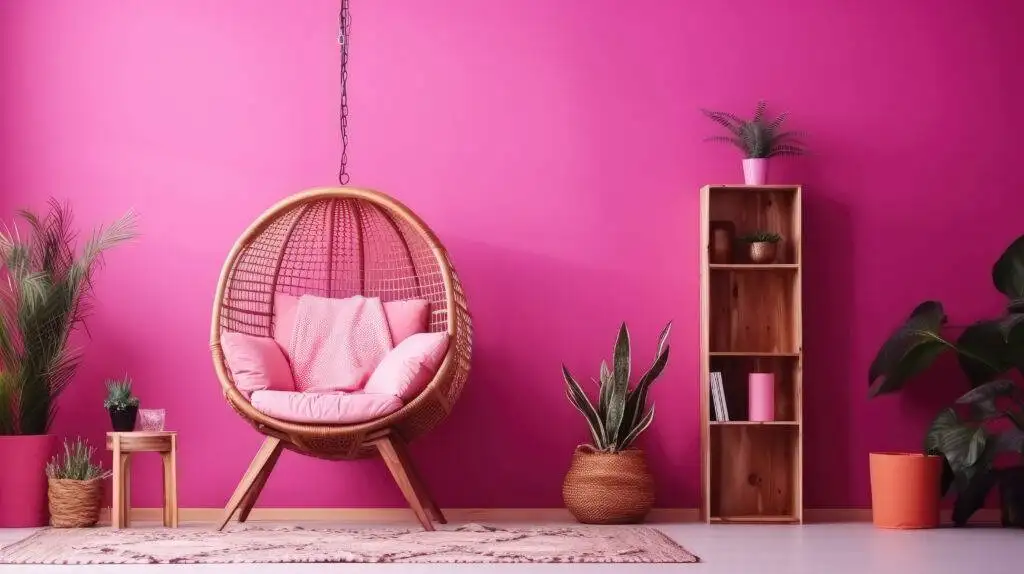
The arrangement of furniture in a living room significantly influences the atmosphere and usability of the space. An effective layout encourages seamless movement, fosters comfort, and presents an aesthetically pleasing room that feels well-balanced. Successful redesigns emphasize optimal flow, appropriate scale, and practical usage.
Explore these proven living room layout strategies that enhance real-life functionality and style.
1. Focus Seating Around a Distinct Centerpiece
The centerpiece serves as the visual anchor, giving the room a sense of purpose and cohesion.
Consider:
- A stylish fireplace
- A prominent media console
- A captivating large-scale painting or sculpture
For high-quality [fireplaces](https://www.amazon.com/s?k=fireplaces&tag=bonofashion-20), contemporary media units, or striking art pieces, sourcing thoughtfully elevates the living space’s character.
2. Ensure Easy Movement Paths
Maintaining clear circulation routes enhances not only spatial perception but also relaxation.
Design for:
- Unhindered entryways
- Convenient transitions between seating options
Open pathways prevent congestion and foster an inviting environment by allowing guests and residents to move without disruption.
3. Float Furniture Away From Walls
Pulling pieces inward creates a more intimate and balanced setting.
Try:
- Positioning sofas several inches away from walls
- Arranging chairs to face into the room rather than straight ahead
This method breaks the “stuck to the wall” look and promotes conversation and comfort.
4. Arrange Seating for Social Interaction
A layout encouraging dialogue feels intentional and welcoming.
Organize:
- Seats aligned to face each other
- Chairs positioned within a comfortable verbal distance
Strategic grouping invites engagement and community within your living room.
5. Define Seating Areas With Area Rugs
A rug serves as a visual boundary that organizes the space and adds warmth.
Choose:
- A generously sized area rug
- Placement allowing the front legs of couches and chairs to rest on the rug
Explore a variety of [area rugs](https://www.amazon.com/s?k=area+rug&tag=bonofashion-20) to find patterns and textures that complement your décor.
6. Select Coffee Tables in Scale With Seating
The coffee table should harmonize with the sofa’s size for ease and accessibility.
Opt for:
- A table approximately two-thirds the length of your sofa
- Sufficient clearance space around for comfortable movement
This balance avoids overcrowding while providing usability for resting drinks or decorative items.
7. Distribute Visual Weight Evenly Throughout the Space
Balanced visual mass prevents the room from feeling uneven or crowded.
Achieve balance by:
- Pairing a large sofa with one or more smaller chairs or storage elements
- Contrasting heavy furniture with lighter décor items
This creates equilibrium that soothes the eye and enhances aesthetic cohesion.
8. Maximize Natural Light by Avoiding Obstructions
Unblocked windows invite daylight and contribute to a bright, airy atmosphere.
Ensure:
- Tall furnishings are positioned away from windowpanes
- Sightlines remain open and unobstructed
Maximizing natural light also supports wellbeing and makes your room feel more spacious.
9. Incorporate Accent Chairs to Elevate Seating Arrangements
Adding one or two distinctive chairs can complete seating clusters and enhance style.
Include:
- Accent chairs that face the main sofa
- Unique designs to inject personality
Browse [accent chairs](https://www.amazon.com/s?k=accent+chair&tag=bonofashion-20) to discover pieces that combine flair and comfort.
10. Delineate Zones Within Open-Concept Interiors
Clearly defined areas ensure open layouts feel organized rather than chaotic.
Establish:
- A dedicated living space
- Separate zones for dining or reading
This separation draws purpose to each section while maintaining an open, collaborative atmosphere.
11. Optimize Media Arrangement for Comfortable Viewing
Proper positioning of screens enhances both functionality and aesthetics.
Place:
- The TV at eye level relative to primary seating
- Media consoles symmetrically centered on walls for balance
Such placement reduces strain and supports relaxation during entertainment.
12. Position Side Tables Within Reach
Conveniently placed side tables boost the layout’s functionality.
Ensure:
- Each seat has access to a nearby table
- Tables are easily reachable without awkward stretching
Side tables provide vital surfaces for lamps, drinks, and personal items.
13. Match Furniture Scale to the Room’s Dimensions
Select furniture pieces that complement the room size to maintain flow and avoid overcrowding.
Recommendations:
- Sleek and narrow sofas in compact spaces
- Appropriately sized chairs that don’t overwhelm
Proper scaling preserves openness and keeps the room feeling welcoming.
14. Perform a Final Layout Review and Edit
Refining your arrangement by removing excess pieces fosters harmony and usability.
Take out:
- Any surplus furniture that clutters
- Items obstructing walkways or sightlines
This edit ensures your living area functions effortlessly and looks well-styled.
Conclusion
A well-planned living room balances movement, scale, and daily functionality. By highlighting a centerpiece, maintaining unobstructed paths, and selecting proportionate furnishings, homeowners can create a space that is both warm and inviting, perfectly tailored to everyday life.
Frequently Asked Questions
What is the key principle of living room design?
Maintaining clear pathways and focusing seating around a central element.
Does all furniture need to face the television?
No, prioritizing conversational setups often enhances social interaction better than TV-centric designs.
Can rugs influence the overall seating layout?
Absolutely, they help define spaces and add warmth and cohesion.
How should I space furniture relative to walls?
Keeping pieces a few inches away from walls typically improves room flow and ambiance.
Is it possible to include several seating areas in a small living room?
Yes, when each section is distinctly arranged and free from clutter.
What simple change makes the biggest impact on layout?
Eliminating one superfluous furniture piece can significantly enhance openness and usability.