Over 14 Sustainable Bathroom Renovation Tips for a Greener Home

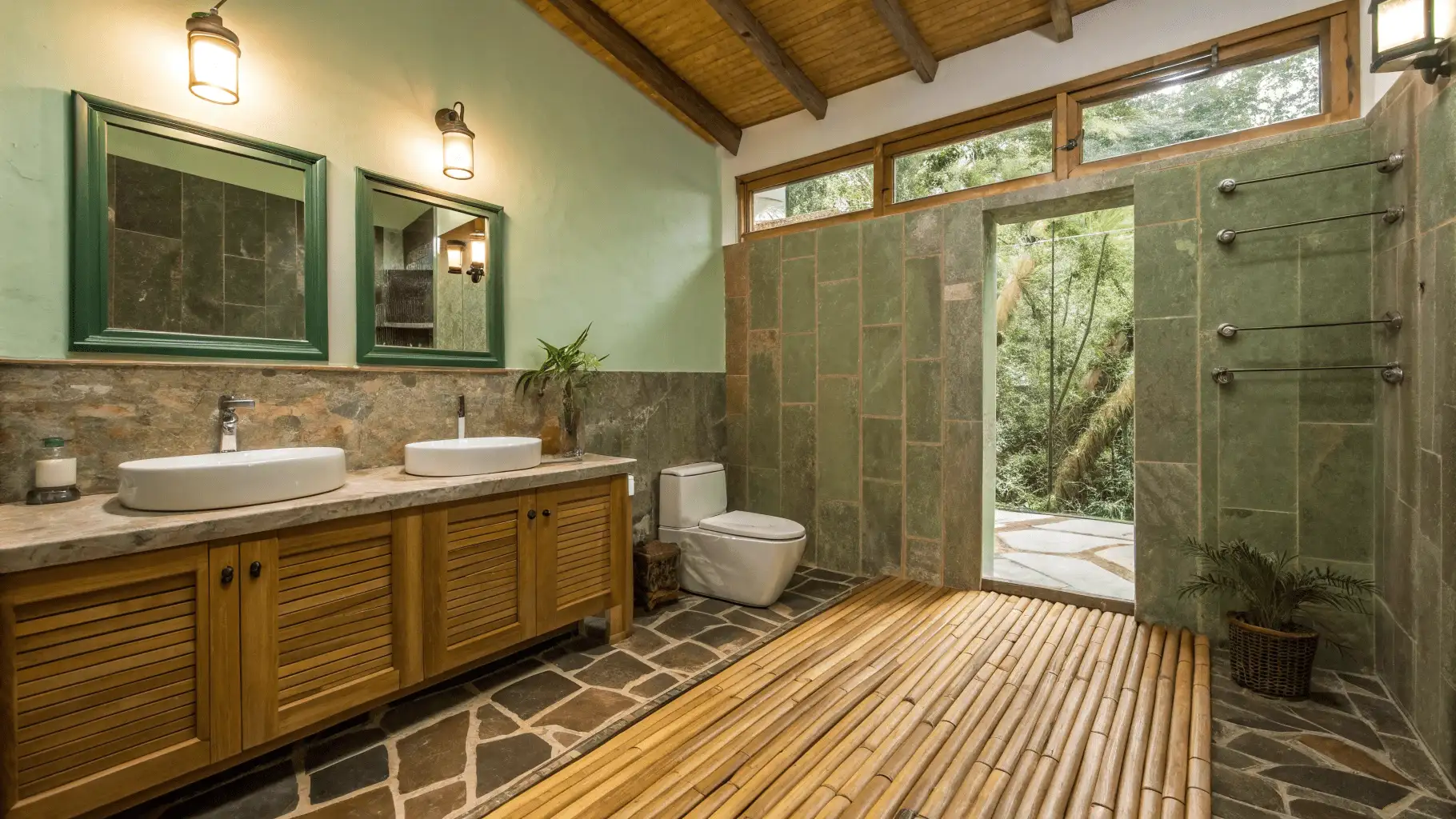
Transforming your bathroom with environmentally conscious renovations helps minimize ecological footprints while fostering healthier, enduring living spaces.
To achieve a genuinely sustainable bathroom, integrate strategies that conserve water, utilize eco-responsible materials, and embrace design features that enhance comfort without unnecessary waste.
Explore these green bathroom renovation ideas that harmonize ecological responsibility with aesthetics.
Reduce Water Use with Modern Toilets
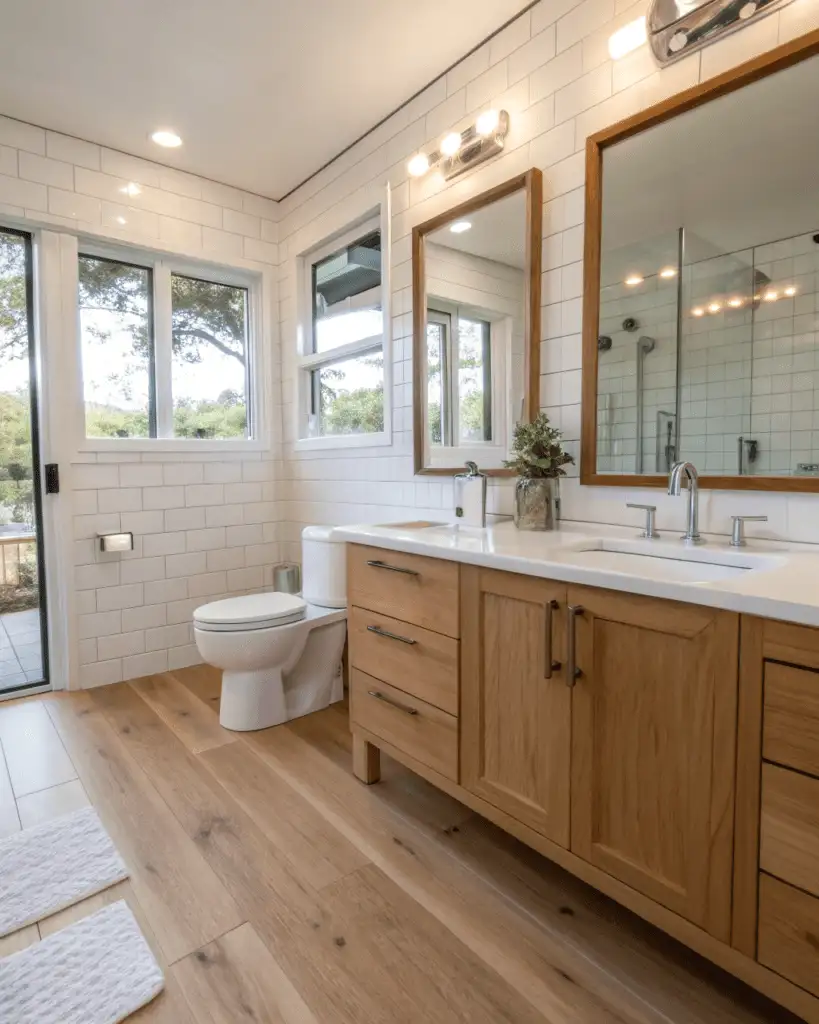
Modern bathroom fixtures focus heavily on water conservation. Toilets equipped with low-flow technology or dual-flush options dramatically decrease water consumption while maintaining performance.
Consider upgrading to:
- Low-flow toilets
- Dual-flush mechanisms
Optimize Shower Water Use with Efficient Showerheads
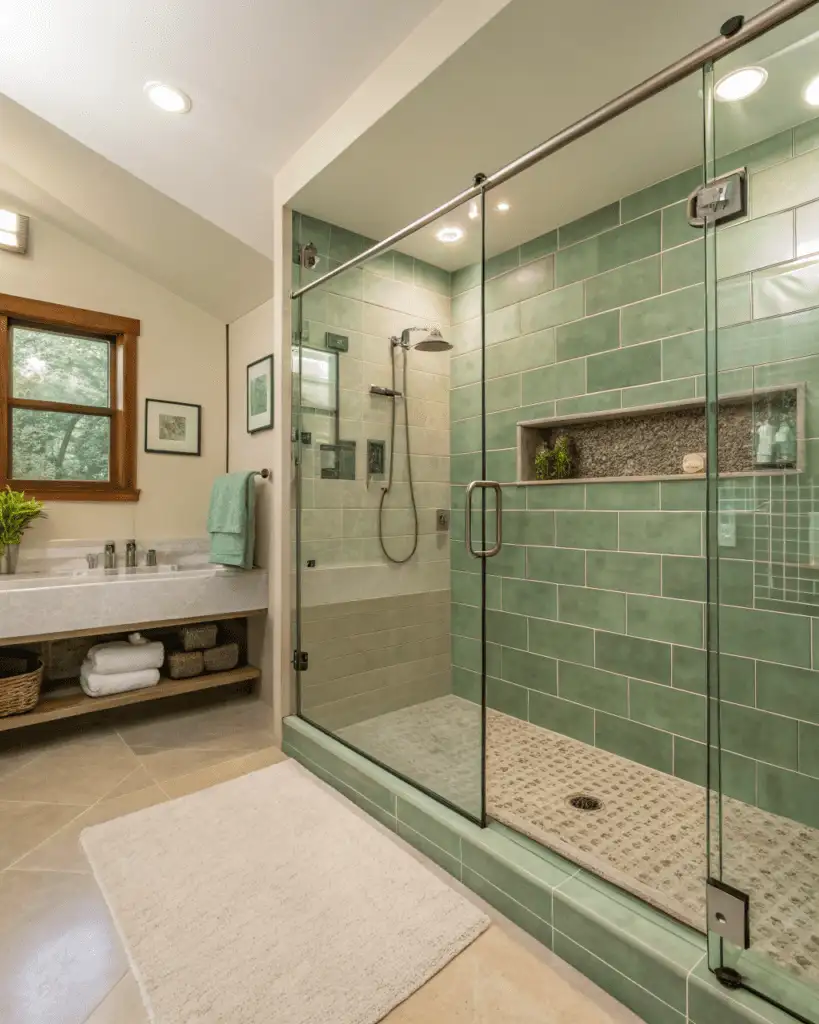
Showers are major water users. Installing showerheads designed to reduce water flow without sacrificing pressure can significantly cut daily water usage.
Tips for selection:
- WaterSense-certified showerheads
- Low-flow showerhead models
Prioritize Air Quality with Low-VOC Paints and Finishes
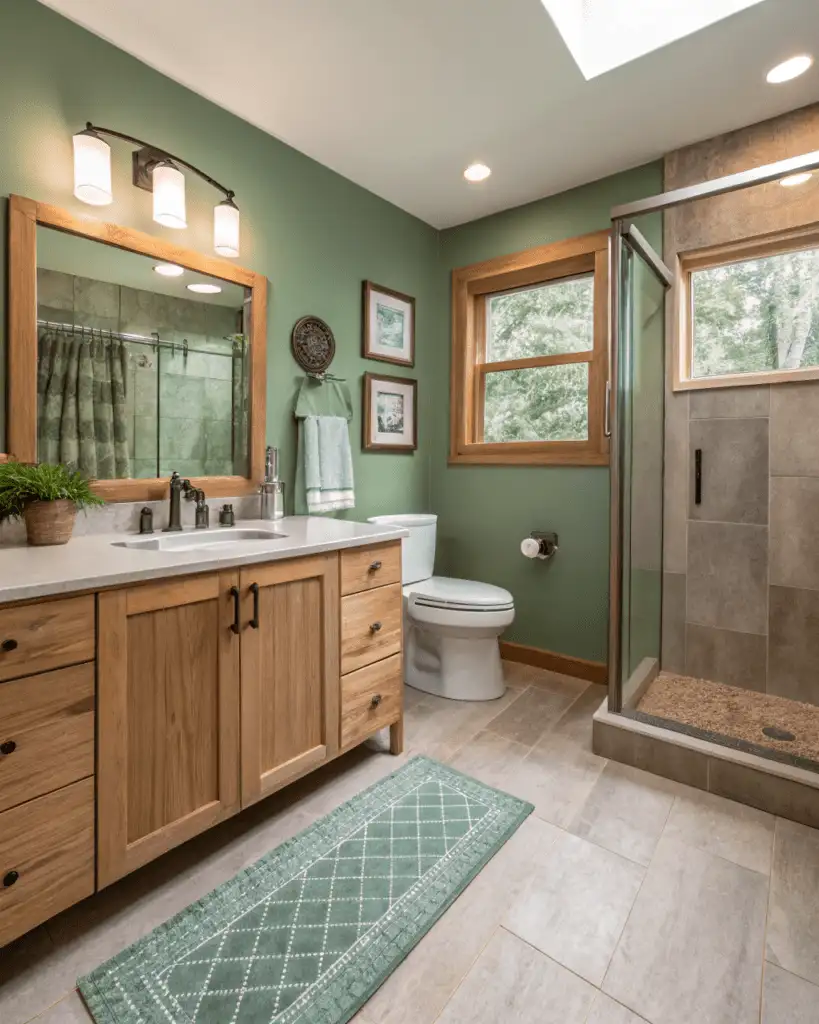
Indoor air purity is crucial in bathroom environments. Opting for paints and finishes with low volatile organic compound (VOC) emissions contributes to healthier indoor air quality and reduces toxins.
Choose options such as:
- Low-VOC paint
- Non-toxic sealants
Repurpose and Refresh Vanities
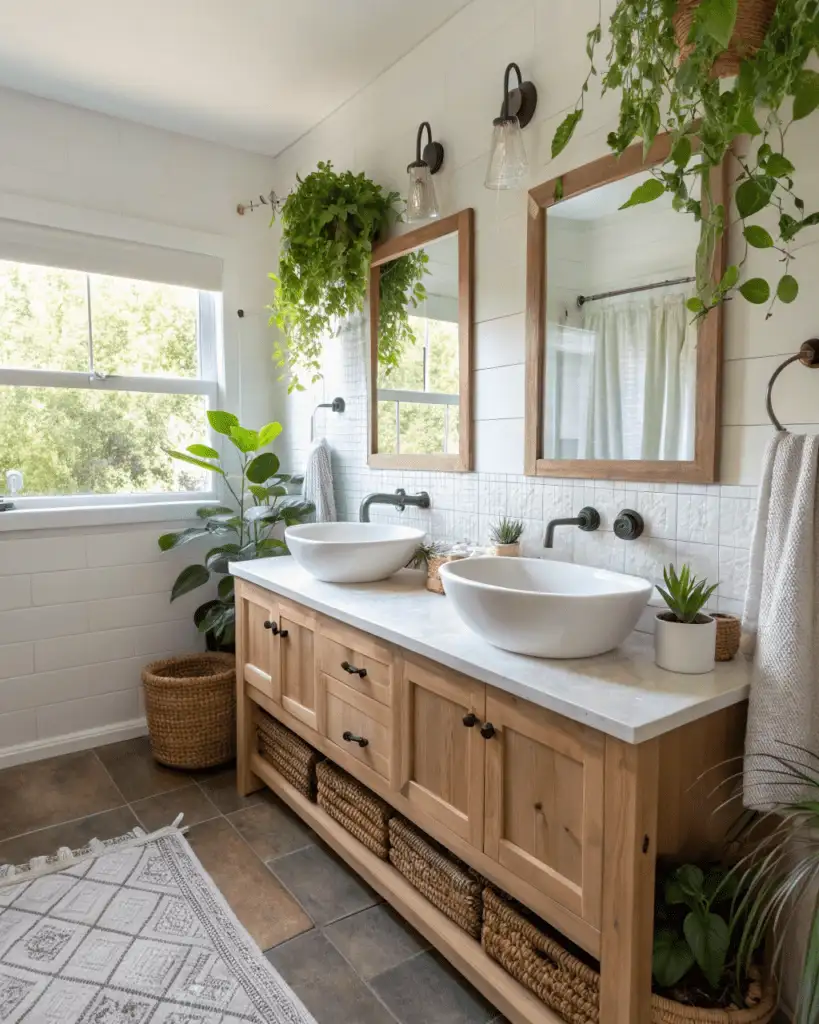
Restoring existing bathroom vanities by repainting and upgrading hardware offers an economical and planet-friendly alternative to full replacement, reducing landfill waste.
Update your vanity by:
- Applying fresh, durable paint
- Installing stylish new handles or knobs
Select Long-Lasting Sustainable Flooring
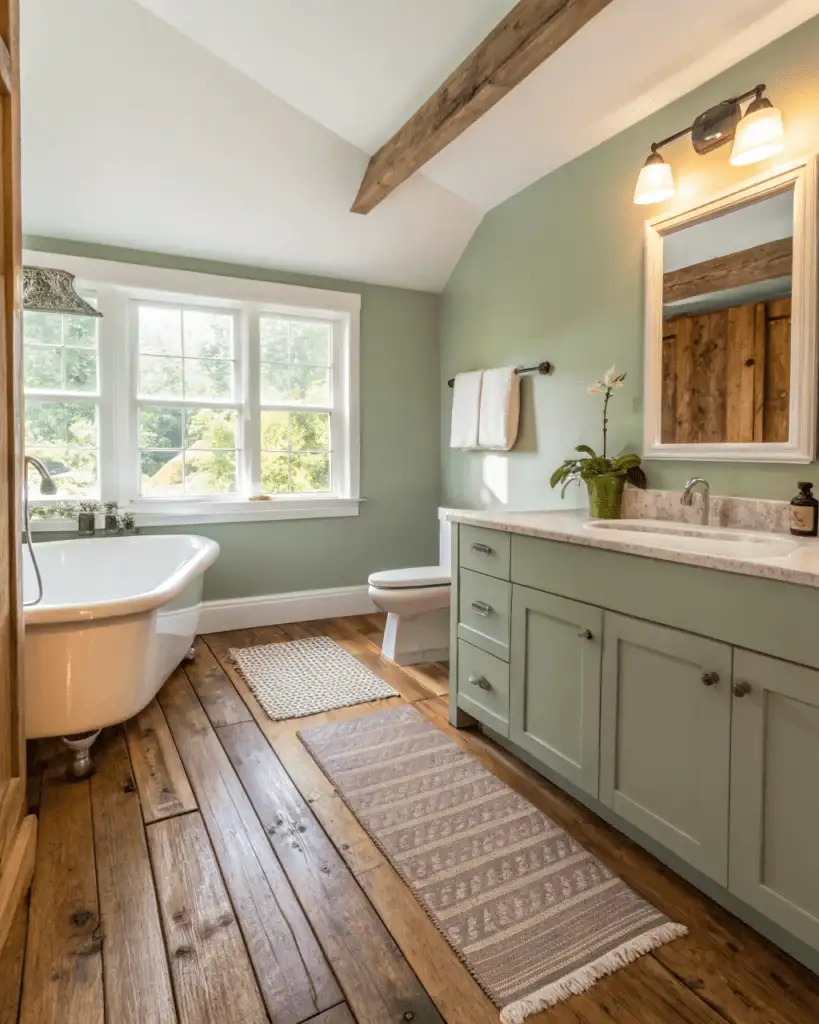
The choice of flooring greatly influences a bathroom’s environmental footprint over time. Sustainable materials like cork, bamboo, or recycled tiles offer renewable or repurposed alternatives to traditional flooring.
Recommended materials include:
- Bamboo flooring
- Cork surfaces
- Tiles made from recycled content
Upgrade to Energy-Saving Lighting
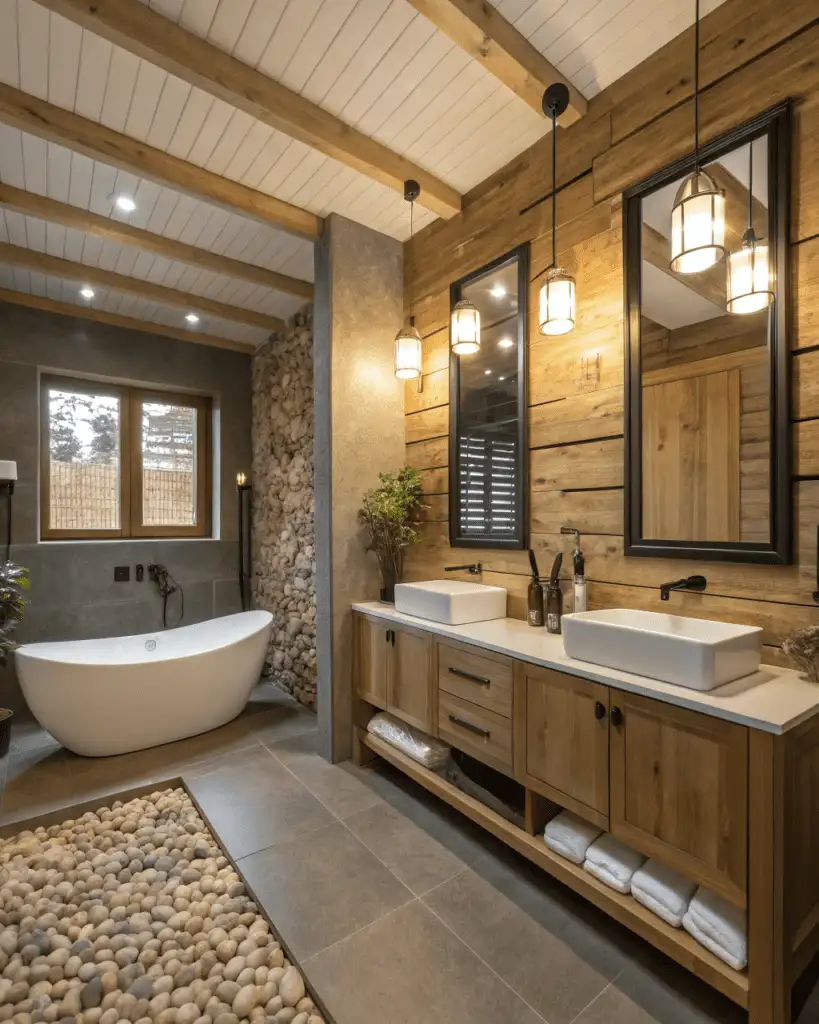
Switching to LED lighting systems can reduce electricity usage significantly. Incorporating motion sensors further optimizes energy consumption by activating lights only when necessary.
Consider installing:
- LED fixtures
- Motion-triggered lighting units
Select Sustainable Countertop Options
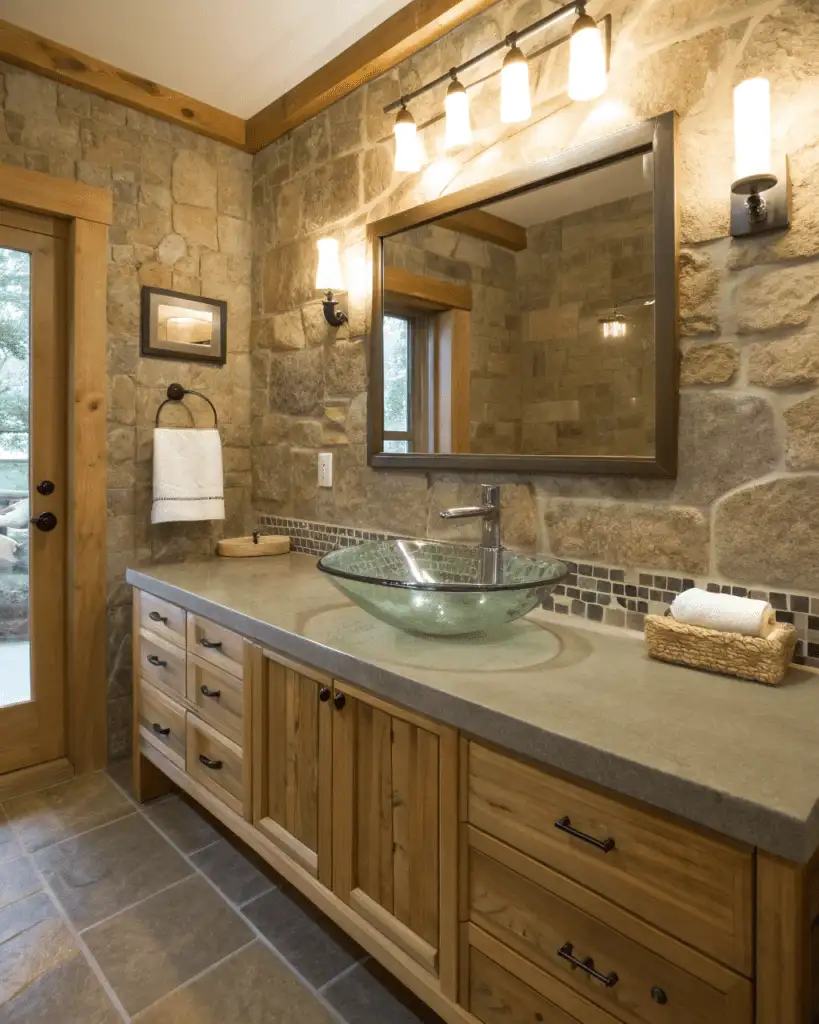
Countertop choices play a vital role in sustainability. Materials like recycled glass and composite stones with recycled content reduce demand for new natural resources.
Preferred materials:
- Recycled glass surfaces
- Composite stones containing repurposed materials
Maximize Natural Lighting
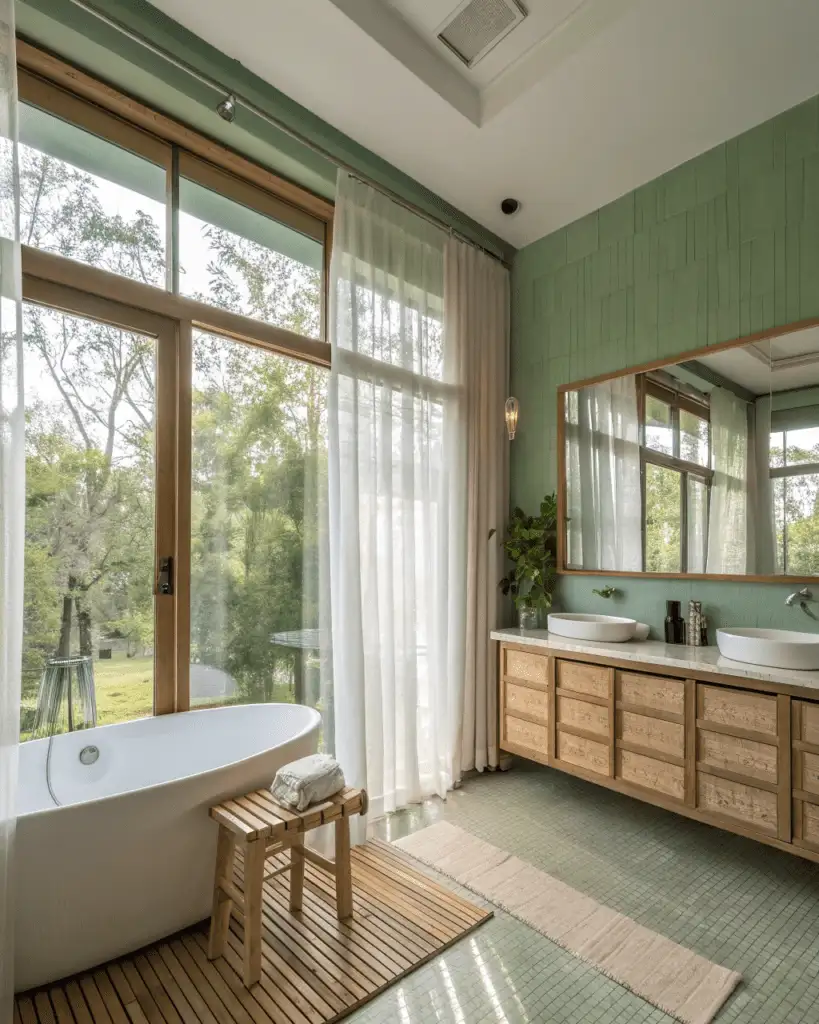
Increasing daylight penetration reduces reliance on artificial lighting, cutting energy costs and enhancing mood. Skylights and expanded windows are excellent ways to invite more sunlight.
Implement:
- Skylights to brighten the space naturally
- Enlarged or additional windows when feasible
Improve Airflow with Efficient Ventilation
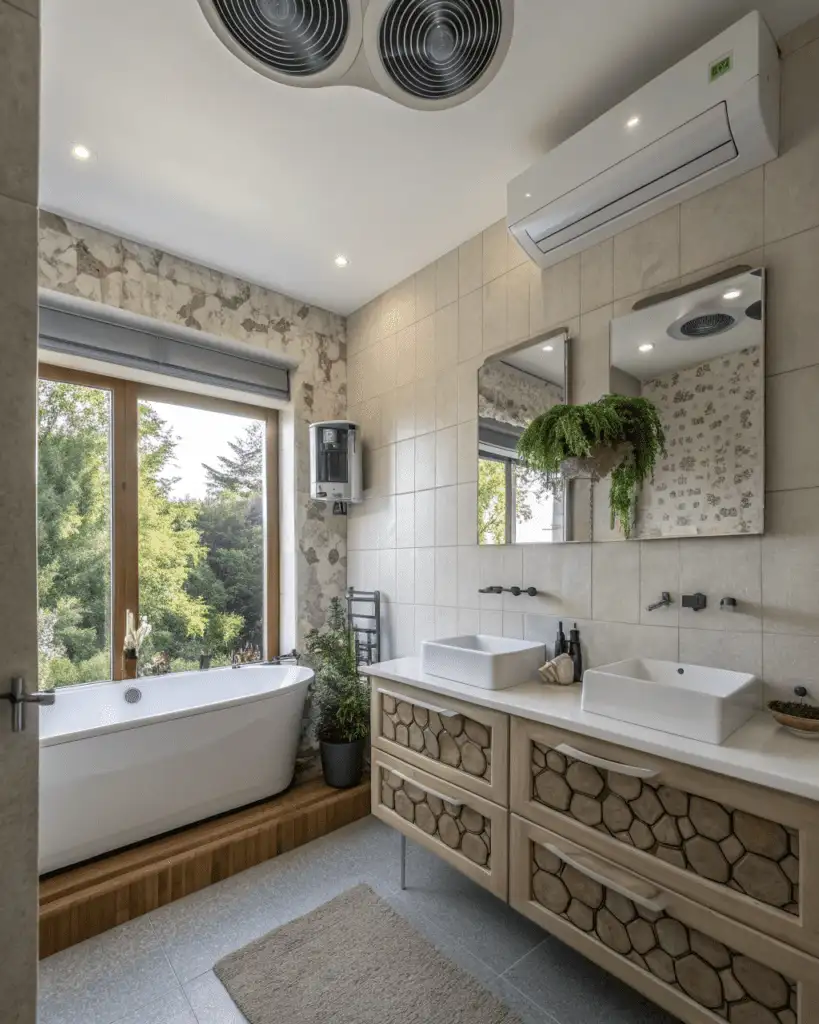
Maintaining optimal moisture control is key to preventing damage and mold in bathrooms. Using energy-smart ventilation fans, particularly those with humidity sensors, increases efficiency and comfort.
Good options include:
- Energy-efficient exhaust fans
- Ventilation units with humidity detection
Choose Recycled and Sustainable Tiles
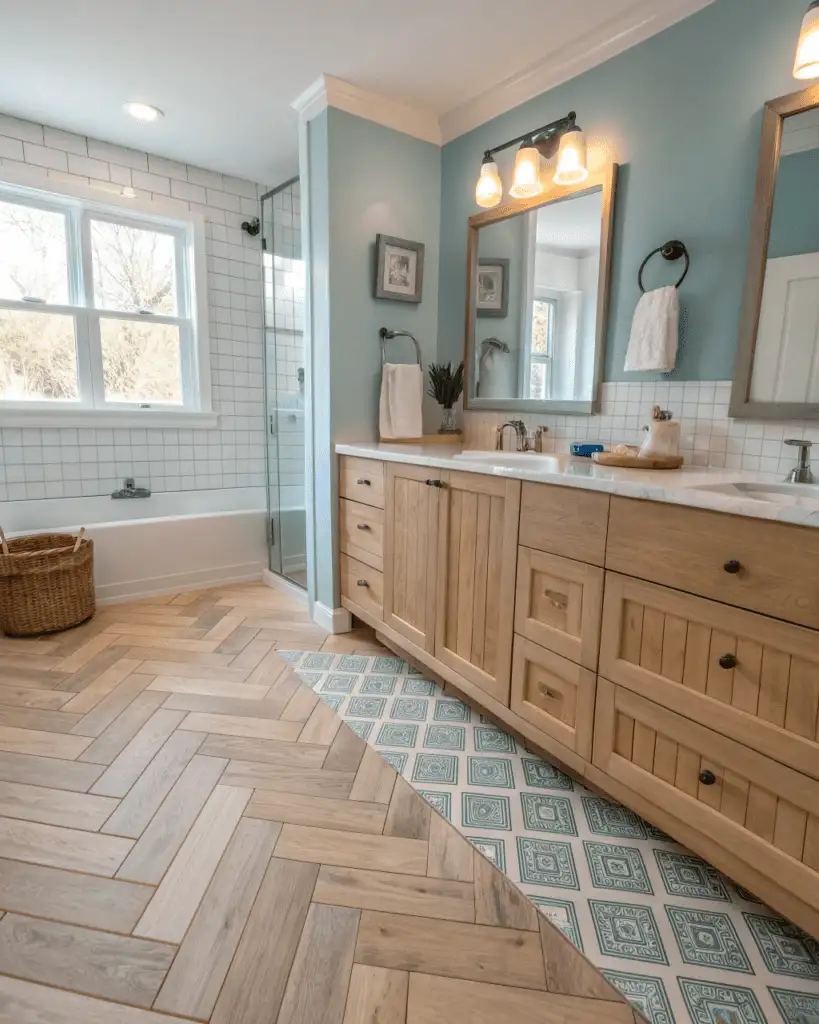
Choosing tile crafted from recycled ceramic or handmade with natural glazing techniques allows for beautiful finishes that also support environmental responsibility.
Opt for:
- Recycled ceramic tiles
- Artisan tiles made with eco-friendly glazes
Invest in Timeless and Lasting Fixtures
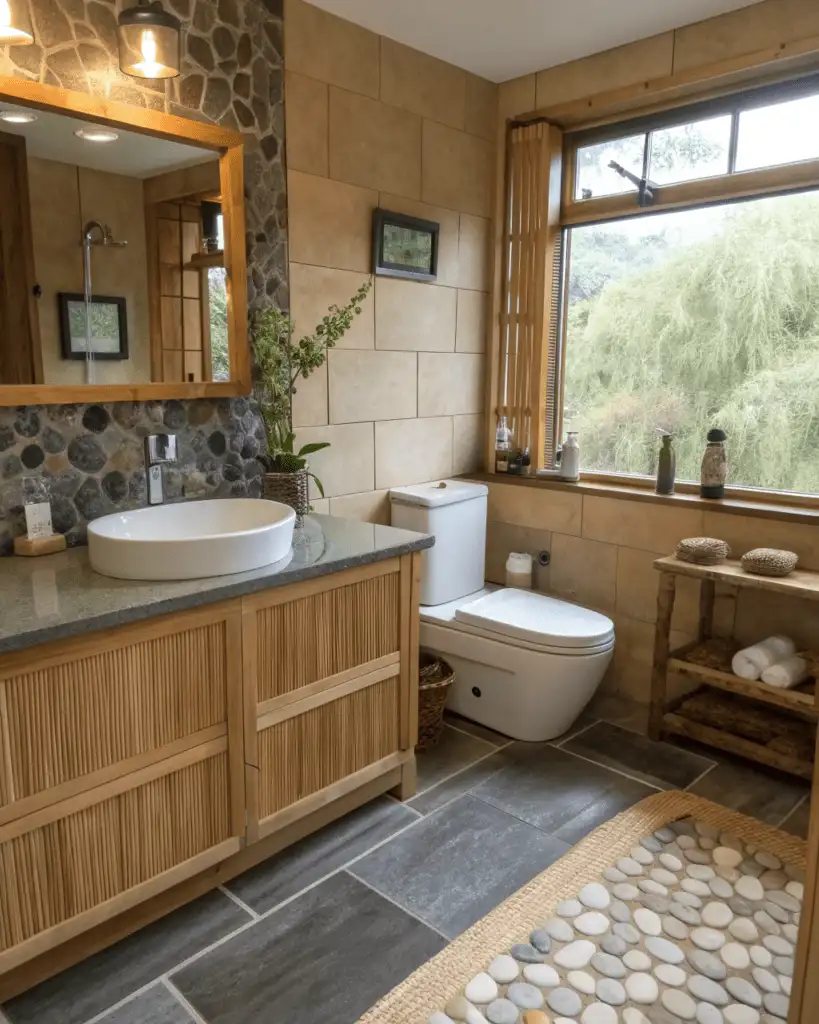
Choosing fixtures with enduring designs crafted from high-quality materials ensures your bathroom components remain functional and elegant for years, lessening the need for frequent replacements.
Focus on:
- Clean, classic aesthetics
- Robust construction
Minimize Waste Throughout Renovation
Careful planning helps to avoid over-ordering and encourages repurposing salvageable materials, significantly cutting down construction waste and environmental impact.
Effective strategies include:
- Accurate estimation and ordering of materials
- Reuse and restore existing components whenever feasible
Implement Water-Conserving Faucets
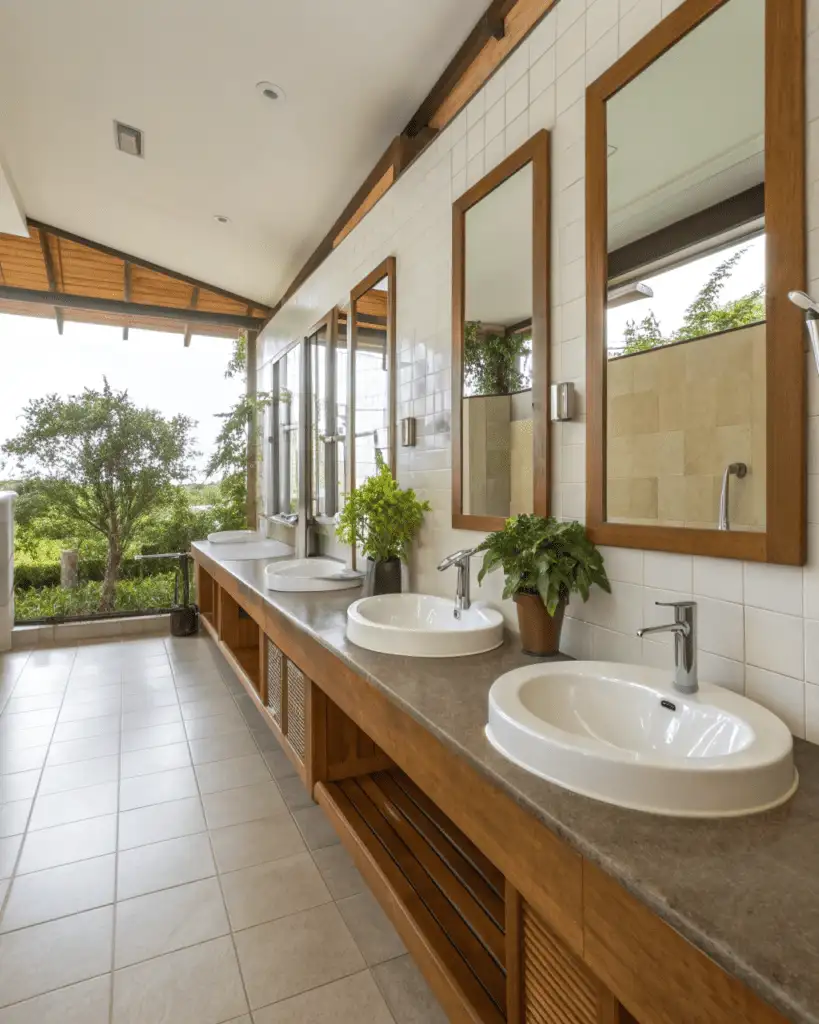
Small faucet upgrades can cumulatively save vast amounts of water. Models featuring low-flow aerators maintain convenience while promoting conservation.
Recommended types:
- Low-flow faucets
- Aerated faucet designs
Embrace Minimalist Eco-Conscious Design
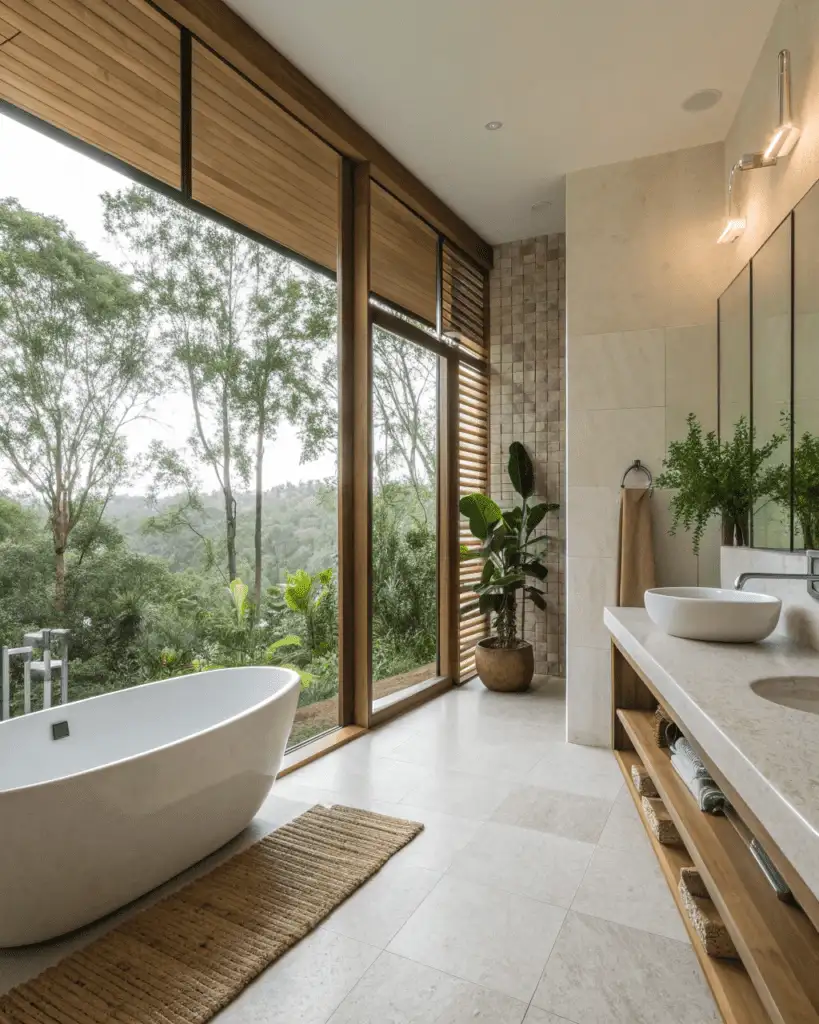
Adopting a restrained approach to bathroom décor highlights functional simplicity, reduces unnecessary waste, and fosters timeless style.
Recommendations:
- Limit excess ornamentation
- Avoid overly trendy or disposable finishes
Wrapping Up
Green bathroom renovations succeed when simplicity meets sustainability. By focusing on water-saving installations, energy-efficient solutions, and responsible material choices, you create a space that benefits both the planet and your well-being.
FAQs
What defines an eco-conscious bathroom renovation?
It involves adopting water-efficient fixtures, low-VOC paints, and utilizing sustainable materials in bathroom upgrades.
Does an environmentally friendly bathroom cost more initially?
While some eco upgrades may have upfront costs, many save money over time through reduced water and energy bills.
Which bathroom retrofit most effectively conserves water?
Installing toilets and showerheads designed for low water consumption produces the largest savings.
Do sustainable materials limit design options?
Not at all; modern sustainable products offer a wide range of stylish, versatile choices compatible with various design themes.
How can waste be minimized during remodeling?
Reuse existing fixtures when possible and carefully plan material quantities to reduce surplus and scrap.
What is the simplest upgrade for an eco-friendly bathroom?
Switching to LED lighting and installing low-flow water fixtures are straightforward, impactful improvements.