Design a Warm and Inviting Scandinavian Dining Space That Sparks Inspiration

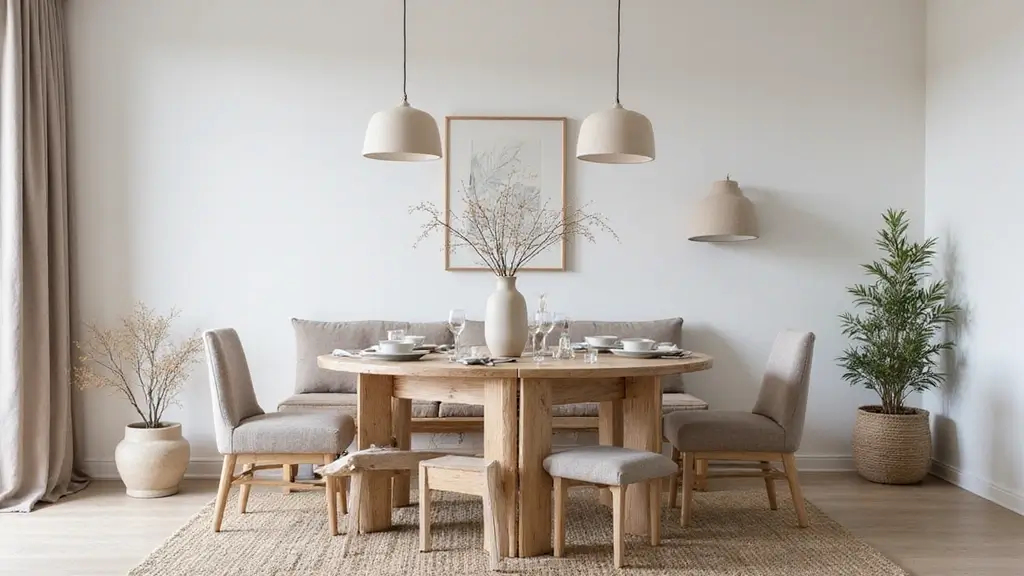
Transforming your dining space into a welcoming Scandinavian-inspired retreat can turn every meal into a cherished occasion. Rooted in the elegant simplicity of Nordic design, this style invites warmth and understated beauty without complex effort.
This comprehensive guide walks you through designing a functional and comfortable dining area by incorporating organic elements and gentle textures.
Discover straightforward techniques to achieve a calm ambiance—from selecting wooden furnishings to introducing natural greenery—that work for any home layout, ensuring your project stays manageable and clutter-free.
Whether you’re new to decorating or a seasoned stylist, these strategies balance aesthetic appeal with practicality. You’ll find expert advice on room arrangements, illumination, and adding personal flourishes while maintaining a minimalist Scandinavian essence.
Each chapter offers actionable steps, recommended materials, and upkeep tips, helping you craft a dining room that remains effortlessly fresh and inviting, suited for daily dining or hosting special guests.
Harnessing the Warmth of Natural Elements
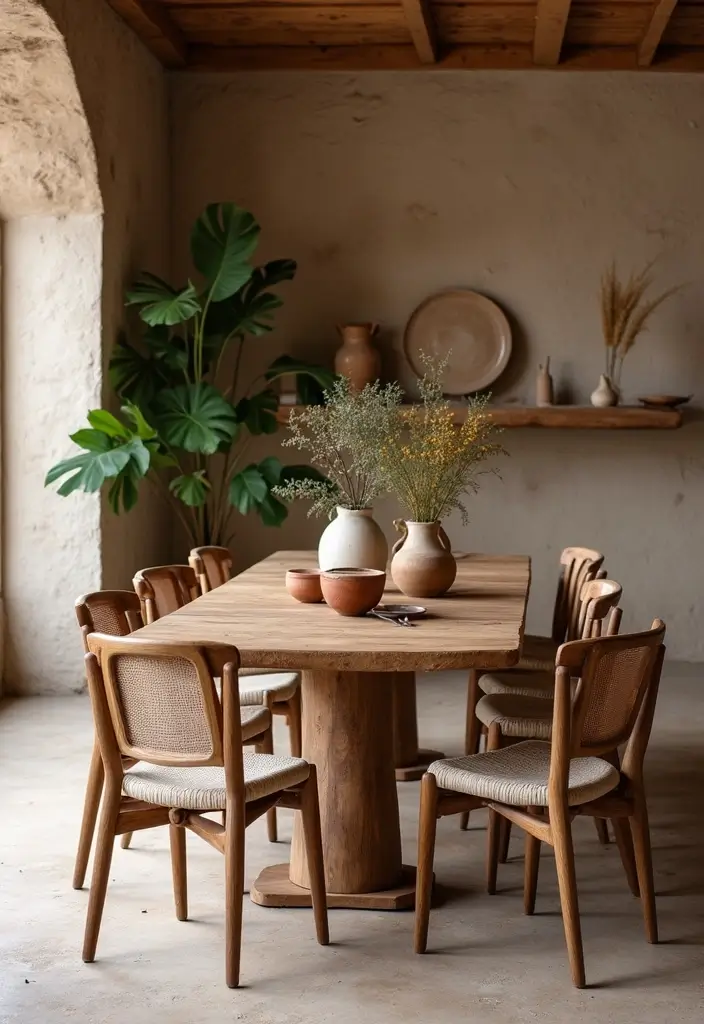
Scandinavian dining spaces thrive on natural materials that infuse warmth and authenticity. Woods like oak, bamboo, or reclaimed timber mirror the tranquil Nordic wilderness while providing long-lasting strength and subtle serenity, as highlighted by By Crea.
These material choices seamlessly adapt to both compact urban flats and spacious homes, aligning perfectly with current ecological design movements.
Opt for a durable oak dining table accommodating six to eight people or a sleek bamboo piece ideal for tighter quarters. Complement with woven chairs to add layers of tactile interest. For trusted quality, explore retailers like Scandinavian Designs.
Verify that wood pieces carry FSC certification to promote sustainable forestry. This foundational step generally requires a couple of days and lays the groundwork for an enduring style.
- Anchor the space with a robust wooden table.
- Choose matte finishes for a natural, unpolished appearance.
- Integrate bamboo or rattan seating for added texture.
- Ensure firm table legs for stability and safety.
- Maintain wood regularly—dust weekly and apply polish yearly to preserve its beauty.
Enhancing Comfort with Gentle Fabrics
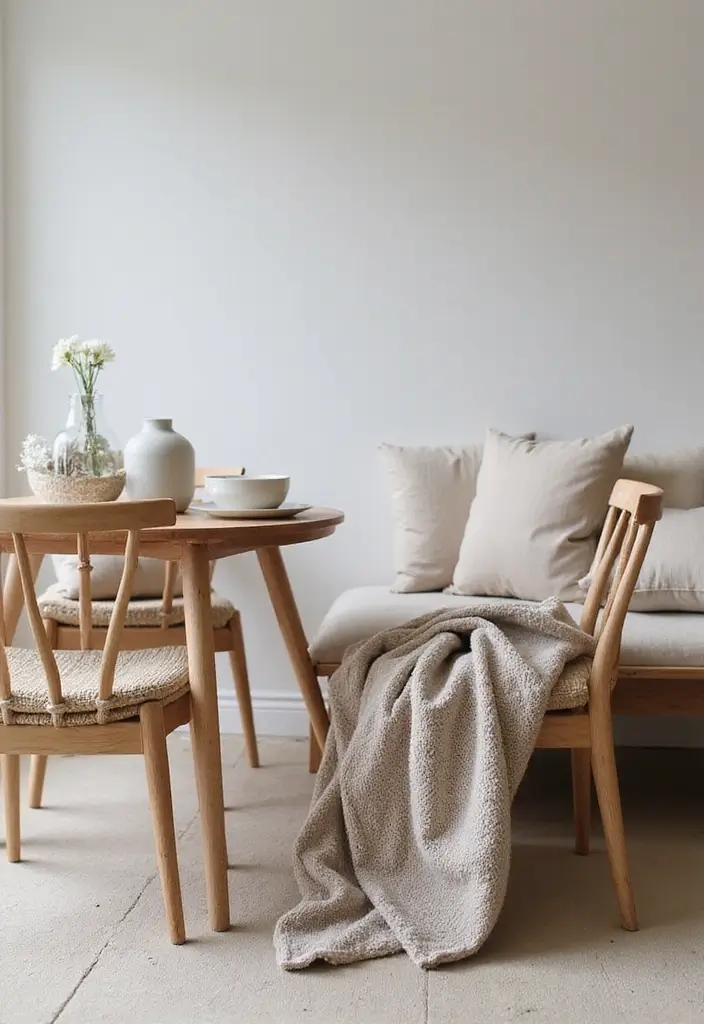
Incorporating soft textiles transforms a practical dining room into a snug retreat reflecting the hygge spirit. Use linen table runners, wool rugs, and plush cotton cushions to soften the natural wood finishes, creating a welcoming atmosphere—as seen in Nordic Nest’s offerings.
Accentuate your dining area by adding a neutral-hued runner atop your table and positioning a cozy wool rug beneath. Embracing recycled textiles adds an eco-friendly dimension, especially beneficial in smaller rooms. Enhance chair comfort with a handful of cushions.
This touch of softness can be executed in just a few hours and adapts effortlessly to any living space, enhancing warmth while keeping things uncluttered.
- Choose linen or cotton in earthy tones like beiges and grays.
- Use non-slip mats under rugs to ensure safety.
- Limit layering to a single runner and two to three cushions.
- Launder textiles monthly to maintain freshness.
- Stick to subtle patterns to uphold minimalist integrity.
Sculpting a Clean, Minimalist Environment
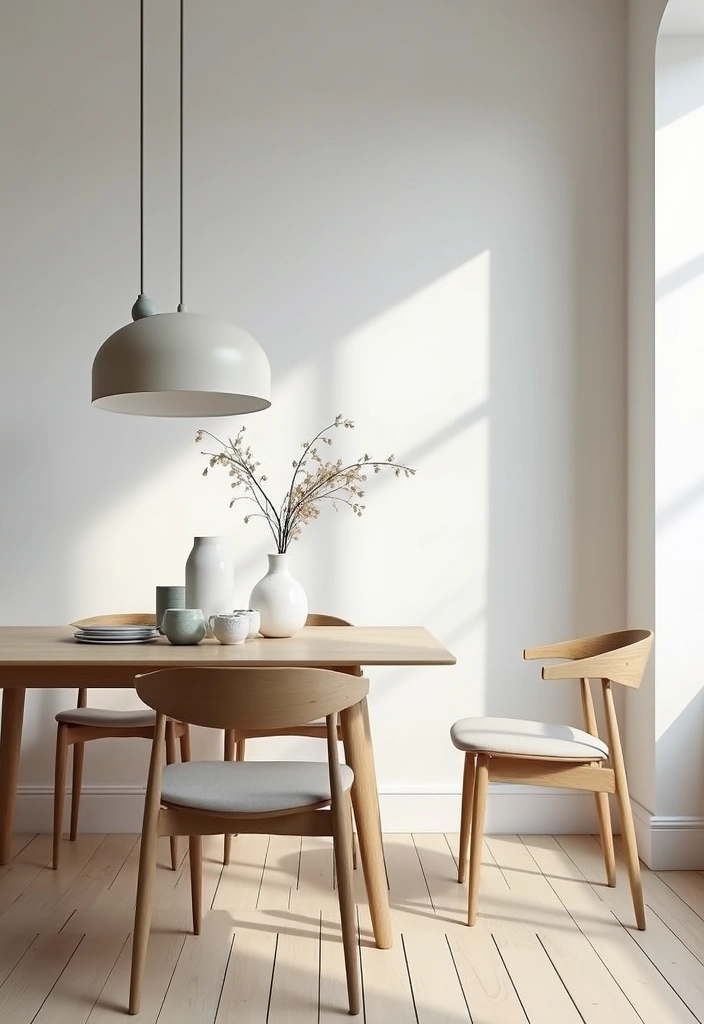
Minimalism is the cornerstone of Scandinavian interiors, fostering an open and peaceful dining experience. Focus on essential furnishings such as a table, chairs, and a single open shelving unit to minimize visual clutter—a strategy recommended by Houzz design examples.
The method prioritizes practicality over ornamental extras, maximizing your space’s flow and usability.
Configure seating for four to six and secure shelves to the wall for both aesthetics and safety. Avoid overfilling the area with unnecessary furniture to preserve an airy feel.
With just one day of effort, you can establish a serene dining environment adaptable to any household scale.
- Keep furniture to the basics: table, chairs, and shelving.
- Maintain clear walkways of roughly three feet width.
- Use open shelves for accessible storage solutions.
- Regularly clean surfaces to sustain a tidy atmosphere.
- Resist the urge to accumulate decorative clutter.
Choosing a Serene Neutral Palette
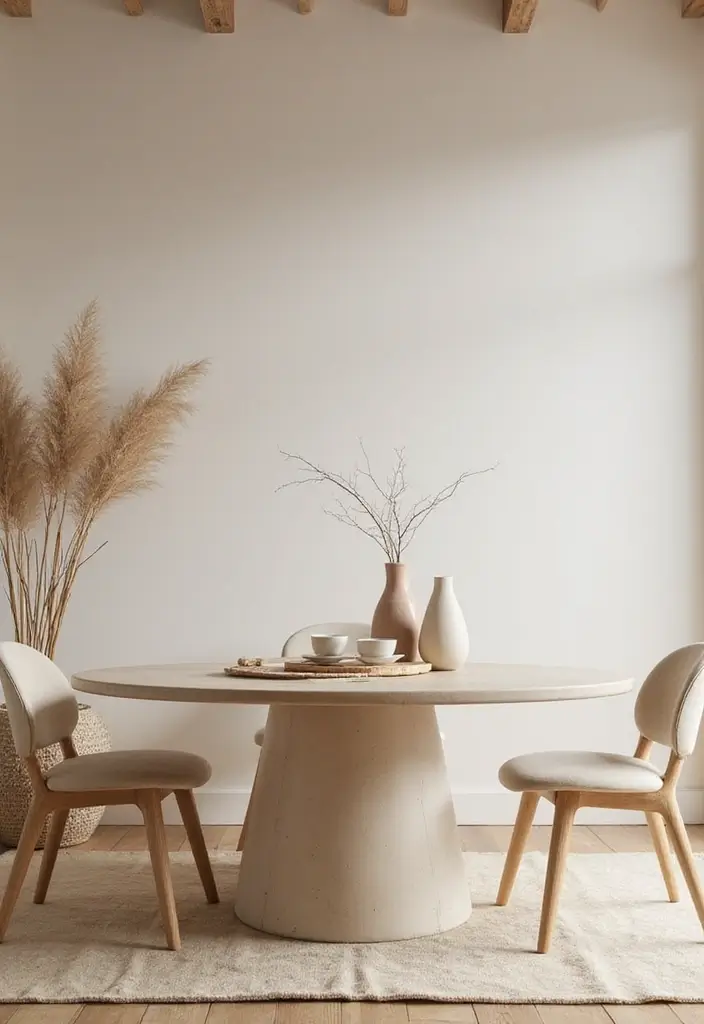
Soft, neutral shades such as whites, warm grays, and gentle beiges enhance perceived space by reflecting natural light, creating a versatile and calming canvas—in line with insights from Edward George London.
Connect these hues with wooden accents to bring depth and subtle warmth without overpowering the environment.
For safety and indoor air quality, use paints low in volatile organic compounds, and opt for curtains and upholstery crafted from natural fibers.
This update usually requires a couple of days and fits into any dining space, reinforcing an inviting and tranquil mood.
- Consider soft whites or light greys for wall colors.
- Utilize beige or taupe fabrics to complement the palette.
- Incorporate wooden furniture for organic contrast.
- Ensure adequate ventilation during painting to minimize fumes.
- Spot clean fabrics and repaint periodically to maintain freshness.
Crafting Warmth with Subtle Lighting
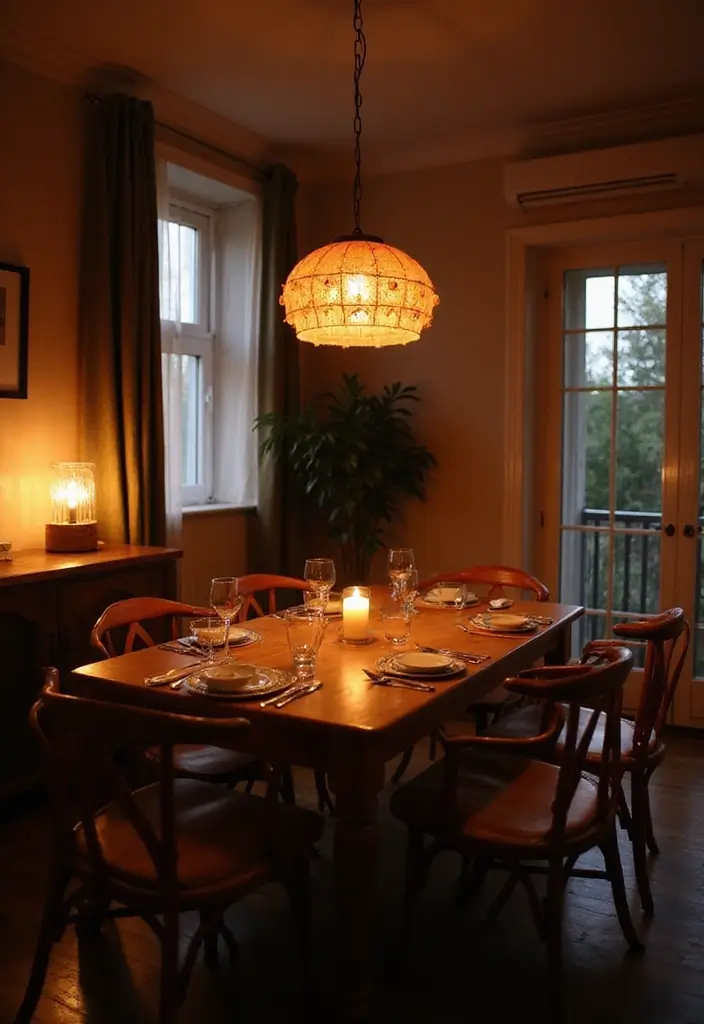
Lighting plays a pivotal role in accentuating the dining ambiance. Organic-shaped pendant lamps crafted from materials like rattan or brushed metal add natural charm and gentle illumination, as highlighted in Viesso’s current trends.
Position a dimmable pendant light approximately 30 inches above your dining surface to create intimacy and avoid glaring brightness. Energy-efficient LEDs are advisable for longer lifespan and environmental mindfulness. Professional installation ensures both safety and optimal placement.
This adjustment can be completed within a day and dramatically enhances the room’s welcoming feel.
- Pick pendant fixtures in rattan or metal finishes.
- Incorporate dimmable LED bulbs for versatile lighting.
- Position lights low enough to foster a cozy atmosphere.
- Regularly wipe fixtures to prevent dust accumulation.
- Avoid overly bright or fixed, non-dimmable bulbs.
Infusing Spaces with Lush Greenery
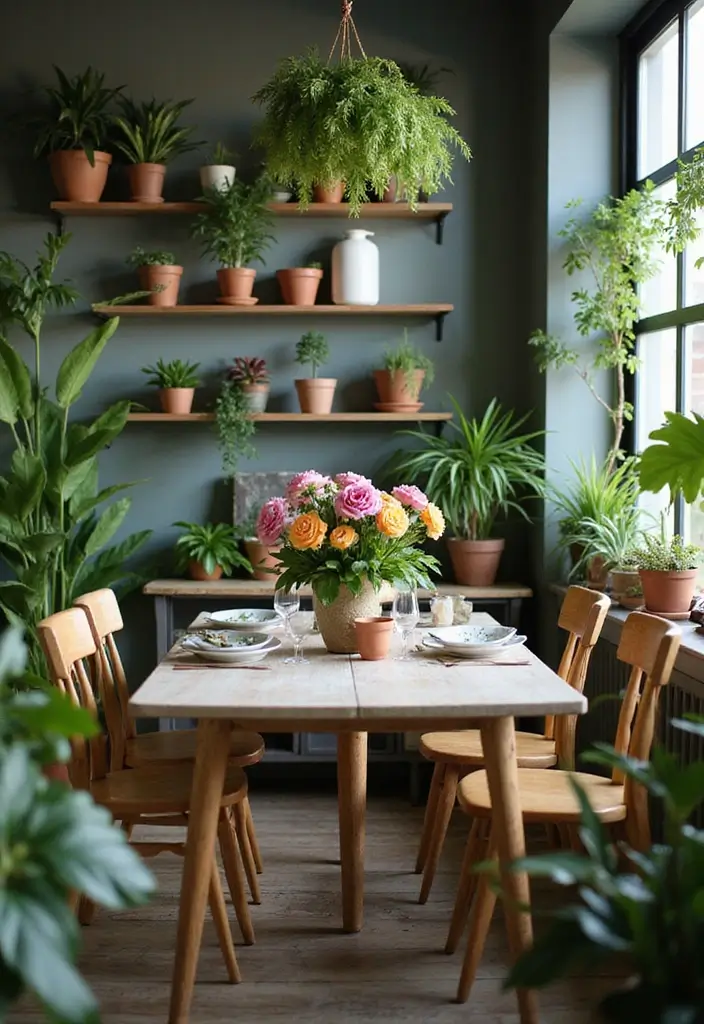
Introducing greenery enlivens your dining area and fosters a connection to the outdoors. Hardy plants like ferns and succulents offer aesthetic appeal and ease of care, paralleling popular biophilic design trends on platforms such as Pinterest.
Decorate tabletops with a small fern or arrange succulents on shelves using ceramic containers to elevate visual interest. When children or pets are present, prioritize non-toxic plant varieties. Infusing nature into your décor revitalizes your space within a few hours.
- Opt for resilient, low-maintenance plants like succulents.
- Limit the number of plants to two or three to avoid clutter.
- Utilize ceramic pots that complement Scandinavian aesthetics.
- Water regularly and rotate plants for uniform growth.
- Verify that chosen species are safe for pets and children.
Adorning with Thoughtful Artwork
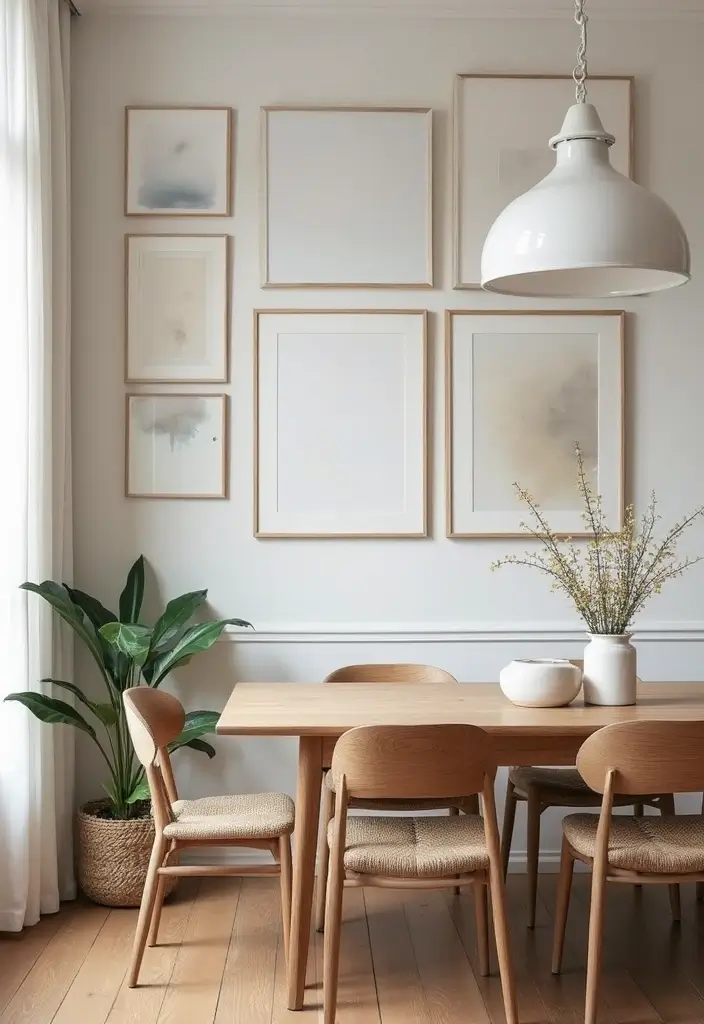
Adding minimalist art imbues character while respecting the simplicity of Scandinavian interiors. Choose monochromatic prints or abstract pieces framed in neutral-toned wood, taking inspiration from Nordic Nest’s collections.
Display a substantial central artwork or create a modest gallery above a buffet or sideboard. Secure mounts appropriately for safety. This personalization expresses your style without overwhelming the room’s serenity.
- Focus on abstract or black-and-white artworks.
- Limit wall art to one to three pieces to preserve minimalism.
- Use sturdy wall anchors to hang frames securely.
- Keep frames dust-free by monthly cleaning.
- Steer clear of loud colors or busy imagery.
Optimizing Your Dining Space Layout

A well-thought-out layout maximizes comfort and usability. Positioning your table near a window harnesses natural daylight, enhancing openness—a tactic supported by IKEA’s Scandinavian design ethos.
Maintain at least three feet around the table for comfortable circulation. In compact areas, consider benches or space-saving chairs. Accurate measurements prevent overcrowding and facilitate effortless rearrangements.
Planning the layout can take a day or two and suits varied room sizes.
- Locate dining furniture near natural light sources.
- Use compact seating options like benches in smaller rooms.
- Keep pathways clear for ease of movement.
- Adjust arrangements when entertaining larger groups.
- Measure your room before setting furniture.
Incorporating Distinctive Accessories
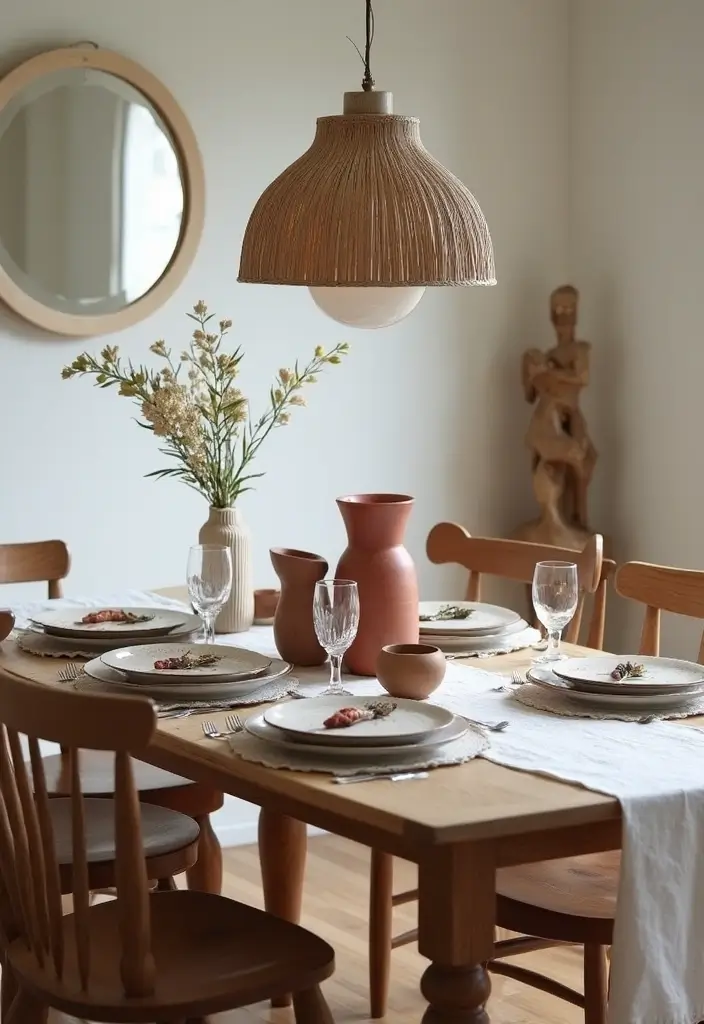
Adding curated accessories such as handcrafted ceramic vases or woven baskets introduces subtle style refinements. Contemporary metallic pieces, including chrome accents, bring a sleek edge without cluttering, a trend highlighted by Viesso.
Display a limited selection—two to three items—ensuring all are stable and secure to prevent accidents. This touch can be completed in a few hours and distinctly elevates your dining room’s aesthetic.
- Choose ceramics or metallic accents for minimal flair.
- Restrict decor to a few key pieces per area.
- Ensure accessory bases provide solid support.
- Clean items regularly to maintain their look.
- Eschew oversized or overly busy objects.
Infusing Your Dining Room with Personality
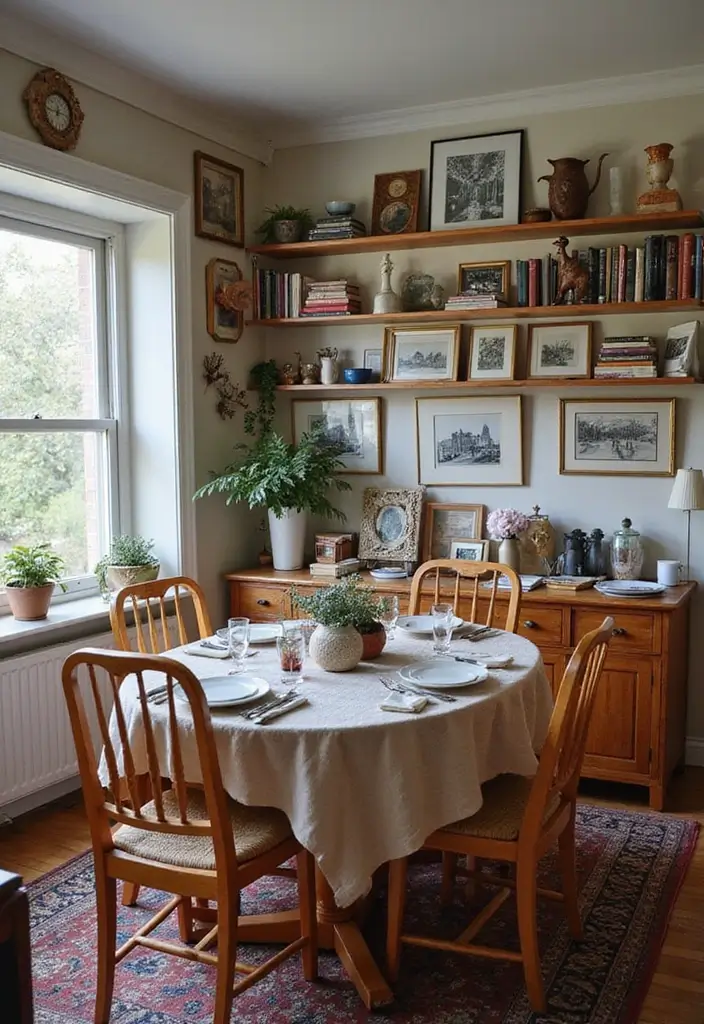
Personalized elements enrich the minimalist foundation by weaving your story into the space. Integrate heirloom ceramics, family photos in wooden frames, or handcrafted objects inspired by Nordic traditions, as showcased in Houzz galleries.
Limit such items to one or two to maintain balance and prevent visual chaos. Rotate keepsakes seasonally to refresh the environment and keep it dynamic.
This process generally requires a full day and fosters a dining room that feels genuinely yours.
- Incorporate one meaningful family photograph or heirloom item.
- Use neutral-toned frames for a unified look.
- Secure heavier items appropriately on shelving.
- Change personal items periodically to sustain interest.
- Blend accessories thoughtfully within a minimalist setting.
Final Thoughts
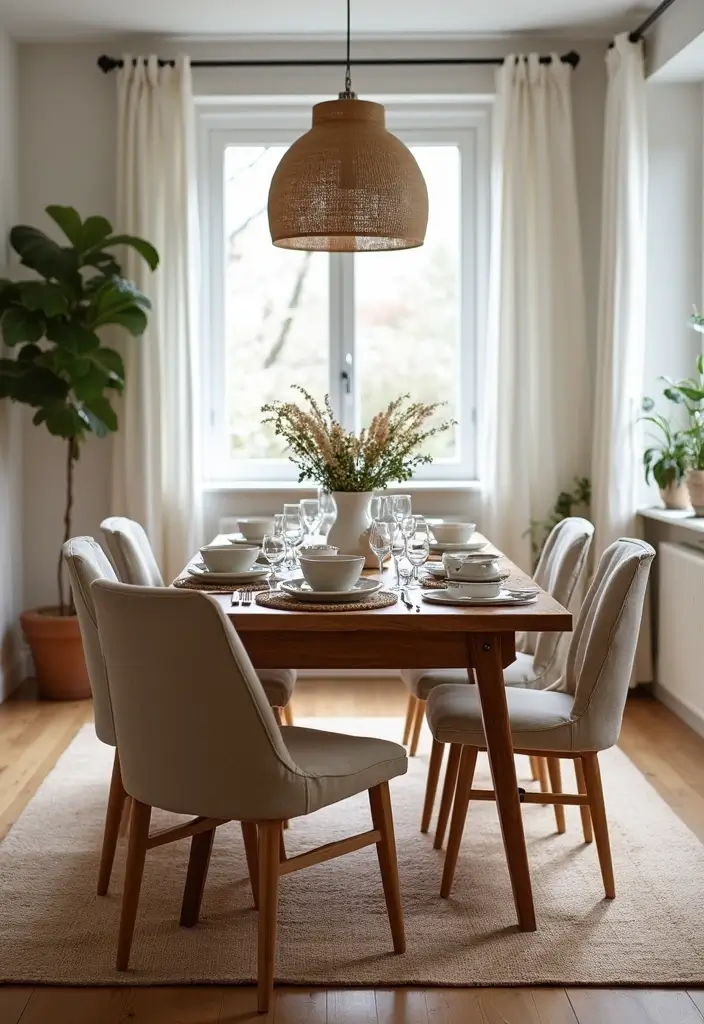
By blending natural textures, muted color schemes, and thoughtful spatial planning, you can effortlessly cultivate a Scandinavian-style dining room that exudes warmth and functionality. From wooden tables and soft fabrics to minimalist decor and touches of greenery, this style invites comfort and timeless elegance.
Enrich your space with art and plants that reflect your individuality, while maintaining the clarity and simplicity that define Nordic design. Use this guide as your roadmap to fashion a dining environment that welcomes both everyday family meals and special celebrations.