Creative Kitchen Pantry Solutions: Clever Storage & Organization Tips for a Tidy Space

The realm of kitchen design is evolving rapidly, bringing pantry concepts to a new pinnacle of style, efficiency, and sustainability. Whether you’re exploring container options, creating an entirely new storage space, or strategizing ways to optimize a kitchen without a dedicated pantry, the core goal remains to maximize functionality while reflecting your individual lifestyle. I often encourage clients to envision their pantry not just as a storage area but as an extension of their daily habits and personality. Let’s explore the forefront of pantry organization and innovative kitchen storage solutions that merge aesthetics with practicality.
1. Adaptive Smart Storage Systems for All Kitchen Sizes
Modern kitchen storage prioritizes adaptability. I firmly believe that both compact and expansive kitchens benefit immensely from smart storage innovations that revolutionize standard pantry spaces into multifunctional masterpieces. Sliding wall panels, concealed drawers, and configurable modular shelves create a dynamic environment to store anything from bulk supplies to seasonal ingredients. Advanced features like sensor-activated lighting and motion detectors further enhance accessibility, especially in dimly lit corners.
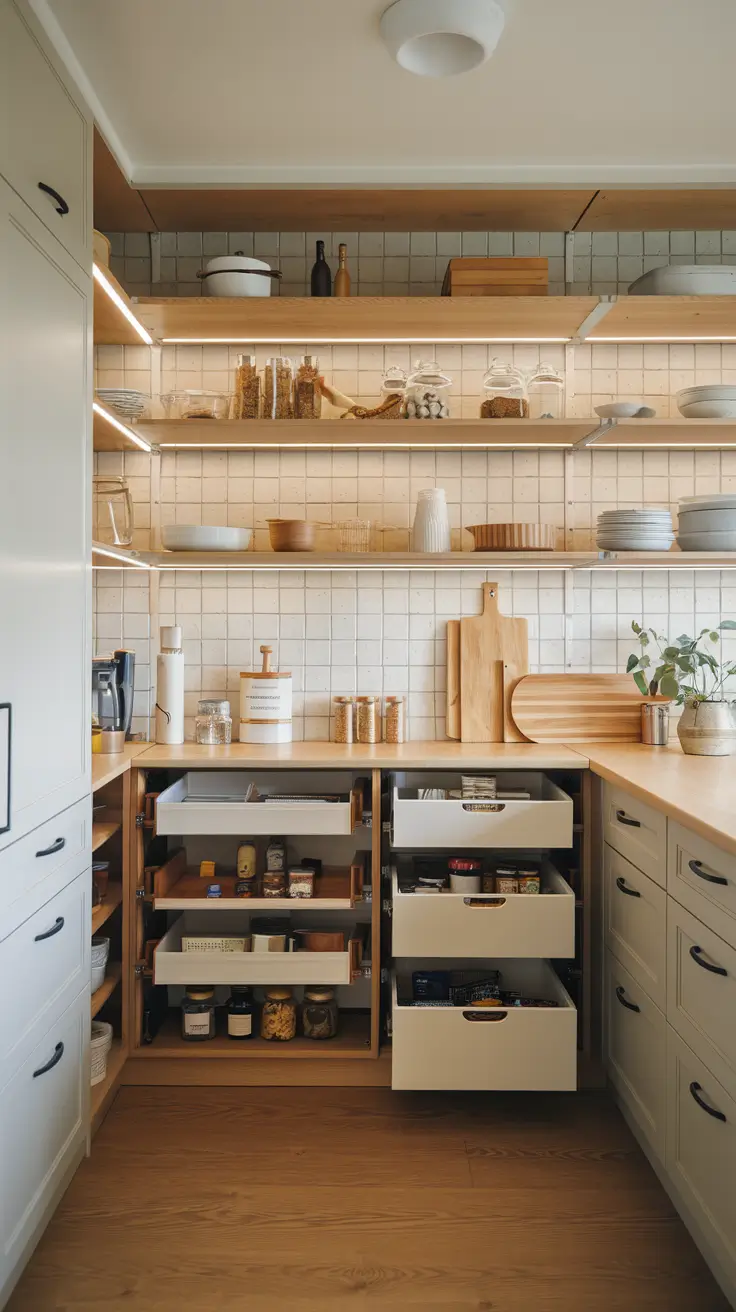
When it comes to containers, I recommend resilient yet elegant options. My favorites include glass jars sealed with bamboo lids, neatly labeled baskets, and pull-out bins for effortless sorting. Integrating specialized can racks, corner open shelving for quick reach, and vertical sliding drawers ensures every inch is utilized beautifully and functionally.
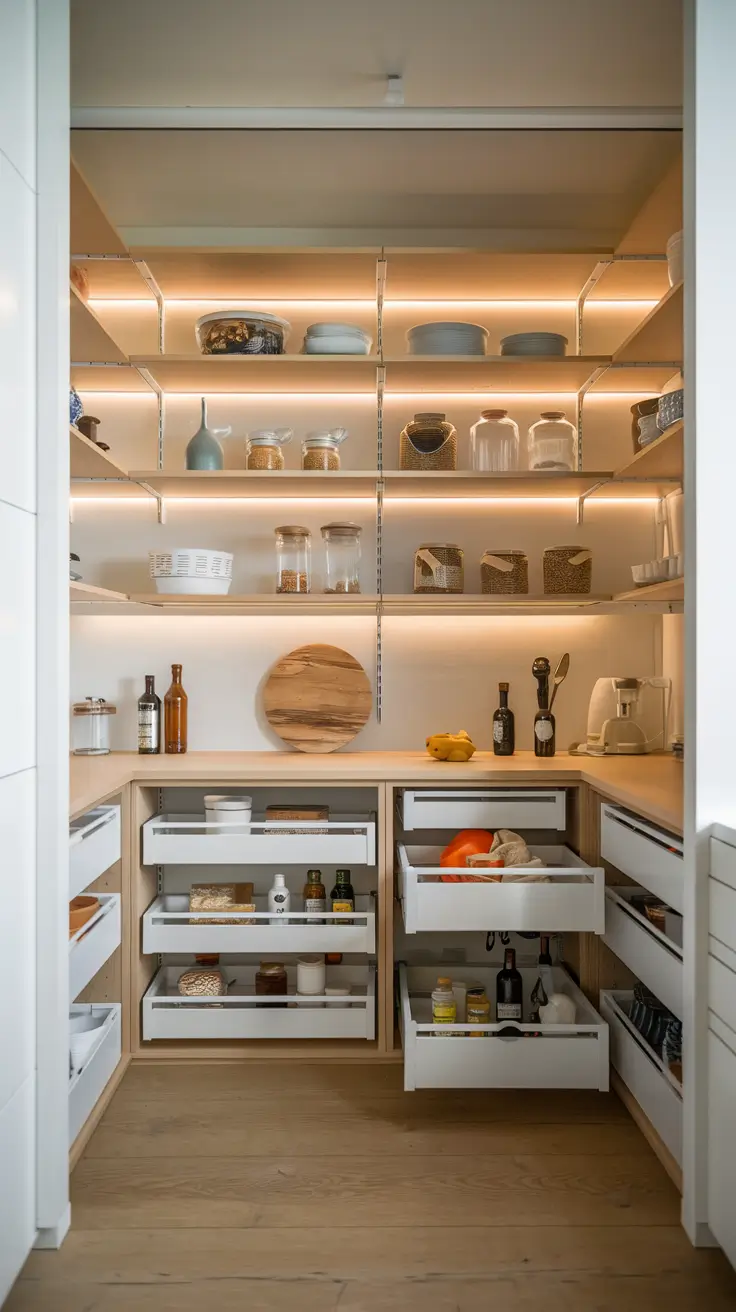
Top designers like Emily Henderson often stress that hidden yet visible organizational tools create environments that feel welcoming without sacrificing tidiness.
Explore modular storage shelves and smart lighting solutions to make your pantry truly intelligent.
2. Multi-Functional Storage Rooms for Today’s Homes
In contemporary homes, storage rooms have transcended mere utility—they now serve as secondary prep zones that complement kitchen workflows. I design these spaces with grocery storage on upper shelves, built-in refrigeration chutes, and adjustable shelving tailored to evolving needs.
Incorporating fold-away tables, clearly marked cabinets, and thoughtfully positioned lighting enables maximum usability. To maintain separation while fostering openness, I often install smooth glass doors, blending a neutral color palette with natural wood and matte finishes for an inviting, modern ambiance.
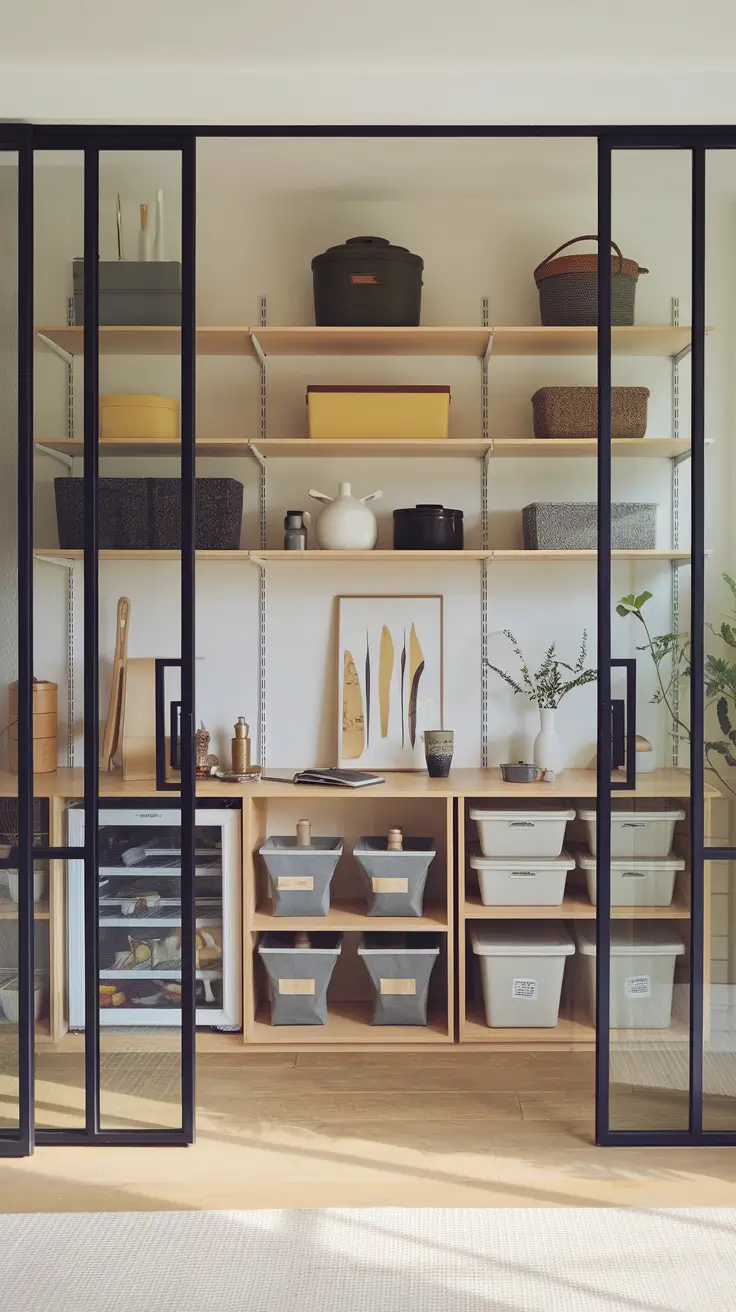
According to popular design insights, spacious yet distinct pantry rooms are rising in popularity due to their ability to support seamless kitchen flow while providing versatile storage options.
3. Elegant Container Choices to Elevate Pantry Functionality
Choosing the right containers serves dual purposes of enhancing aesthetic appeal and maintaining freshness. I favor a tasteful mix of transparent and opaque vessels tailored to their contents—glass or acrylic jars for dry goods like grains and pasta; matte ceramic pots for coffee and snacks; plus stackable bins for bulk items.
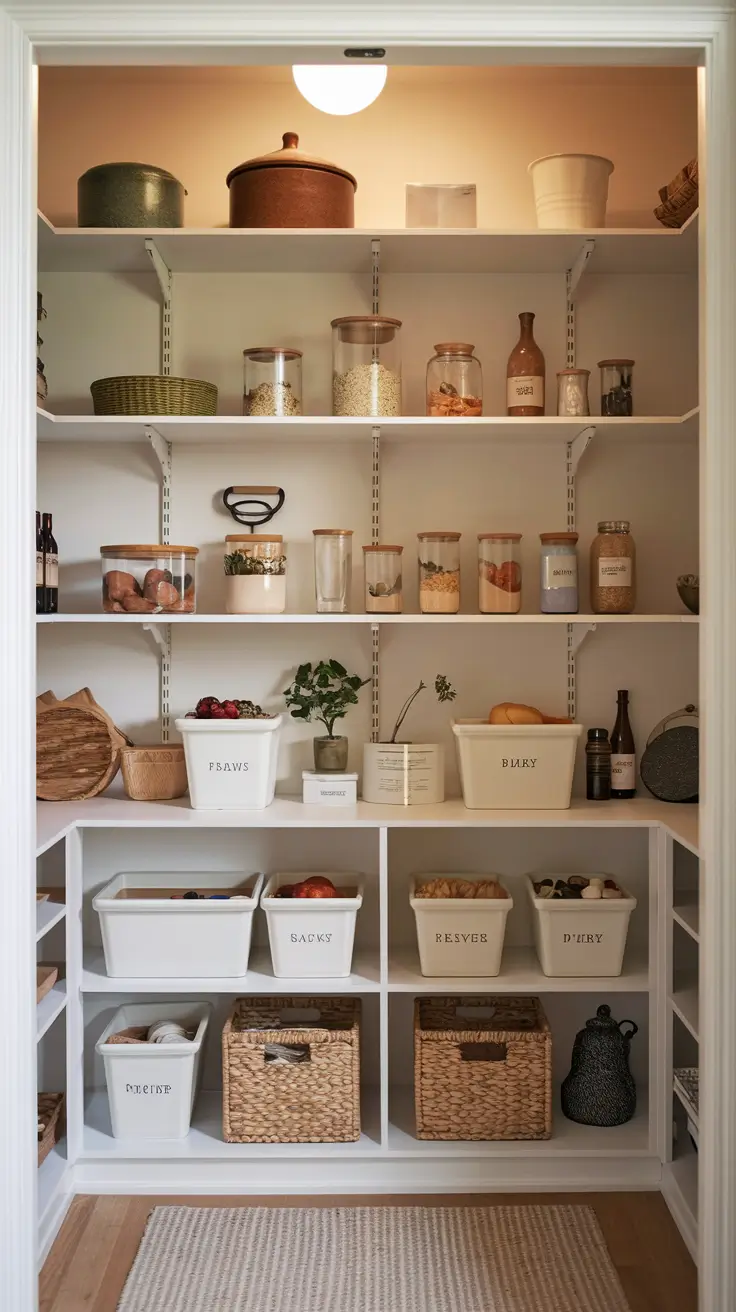
Every container holds a defined role in this clear and orderly framework, complemented by minimalist labels harmonizing with kitchen design. Adding texture through woven baskets or open wire bins brings warmth, preventing the space from feeling clinical.
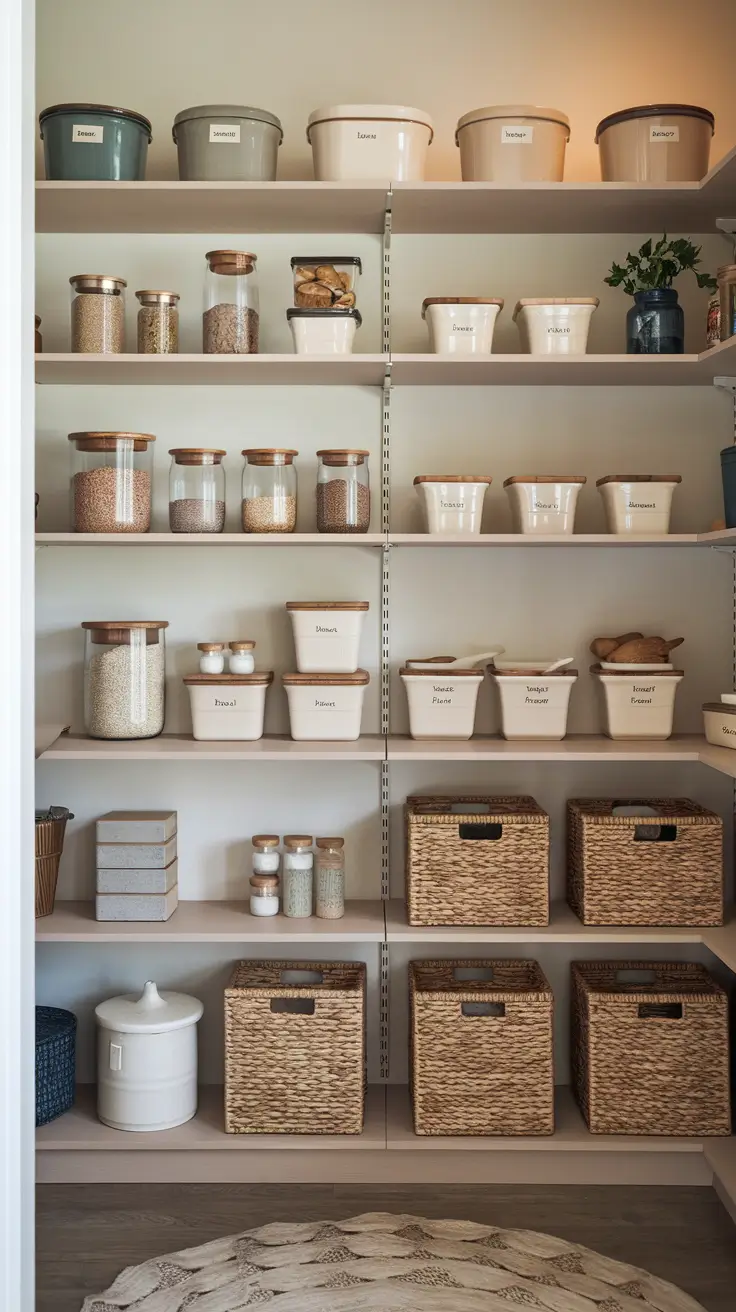
Designers like Shea McGee emphasize that a thoughtfully organized pantry inspires, rather than intimidates, offering a blend of beauty and function.
Discover stylish storage containers to enhance your pantry’s visual appeal and usability.
4. Leading Kitchen Organization Trends Embracing Sustainability and Simplicity
Current kitchen organization gravitates toward simplicity, eco-consciousness, and modular design. Open-concept kitchens often blend seamlessly with pantries, leveraging innovations like vertical storage walls, floating shelves, and retractable compartments.
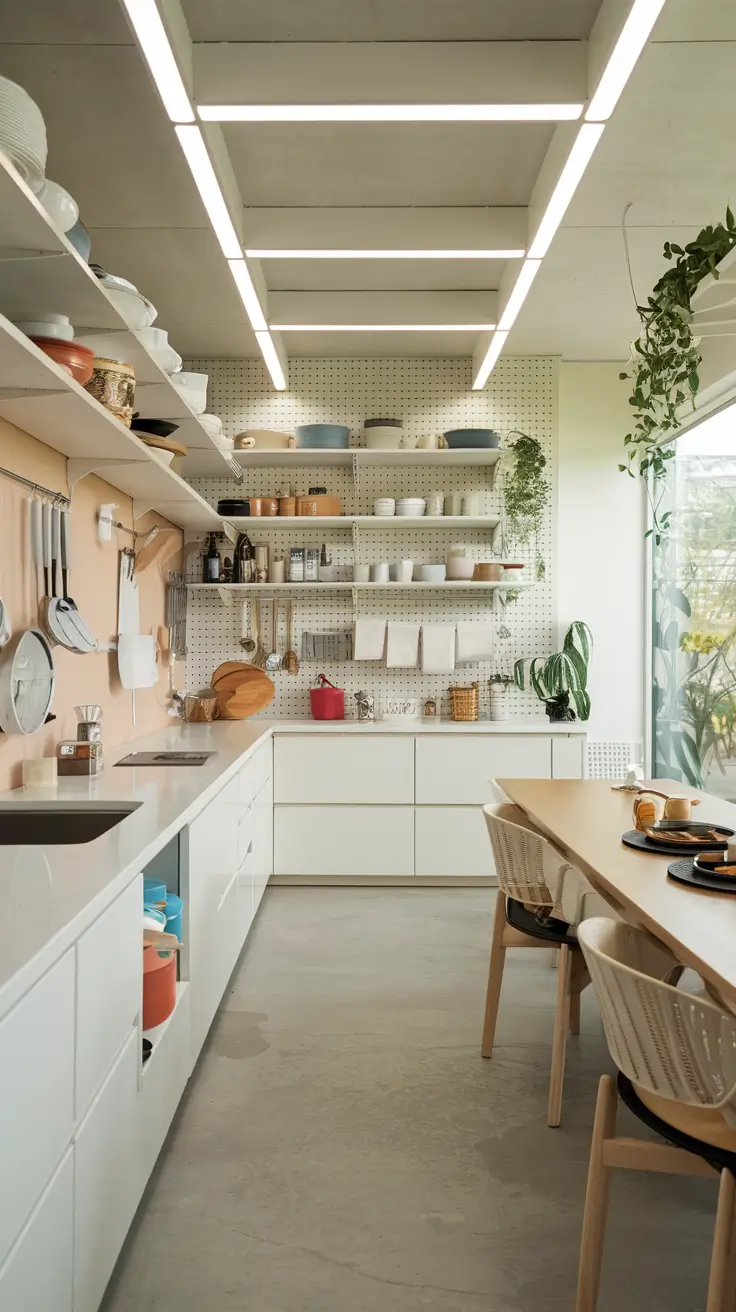
Modular shelving units provide flexibility, allowing easy expansion or contraction to meet shifting demands. Incorporating pull-out drawers and foldable racks further simplifies space adjustments, while cabinetry made from reclaimed or recycled wood echoes the commitment to sustainability.
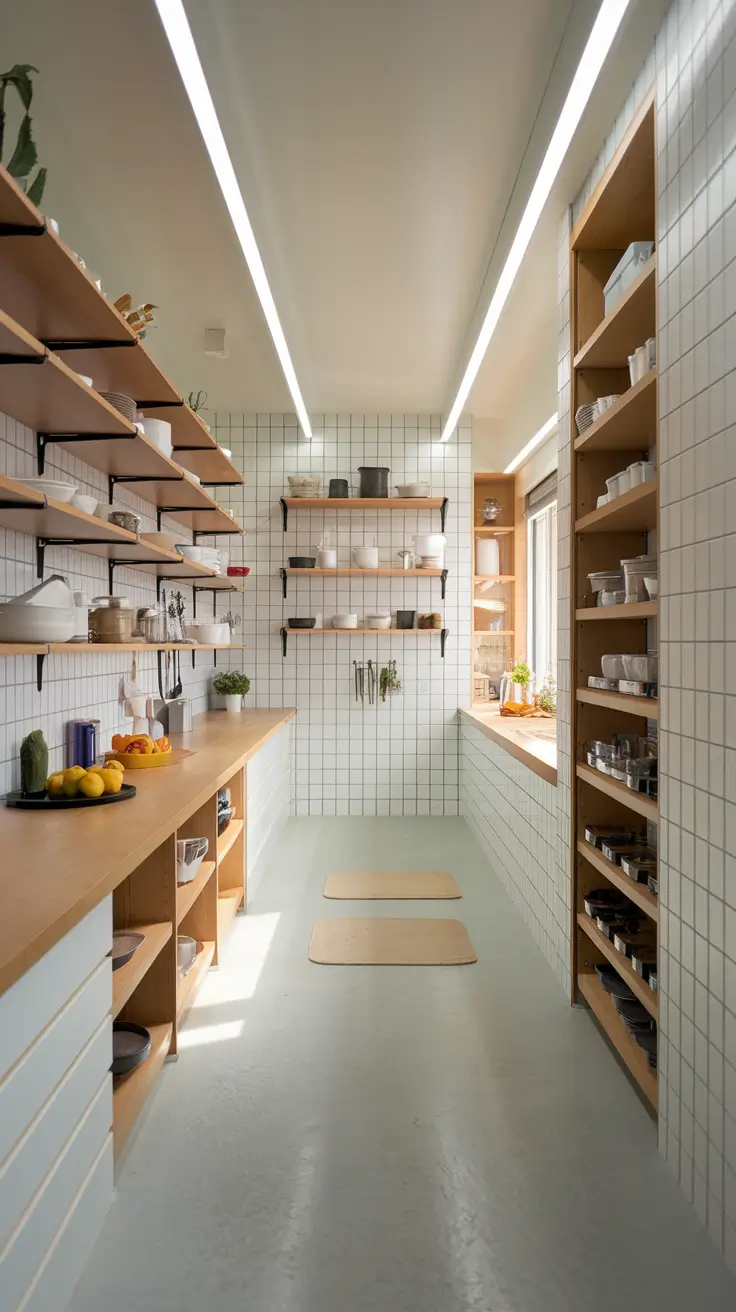
Leading interior specialists highlight that thoughtful, sustainable storage solutions are essential to creating mindful, lasting living spaces.
Enhance your eco-friendly kitchen with sustainable kitchen storage options that combine style and responsibility.
5. Do-It-Yourself Pantry Enhancements to Personalize Your Space
DIY pantry projects offer fantastic opportunities to personalize kitchens while optimizing storage efficiency. From wall-mounted spice racks to repurposed wooden crates and custom shelves crafted from reclaimed materials, these initiatives inject charm and practicality.
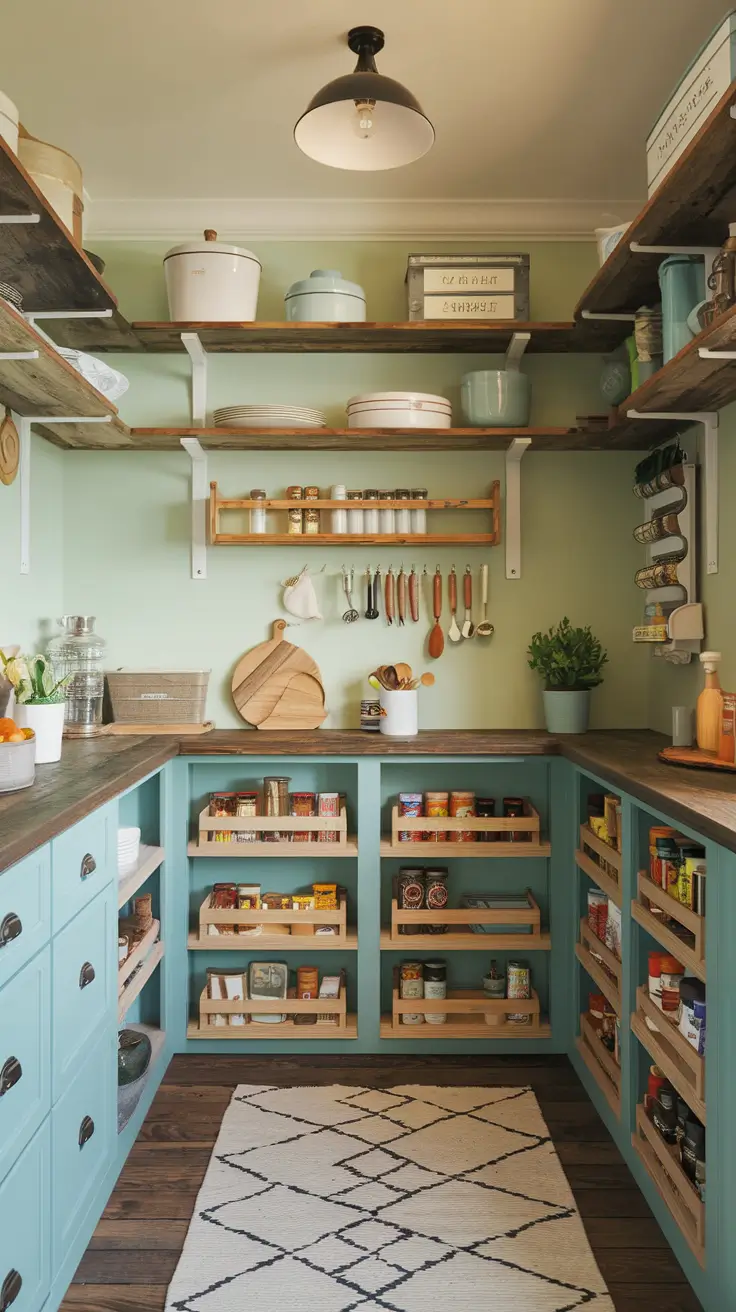
By combining practical design with creativity, such as adjustable brackets, painted soft-toned walls, and open shelves, these projects enhance usability and foster a cozy atmosphere.
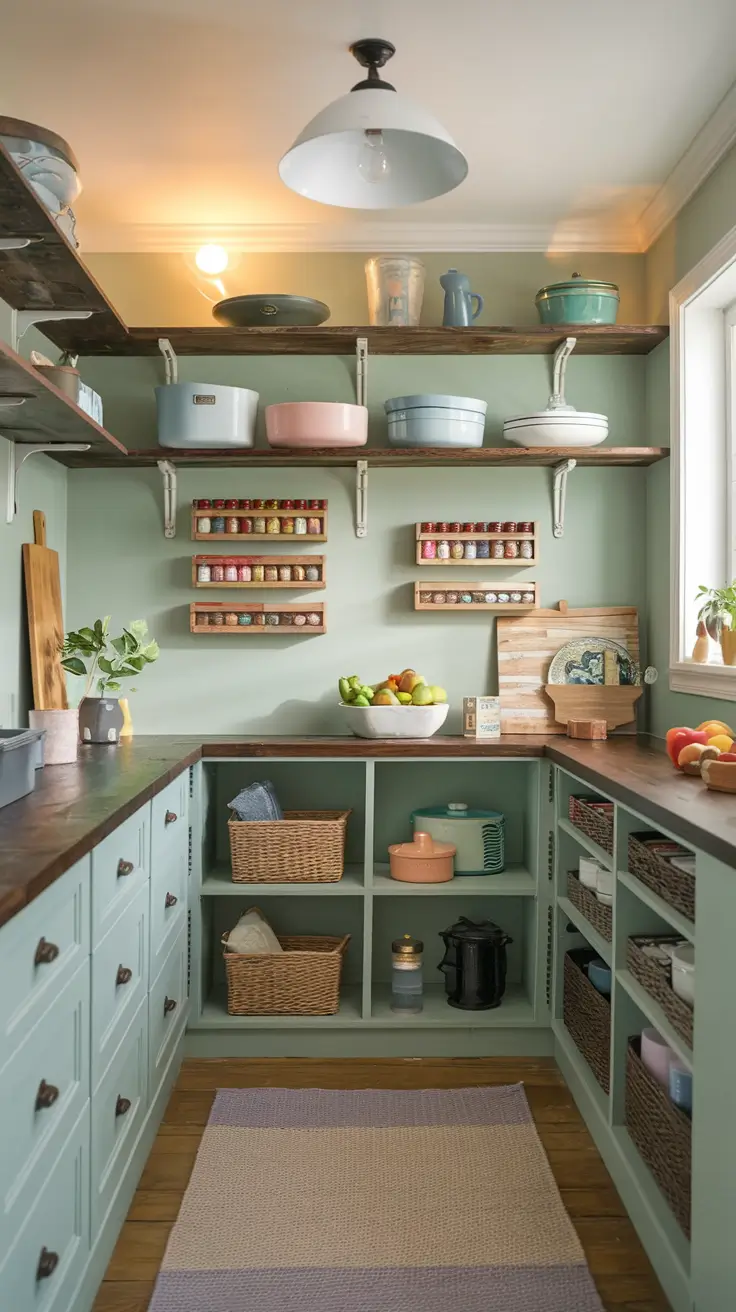
DIY pantries thrive in smaller areas and are perfect for those who enjoy hands-on work. Publications often highlight how these designs deliver both function and a heartfelt, personalized touch to the home.
Kickstart your pantry makeover with DIY essentials like DIY kitchen shelves and customizable storage units.
6. Community-Driven Pantry Designs That Foster Connection
Community food pantries embody more than storage—they nurture connection and generosity. Designing these spaces involves prioritizing accessibility and fluid distribution, utilizing open shelving, mobile carts, and clearly marked bins to help volunteers manage donations efficiently.
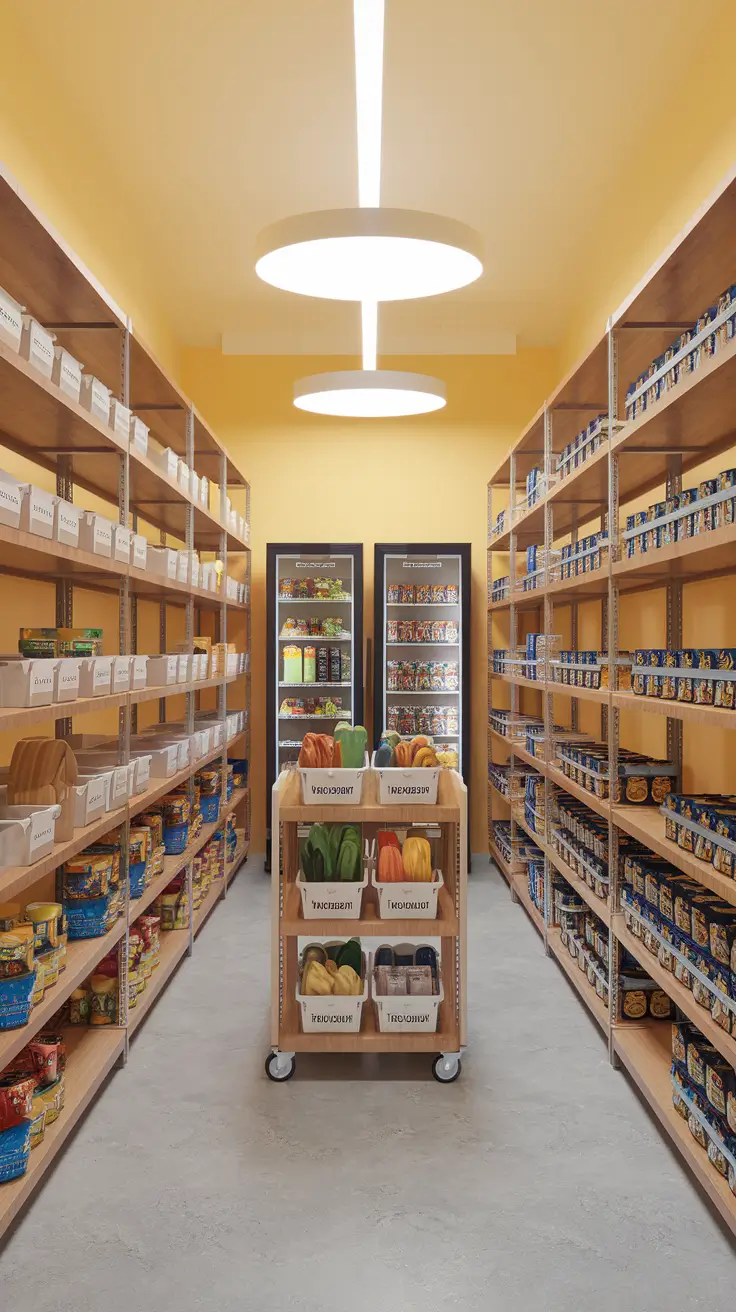
Practical details such as foldable tables for sorting, refrigerated cabinets for perishables, and lockable storage for personal items ensure security and ease of use. Ample aisle width and adjustable shelving make the spaces welcoming and inclusive.
These designs draw inspiration from movements like the Blessing Box, demonstrating that beautifully organized spaces amplify the impact of community initiatives.
7. Functional and Compassionate Church Pantry Layouts
Church pantries are crafted with community support and faith at their core. Warm lighting, wooden furnishings, and clearly labeled donation zones create an uplifting, orderly atmosphere.
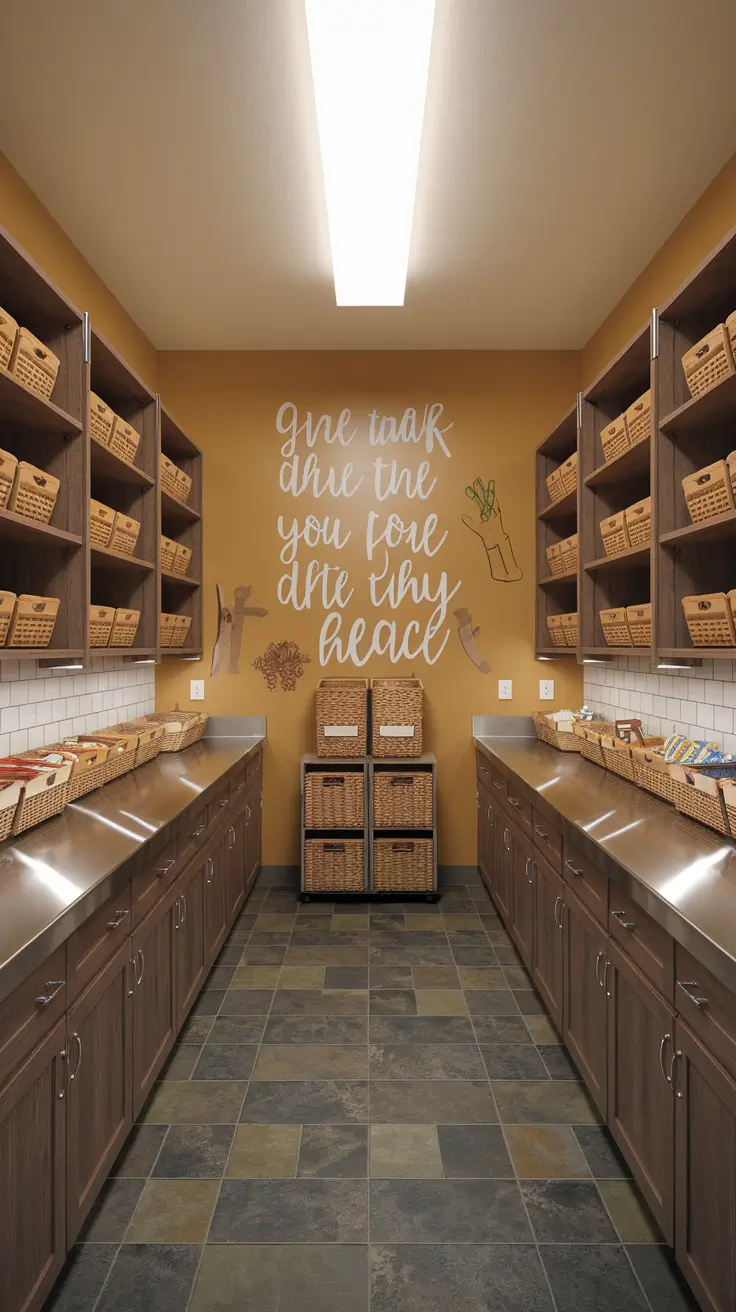
The flow typically comprises receiving areas, storage rooms, and distribution zones. Durable stainless steel counters and easily accessible containers support busy volunteer operations. Clear signage and logical layouts promote smooth traffic and ease.
The goal is to blend practicality with care, reinforcing the outreach mission through thoughtful design.
8. Space-Savvy Pantry Solutions for Compact Kitchens
In tight kitchens, every inch counts. I map all potential storage nooks—from walls and corners to small closets—transforming them into efficient, uncluttered zones. Open layouts with layered vertical storage keep essentials within reach.
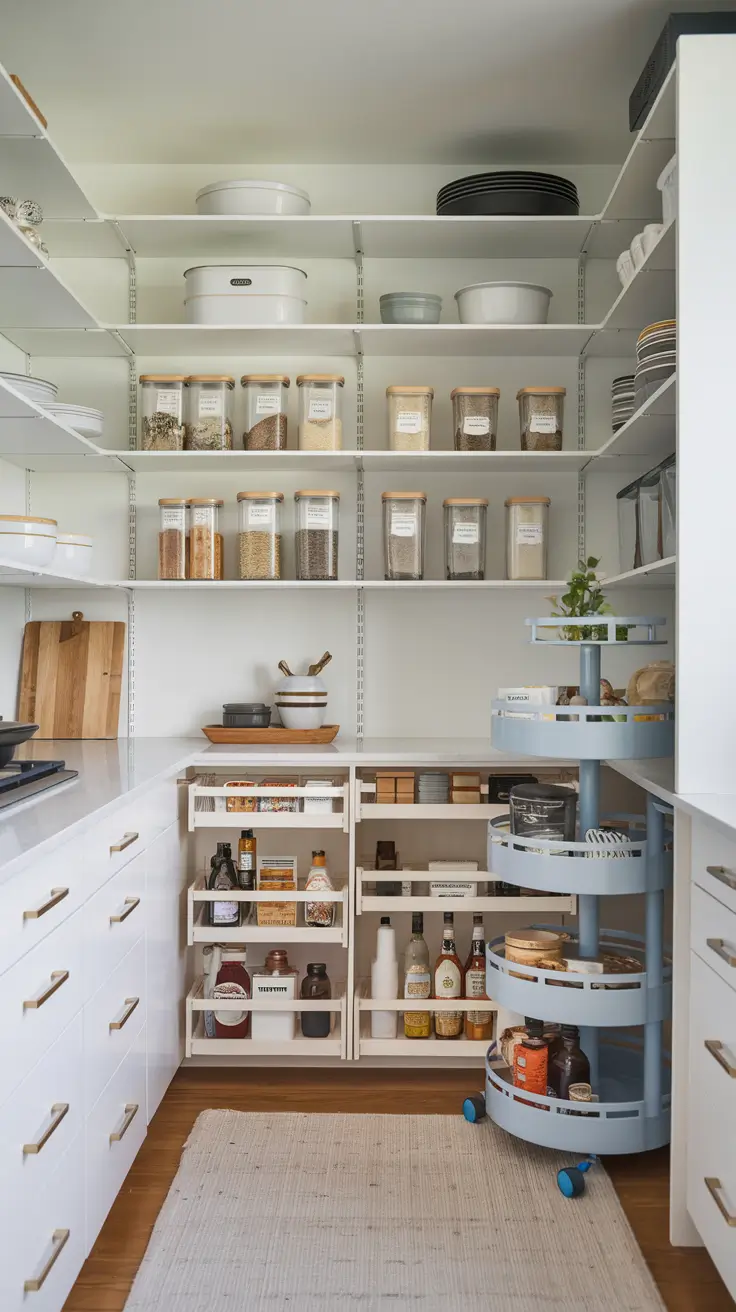
I often introduce slim rolling carts to fit between appliances, corner carousels to tackle awkward spaces, and shallow racks on doors for spices and snacks. Uniform labeled storage containers help keep the inventory visible and manageable.
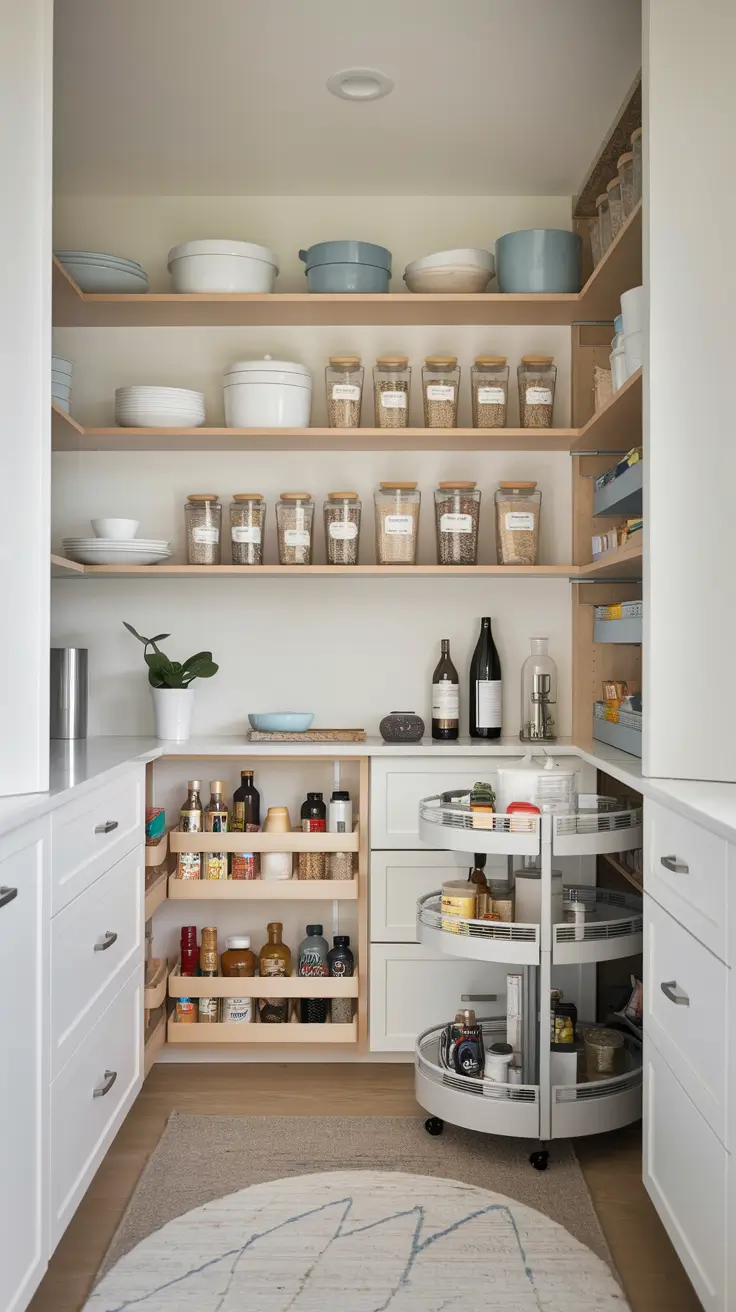
Smart additions include motion-sensor lighting inside closets and dedicated donation bins to maintain community support within limited space.
9. Optimal Walk-In Pantry Layouts for Efficiency and Comfort
When designing spacious walk-in pantries, I utilize U or L-shaped plans that create efficient work triangles for smooth stocking, prepping, and cleaning. Wide aisles accommodate mobile bins, while heavy or bulk items reside on low shelves; everyday essentials sit between eye and counter height for quick access.
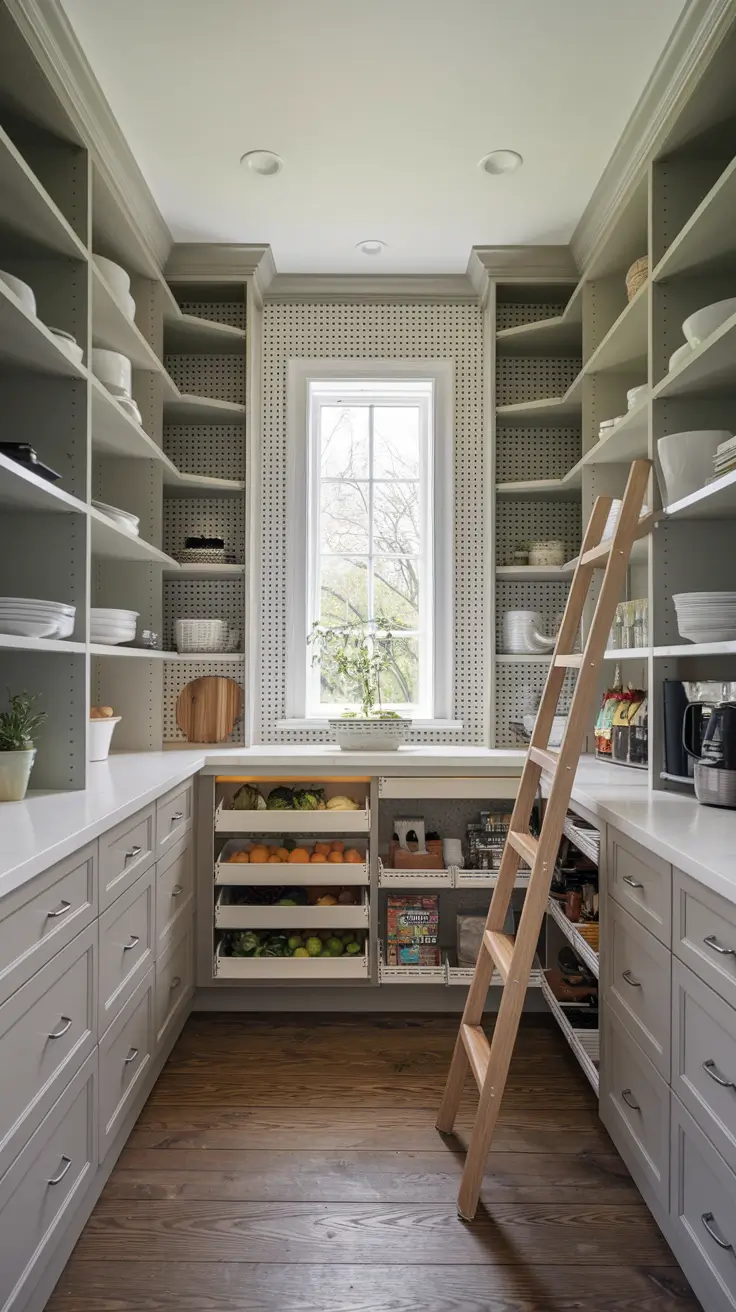
Special features include ventilated drawers for root vegetables, pegboard walls for utensils, dedicated prep counters with task lighting, and overhead shelving for seasonal goods accessible by ladders or step stools.
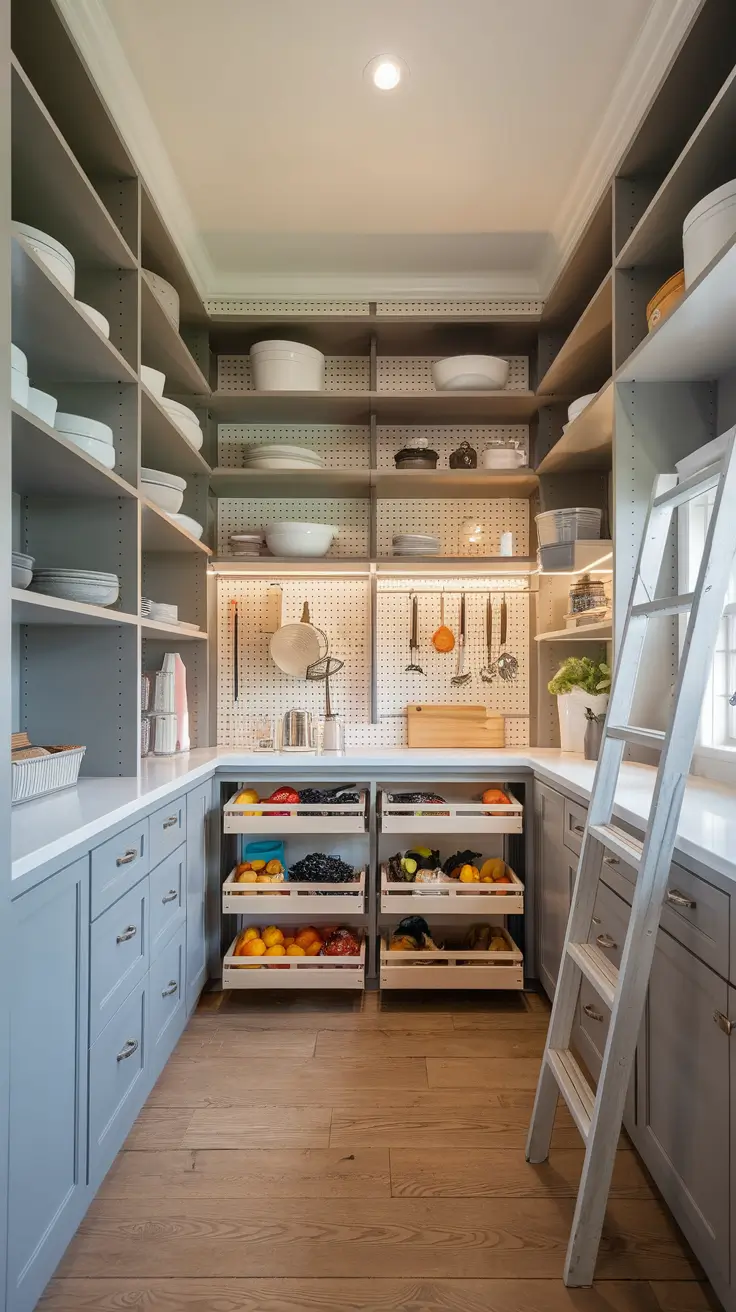
Transparent storage maximizes visual clarity, while durable finishes withstand daily use—ensuring the pantry remains organized and inviting.
10. Kid-Friendly Pantries That Promote Healthy Independence
Creating a pantry for children means designing lower, accessible zones filled with nutritious snack options in clearly labeled, kid-safe containers. Rounded edges, soft-close hardware, and warm colors foster a safe and welcoming environment.
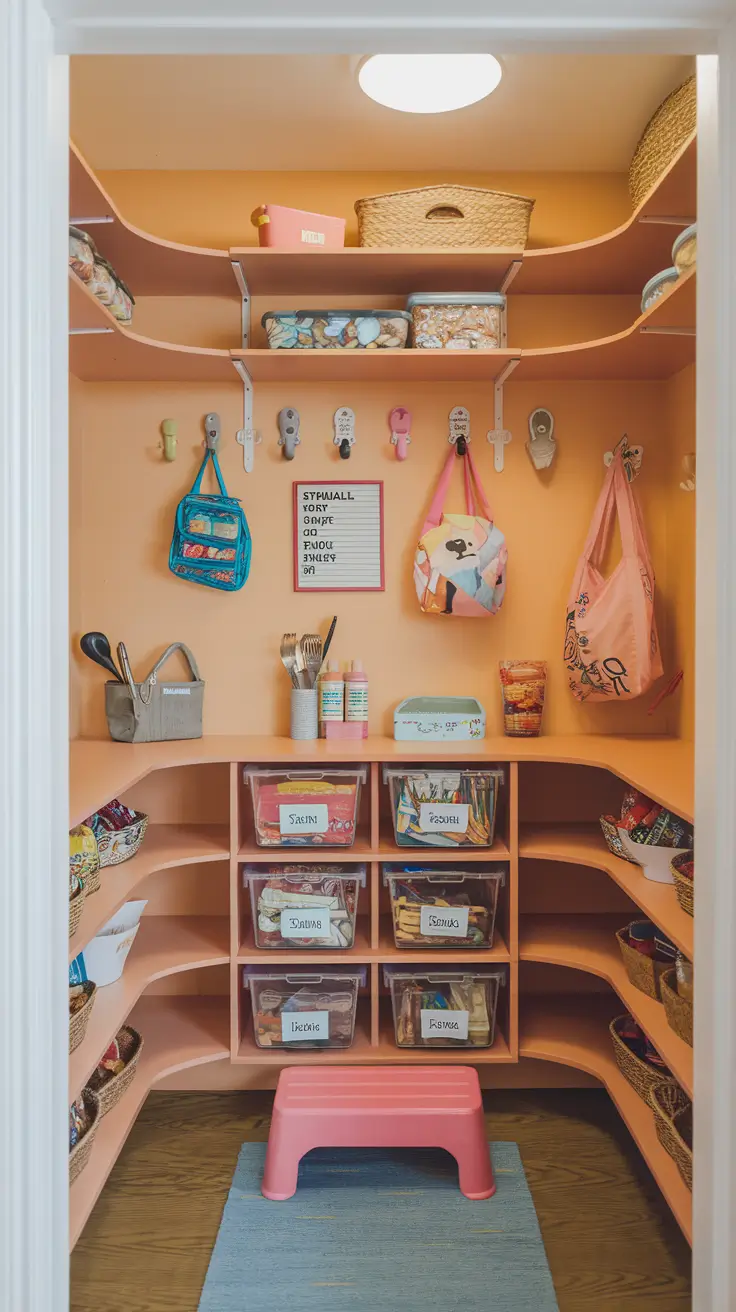
Features include lightweight fruit baskets, cereal dispensers easy to operate, pull-out drink boxes, hooks for lunch sacks, and magnetic boards outlining snack guidelines and weekly menus to encourage structured choice-making.
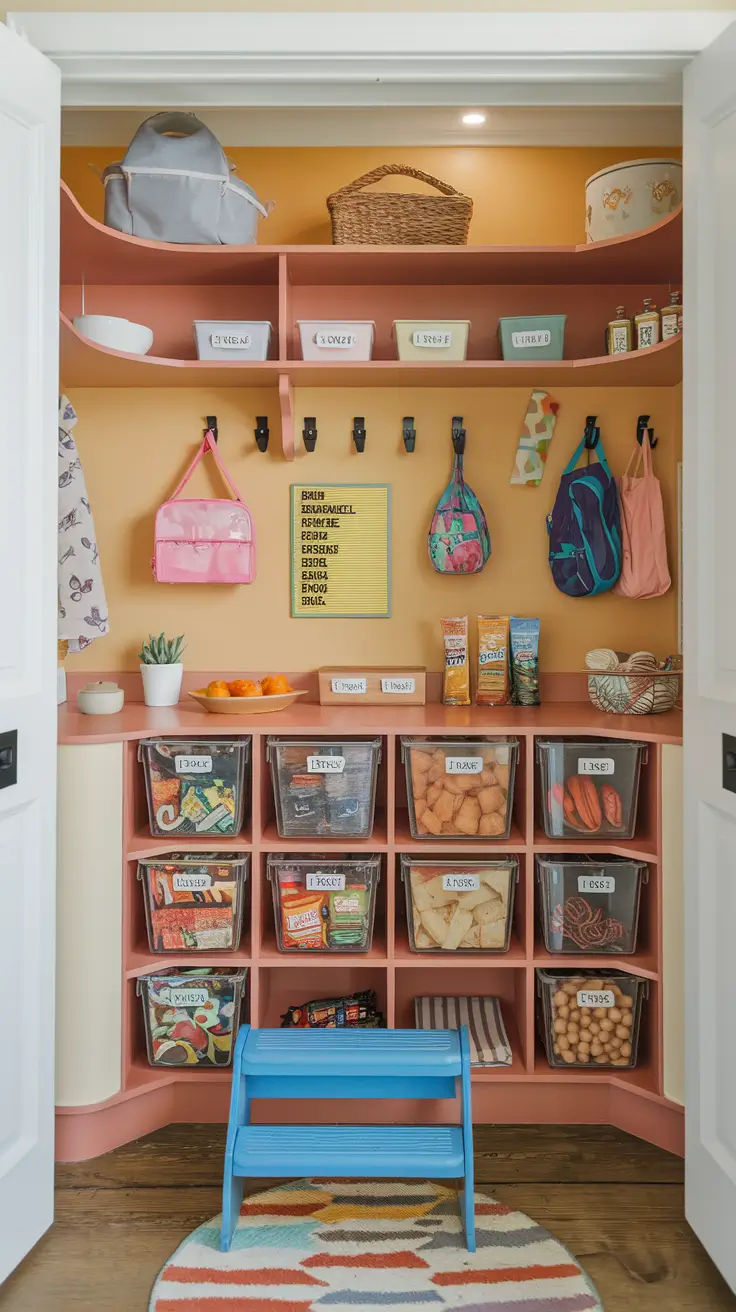
Families benefit when children gain autonomy in a curated environment, reducing decision fatigue with limited but thoughtful selections tailored to promote healthy habits.
11. Creative Food Storage Alternatives for Pantries Without Cabinets
When a traditional pantry cabinet isn’t available, I design distributed storage systems integrated seamlessly into the kitchen. Utilizing every vertical surface through open shelving, toe-kick drawers, and ceiling-mounted racks helps maintain an airy feel.
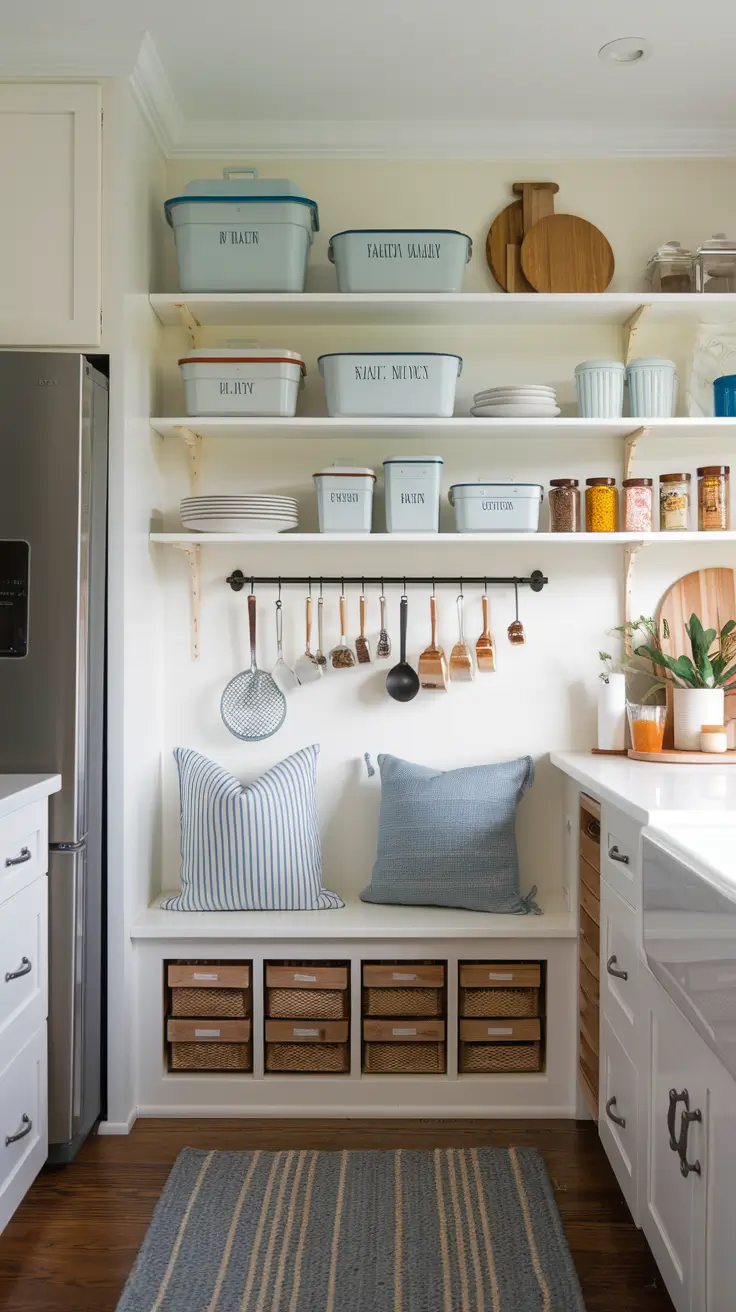
Adjustable tall armoires with spice rails and deep drawers complement overhead cabinets above the fridge for infrequently used items. Bench seating with hidden storage bins adds charm and utility.
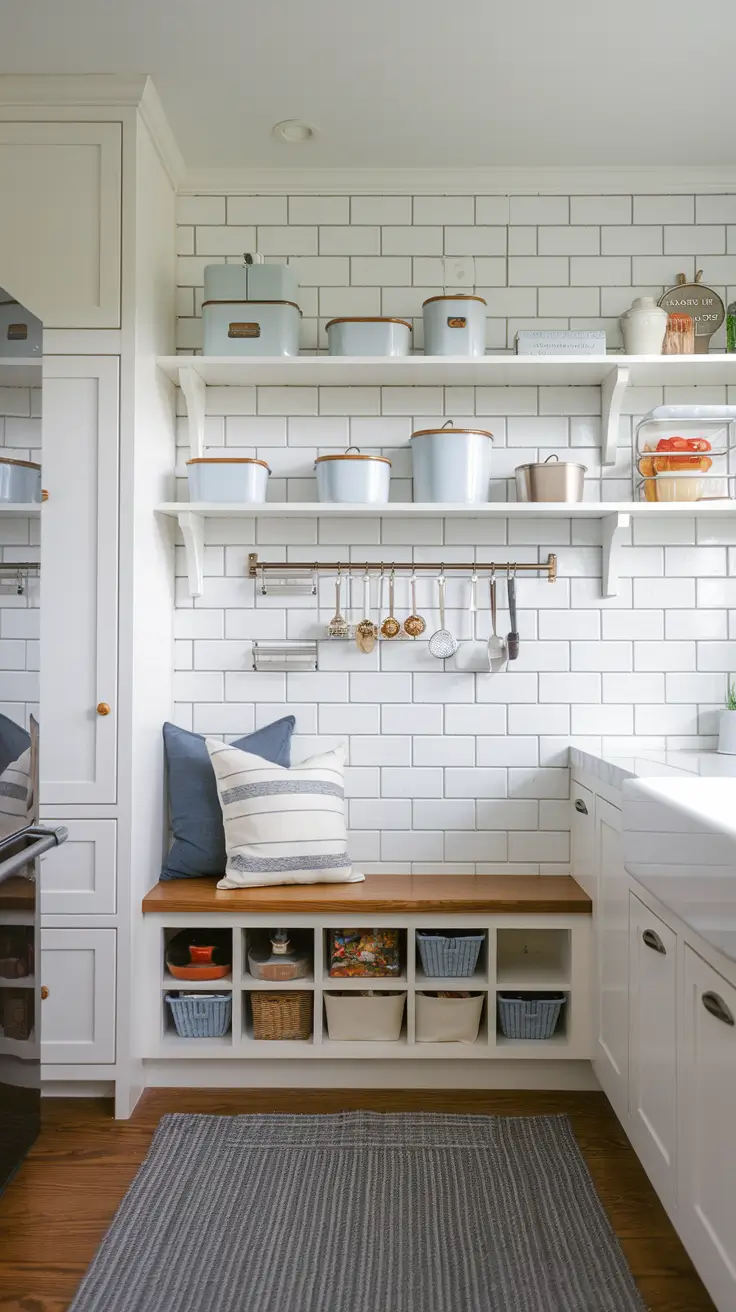
Consistent labeling and matching containers create a cohesive, peaceful visual rhythm that feels as orderly as a built-in pantry, despite the absence of a dedicated cabinet.
Check out versatile kitchen storage solutions ideal for homes without traditional pantry spaces.
12. Compact Pantry Storage Strategies for Small Footprints
Compact storage requires vertical thinking and versatile modules that can be relocated between spaces like the kitchen and basement without structural modifications. Lightweight, modern units prevent cramped feelings common with bulky furniture.
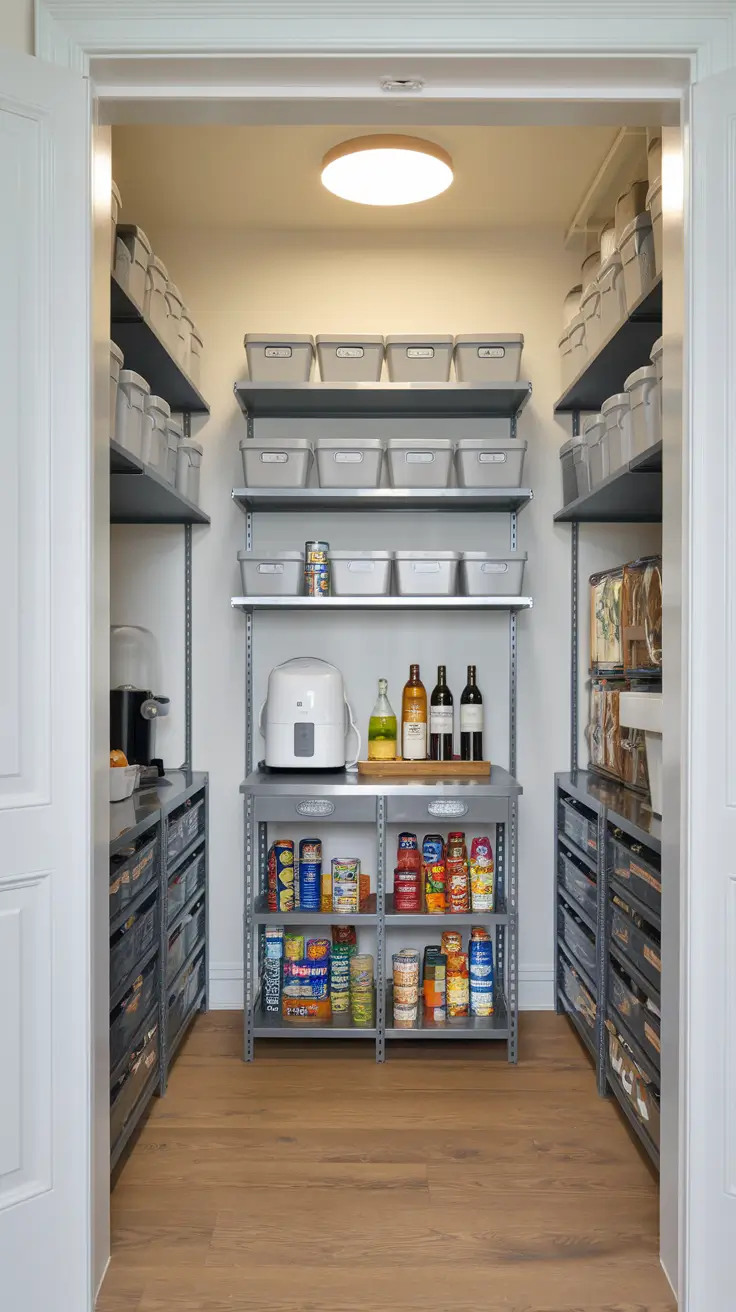
Incorporating stackable bins, can risers, clear drawers, and powder-coated steel shelving with adjustable feet provides stable and breathable storage. Mini dehumidifiers safeguard dryness while mobile dollies tackle bulk items.
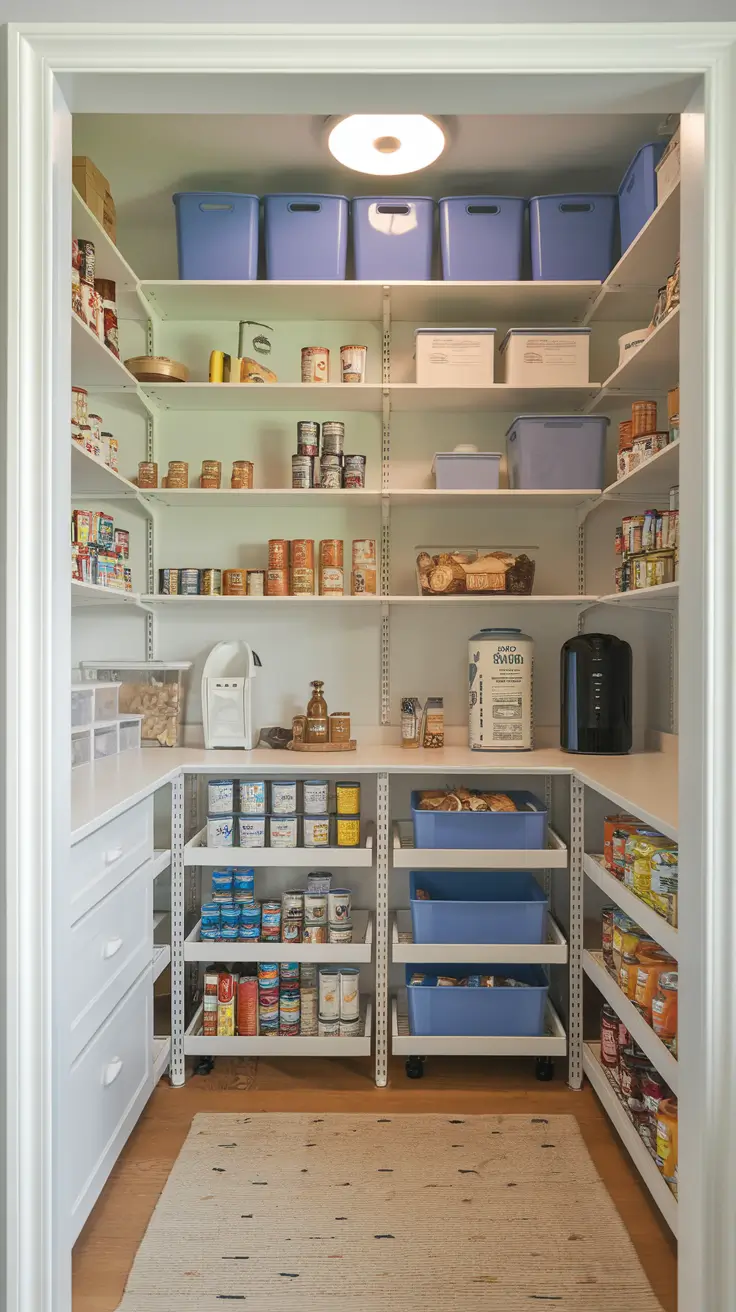
Regular inventory checks combined with color-coded QR labels help avoid excess purchases, promote rotation, and support local food giveaways, ensuring an efficient and clutter-free pantry.
13. Customized Pantry Shelving Tailored to Your Home’s Layout
Rather than reshaping the space around generic cabinetry, I create shelving tailored precisely to existing architectural features. Combining shallow wall shelves for everyday items with deeper cubbies for bulk storage creates balance. Open shelving boosts visibility and minimizes excessive clutter.
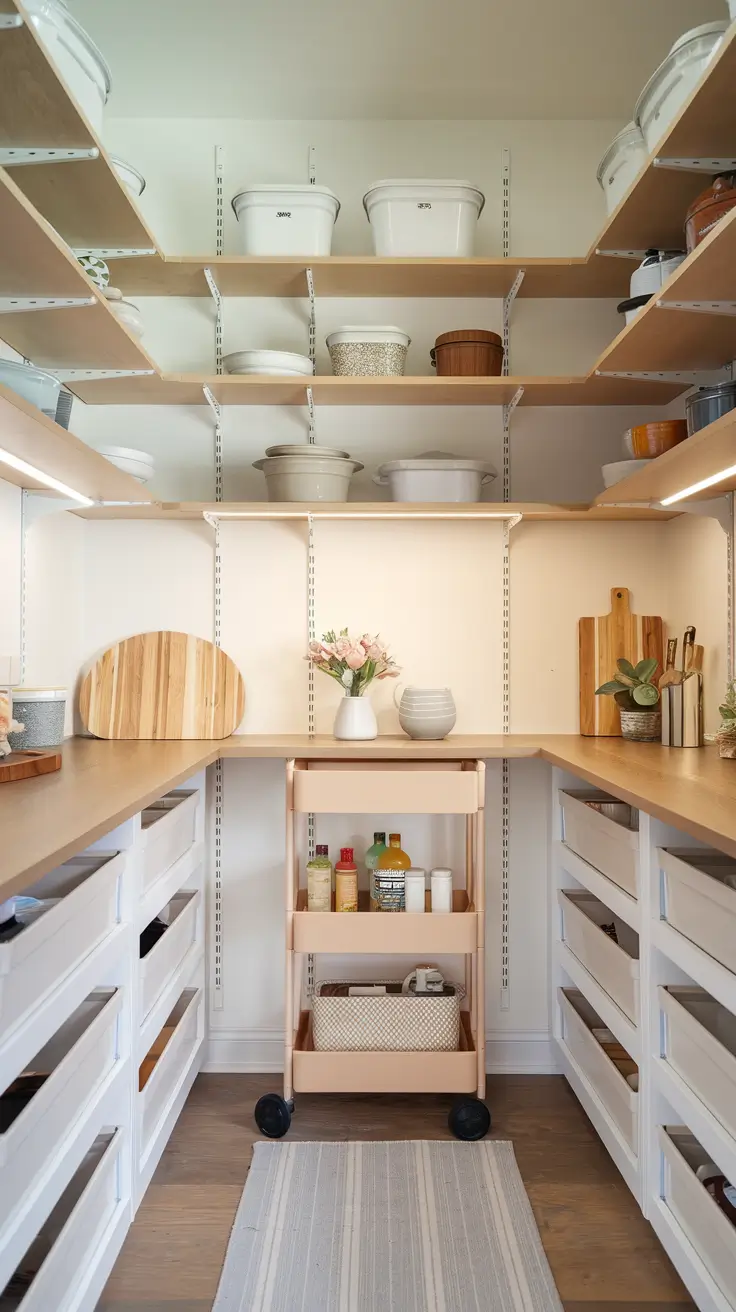
Adjustable metal brackets paired with timber shelves and varied container sizes accommodate diverse needs. Elevated toe kicks prevent spills and add elegance. Special features like corner units and vertical dividers keep baking sheets and trays neatly arranged.
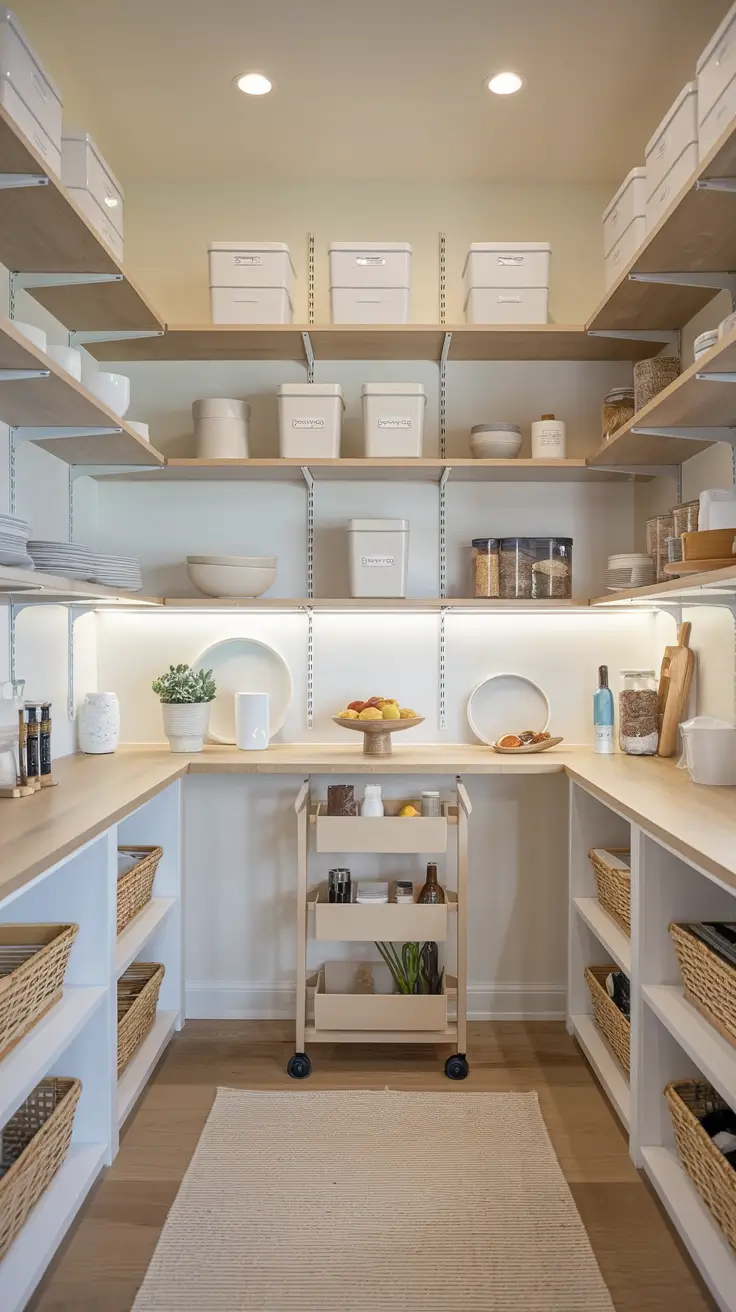
Organizing by visual zones—breakfast items mid-level, dinner staples at eye height, and children’s snacks low—helps streamline daily routines and keeps the pantry welcoming and functional.
14. Basement Pantry Concepts for Robust, Long-Term Storage
Basement pantries prioritize durability, airflow, and protection against moisture and floods. I favor U-shaped configurations with heavy-duty steel shelving offering deep, boltless design for flexibility.
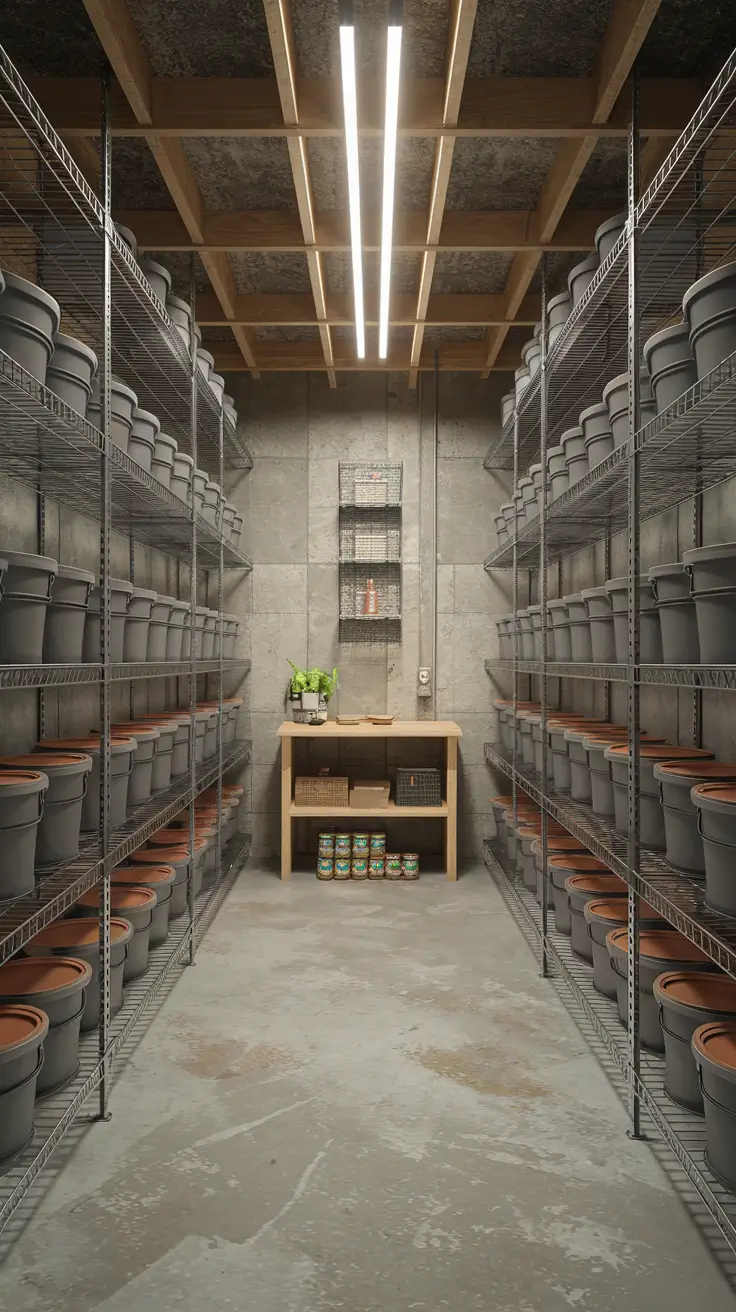
Shelves are raised above the floor to prevent moisture damage, coupled with temperature and humidity monitoring. Airtight buckets and wire racks enhance preservation.
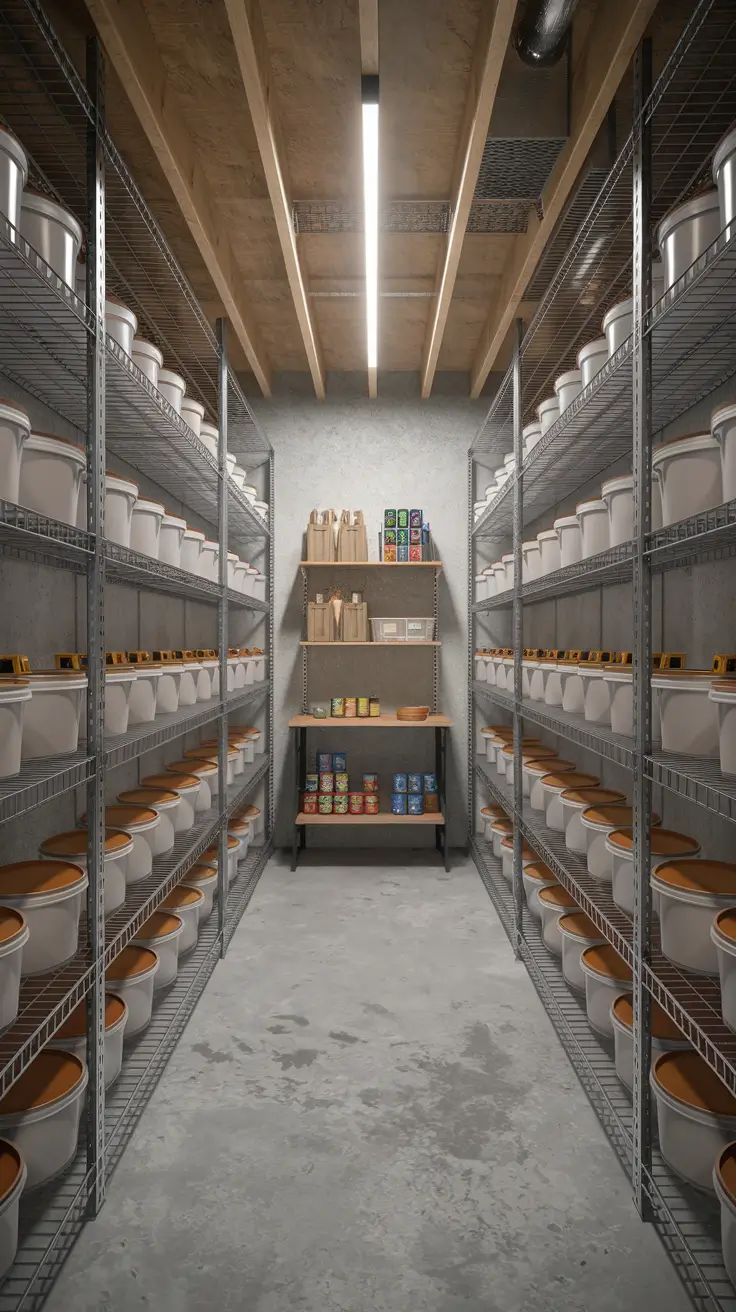
Efficient inventory systems, ample lighting with 4000K LEDs, and resilient epoxy floors ensure the pantry remains practical for long-term food storage, aligning with emergency preparedness recommendations.
15. Balanced Pantry Stocking for Nutritious Meal Prep
Organizing a well-rounded pantry starts with dedicated zones for proteins, grains, produce, sauces, and snacks. I maintain a neutral color scheme with uniform containers to foster calm and clarity, punctuated by a lively, designated “grab-and-go” section.
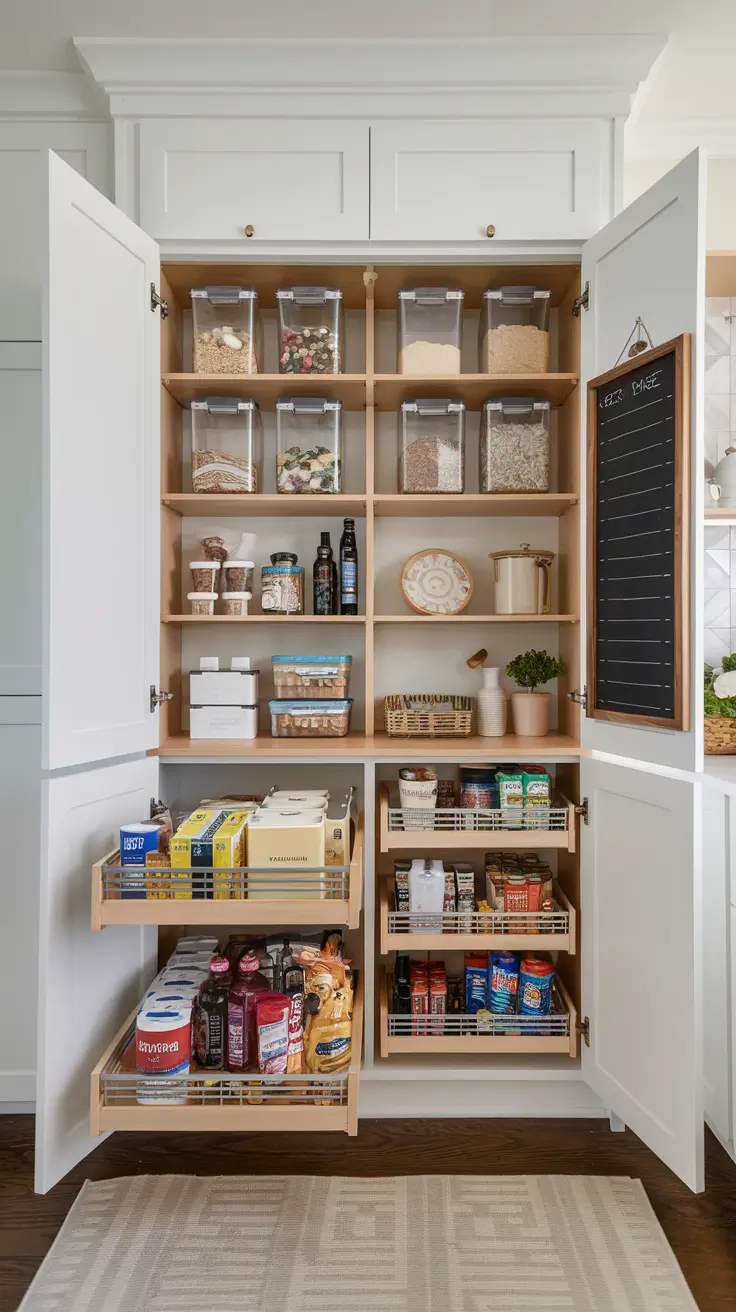
Transparent square canisters hold staples, tiered risers showcase cans, and slim baskets corral packets. A chalk or dry erase board on the door offers a handy place for running lists.
By basing meal plans on pantry staples like beans, rice, canned fish, pasta, and tomatoes, I help clients control grocery budgets while keeping their storage orderly. Rotating seasonal herbs, spices, and core sauces supports quick meal execution throughout the week.
16. The Blessing Box: A Community Pantry that Gives Back
A Blessing Box serves as an accessible outdoor pantry where neighbors share food freely. Placement near well-trafficked paths with good lighting and clear sightlines maximizes usability. These weatherproof boxes feature rain-shedding roofs and unzip side walls for full interior visibility.
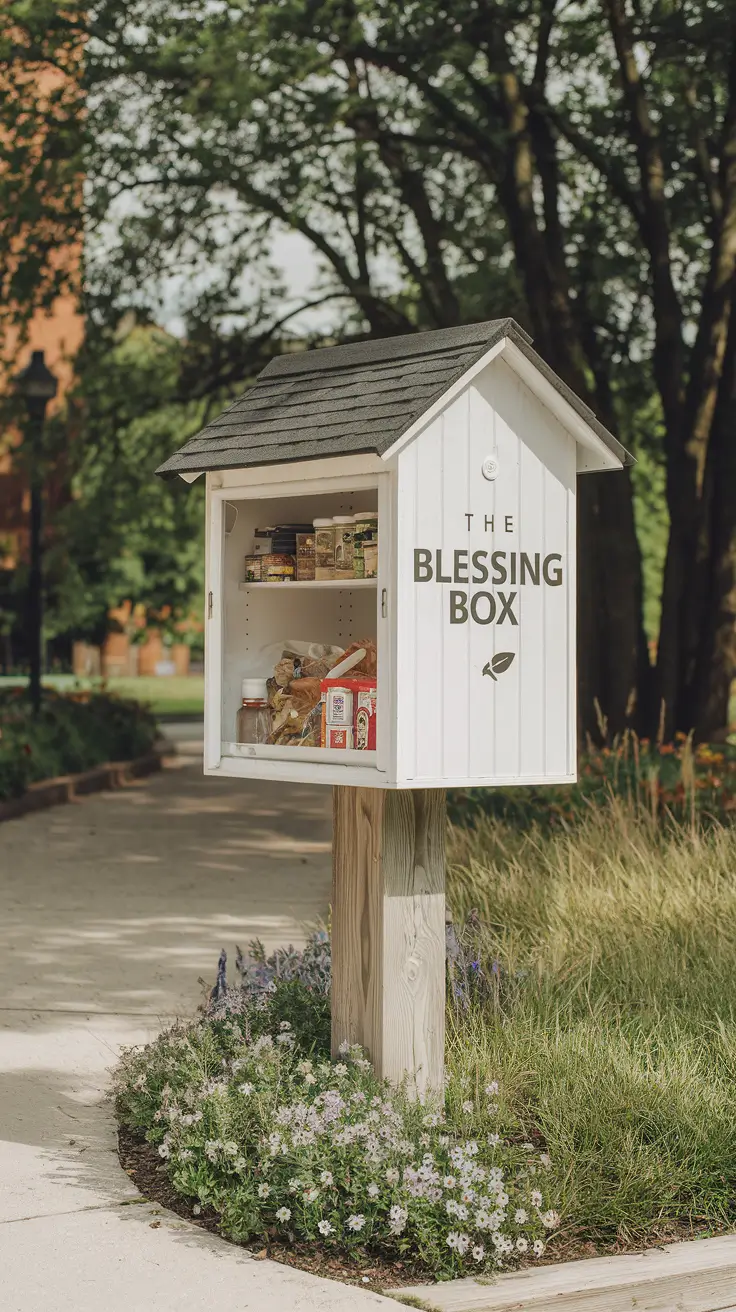
Spacious compartments separate shelf-stable foods and hygiene products, with adjustable shelves and wipe-clean liners. A secure lower box holds overflow donations, while clear instructions and a litter bag encourage respect and order.
Community partnerships and digital tools like QR codes for donation tracking enhance the ecosystem, ensuring continual engagement and transparency.
17. Virtual Pantry Planning: Bloxburg and Beyond
Planning a pantry virtually, such as through Bloxburg designs, offers invaluable foresight for real-world implementation. I envision clean, open walk-in rooms with categorized bins, oak shelving, and subtle lighting zones before any physical build.
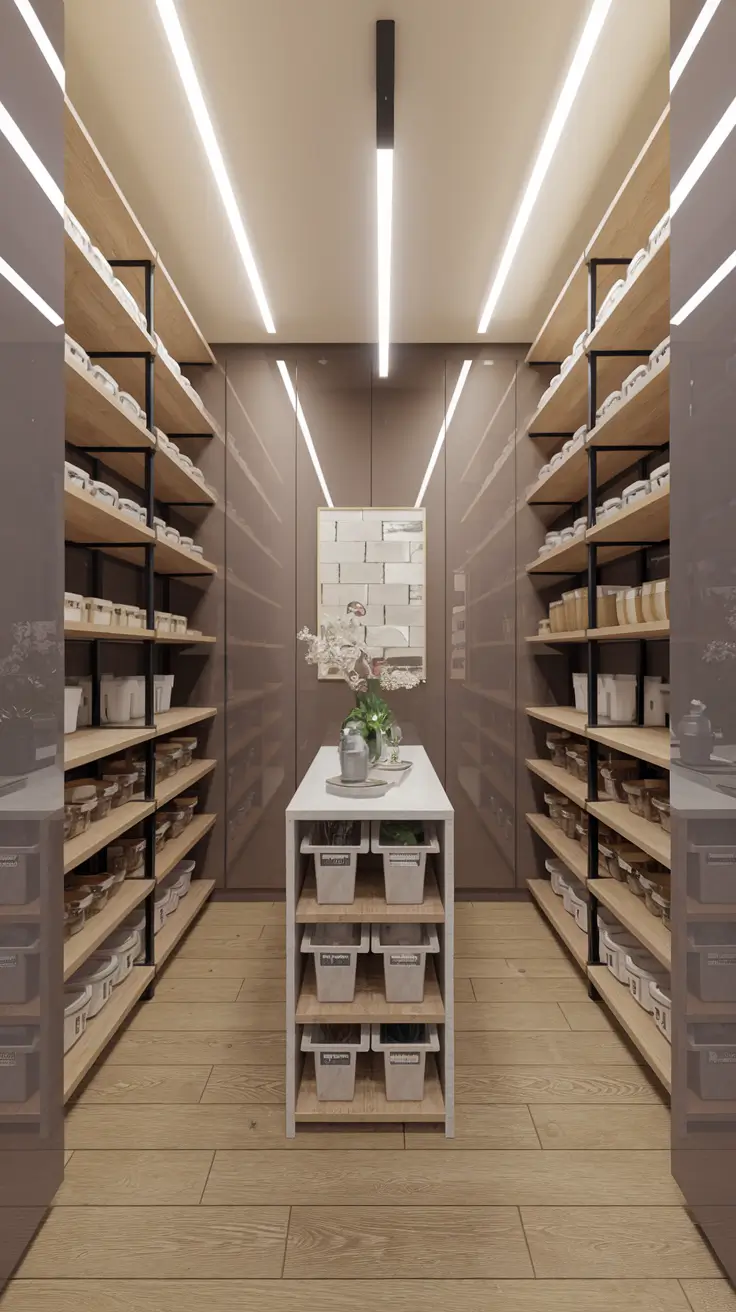
Glossy cabinet fronts paired with matte black handles and integrated strip lighting create a modern vibe. Virtual layouts help finalize zones for breakfast, baking, and snacks, leading to efficient, personalized builds with fewer costly trial-and-error adjustments.
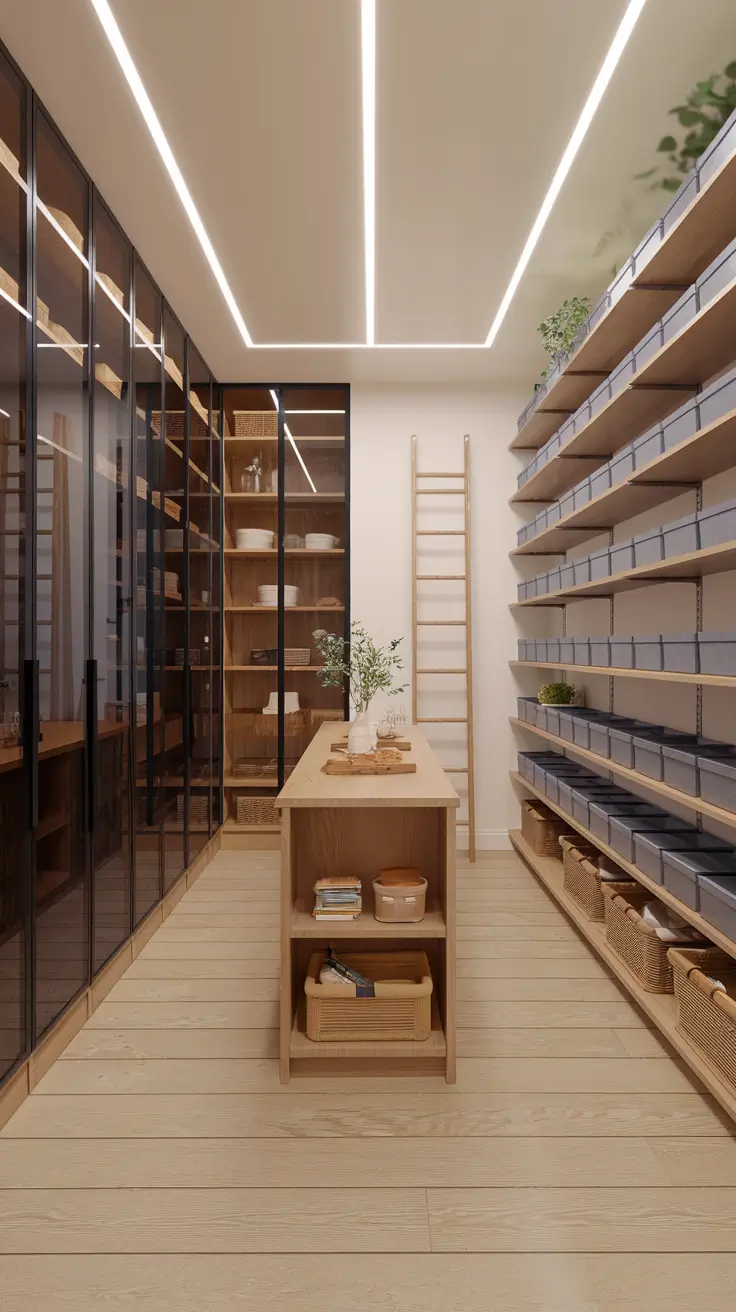
Sharing digital plans with contractors streamlines execution and material selection for a smooth transformation.
18. Festive Pantry Touches to Celebrate the Holidays
Bringing holiday spirit into the pantry involves subtle seasonal decor without compromising storage efficiency. I suggest adding a slim decorative tree or garland at the entrance and swapping label colors to holiday hues while keeping organizational categories intact.
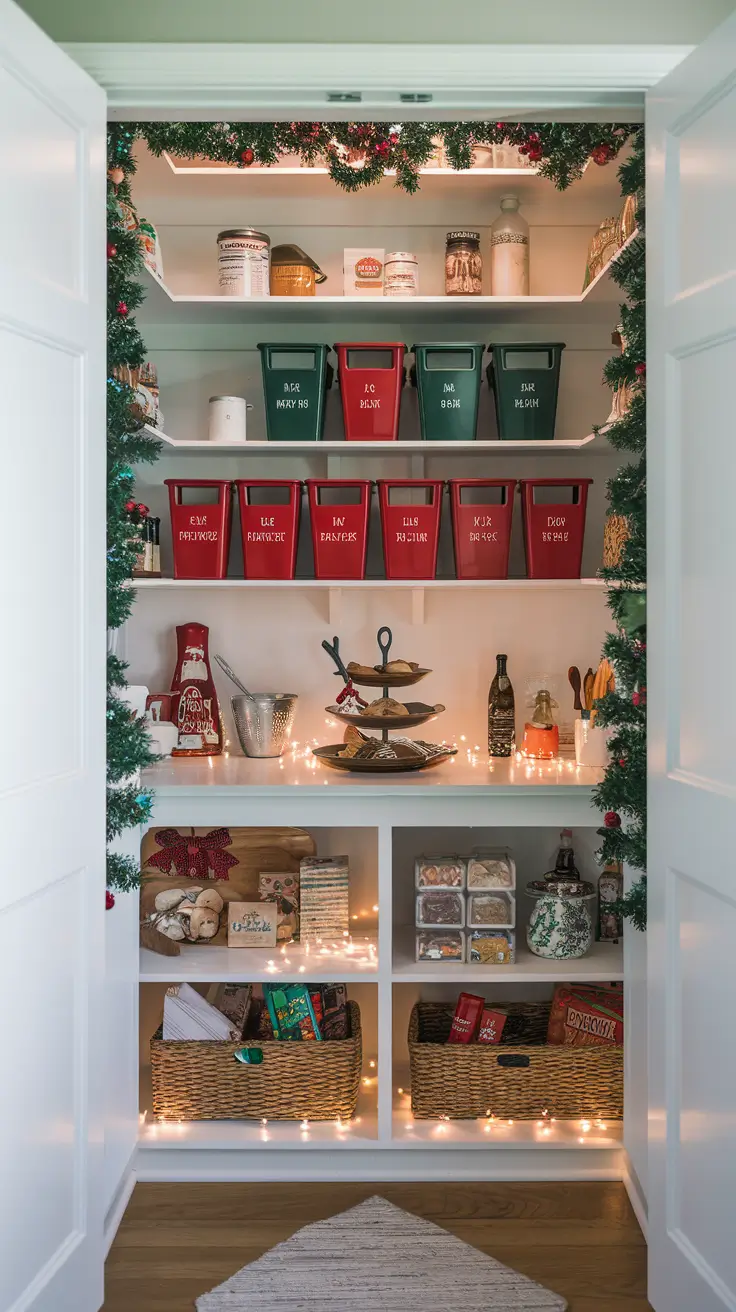
A dedicated seasonals shelf holds festive baking supplies, cocoa mixes, and spices. Battery-powered shelf lighting adds ambiance without heat risk, complemented by wreaths and holiday-themed label tags.
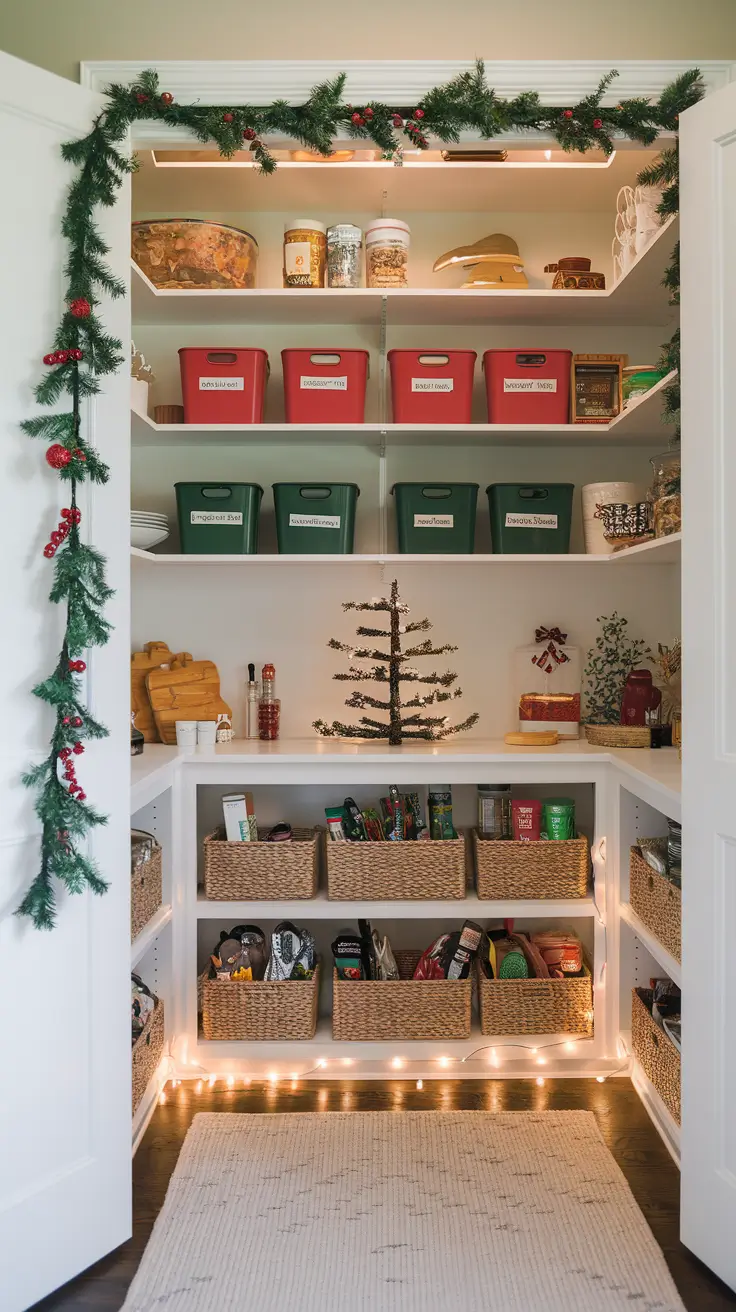
Organize baking kits early for family traditions, grouping seasonal items post-holiday to maintain everyday pantry flow.
19. Church Pantry Operations Designed for Outreach Efficiency
Church pantries thrive with welcoming, user-centric layouts featuring wide aisles, clear signs, and check-in stations near entrances. Volunteer workflows likely center on rear storage, donation sorting, and smart inventory management.
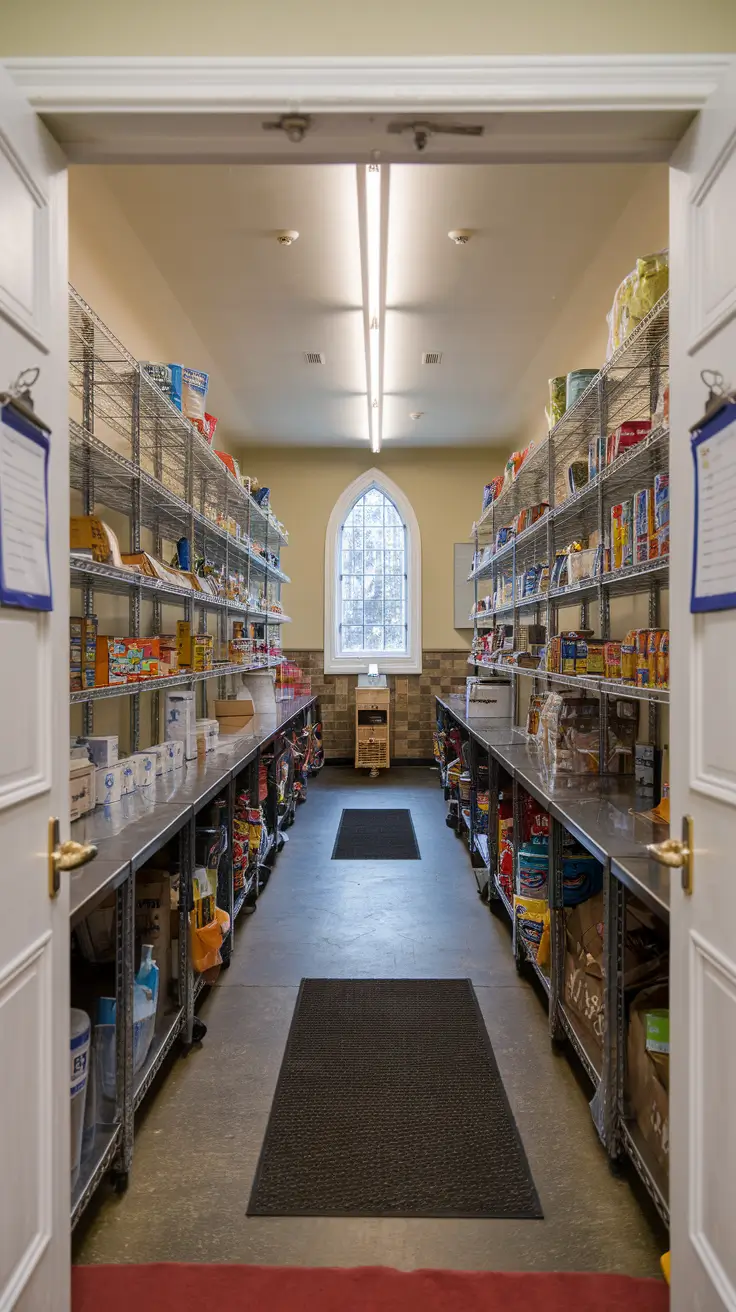
Durable wire racks, mobile carts, folding tables, and multilingual signage streamline sorting and distribution. Inventories are tracked with clipboards, and refrigeration avoids direct sunlight to maintain freshness.
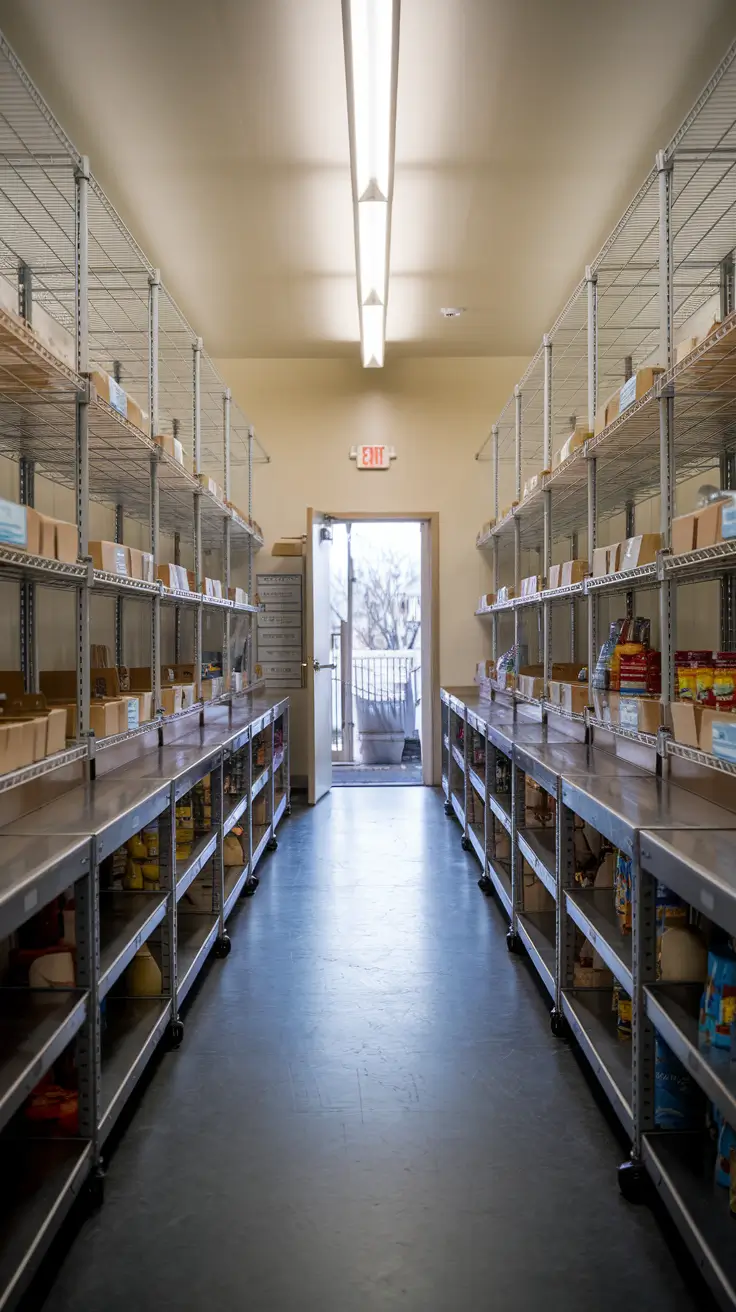
Inclusive areas for families, such as kid-friendly zones and private consultation spaces, nurture dignity and support outreach goals.
20. Designing Community Pantries That Drive Local Impact
Community pantries function as dignified mini-markets where residents select necessities in a respectful, organized setting. Easy access, sufficiently wide aisles, and intuitive signage create confidence for newcomers.
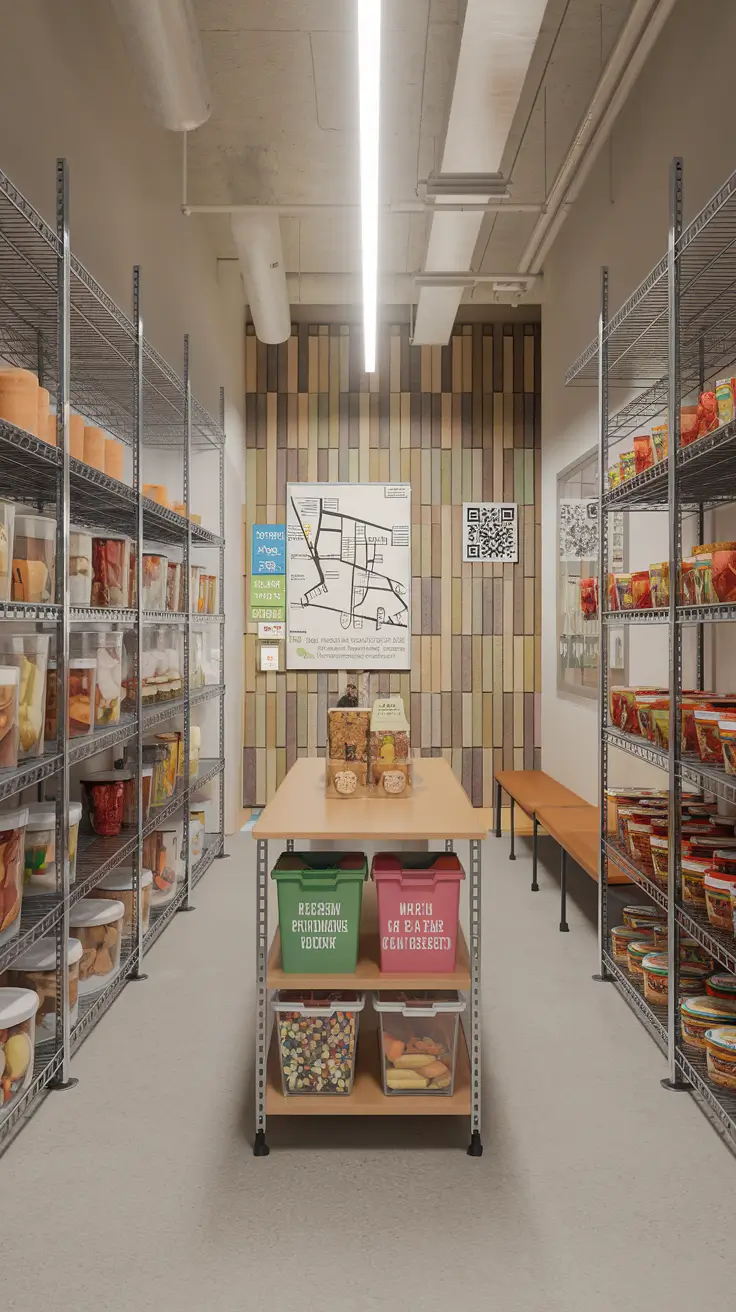
Categories like grains, produce, protein, and hygiene are clearly marked. Floor stock is systematically arranged to minimize volunteer travel and maintain flow during peak times.
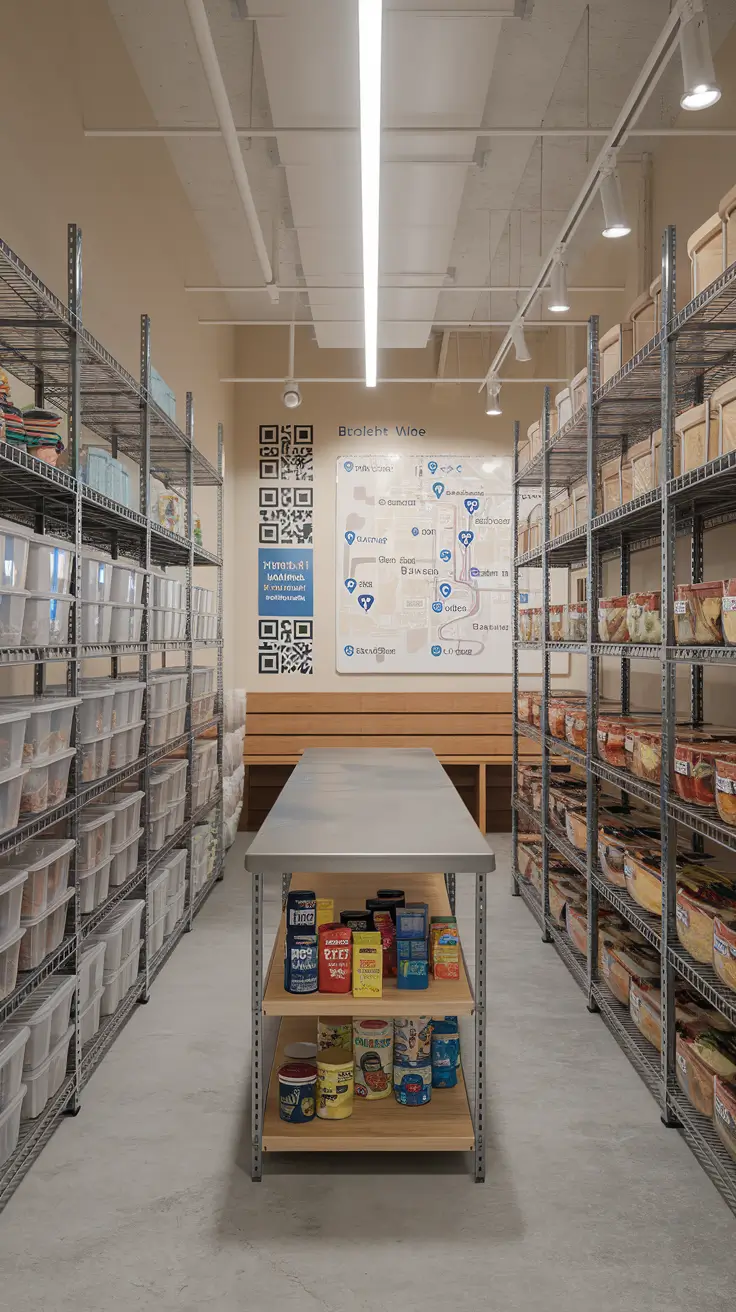
Features such as acoustic panels, seating for bag organizing, and posted schedules coordinated with public transit optimize usability. Transparency through community boards and volunteer QR codes helps maintain engagement and funding.
21. Space-Saving Corner Pantry Arrangements
For kitchens with challenging corners, I design L-shaped or diagonal shelving units that turn wasted spaces into mini walk-in pantries. Shelves about 18 inches deep with chamfered fronts or angled doors minimize door conflicts.
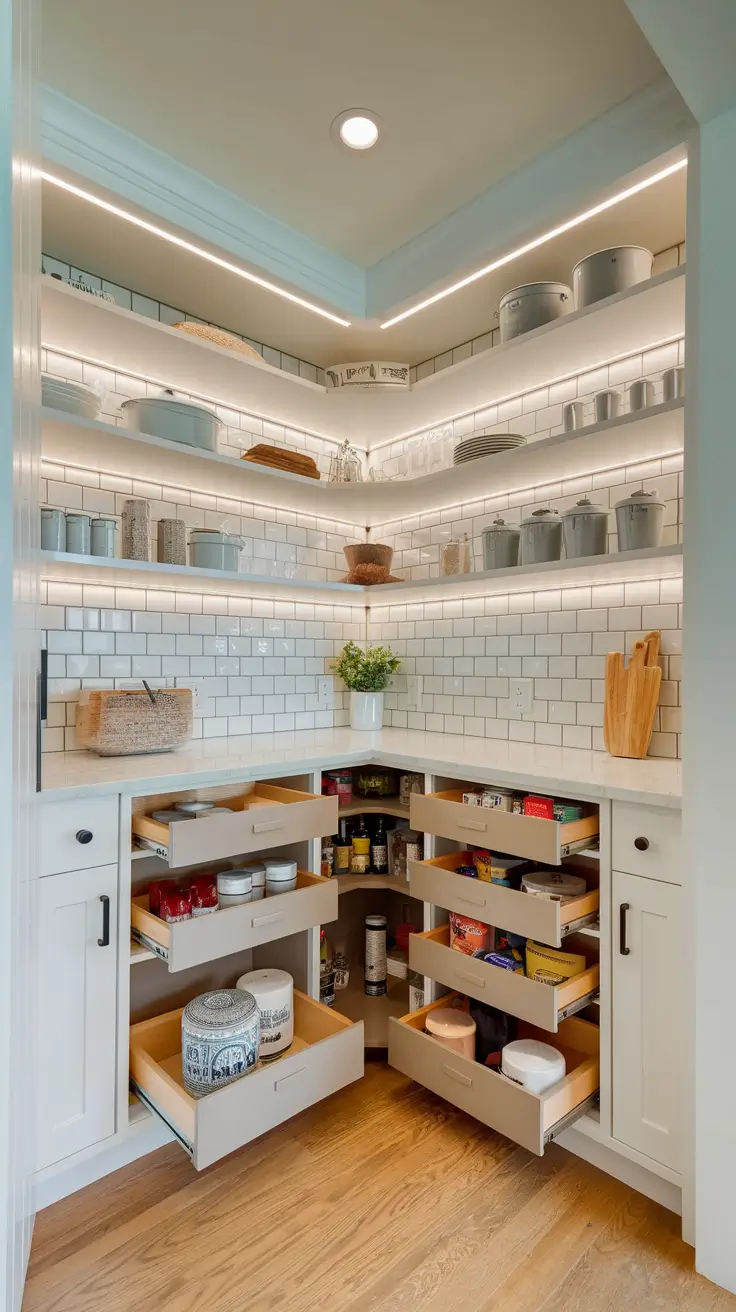
Vertical dividers organize baking sheets; pull-out baskets provide breathability for produce storage. Motion-activated lighting brightens corners prone to shadow.
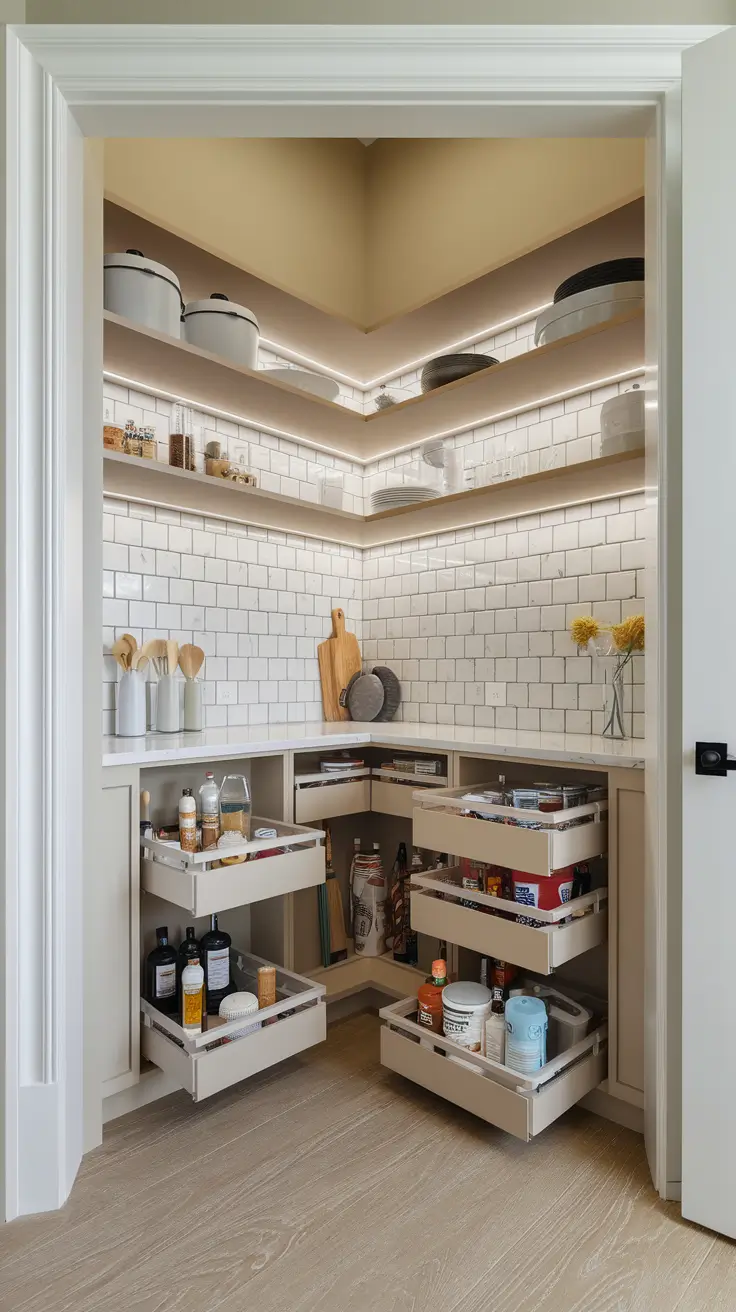
Additional touches like door-mounted spice racks and narrow cleaning tool niches keep clutter hidden but accessible.
22. Step-by-Step DIY Pantry Projects for the Organized Home
Embarking on DIY pantry organization projects usually starts with a few focused days transforming a wall into a dedicated storage center. I first map out stud locations and shelf placements tailored to accommodate bottles, cans, and appliances.
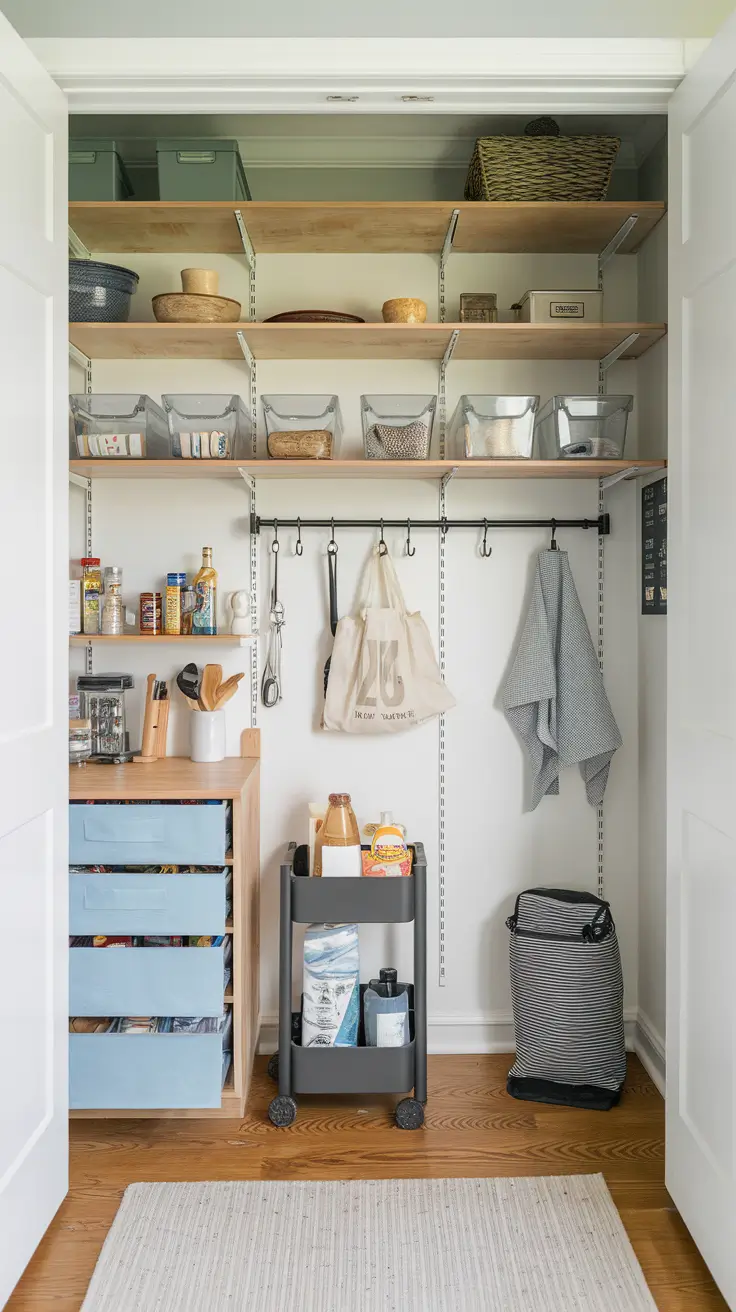
A three-tier system—narrow shelves for small items, medium for general staples, and large cubbies for bulk—strikes an optimal balance, preserving openness with premium yet inexpensive materials like plywood with edge banding.
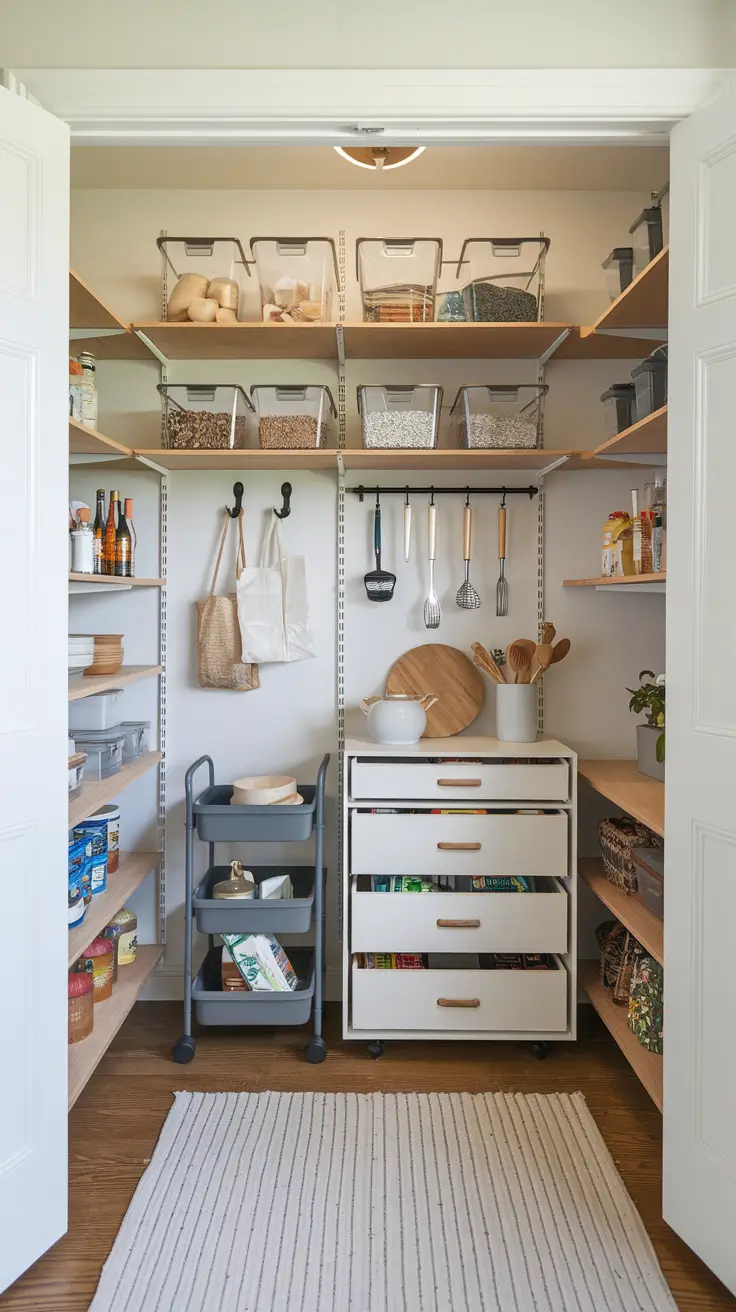
Safety rails and inserted drawers help organize smaller packets. Hooks holding aprons and bags complete the setup. Temporary painter’s tape labels can be replaced with permanent ones once tested.
Adding rolling carts and chalk strip inventory trackers introduces a professional feel to this simple, scalable system.
23. Minimalist Open Pantries for Seamless Modern Kitchens
Even the simplest open pantry can be serene and purposeful when positioned thoughtfully—typically on a quiet wall near the fridge. Close shelf spacing ensures items face forward for easy identification without stacking.
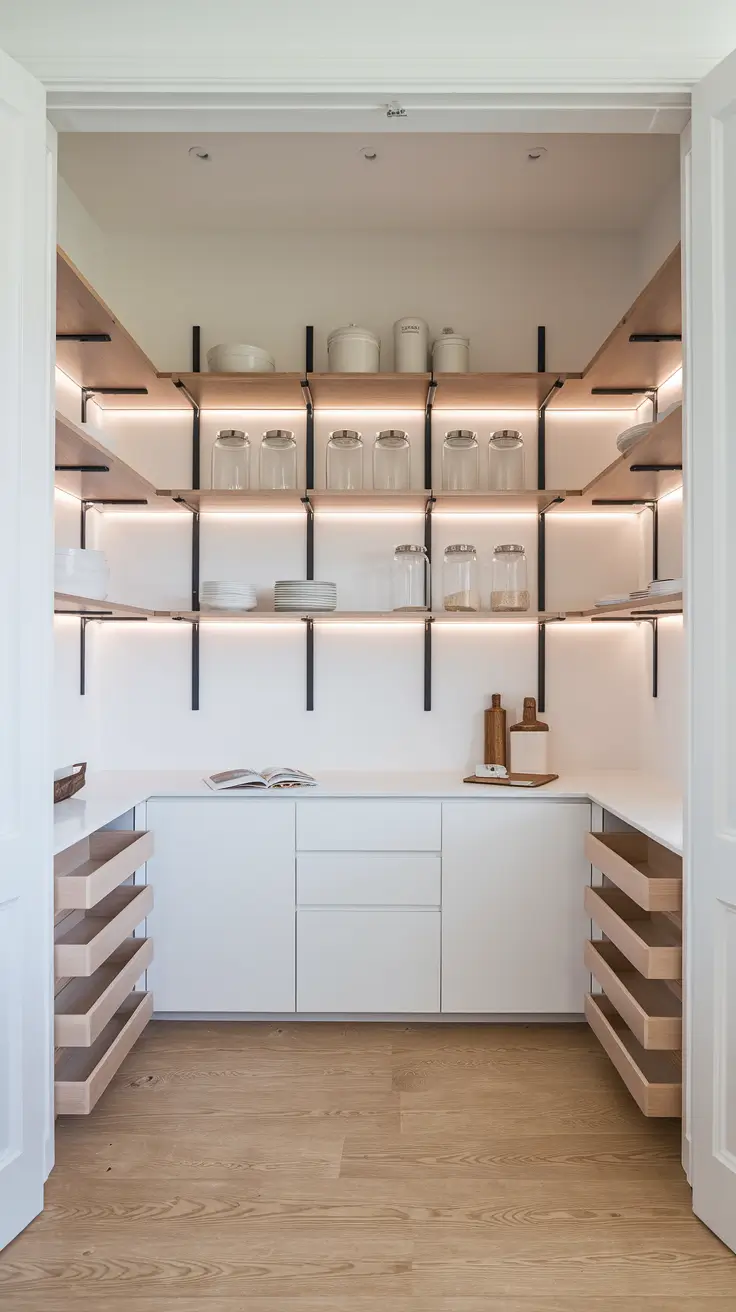
Neutral whites or warm oak tones paired with graphite brackets and frosted or clear containers maintain clean lines and reduce visual clutter.
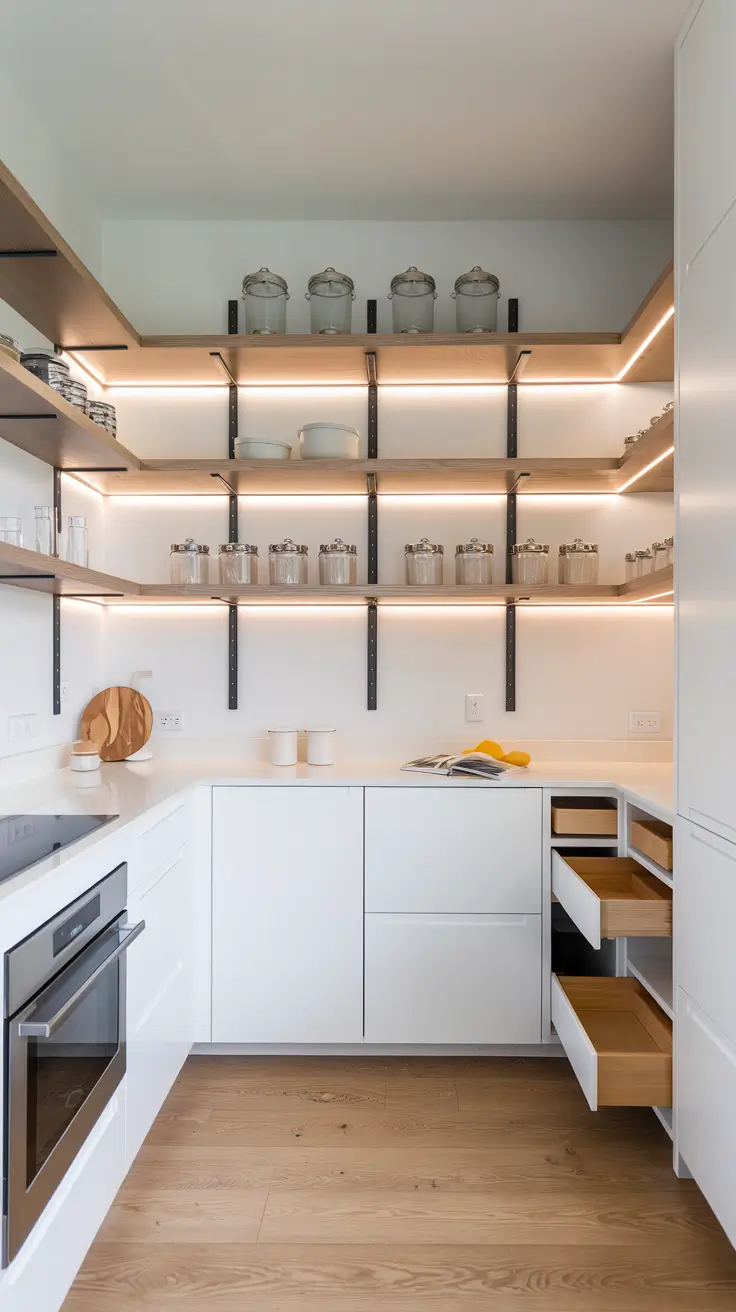
Sparse labeling at shelf edges reduces noise, with one or two material types maintaining cohesive aesthetics. Functional extras like ceiling-mounted curtain rails and small charging nooks blend pantry and living areas harmoniously.