Creating a Stylish and Cozy Open-Concept Japandi Dining Room for Ultimate Comfort

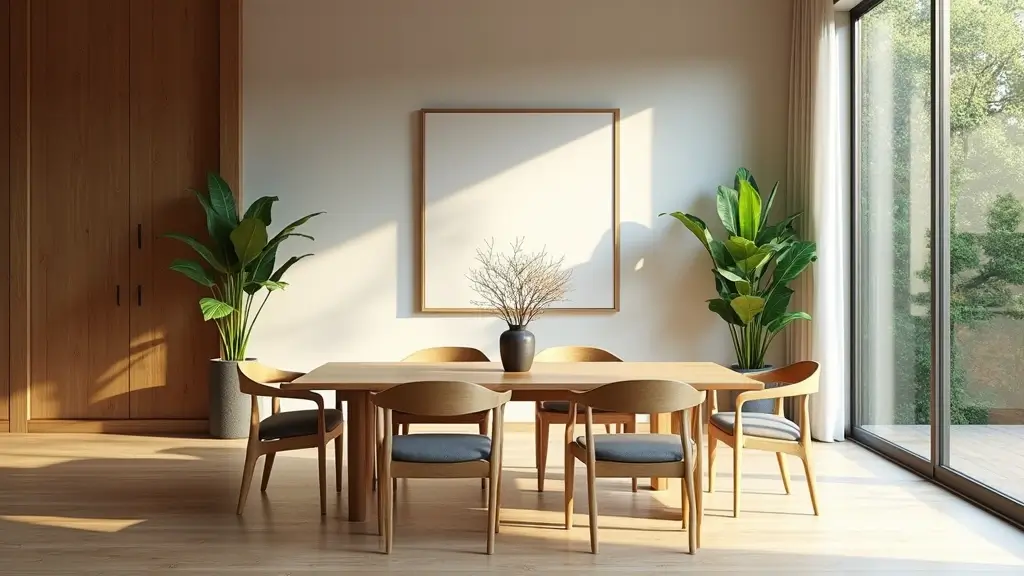
Have you noticed how some dining rooms exude an immediate sense of peace? The Japandi dining room style—a harmonious fusion of Japanese minimalism and Scandinavian coziness—crafts tranquil, elegant environments especially suited for open-concept living spaces.
This design approach works beautifully whether you’re outfitting a compact urban apartment or a roomy open-plan home, providing comfort and charm without the excess of clutter.
In this article, you’ll discover how to skillfully blend natural textures, muted tones, and thoughtful spatial organization to create a dining space that’s inviting, functional, and visually unified. We’ll incorporate contemporary insights drawn from current interior design directions to help you embrace this aesthetic confidently.
Step-by-step guidance will walk you through selecting organic wood furniture, layering subtle plant life, and perfecting your decor choices—all aimed at making your Japandi dining room uniquely yours.
Additionally, practical advice on optimizing small areas, routine upkeep, and avoiding frequent design mistakes ensures you’ll achieve a space that elevates both everyday meals and entertaining occasions.
Harnessing the Beauty of Organic Materials
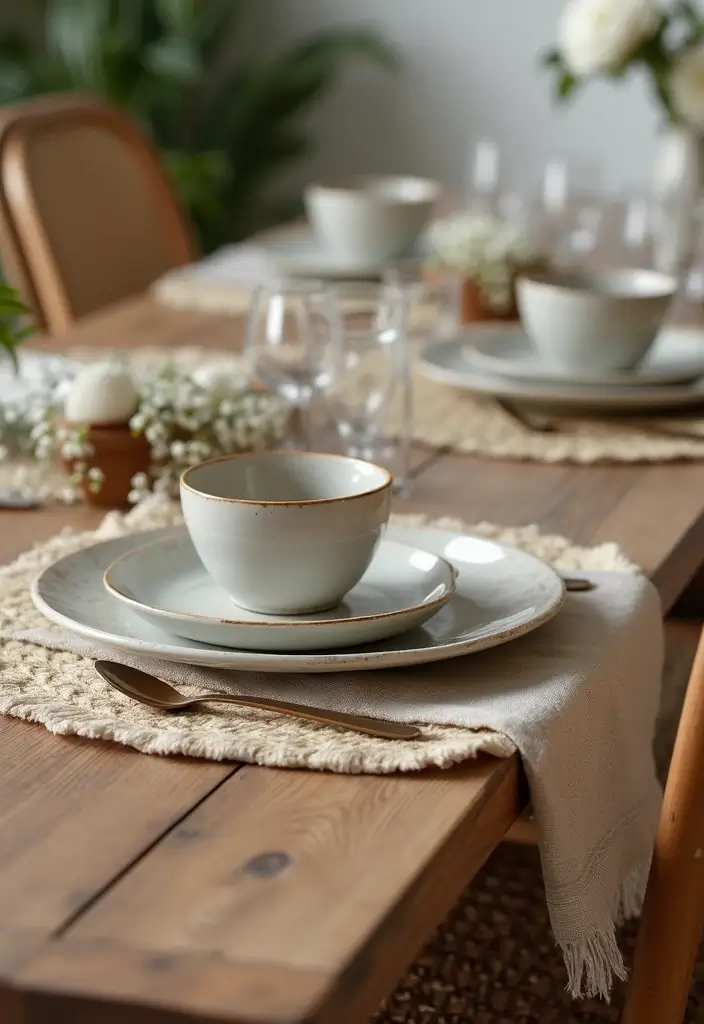
Japandi interiors emphasize a connection with nature by prioritizing authentic, raw materials. Opt for furniture crafted from real wood such as oak or walnut—these woods not only provide lasting strength but also embody the wabi-sabi philosophy of beauty found in imperfection and natural grain.
Enhance comfort by integrating cushions made from linen or cotton, whose textures introduce softness and tactile interest. Complement these with ceramic dining ware or stone accents that evoke earthiness, strengthening the sense of organic harmony.
Current home design trends show a strong preference for unfinished or matte wood surfaces, underlining their genuine character in interiors. For budget-conscious decorators, restoring vintage or second-hand wood pieces stripped of synthetic coatings is an excellent sustainable approach.
Balance the ensemble by mixing in accents made from stone or handmade pottery, and steer clear of plastic or glossy finishes that conflict with the style’s understated ethos. Always test different textures together to ensure they work well with your existing furnishings.
- Select durable table and chairs made from untreated oak or walnut.
- Incorporate linen or cotton cushions for gentle texture.
- Use ceramics or stone coasters to introduce grounded accents.
- Refurbish used furniture to align with Japandi principles.
- Exclude synthetic or shiny materials to preserve natural charm.
Streamlined Arrangements for Maximum Flow
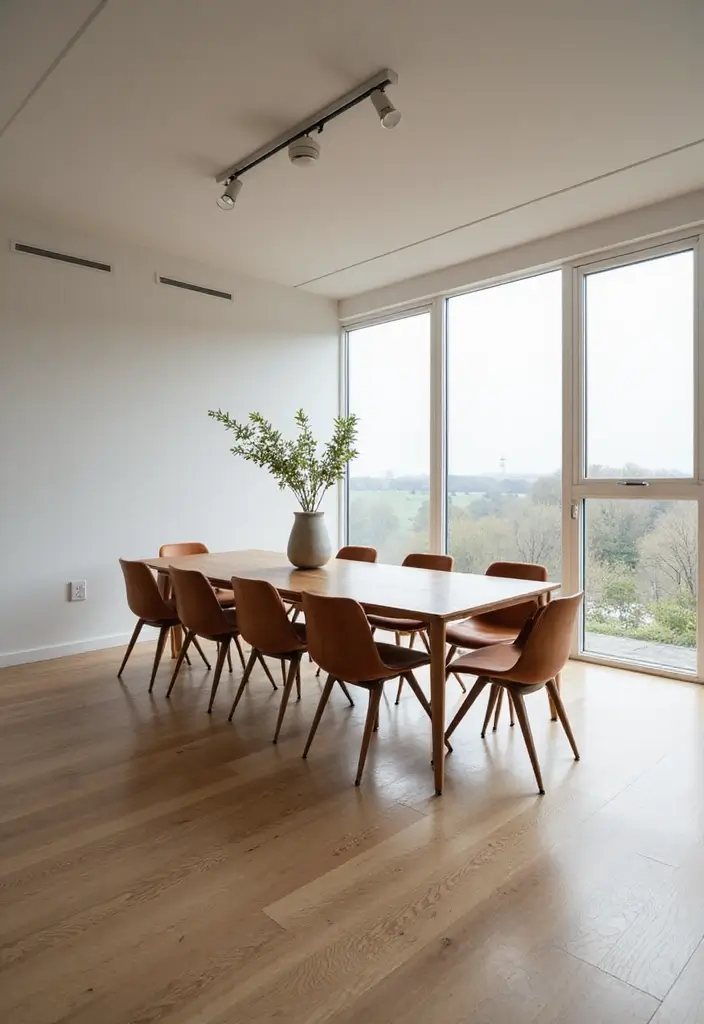
Maintaining a clutter-free dining zone is essential in Japandi design. Arrange a modest-sized dining table centrally, ensuring at least three feet of clearance on all sides to allow unhindered movement.
For compact spaces, round tables optimize area and encourage connection, while rectangular ones best suit broader rooms. Limit accompanying furniture to essentials—such as chairs and a single storage piece—to uphold openness.
Position your dining setup to take advantage of natural sunlight, ideally near windows, fostering a bright and airy atmosphere. Consider minimalistic storage solutions like sleek floating shelves or slimline credenzas to keep the floor space unobstructed.
Contemporary interior imagery underscores the virtue of sparse but functional furnishings, reinforcing a balance between distinct dining areas and the openness of adjoining spaces. Accurately measuring your room prior to furnishing is critical to prevent overcrowding.
- Center your table with at least three feet surrounding clearance.
- Opt for round tables in limited spaces; rectangular for expansive layouts.
- Limit items to dining essentials and one storage unit for a streamlined look.
- Place the table near windows to enhance light and openness.
- Measure precisely to ensure adequate space for chosen furniture.
Opt for Earth-Toned Color Schemes
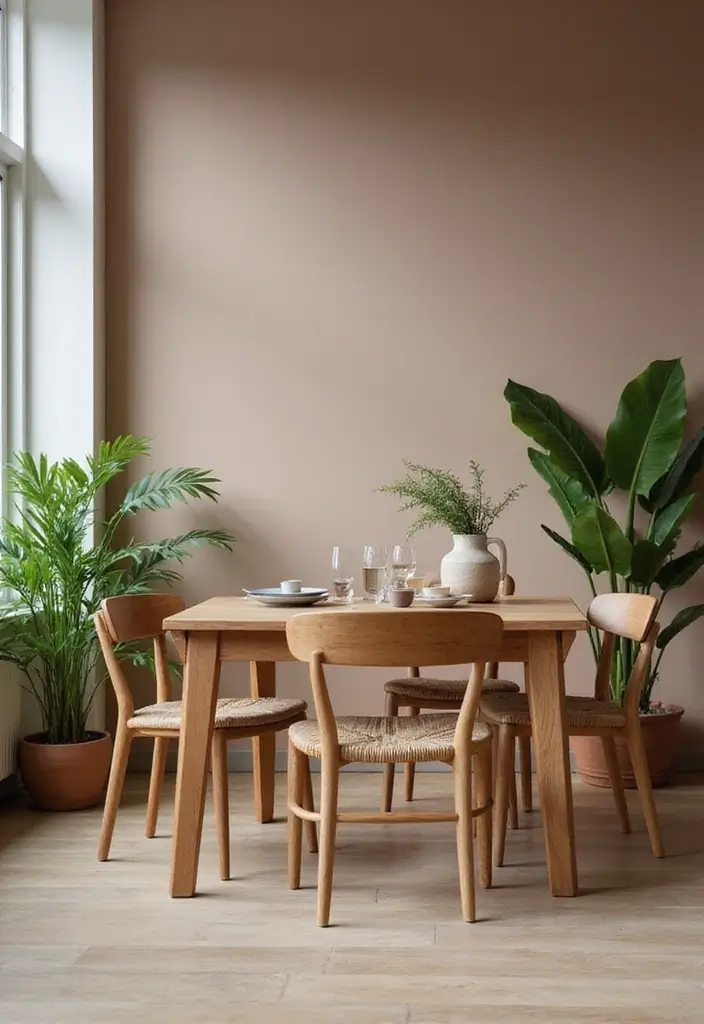
The hallmark serenity of Japandi dining spaces stems from their earthy, muted palettes. Walls painted in soft sands, gentle grays, and creamy off-whites beautifully complement pale wooden furnishings made from oak or walnut.
Introduce low-saturation pops of color—such as soft mossy greens or deep charcoal textiles—to create subtle contrast while preserving tranquility.
Before committing to paint, observe how colors respond under varying lighting conditions, as artificial illumination can alter appearances. Furnishings should echo the warm undertones of your chosen wall colors for a harmonious overall effect.
Bright hues like vivid reds or yellows disrupt the calming vibe and are best avoided. Instead, integrate textured rugs, cushions, or throws in subdued shades to knit the space together cohesively.
- Select wall paints in beige, warm gray, or creamy neutrals.
- Choose furniture in light oak or walnut finishes to harmonize.
- Add muted green or charcoal accents through textiles.
- Always test paint under natural and artificial lighting.
- Avoid high-saturation colors to maintain peacefulness.
Layered and Adjustable Lighting for Ambiance
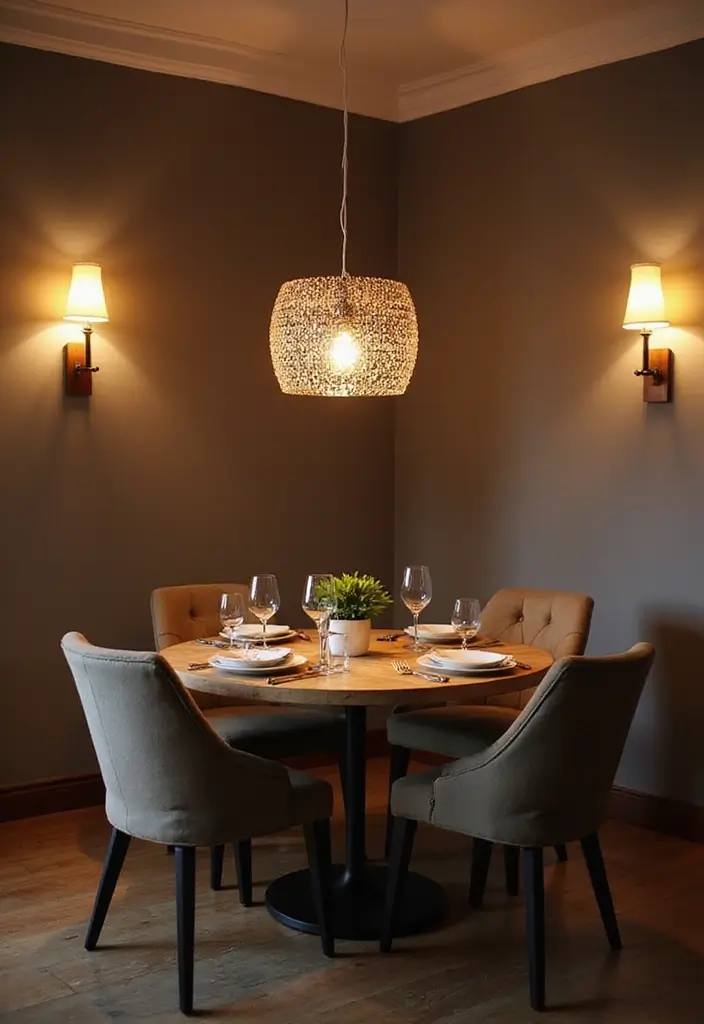
Thoughtful lighting design enhances both the mood and functionality of your Japandi dining area. Position pendant lamps crafted from natural fibers like rice paper or fabric approximately 30 to 36 inches above the table, casting a soft, welcoming glow.
Accentuate the ambiance with matte-finish sconces in finishes like black metal or aged brass, which add visual interest without overcrowding the setting. The current trend highlights the layering of different light sources to provide versatile illumination.
Opt for warm-toned, energy-efficient LED bulbs with a color temperature near 2700K to mimic cozy incandescent light while reducing energy consumption. Installing dimmable switches allows you to tailor brightness from casual meals to more formal gatherings.
Regularly dust and spot-clean fabric or paper lamp shades gently to preserve their texture and color. Verify electrical components are properly installed and safe, especially when fixtures are exposed in open-plan layouts.
- Hang pendant lights 30–36 inches above your dining table.
- Incorporate matte black or brass sconces for enhanced mood lighting.
- Use warm LED bulbs (approx. 2700K) for energy-efficient warmth.
- Include dimmer switches to customize lighting levels.
- Maintain and clean fixtures periodically to ensure longevity.
Introduce Lush Greenery to Refresh the Space
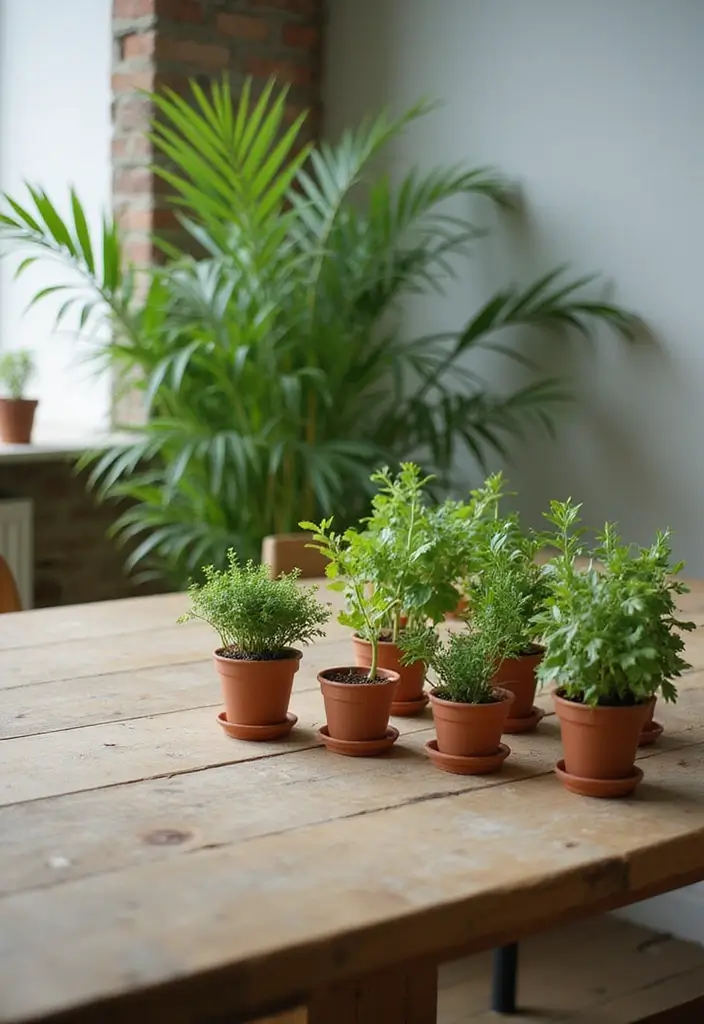
Strategically placed plants introduce life and serenity to Japandi dining interiors. Compact options such as bonsai trees, maidenhair ferns, or hardy snake plants in understated ceramic pots provide an elegant organic dimension without overwhelming the space.
Locate greenery near windows for optimal natural light exposure, reinforcing Japandi’s biophilic design ethos that connects indoor living with nature.
Minimalism remains paramount—limit your botanical additions to one to three plants to maintain order and alignment with the space’s neutral background.
Routine dusting and careful watering prevent leaf damage and surface stains, while thoughtfully positioning plants ensures unimpeded pathways within open areas.
- Choose easy-care plants like bonsai, ferns, or snake plants.
- Place greenery close to windows to capitalize on sunlight.
- Restrict plant count to 1–3 to preserve minimalism.
- Clean foliage and monitor watering carefully.
- Arrange plants to avoid blocking traffic routes.
Thoughtful Artistic and Decorative Accents
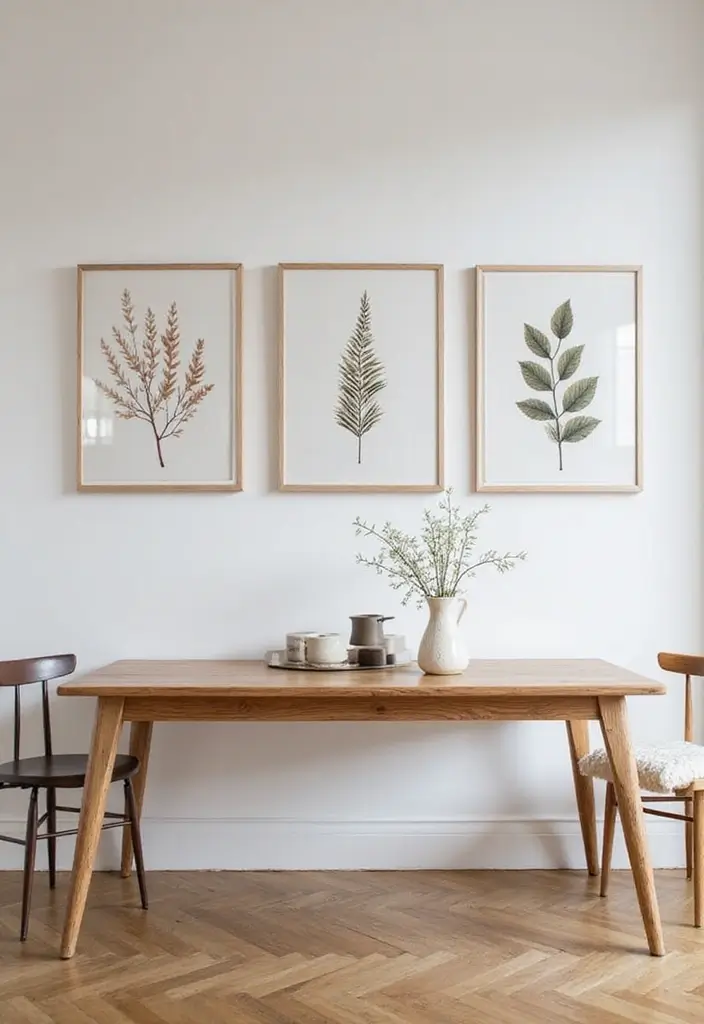
In Japandi dining rooms, carefully chosen decor lends character without clutter. Consider a single abstract artwork framed in natural wood, or a uniquely shaped, hand-crafted ceramic vase as focal accents.
Embrace asymmetry in the arrangement to reflect the style’s appreciation of irregular, organic balance. Current design trends favor singular statement pieces—such as textured bowls holding dried botanicals—celebrated for their quiet sophistication.
Select art featuring clean, simple lines, such as traditional ink wash paintings or Scandinavian sketches, keeping decor limited to 2–3 items to uphold visual clarity.
Maintain pieces by regularly dusting and avoiding overfilling surfaces, which helps sustain the calm, airy aesthetic in an open dining space.
- Pick one key art print or ceramic vase as a centerpiece.
- Arrange decor asymmetrically for natural harmony.
- Opt for artworks with minimalistic lines fitting Japandi style.
- Clean regularly to maintain a fresh, tidy look.
- Keep decor to a minimal number to prevent clutter.
Prioritize Ergonomic and Inviting Seating
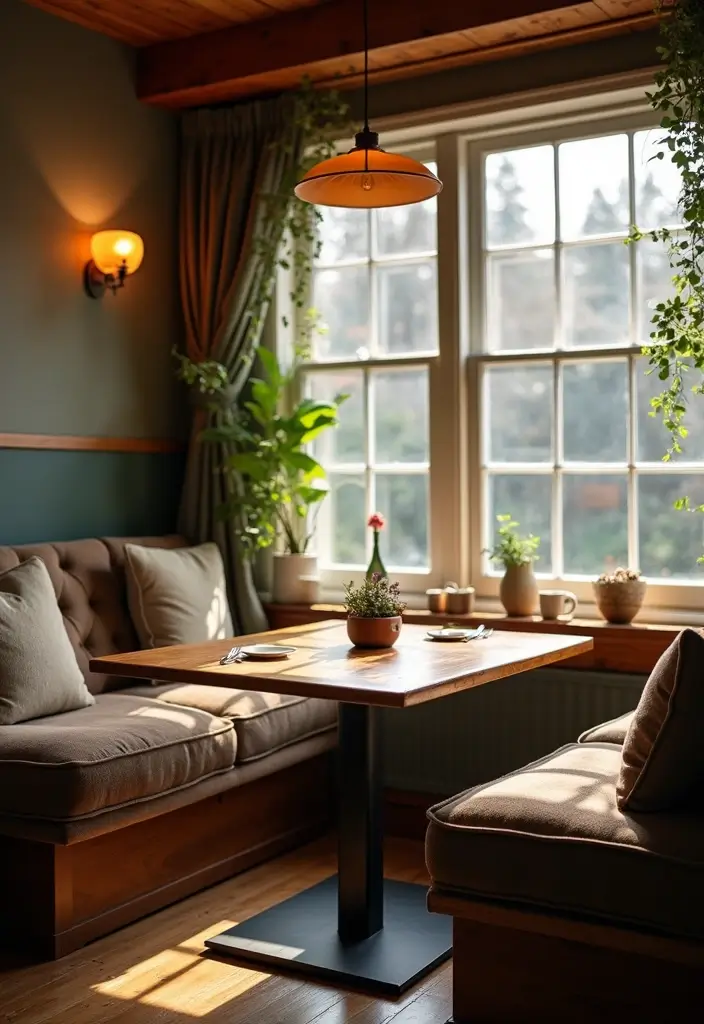
Seating in Japandi rooms merges aesthetics with comfort by featuring low-profile chairs with slender wooden or rattan frames, enhanced by cozy linen or wool cushions.
For smaller layouts, built-in bench seating with concealed storage can maximize space efficiency, while stackable stools offer adaptable options for guests. Modern designs lean toward ergonomic shapes suitable for extended meals, occasionally mixing styles to add textural contrast.
Ensure chair seat heights (roughly 17 to 19 inches) coordinate comfortably with dining tables around 29 to 30 inches high. Confirm each piece’s sturdiness to prevent wobbling, essential for frequent use.
Regularly refresh textiles with gentle cleaning methods for natural fibers, and arrange seats to face the dining surface while keeping walkways open for effortless flow.
- Select low-profile chairs with wooden or rattan frames, padded with cushions.
- Use benches or stools for space-saving flexibility.
- Match chair height to table for ergonomic comfort.
- Check furniture stability and maintain clean cushions.
- Arrange seating to keep areas accessible and uncluttered.
Simplify Your Table Setting
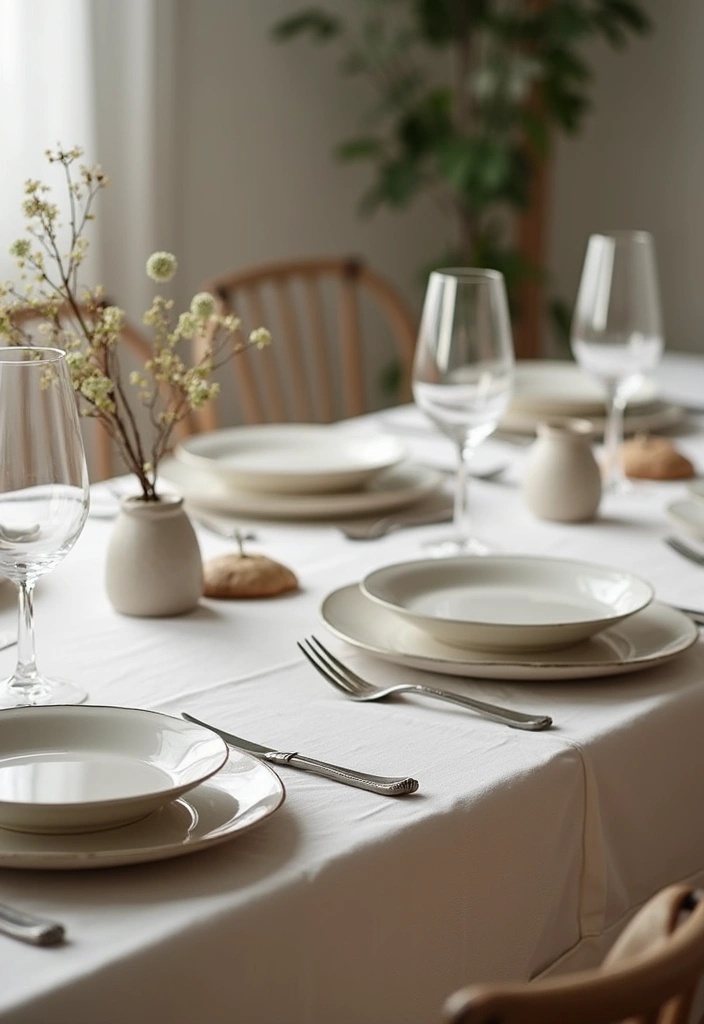
Japandi encourages uncluttered dining surfaces that emphasize natural materials and effortless elegance. Use neutral linen runners or placemats paired with ceramic dishware and wooden utensils to achieve this refined look.
A single centerpiece—whether a smooth stone bowl or a delicate glass candle holder—adds understated sophistication without overwhelming the table.
Current styling favors monochrome palettes enriched by varying textures such as bamboo chargers, imparting subtle visual interest. Limit each place setting to approximately three to five items to maintain clarity and ease.
Refresh the look seasonally by swapping linens or centerpieces to reflect changing moods or weather. Cleaning ceramic and textile pieces immediately after use helps prevent stains and keeps your open space inviting.
- Choose neutral linen runners and simple ceramic dinnerware.
- Feature a single centerpiece like a stone bowl or a glass candleholder.
- Limit place settings to three to five pieces for neatness.
- Wash and store textiles and dishes promptly after meals.
- Rotate linens seasonally to maintain freshness.
Defining Areas Within Open Living Spaces
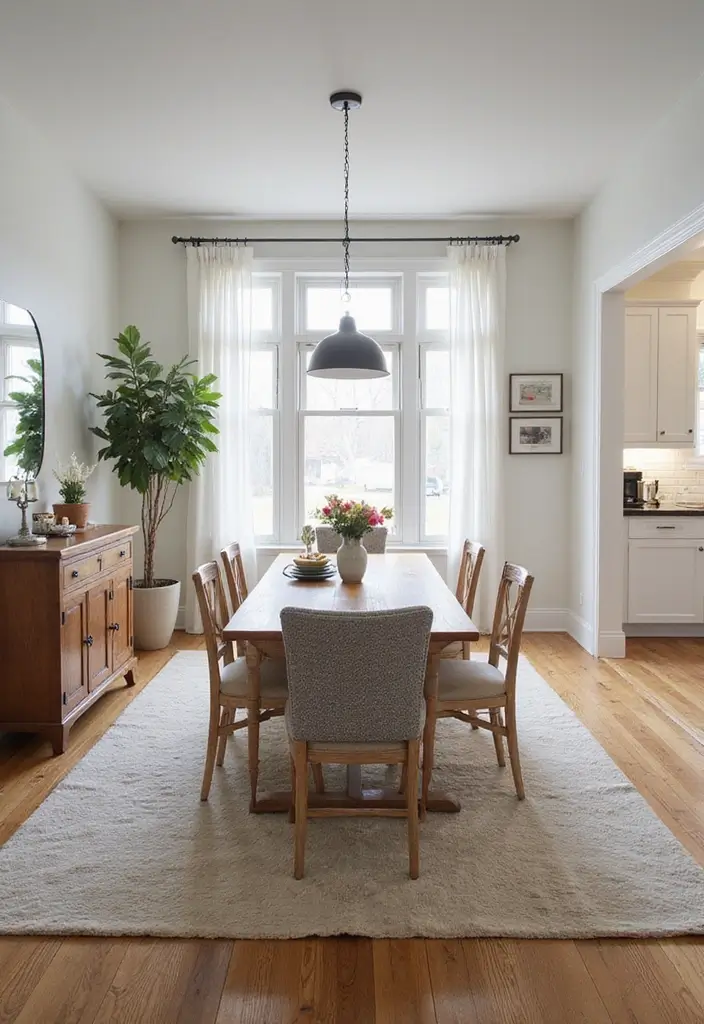
In open floor plans, creating a distinct dining zone without walls relies on thoughtful layering and boundaries. A natural-fiber rug—wool or jute—that extends about two feet beyond the table’s edges serves as an organic anchor.
Low-profile furniture like a credenza or floating shelving can subtly partition the dining area from adjacent kitchen or living spaces while keeping flow seamless.
Focus pendant lighting above the table to visually delineate the dining zone. Keep walkways unobstructed to facilitate smooth circulation, avoiding congestion in busy zones.
Accurate measurements ensure rugs and furniture fit proportionally without making spaces feel cramped. Consistent cleaning routines—vacuuming rugs and dusting surfaces—help retain a crisp, unified ambiance throughout the open plan.
- Anchor the dining area with a jute or wool rug extending beyond the table.
- Use low storage units or shelves as subtle dividers.
- Highlight the dining zone with focused pendant lighting.
- Maintain clear walkways for ease of movement.
- Keep rugs and shelves clean for a polished look.
Infuse Your Own Personality
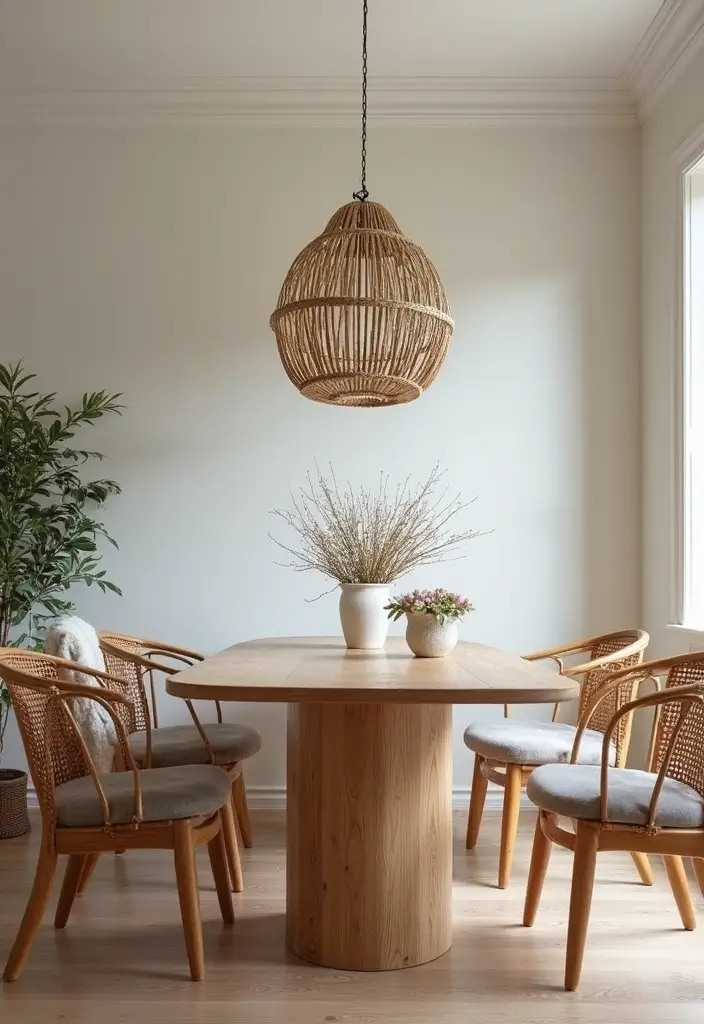
Personal elements elevate your Japandi dining space beyond style, making it feel uniquely yours. Introduce thoughtful pieces such as a Japanese tea set or a handwoven Scandinavian wool throw, while keeping the overall display minimal.
Decorative heirlooms like a vintage wooden tray or artisanal pottery add emotional depth while complementing the room’s muted neutral tones.
Limit personal items to two or three to maintain the signature clean, uncluttered Japandi aesthetic. Consider practical inclusions such as adjustable-height tables, enhancing accessibility for diverse household needs.
Routine dusting and care of personal decor will help preserve their beauty, and placing them strategically ensures they enhance flow without disrupting the dining room’s peaceful essence.
- Incorporate Japanese or Scandinavian textiles and ceramics for authenticity.
- Confine personal details to 2–3 meaningful pieces.
- Consider multi-functional furniture like adjustable tables.
- Regularly clean personal items to keep them fresh.
- Arrange decor to support a calm and airy environment.
Bringing It All Together
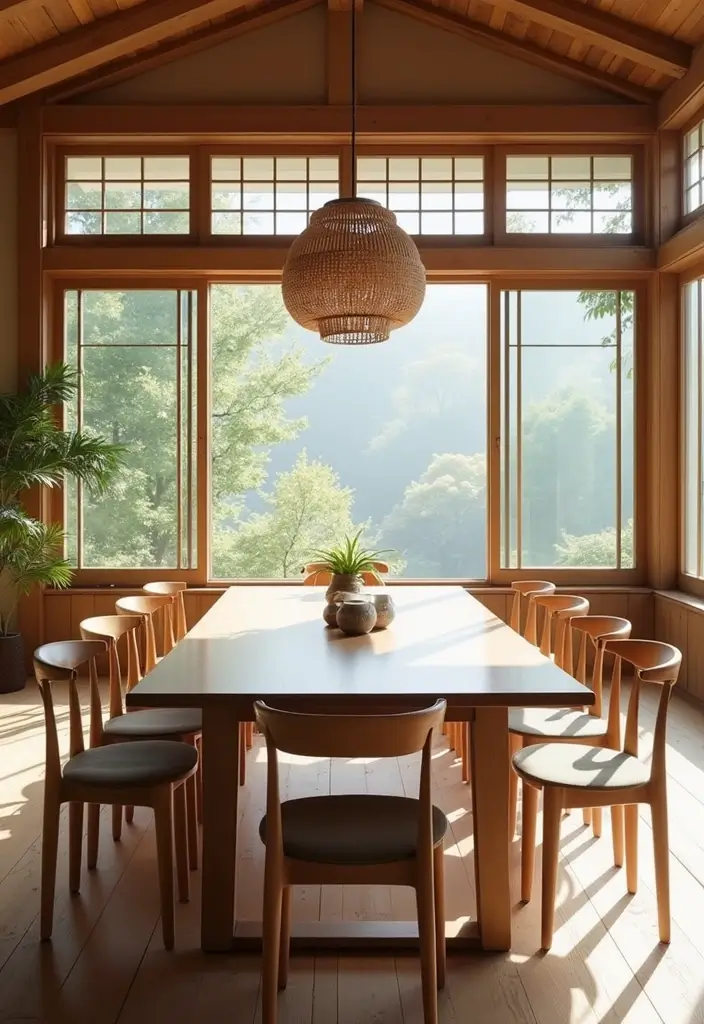
Crafting a Japandi dining room within your open-concept home invites a seamless blend of comfort, simplicity, and natural beauty. By emphasizing organic materials, minimalist layouts, and calming earthy hues, you establish a serene foundation enhanced with layered lighting, greenery, and carefully curated decor.
Strategic zoning techniques unify the space without detracting from openness, while personal touches provide subtle individuality without overwhelming the tranquility.
Begin with a statement piece such as a solid wood table and build your room thoughtfully, prioritizing furniture stability and the upkeep of natural textiles to ensure enduring appeal.
Steer clear of common design errors like overcrowding or introducing intense colors to keep your dining area a hub of calm and function, perfectly suited for mindful meals and memorable gatherings.