Creative Dining Room Renovation Tips: Contemporary Designs, Efficient Layouts & Chic Upgrades

Remodeling dining rooms is seeing a surge in dynamic, stylish approaches that accommodate contemporary lifestyles. Homeowners increasingly look for ideas that marry the traditional dining room charm with open, integrated kitchen and living spaces. Whether you want to refresh a small dining area or explore open concept designs that unite kitchen, dining, and living rooms, crafting a layout that is both functional and visually appealing is key. This guide offers expert-backed remodeling solutions, tailored to diverse home styles, that promise durability and elegance.
Drawing from extensive design experience and trends, this article examines various remodel ideas—from farmhouse transformations to budget-friendly upgrades, even reimagining garages or dining spaces as offices. Our goal is to help you envision a dining room remodel that complements your lifestyle while reflecting timeless design principles.
Throughout this guide, practical tips, furniture recommendations, and innovative lighting solutions are shared, alongside creative prompts to help you mentally visualize your revamped space.
1. Modern Dining Room Remodeling Trends
Current dining room renovations favor adaptable spaces that blend warm minimalism with a smooth transition between kitchen and dining areas. Prioritizing natural illumination, a minimalist architectural aesthetic, and coordinated color palettes enhances openness rather than isolation. These design concepts work across various architectural types—from split-level homes to traditional colonial styles—emphasizing flow, scale, and comfort for everyday living and entertaining.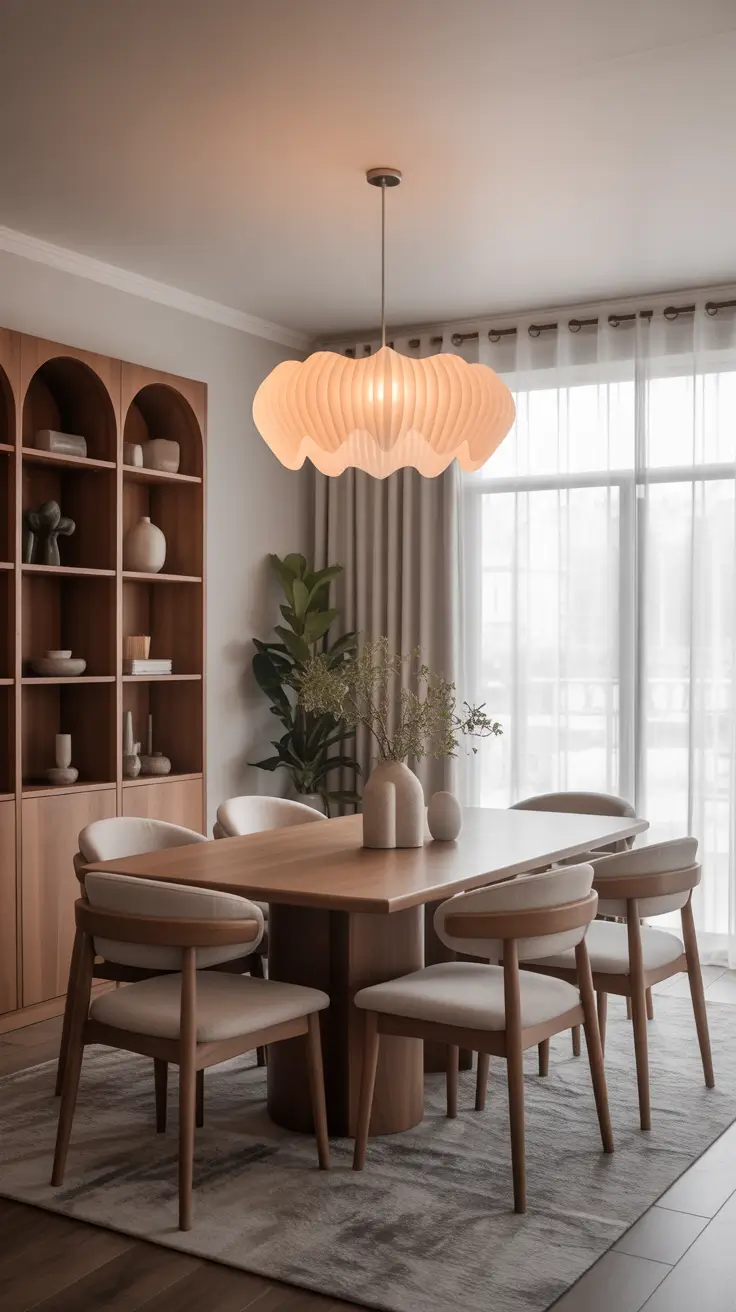
Furniture choices feature streamlined dining tables with smooth, rounded edges, combined with sturdy upholstered seating made from durable fabrics. Incorporating built-in storage such as sleek hutches enhances organization without clutter. Layered lighting—with sculptural chandeliers, wall sconces, or ambient lamps—adds dimensionality, complemented by area rugs, tasteful art, and lush greenery to inject warmth.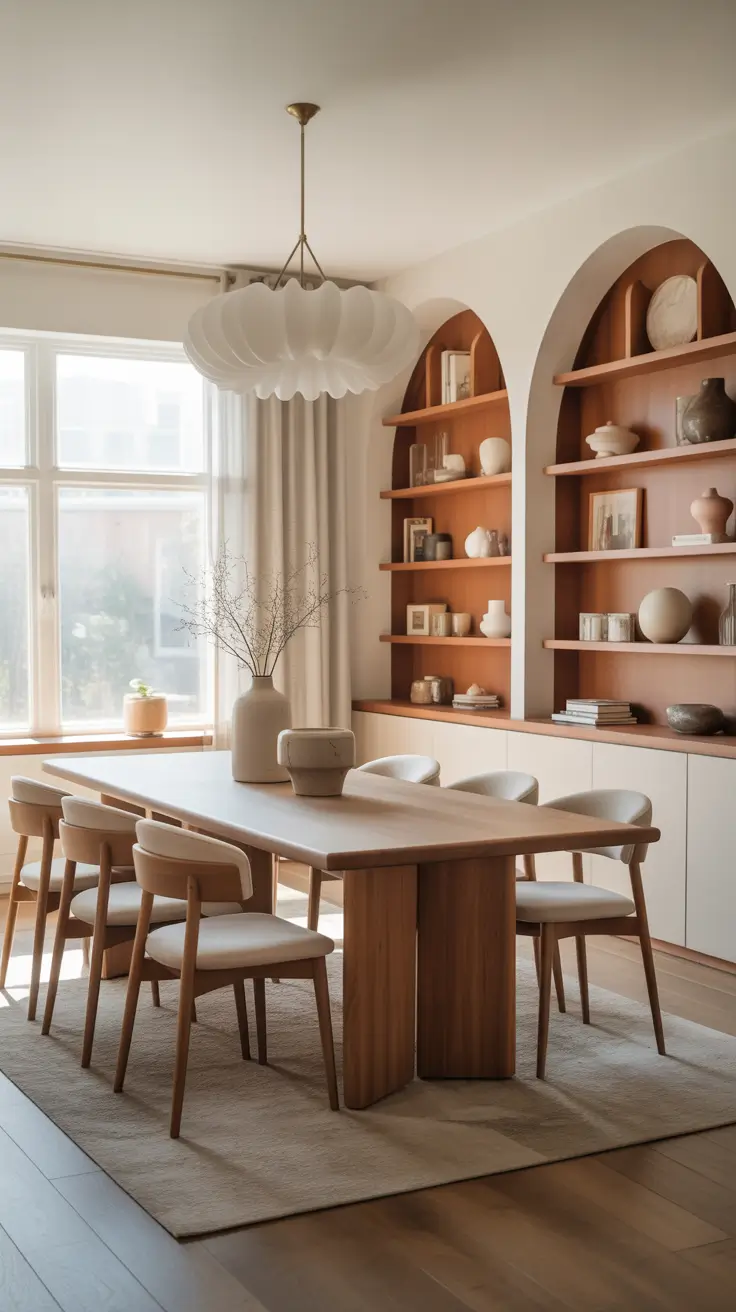
Multifunctional dining rooms are gaining traction among US designers, appreciated for their adaptability as family needs evolve. Homes benefit significantly when designs encourage real-life interactions, making the dining area a favored gathering spot.
💡 Design Inspiration: 🛋️ Dining Tables, Upholstered Dining Chairs
For flooring, wide plank hardwood and eco-friendly composite materials are highly recommended, providing a natural yet sustainable base that blends seamlessly with modern aesthetics.
2. Elegant Formal Dining Room Remodels
In refining formal dining rooms, I prioritize sophistication, balanced proportions, and architectural details that add depth without overwhelming the senses. Spaces with defined walls, such as those in colonial or large floor plans, respond well to simplified luxury with muted hues, rich textures, and tasteful metallic highlights.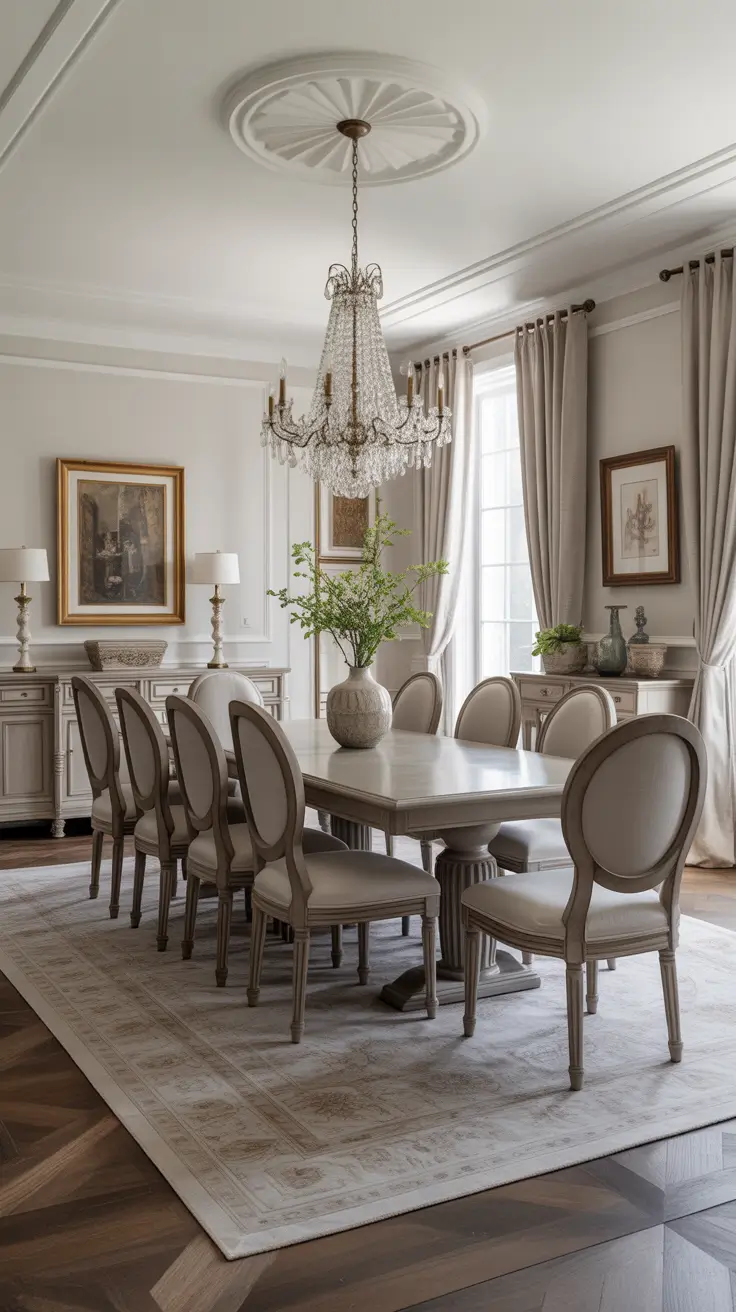
Key furniture includes expansive solid wood or stone tables paired with classic upholstered chairs. Complementing these are stylish sideboards or buffets to store serving pieces while enhancing the room’s presentation. Dramatic lighting—think crystal-inspired chandeliers or bold modern pendants—further lifts the space, while drapery panels, curated artwork, and patterned rugs increase harmony and symmetry.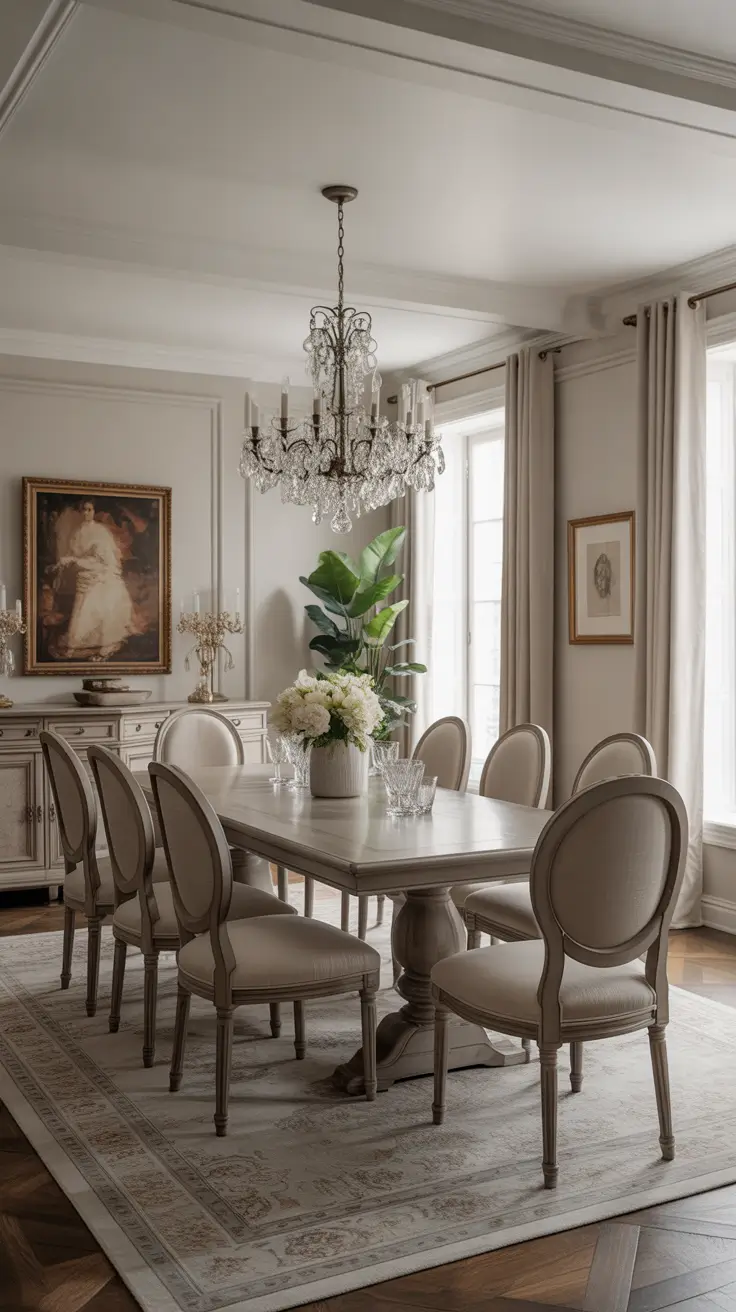
Successful formal remodels strike a balance between hosting grandeur and maintaining comfort. Blending vintage and modern elements combats outdated aesthetics, a tactic proven effective across numerous high-profile US projects.
💡 Design Inspiration: 🛋️ Formal Dining Tables, Chandeliers
For added refinement, consider incorporating tray ceilings or subtle millwork on the ceiling to further elevate the formal ambiance.
3. Integrating Kitchen and Dining Spaces
Trends emphasize cohesive kitchen and dining areas that work harmoniously for everyday use and entertaining. The key lies in ensuring natural flow and clear circulation among preparation, serving, and dining zones, especially pertinent in open kitchens or compact mobile homes. Coordinated lighting and consistent aesthetic themes merge the two spaces effectively.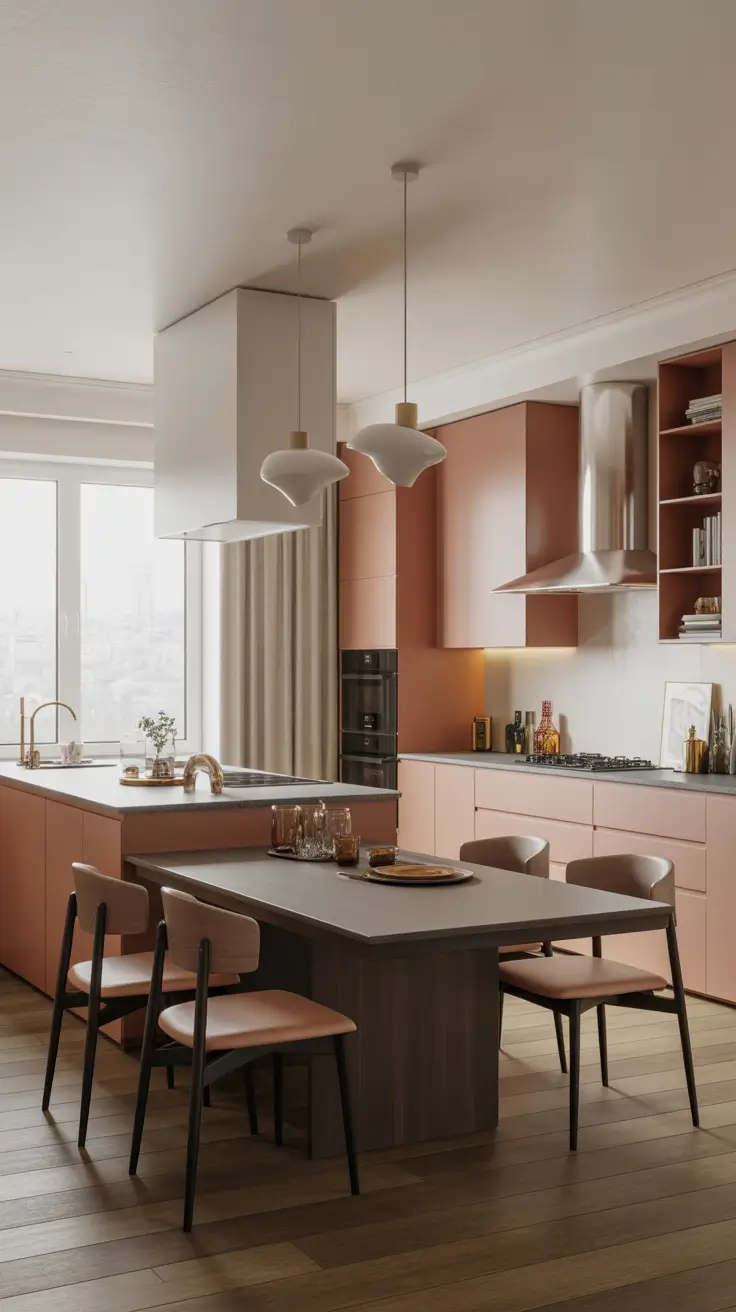
Furniture selections involve contrasting the kitchen cabinetry with dining tables, complemented by bar stools, built-in banquettes, and smart storage options. Positioning a dining table near a kitchen island facilitates seamless transitions between cooking and dining. Harmonizing colors—through wood tones, soft neutral hues, or accent colors placed strategically—enhances unity.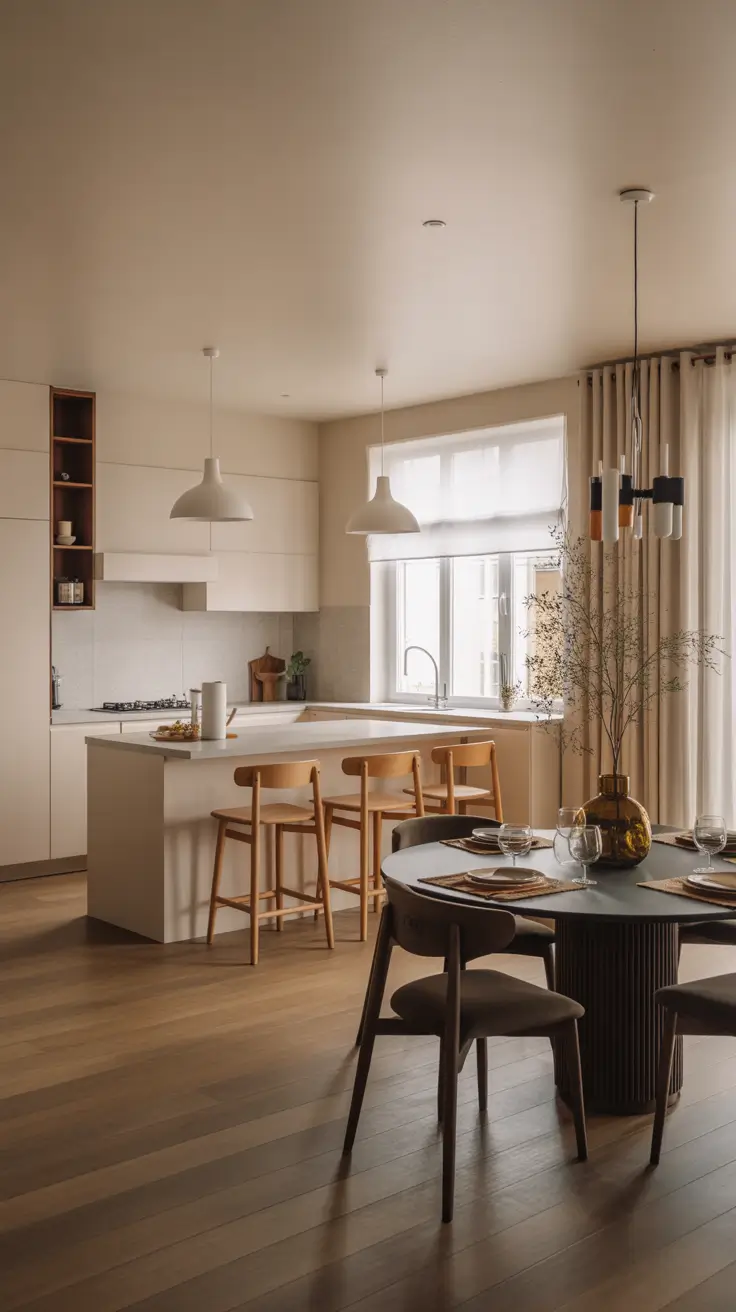
Successful projects balance a degree of separation and connection, often marked with distinctive lighting fixtures—pendants over islands and chandeliers in dining zones—to define each space._
💡 Design Inspiration: 🛋️ Kitchen Island Lighting, Dining Room Lighting
Material pairings, such as quartz countertops with matching wood veneer cabinetry, create a harmonious yet visually engaging transition between kitchen and dining.
4. Practical Dining Room Remodels Tailored to Lifestyle
Effective dining room remodels start by evaluating daily usage patterns, aiming to serve multiple functions such as dining, studying, or home office space. Especially in homes with galley kitchens or compact layouts, the space should foster socialization without sacrificing usage diversity.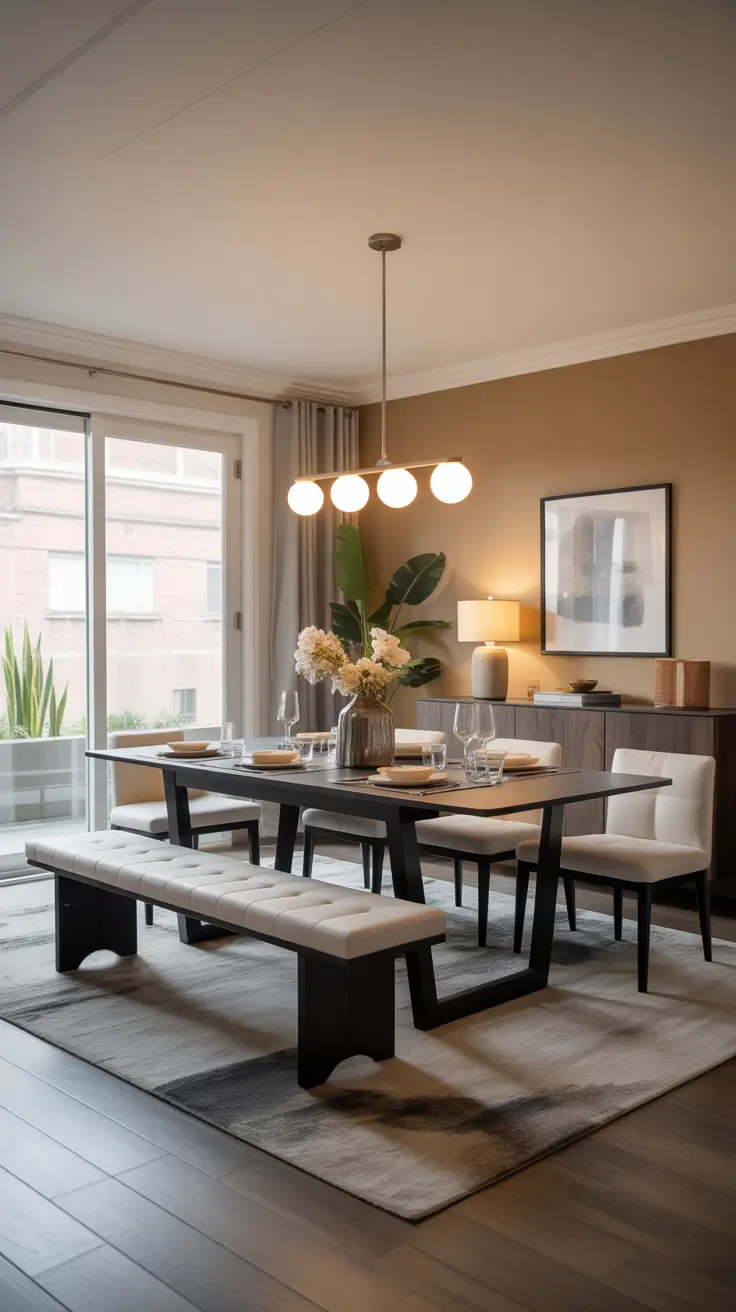
Dual-purpose furniture like expandable tables, stackable chairs, and storage benches maximize usability. Accent walls, subtle moldings, and updated flooring can dramatically transform a space without heavy construction. Adjustable lighting and versatile window treatments allow customization suited to varied functions.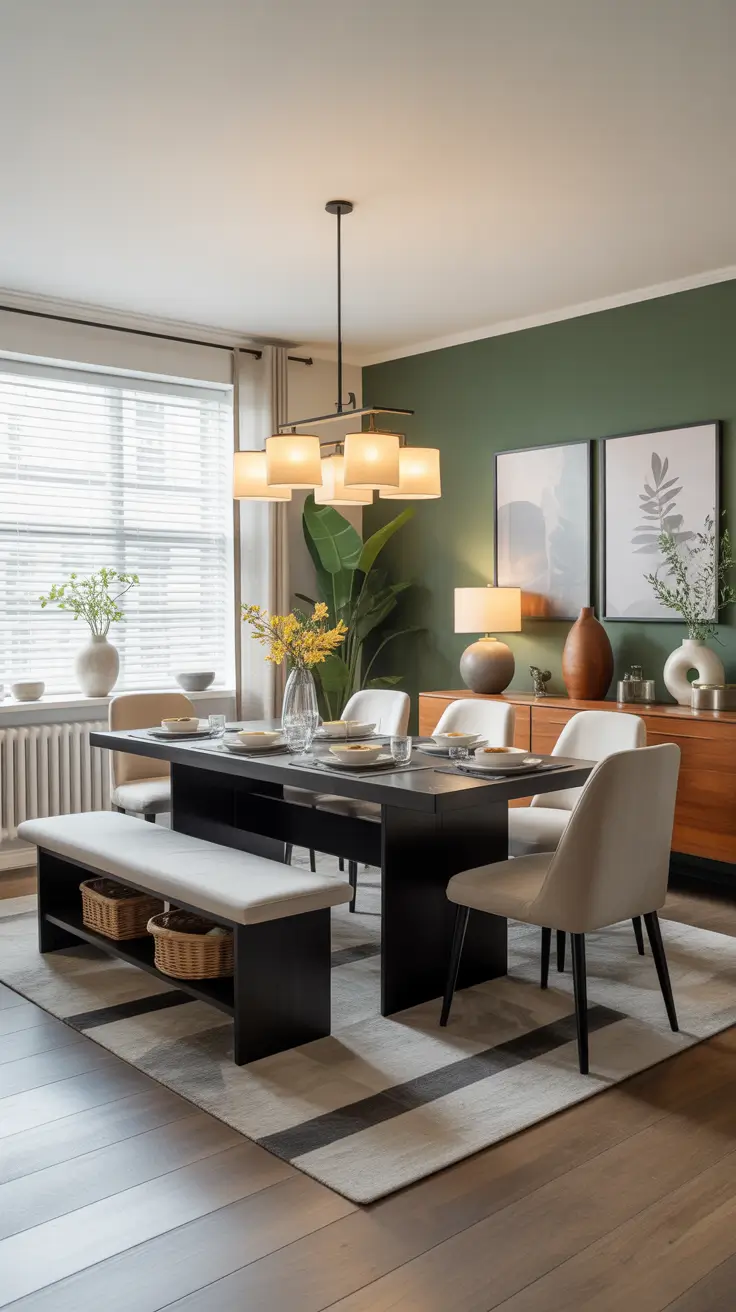
Durable, easy-to-clean fabrics and surfaces are highly recommended, particularly for family homes, to reduce maintenance while preserving aesthetics.
💡 Design Inspiration: 🛋️ Expandable Dining Tables, Storage Benches
Colors can be subtly extended from adjoining spaces to unify the floorplan visually, creating a harmonious aesthetic flow.
5. Designing for Compact Dining Spaces
Maximizing functionality in small dining rooms demands meticulous design that optimizes every inch. In dwellings like mobile homes or tiny houses, efficient furniture selection, vertical storage, and strategic traffic flow are vital. Light, neutral palettes and open sightlines create an illusion of spaciousness.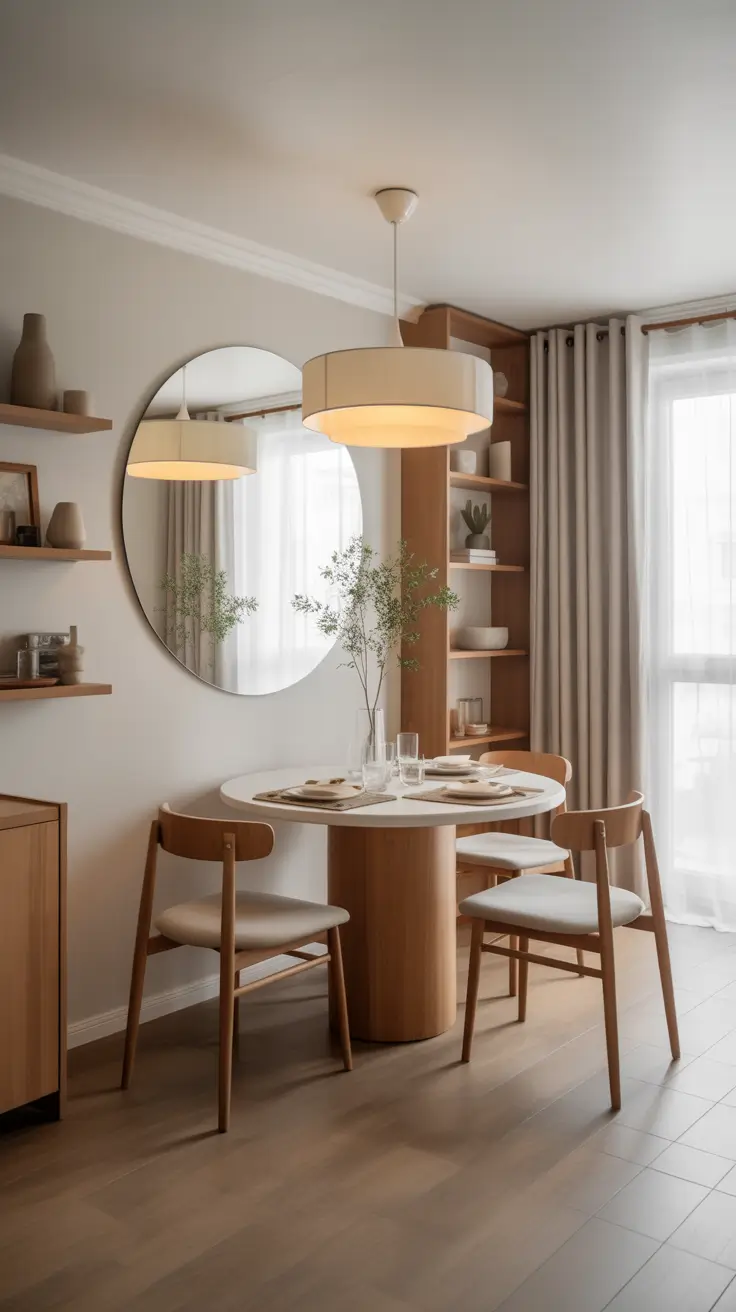
Preferred furnishings include compact round or oval tables, slim chairs that tuck underneath, wall-mounted shelving units, and mirrors that reflect light. Sleek lighting fixtures help keep the space uncluttered, while textures—like woven rugs and tactile wall treatments—add visual intrigue without crowding.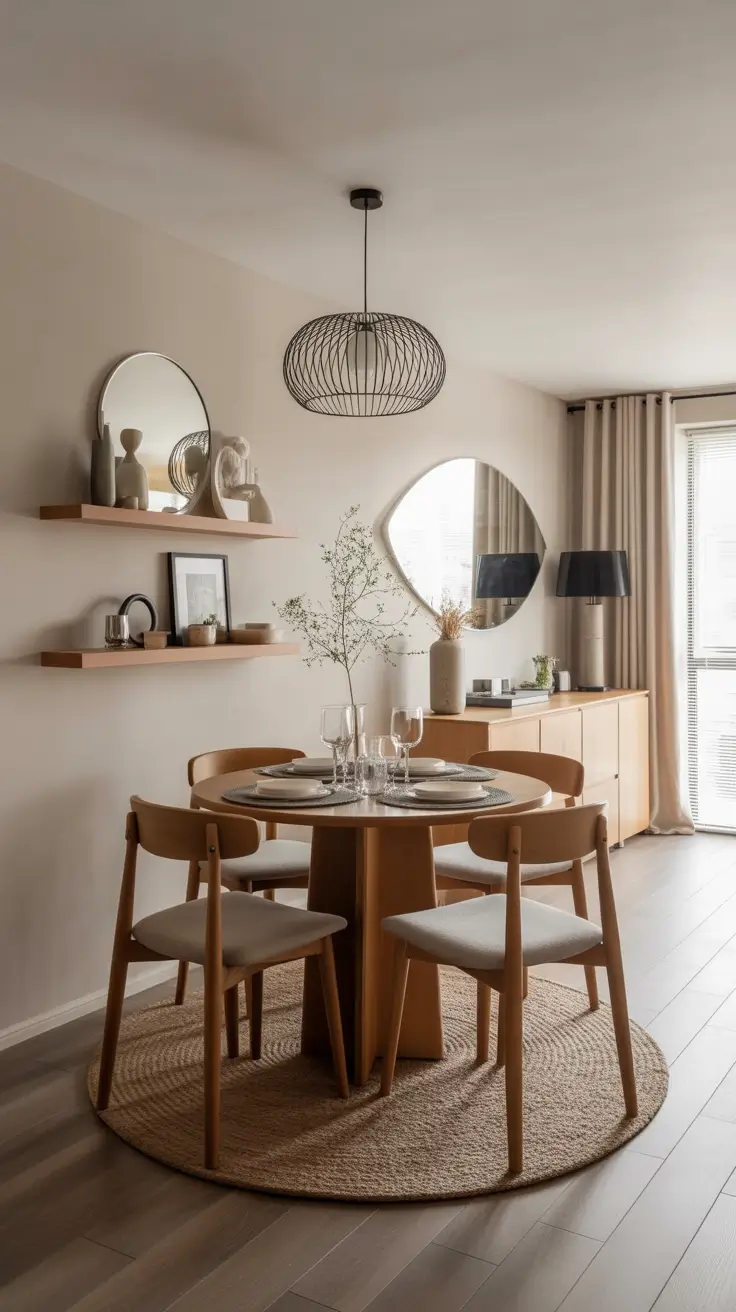
Scaling furniture correctly is crucial; oversized items shrink the space regardless of their appeal.
💡 Design Inspiration: 🛋️ Compact Dining Chairs, Small Dining Tables
Incorporating varied textures such as woven baskets, soft fabrics, and layered lighting can enliven a small dining room while maintaining a spacious feel.
6. Harmonizing Kitchen and Formal Dining Areas
Combining kitchens with formal dining rooms requires finesse to preserve refinement while enhancing usability. Architectural elements like partial walls, decorative ceiling beams, or flooring transitions help maintain defined zones while allowing openness, suited to split-level and raised ranch floorplans.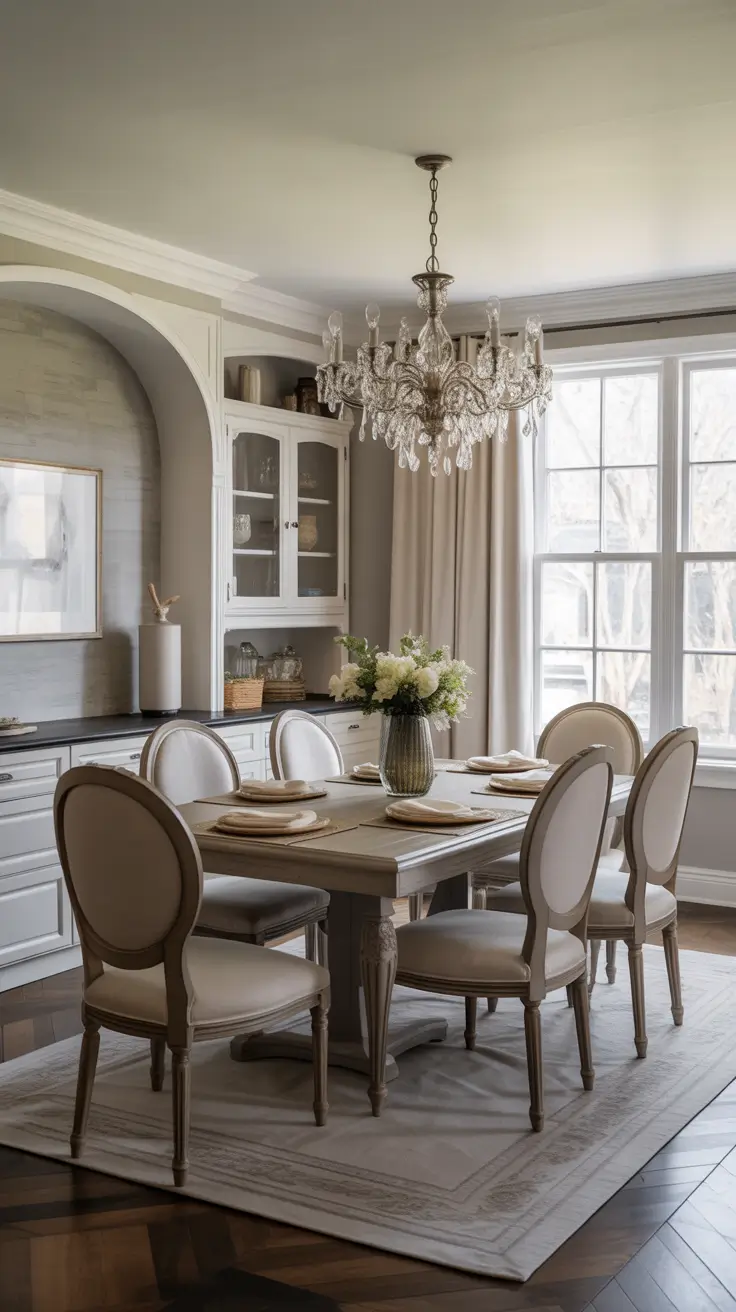
Furniture choices lean toward polished formal dining tables paired with plush chairs. Complementary cabinetry such as glass front hutches integrate visually with kitchen elements. Distinct statement lighting anchors each area while respecting their unique character.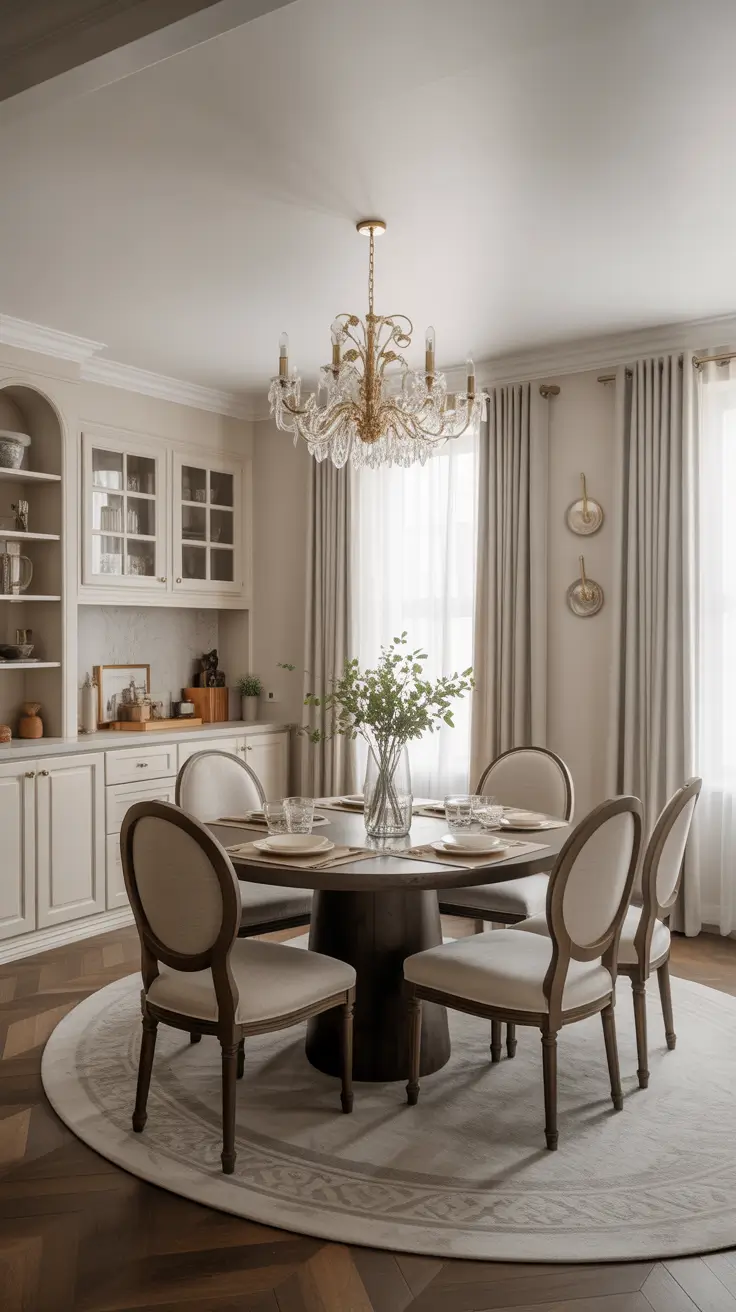
Color palettes typically coordinate with richer accents in the dining space, promoting visual balance without kitchen dominance.
💡 Design Inspiration: 🛋️ Formal Dining Chairs, Glass Front Cabinets
Addressing acoustics is beneficial in such open configurations, considering sound-absorbing materials or partitions to manage noise levels effectively.
7. Open Concept Kitchen-Dining-Living Design Principles
Open plan kitchen, dining, and living spaces are a prevailing design approach, necessitating zoning strategies to define each function while maintaining cohesion. Strategic furniture placement, layered lighting, and cohesive color schemes establish identity for every zone—an approach vital in narrow kitchens, mobile homes, or expansive, linked living areas.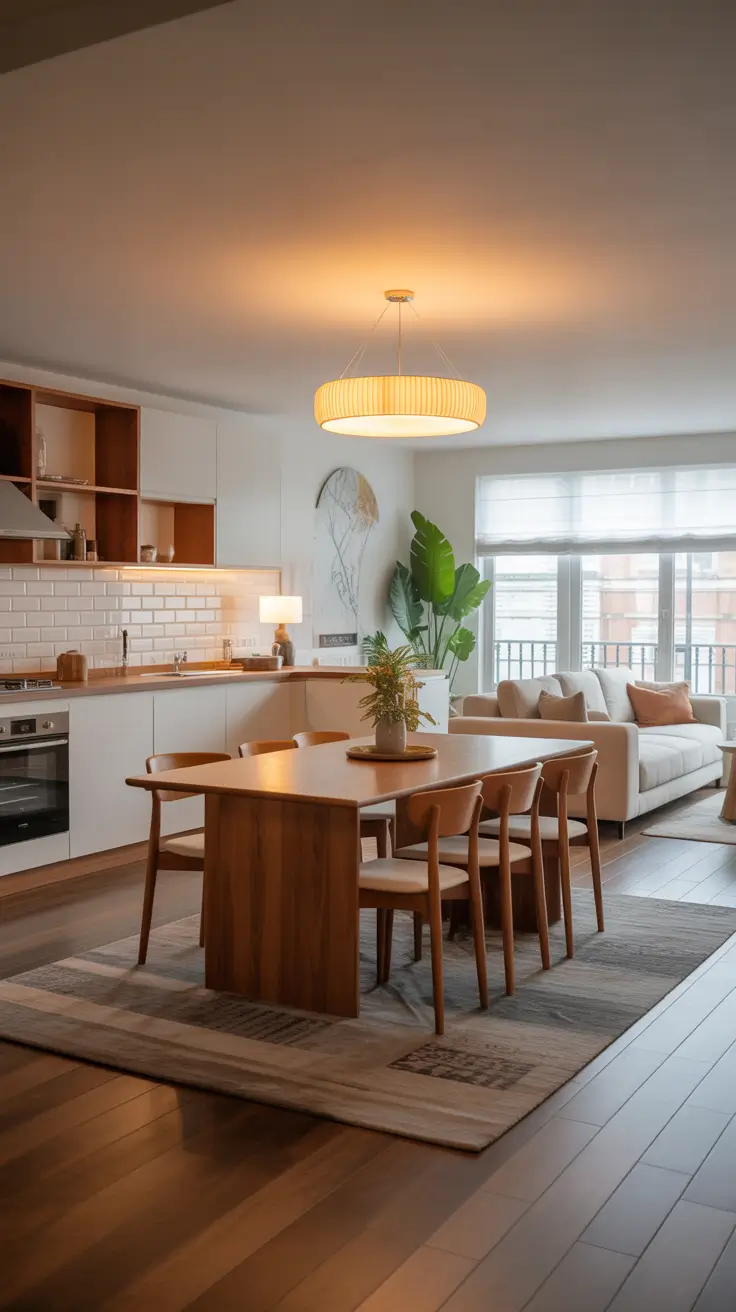
Matching furniture styles and textiles unify the space, while rugs delineate zones. Lighting layers comprising pendants, lamps, and recessed fixtures adapt the mood and function of each area.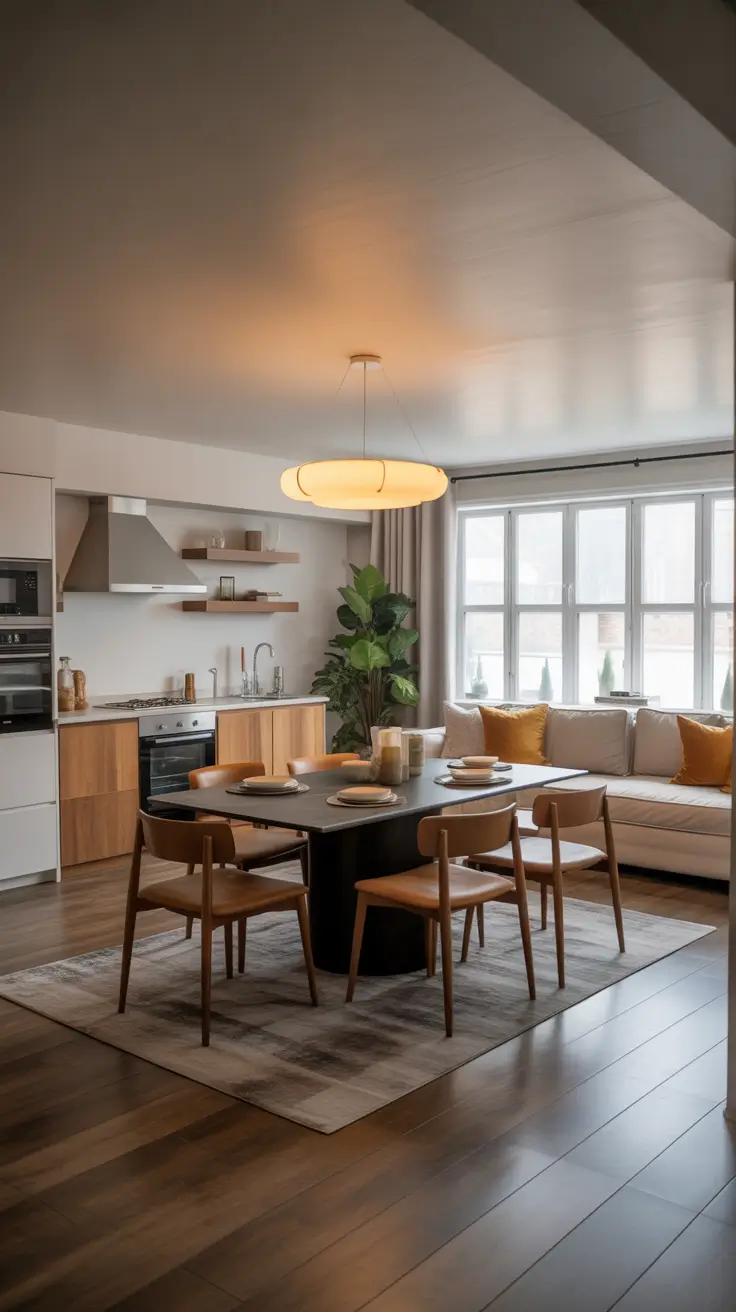
Properly scaled furniture is critical, ensuring ease of movement and visual balance throughout the open environment.
💡 Design Inspiration: 🛋️ Open Concept Living Room Furniture, Area Rugs
Incorporating artwork or subtle architectural features like columns can provide gentle spatial boundaries within these open plans, enhancing both aesthetics and function.
8. Cozy Farmhouse-Style Dining Room Remodels
Farmhouse-inspired dining rooms emphasize warmth through natural materials, inviting atmospheres, and a blend of rustic and modern furnishings. Popular interiors now lean toward soft hues, light wood finishes, and a balanced combination of classic and contemporary pieces. This style adapts seamlessly in open kitchen/dining living layouts and more formal colonial homes.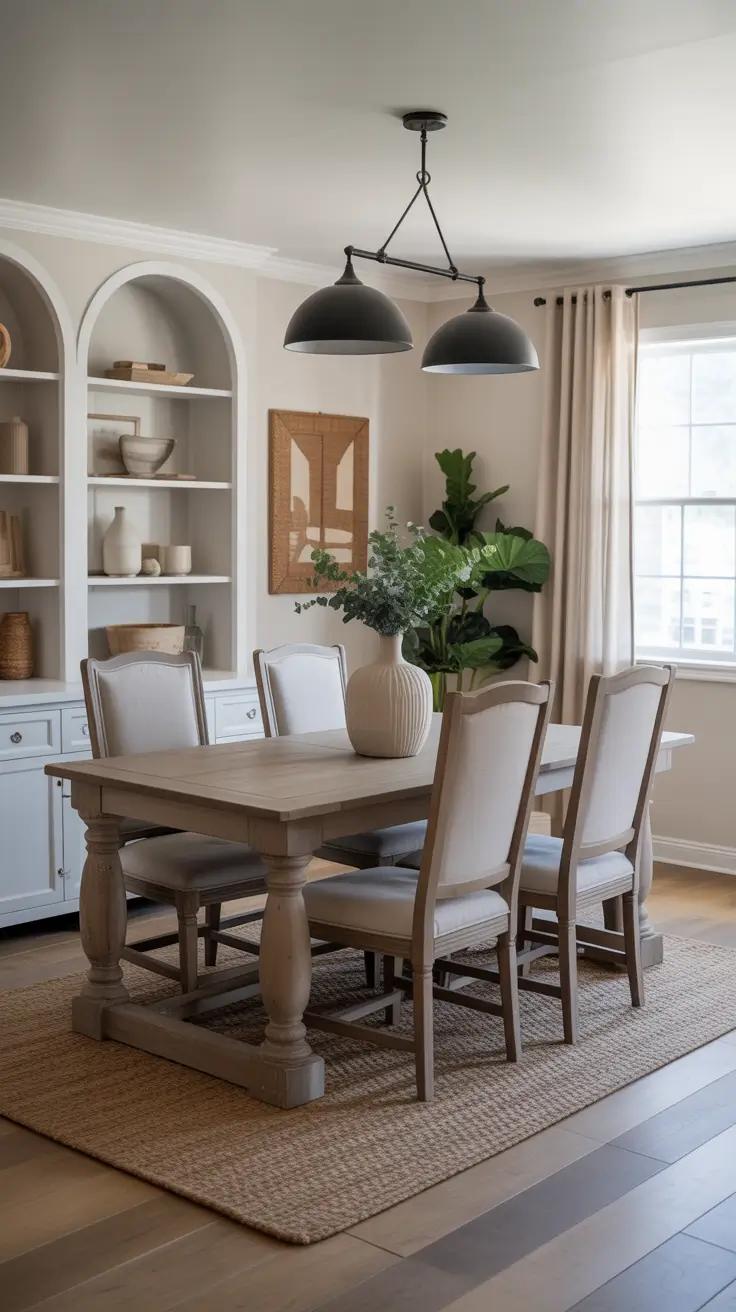
Furniture choices favor matte-finished solid wood tables and ladder-back or upholstered chairs. Complementary built-in hutches or standalone sideboards provide essential storage. Matte black or iron lighting fixtures add dramatic contrast, while linen fabrics and woven rugs soften the space. Decorative elements like handcrafted ceramics, greenery, and artisanal accents further emphasize farmhouse charm.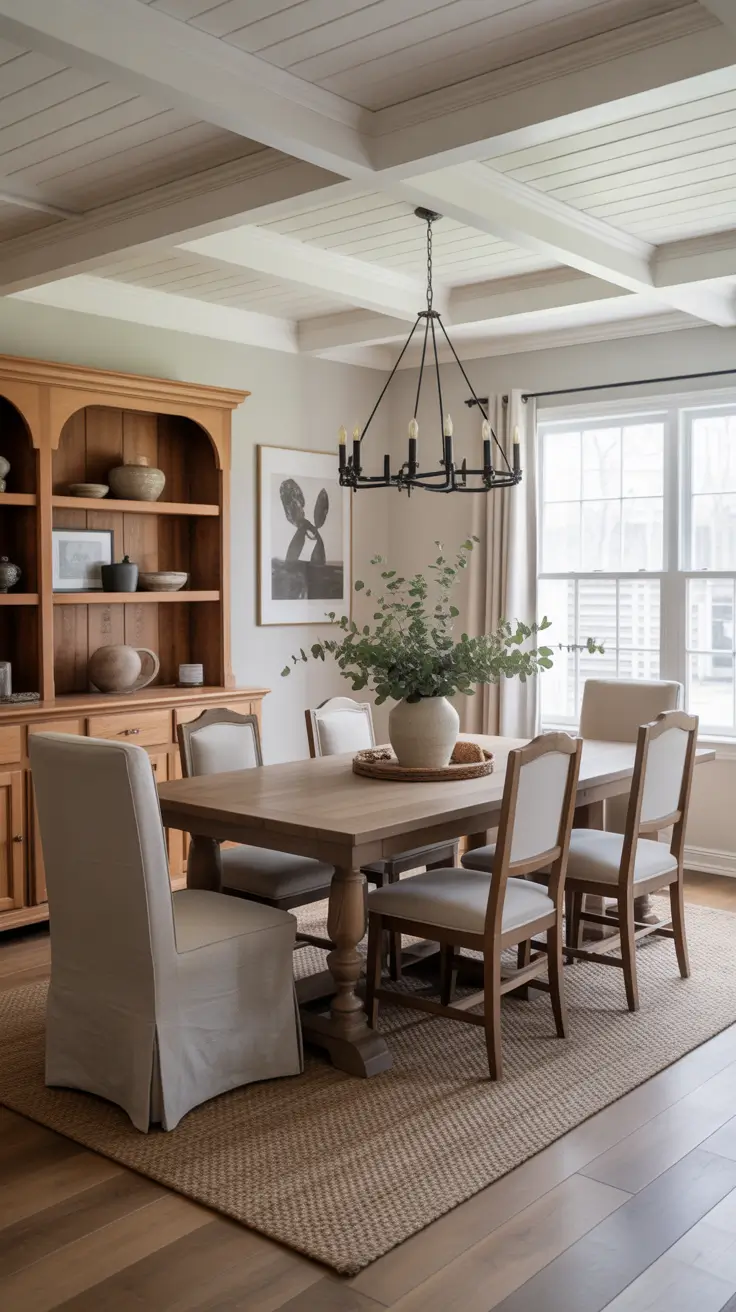
The hallmark of this style is combining aged character with contemporary comfort—a reclaimed wood table juxtaposed with modern lighting creates a timeless look sought by many homeowners.
💡 Design Inspiration: 🛋️ Farmhouse Dining Tables, Linen Rugs
Wide plank hardwood or high-quality laminate flooring complements the farmhouse aesthetic perfectly, adding warmth and durability.
9. Budget-Friendly Dining Room Upgrades
For cost-conscious remodels, I focus on high-impact changes that refresh the room’s look without extensive construction. This approach suits mobile homes, compact kitchen/dining combos, or any space where budget is a priority.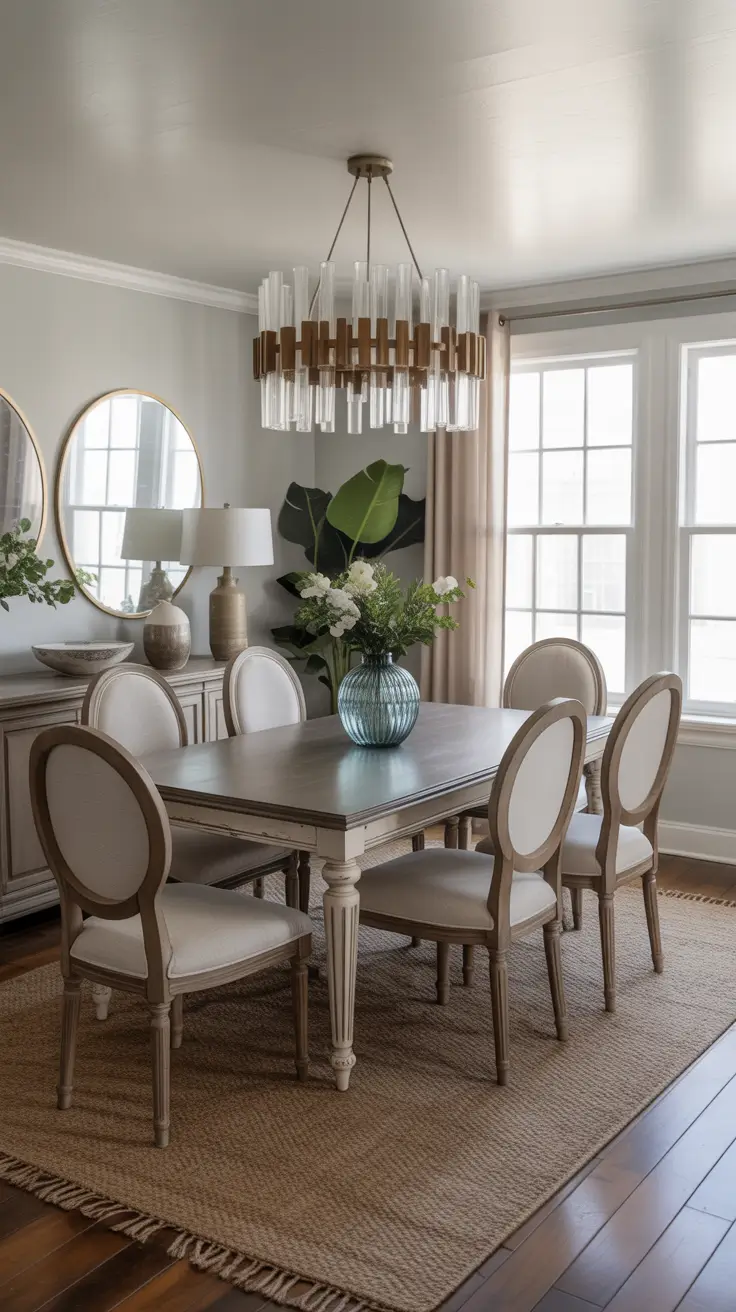
Simple updates like repainting walls, refinishing furniture, swapping chair cushions, or adding area rugs instantly revitalize the space. Peel-and-stick wall treatments, removable wallpaper, and affordable mirrors enhance visual interest affordably. Replacing outdated lighting fixtures with modern alternatives greatly improves ambiance and style.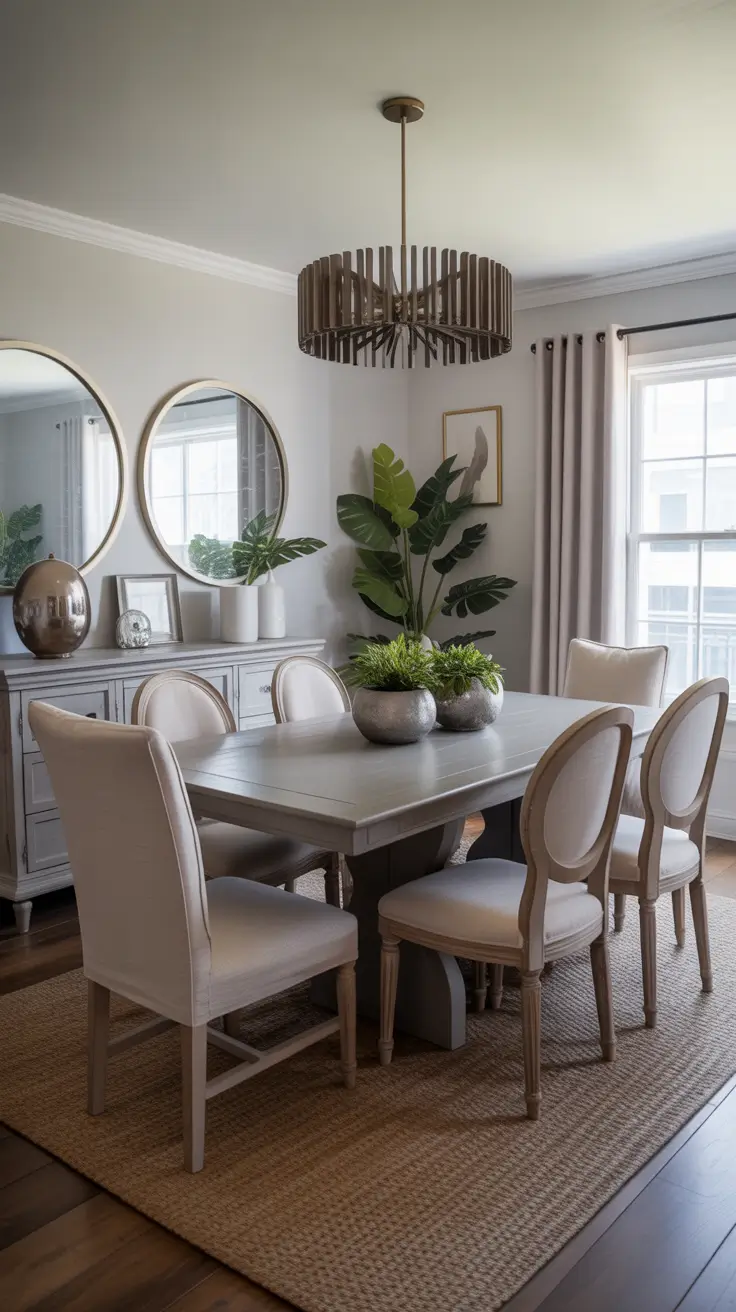
Experts recommend focusing investments on paints, lighting, and textiles for maximum returns on appearance and functionality in budget projects.
💡 Design Inspiration: 🛋️ Area Rugs, Peel and Stick Wallpaper
Inexpensive decorative touches—such as potted plants, framed prints, and DIY-centrepieces—can dramatically enliven the room while fitting a modest budget.
10. Before-and-After Dining Room Transformations
Clear design goals are foundational to successful remodeling. Common challenges such as poor lighting, mismatched furniture, and awkward layouts seen in “before” images are resolved in thoughtful after plans that integrate the dining room with adjacent kitchens or living spaces.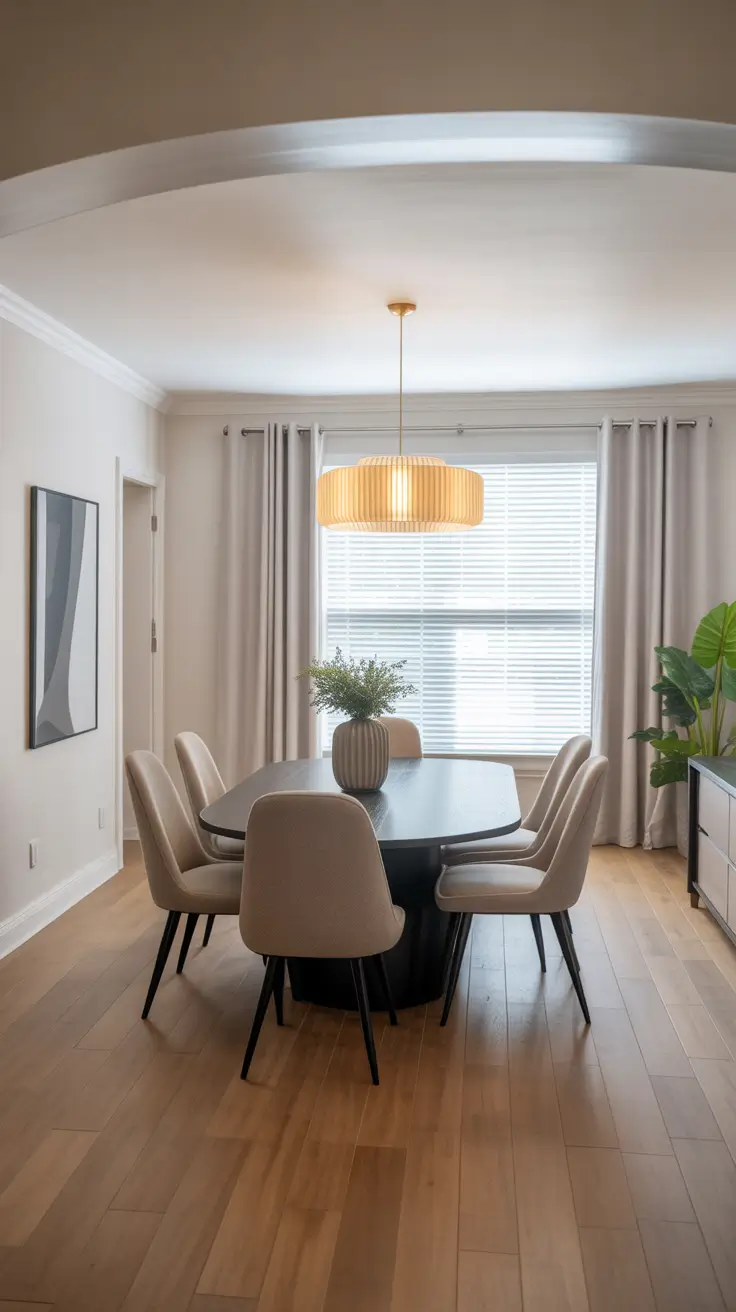
Furniture updates might involve replacing bulky tables with right-sized options or augmenting seating arrangements to better fit the space dimensions. Lighting is usually upgraded from a single overhead fixture to layered solutions using sconces, recessed lighting, or combined methods. Fresh flooring, repainting, and new window treatments complete the transformation.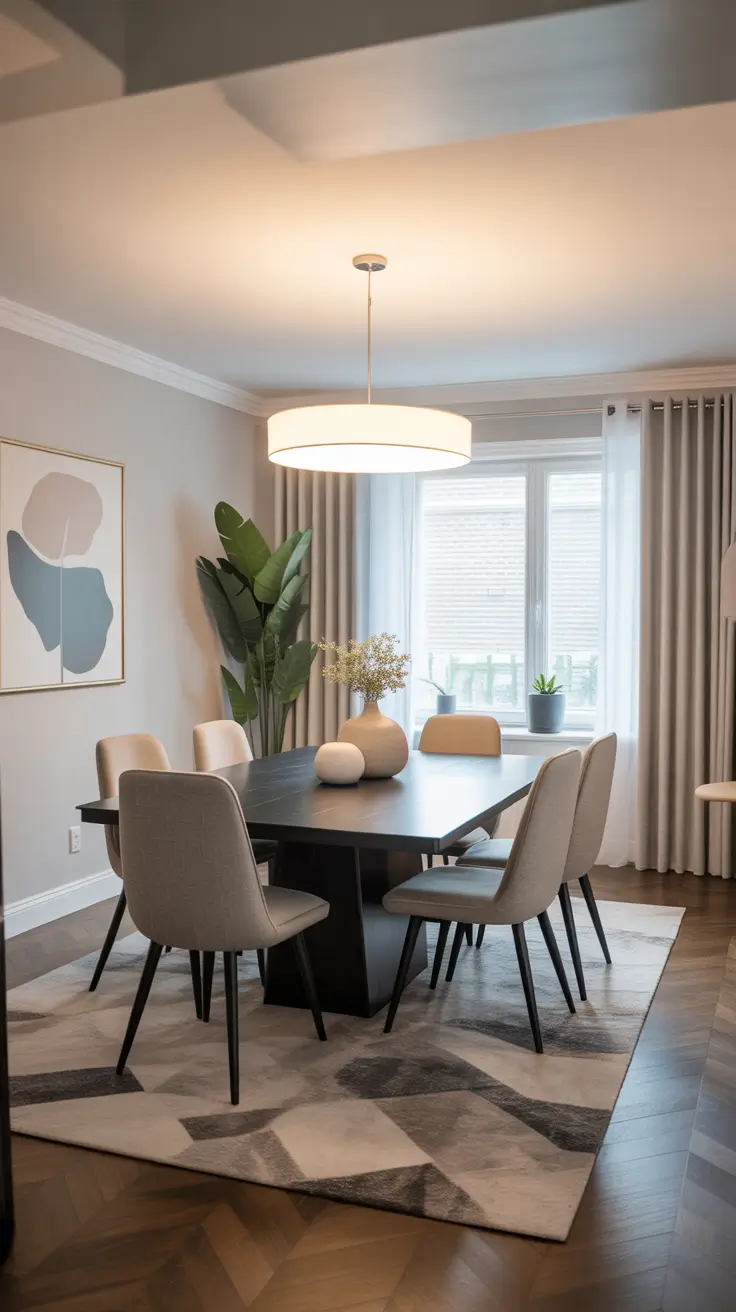
Sharing before-and-after visuals often inspires homeowners by highlighting tangible improvements—removing clutter, increasing luminosity, and optimizing movement are critical themes in successful redesigns.
💡 Design Inspiration: 🛋️ Lighting Fixtures, Window Treatments
Documenting remodeling progress visually helps homeowners track changes and make informed decisions during the process.
11. Transforming Dining Rooms into Functional Offices
Converting dining spaces into stylish home offices demands thoughtful planning to optimize natural light, traffic flow, and daily usability. This remodel suits households where formal dining is less essential. Whether part of an open kitchen concept or a separate room, the office should feel intentional and well-organized.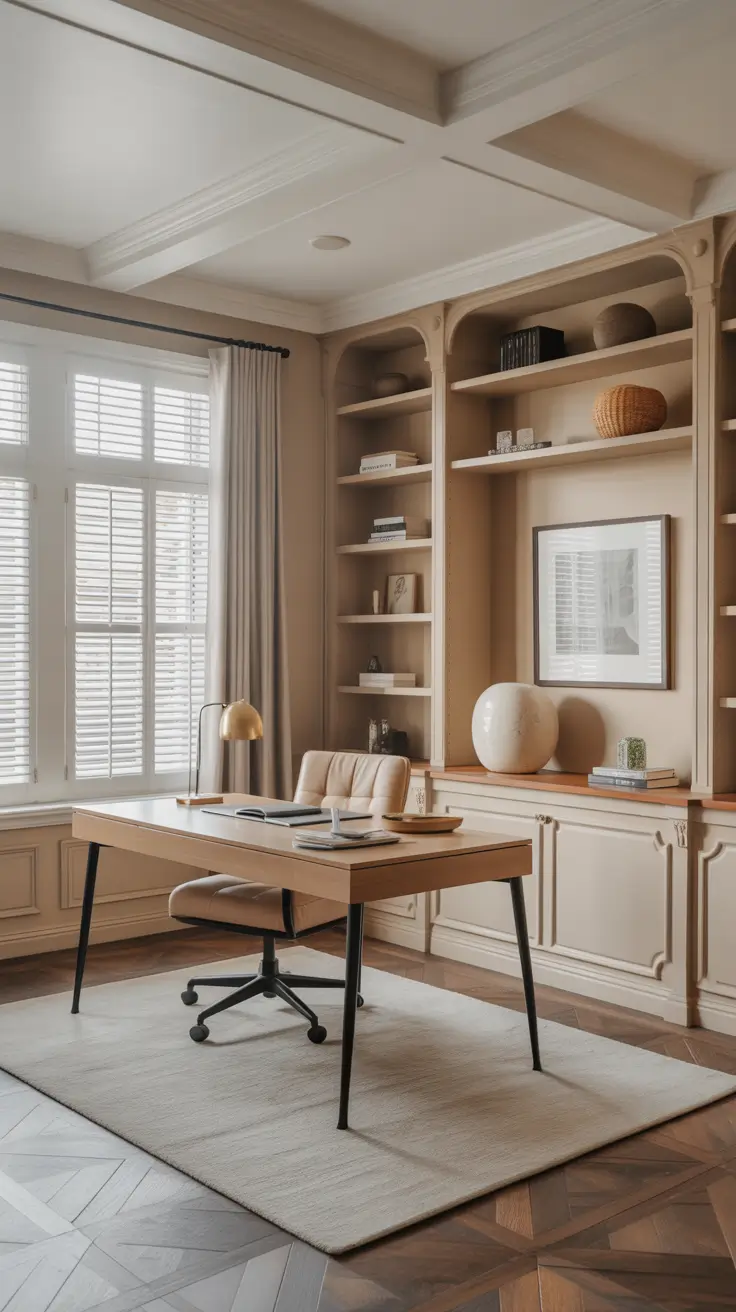
Choosing compact desks, ergonomic seating, and functional storage—potentially repurposing hutches or cabinets—ensures efficiency. Combining task and ambient lighting enhances work conditions. Soft rugs and acoustic panels improve comfort and sound control. Retaining dining elements like wainscoting or chandeliers preserves historical character within a practical workspace.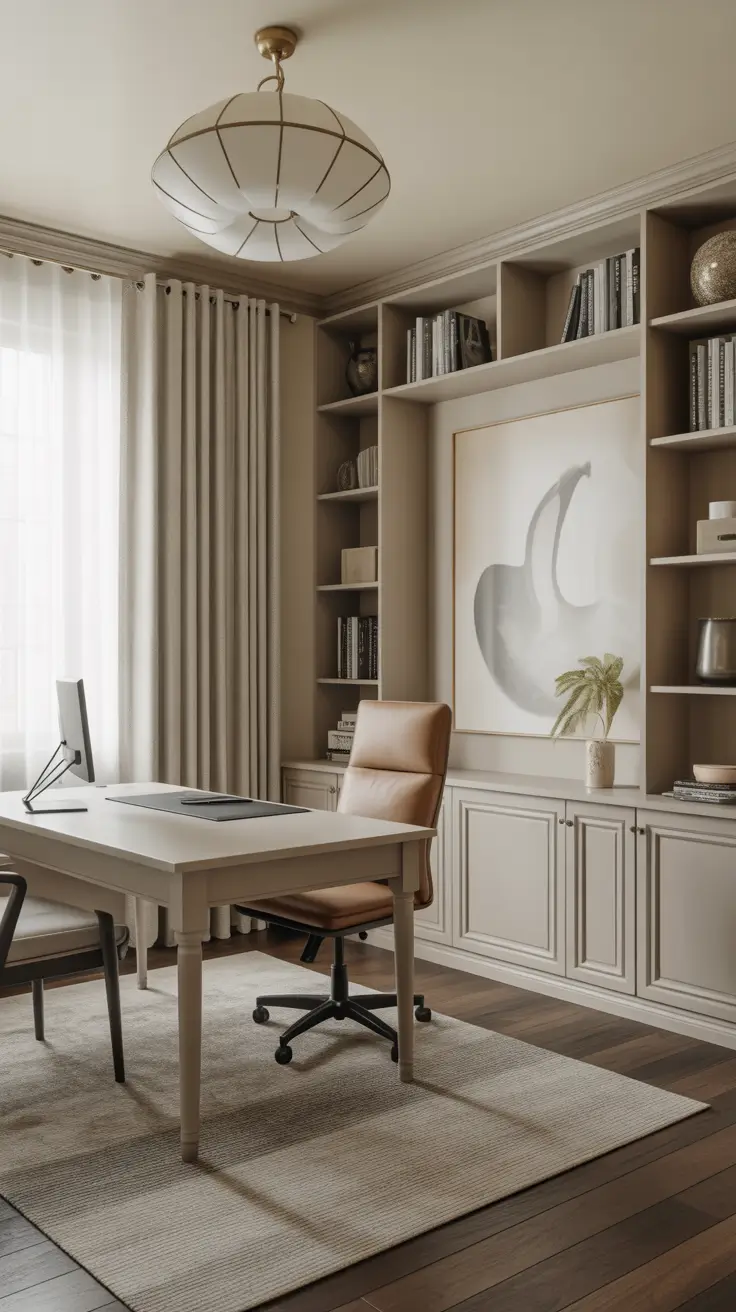
Multi-functional furniture and discreet cable management enhance organization and flexibility, making the space adaptable for occasional dining.
💡 Design Inspiration: 🛋️ Ergonomic Office Chairs, Task Lamps
Privacy and noise control can be enhanced with the addition of fabric draperies, decorative glass doors, or partitions, vital for open concept homes.