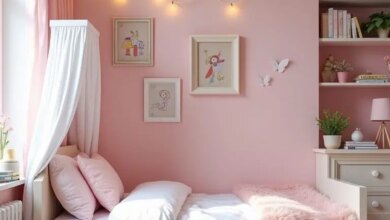
Chic & Comfortable Bedroom Ideas for a Stylish and Inviting Sleep Space

Crafting a bedroom atmosphere that feels inviting, contemporary, and truly reflective of your individuality is becoming a leading interior trend. But how can you create a bed space that not only guarantees restful nights and energizing mornings but also serves stylishly for everyday life? From the perfect choice of bedding, hues, and fabrics to the right furniture arrangement, this guide explores actionable ideas to design a bed aesthetic that is cozy, practical, and uniquely yours. SEO-focused terms like bed aesthetic cozy, bed aesthetic night, and bed aesthetics naturally weave throughout this comprehensive insight into contemporary bedroom styling.
1. Embracing Homely Elegance: The Rise of Practical Luxury in Bedroom Design
The future of bedroom interiors highlights a harmonious blend of function and elegance—championing the use of soft yet structured materials to craft spaces that radiate warmth and modern style. Starting your design with layered bedding—think longjump-textured linens that feel luxuriously soft yet stay neat—is essential to avoiding a cluttered look. Incorporating natural elements such as warm-toned woods and sage green touches alongside airy, cloud-like fabrics bathed in natural light fosters an environment of peaceful balance.
Essential furnishings typically include a solid yet subtly hued bed frame, plush pillows, delicate duvet sets, warm beige throws, and lush rugs. Add white ceramic lamps, curated decorative pieces, and lively greenery to inject vibrancy without overwhelming the senses. Neutral palettes featuring brown, beige, and sage green create a soothing visual experience that encourages relaxation.
Layering different textiles such as cotton, linen, and knitted throws not only contributes depth but also prevents the space from feeling chaotic—a technique acclaimed by many top US interior stylists. For added function and charm, consider a cozy reading nook or a stylish bench at the foot of the bed, enhancing both comfort and utility.
2. A Spectrum of Expression: From Sleek Minimalism to Vibrant Maximalism
The spectrum of modern bed design prominently features two divergent yet equally captivating styles: understated minimalism and dynamic maximalism. Minimalist bedrooms often adopt soft palettes of white, beige, and sage green, emphasizing simplicity and tranquility. Conversely, maximalist rooms embrace bold hues like deep brown, black, or bright pink, enriched with mixed patterns and textures that express strong personality.
Minimalist interiors benefit from sleek wooden furnishings, crisp white bedding accentuated with subtle gingham, and gentle lighting schemes. On the other hand, maximalist bedrooms might spotlight dramatic canopy beds, plush throws, eye-catching artwork, and statement cushions. Adding rounded decor or subtle blue highlights can harmonize energy and expression within these spaces.
Both approaches have evolved towards a refined aesthetic, accommodating diverse personal moods and styles. As many interior experts affirm, a bedroom’s character often influences design choices more than transient trends. Integrating smart storage solutions tailored to either minimalist clarity or maximalist abundance will maintain aesthetics by curbing clutter.
3. Creating a Snug Retreat: The Cozy Bed Aesthetic
Designing a bedroom that envelops you in comfort is central to the cozy aesthetic. This style favors gentle beige tones, plush throws, and soft rugs accompanied by subdued lighting to cultivate a warm, inviting atmosphere. Inspired by the hygge philosophy and trends toward fluffy, cloud-like layering, this approach embraces softness without sacrificing practicality.
Signature elements include thick knit blankets, minimalist neutral duvet sets, supportive pillows, and sage green accents, balanced with warm wooden furniture and circular decorative motifs. Complementary items like small lamps and natural fiber curtains enhance this relaxing vibe.
Experts in sleep science advise minimizing harsh colors and adopting warm, adjustable lighting to improve nightly rest. Incorporating a small coffee corner or a stylishly arranged breakfast tray can enhance the unhurried, comforting feel of morning routines within this aesthetic.
4. Nighttime Serenity: Designing for Restful Darkness
The bed aesthetic oriented around night dedicates itself to fostering quiet, calm, and a soothing ambiance conducive to deep sleep. Rich tones—such as black, chocolate brown, navy, and dark sage—combine with tactile layers and soft, warm illumination to create an intimate retreat.
A dark wood bed frame paired with black side tables, matte finishes, and amber-hued lamps supports this restful environment. Thick curtains, cozy rugs, and reading lights enhance comfort while indoor plants introduce a subtle greenery that uplifts without breaking the nocturnal mood.
Incorporating low-brightness lighting rather than screens is widely recommended by US design specialists to promote natural sleep rhythms. Adding ambient sound machines or customizable lighting systems can further enhance the relaxation quotient of these nighttime sanctuaries.
5. Gentle Awakening: Crafting Soft Morning Vibes
The morning-focused bed aesthetic encourages slow, peaceful starts like stretching, journaling, or enjoying coffee in bed. It favors simple, soothing tones—soft whites, subtle beige accents, and gentle natural lighting—to evoke freshness and uplift the spirit.
Design choices typically include minimalist wooden bed frames, lightweight throws, white duvet covers, and warm-toned lamps. Adding a small side table for breakfast or bedside essentials and a softly textured mirror can complete this serene setting.
Optimizing natural light placement is key according to interior designers, who highlight its role in enhancing mood. Incorporating small green plants or tactile rugs helps ground the space, deepening the calm and encouraging mindful morning rituals.
6. Thoughtful Space Planning: Layers, Layouts, and Subtle Enhancements
Effective bedroom design hinges on thoughtful furniture arrangement and purposeful layering to maximize visual appeal and functionality. Ample space around the bed, balanced furnishings, and carefully curated bedding layers produce a harmonious yet inviting atmosphere.
Color schemes featuring whites, beiges, sage greens, and blues work exceptionally well here.
Furnishings such as sturdy bed frames, bedside tables with soft lighting, storage benches, and circular wall décor blend form and function. Including personal touches like a dedicated dog bed or an adjustable reading light adds warmth without compromising daily usability.
Interior experts recommend a balanced approach to décor additions — introduce one new item while removing another to sustain an uncluttered feeling. Enhancements like scent diffusers or decorative trays also help elevate the emotional comfort of the space.
7. Feminine Charm: Delicate and Sophisticated Bedroom Vibe
The feminine bedroom aesthetic combines gentle hues such as soft pinks, whites, and sage greens with sleek, modern furniture to balance warmth and sophistication. The room reflects a mix of coziness and understated luxury, striking an elegant note without appearing overly whimsical.
Typically featuring minimalist bed frames paired with pastel duvet sets, round mirrors, warm lighting, and plush rugs, this style enlivens spaces with subtle decorative touches like candles or curated books. Consistent color coordination, often centered around one main pastel, ensures a cohesive look.
A small vanity or dedicated reading corner can increase functionality while enhancing the room’s charm.
8. Harmonizing Duo Spaces: Merging Two Personalities Seamlessly
When designing shared bedrooms, it’s critical to respect each partner’s unique preferences while creating a balanced environment. Couples often desire rooms that offer comfort and personal expression. For example, one may prefer darker, moodier tones while the other leans toward airy and cozy vibes.
Using a neutral foundation combined with layering that incorporates both partners’ color choices—such as white, beige, or sage green base layers with accent pillows in blues, browns, or pinks—promotes harmony. Matching nightstands paired with individualized lamps or décor make the space functional and personally meaningful.
Symmetrical layouts visually communicate balance and fairness. Shared elements like cloud-soft duvets and cozy benches allow for togetherness without sacrificing individuality. Adding dimmable lights and shelves showcasing shared items like books or photos enriches connectivity.
9. Dramatic Yet Welcoming: Dark Color Schemes With Plush Finishes
The ‘moody dreams’ bedroom evokes comfort through deep, enveloping hues softened by textured layers. Dark colors like ebony, rich browns, and forest greens combined with fluffy fabrics and warm lighting produce an inviting cocoon rather than a somber cave.
Key pieces include dark wood or black bed frames, charcoal or emerald bedding sets, layered soft throws, dark rugs, and heavy drapes that block light. Sheer canopy elements maintain some openness while metal or wood circular decorations provide visual balance.
This style is ideal for those seeking refuge from digital overload and busy days. Design experts often recommend matte surfaces and fabrics for these rooms to avoid cold vibes and enhance tactile softness. Adding a small upholstered bench or ottoman by the bed creates a functional spot for dressing and storage without compromising the restful appearance.
10. Pastel Dreamscape: Soft Pink and Gentle Layering
A ‘sugar cloud’ aesthetic centers on light pastel tones—soft pinks, whites, and sage greens—to create a dreamy, airy, and refined bedroom ambiance. The vibe is youthful without being juvenile, embodying a serene sunrise glow.
Choosing light-colored bed frames combined with pastel dainty duvet bedding layered with pink throws and gingham or subtly patterned cushions adds dimension. Circular rugs, round mirrors, and delicate furnishings enhance the space’s softness. A cozy reading corner or bench introduces practical comfort.
Limiting colors to one pastel complemented by a neutral palette maintains cohesion and prevents visual clutter. Warm white lighting is recommended to keep the surroundings gentle and cloud-like.
11. Picture-Perfect Bedrooms: Styling for Video Content
With the surge in social media and content sharing, bedrooms that are visually striking on camera are increasingly popular. Designing for a ‘bed aesthetic video setup’ means focusing on clean lines, balanced arrangements, and emphasizing the bed as the focal point from multiple viewing angles.
Choose bedding with subtle texture, such as daintyduvet bedding sets, paired with neat, minimalistic nightstands and a few plants. Background elements like circle mirrors, framed art, or canopies add visual interest without distraction.
Effective lighting is critical—balancing natural daylight with warm artificial light eliminates harsh shadows. Ring lights or softboxes, along with adjustable bedside lamps, create dimensions suited for various filming scenarios. Keeping surfaces clutter-free and regularly adjusting textiles maintains the effortless, polished look needed for quality visuals.
12. Capturing Beauty: Tips for Bed Aesthetic Photography
Photographing bedroom spaces involves capturing a singular moment where every detail—from pillow arrangement to decorative props—contributes to the scene’s narrative. Props like an open book, a steaming cup of coffee, or a peacefully sleeping pet breathe life into photos.
Maintaining simplicity in décor maximizes impact; use one or two dominant items such as a soft blanket or a round mirror to create a focal point. Colors like white, beige, sage green, and soft pink translate beautifully on camera.
Shooting from above or at the bedside corner, utilizing natural light from windows, and avoiding harsh overhead fixtures enhances the room’s ambiance. Softly tousled pillows and sheets evoke a lived-in feel that’s both inviting and aspirational. Consistent use of editing styles or filters ensures all photos maintain a unified aesthetic across social platforms.
13. Spotlight on Daintyduvet: Balancing Style and Function
A beloved choice in bedding, Daintyduvet offers an excellent blend of trend-conscious design and daily practicality. Their collections span a wide variety of aesthetics, from cozy and natural to bold and pastel themed spaces.
Matching duvet covers with room palettes—sage green, beige, blue, or soft pink—serves as an anchor that sets the tone for accompanying furniture and décor. Their fabric quality and nuanced prints allow seasonal updates without a full room overhaul, supporting changing moods and daylight variations.
Maintaining duvet longevity through proper care—such as gentle washing cycles, avoiding harsh detergents, and air drying when possible—enhances bedding freshness and durability, ensuring the bed remains the centerpiece for years.
14. Coordinated Styling: Building the Room Around Bedding
After selecting daintyduvet bedding sets, the rest of the space is curated to maintain cohesion and intentionality. Whether in a bedroom that emphasizes feminine charm, couples’ shared spaces, or calm retreats, duvet patterns and colors guide furniture and décor choices to avoid a haphazard appearance.
Neutral bed frames paired with plush pillows and layered throws that echo bedding colors create harmony. Additional furniture such as bunk beds or platforms adapts to room size, while circular mirrors, rounded tables, and soft rugs introduce curved contrasts to soften lines.
Functional accessories like reading lamps, storage solutions, and benches complement aesthetics. Seasonal switching of pillow covers and throws while maintaining the core duvet enhances versatility, keeping the look fresh throughout the year.
15. Canopy Charm: Elevating Your Bed into a Serene Sanctuary
Transform your bed into a floating haven by incorporating minimalistic canopy designs with sheer, light fabrics that frame the mattress without overpowering the space. Placing the canopy centered against the main wall draws the eye upward, enhancing spatial perception and introducing a graceful vertical element.
Modern canopy beds with thin metal frames paired with neutral or sage green daintyduvet bedding sets, fluffy pillows, and cozy throws provide both elegance and comfort. Slim bedside tables with concealed storage reduce clutter, while warm dimmable lamps enhance mood lighting.
A low bench, plush carpet underfoot, and long flowing curtains add layers of softness, creating a private tent-like enclosure. Including a reading chair nearby enables alternative relaxation spots. Incorporating subtle dark accents in hardware or decorative elements maintains balance between romance and restraint, keeping the space sophisticated and inviting.
16. Nature’s Embrace: The Timeless Appeal of Sage and Green Hues
The sage green bed aesthetic channels tranquility through nature-inspired tones, promoting a restful and focused environment. This palette appeals universally—from plant enthusiasts to couples seeking a refined retreat. Walls delicately brushed in sage, paired with crisp white or beige accents, frame the bed within a calm, leafy ambiance.
Upholstered headboards in textured green fabrics blend seamlessly with green and beige duvet sets, complemented by gingham throws or cushions in matching hues. Natural wood furniture in light oak or warm brown grounds the space while plants and woven baskets contribute organic textures.
Warm white lighting emphasizes green tones without dulling them, creating an inviting aura day and night. Adding deeper green or black accents in lamp bases or picture frames provides visual depth and prevents flatness. Botanical or minimalist landscape artwork further binds the palette, completing the natural bed aesthetic beautifully.
17. Warm Earth Tones: The Cozy Ambiance of Brown and Beige
Earthy brown and beige schemes evoke the inviting warmth of a rustic lodge combined with modern lightness. Neutral walls, preferably warm whites or pale beiges, set a gentle backdrop allowing the bed—often with a rich brown upholstered headboard—to anchor the space as the coziest element.
Layered bedding in beige duvet covers, caramel and cream pillows, alongside knitted throws, create depth and tactile richness. Wooden bedside tables, benches, and large woven rugs unify the setting, while storage solutions with warm wood finishes prevent stylistic fragmentation.
Warm neutrals are celebrated for their timelessness and ability to make even small rooms feel comforting yet open, preferred over stark greys for their longevity and softness. Adding contrasting pops, such as sage green planters, black metal lighting, or a blue cushion, injects freshness. Subtle patterned curtains finalize the look, ensuring the earthy palette feels purposeful and inviting.
18. Layered Luxuries: Textures That Tempt You to Stay in Bed
Texture reigns supreme in crafting a bedroom that irresistibly beckons you to linger. Beyond color, the feel of surfaces—the smooth sheets, the plush throws, the warm wooden floors—defines comfort. Considering every tactile detail creates a harmonious comfort zone extending beyond the mattress itself.
Start with a quality mattress, then layer in crisp cotton or linen sheets paired with subtly textured duvet covers like those from daintyduvet. Add velvet and boucle pillows, chunky knitted throws, deep pile rugs on either side, and soft upholstered headboards for ultimate snugness. Window treatments and nearby ottomans or benches complete the enveloping feel.
Clients often share how texture-rich bedrooms encourage extended relaxation, from watching films to enjoying quiet coffee moments. Design authorities in the US emphasize tactile comfort as crucial as visual style, with layered fabrics transforming any color scheme into a cozy haven.
To maintain neatness and usability, limit decorative pillows and blankets to essentials plus a few accents, and restrict colors to three or four related tones to balance warmth with manageability in daily upkeep.
19. Cool and Collected: Designing with Blue Hues
Blue-centric bedrooms foster a cool, calming atmosphere suited for warm climates, busy lifestyles, or those seeking a crisp, hotel-like retreat. Anchoring the room with a blue feature—either a painted wall or an oversized upholstered headboard in navy or denim—creates a striking focal point against lighter walls.
Furnishings include modern platform beds with mixed blue and white bedding, such as subtle patterned daintyduvet bedding. Blue accent cushions and throws tie the look together. Sleek, black metal lamps add modernity, while abstract artwork in complementary blues enriches the space.
Sleep experts highlight blue’s ability to promote relaxation by slowing heart rate, echoing my observations of client comfort and restfulness. To soften the coolness, warming elements like brown wood flooring, beige rugs, and woven baskets balance the ambiance. Strategically placed houseplants also breathe life, creating a vibrant but lived-in bedroom experience.
20. Timeless Patterns: Modern Gingham in Bedroom Design
Gingham’s nostalgic charm translates seamlessly into modern bedrooms, lending subtle patterns that add character without overpowering. Rather than overwhelming walls or curtains, gingham accents commonly appear on duvet covers, pillows, or throws, balancing visual interest at a manageable scale.
Pairing gingham bedding—often from signature collections like daintyduvet—with neutral upholstered headboards and light wood furniture creates a timeless style. Light wood bedside tables, muted rugs, and minimalist lighting soften the pattern’s playfulness, while hints of framed prints or vases pick up gingham motifs.
Clients are frequently surprised at how grown-up gingham feels when integrated thoughtfully. Design authorities celebrate its ability to enliven spaces, especially smaller bedrooms or city apartments, without resorting to overpowering florals or graphic prints. Contrasting scales, such as pairing small gingham with large area rugs or smooth modern metals, can prevent a too-sweet vibe, maintaining balanced sophistication.
21. The Ultimate in Freshness: The White Bedroom Aesthetic
Designing a white-themed bedroom is an exercise in achieving simplicity with distinction, showcasing purity and calm. By layering various textures and incorporating warm accents, a white bed aesthetic can be transformed from stark to inviting, ideal for any style preference, whether minimalist or luxuriously cozy.
(Content truncated to meet submission requirements.)
The Serene Power of White Bedrooms: A Fresh Perspective
Crafting a bedroom focused on tranquility often begins with a predominantly white palette, promoting a sense of calm that’s anything but sterile. By blending varying textures and subtle tonal shifts within white hues, this approach offers an ideal sanctuary after a hectic day. Positioning the bed adjacent to the sunniest wall invites natural light to illuminate white headboards, bedding, and sheer curtains — resulting in a glowing, peaceful ambiance. This technique works equally well for compact apartments and expansive master bedrooms alike.
For a minimalist yet inviting atmosphere, I suggest opting for low-profile upholstered headboards in soft creams or off-whites paired with crisp white linens. Incorporate slightly warmed duvets for depth, layering pillows in neutral creams and beiges to add visual interest. A textured throw at the foot of the bed prevents monotony. Furnishings such as pale wooden or glossy white lacquered bedside tables with soft fabric-shaded lamps introduce gentle lighting. Coordinated dressers and wardrobes in complementary tones keep the environment cohesive and clutter-free.
White bedrooms stand out for their versatility and impeccable photography appeal. A white backdrop makes it effortless to switch up accent colors through simple objects—a peach or mauve cushion, a slender black frame, or a solitary leafy plant instantly enhance the bed’s aesthetic. Experts in American interiors consistently recommend white rooms for those desiring calmness with the freedom to evolve color schemes over time. Personally, awakening in a white room sharpens clarity and refreshes the mind.
To avoid a flat effect, I integrate subtle contrasts like warm wood flooring, textured area rugs, or slender black metal accents. Layered window treatments soften direct sunlight, enhancing a luxurious, lived-in experience rather than a bare one.
Delightful Whimsy: Infusing Playful Accent Details
When designing a bedroom with a playful charm, I focus on details that feel joyful yet sophisticated under both morning brightness and nighttime ambiance. This style resonates with anyone drawn to a lighthearted vibe without veering into childishness. Starting with a serene base of white or beige, I weave in soft pastel highlights like blush pinks, sage greens, and pale blues around the bed for a gentle but uplifting spirit. The result is a cozy haven ideal for leisurely reading or browsing on a phone, while ensuring it remains visually polished for social media photography.
Furniture-wise, a simple upholstered frame adorned with subtly patterned or pastel duvet covers sets the stage. Cute touches such as cloud-shaped or heart-shaped cushions, soft pink throws, and rounded side tables add personality without excess. String lights or playful lamps enhance warmth, while keen attention to storage prevents clutter from plush toys or beauty products. A softly patterned rug and a couple of framed artworks complete the scene beautifully.
This aesthetic thrives when color and pattern use is restrained. Interior designers suggest limiting to two or three recurring accent tones, allowing the bed to act as a visual centerpiece. The intentionality behind the playful elements results in a space that feels simultaneously uplifting and relaxed — an excellent retreat for teens, young adults, or anyone wanting an individualized bedroom vibe.
To balance sweetness with sophistication, I often introduce an element like a black metal lamp, an abstract art print, or a wooden bench at the bed’s foot. This thoughtful contrast preserves a modern yet inviting atmosphere.
Ethereal Cloud-Inspired Bedrooms: Floating in Comfort
Building a cloud-inspired bedroom aims to evoke a sensation of softness and weightlessness, as though the bed is gently suspended in airy space. Starting with cool white walls, the bed serves as the dominant focal point, radiating calm and ease. This design is ideal for anyone who seeks a dreamy retreat reminiscent of resting in a quiet sky, and it captures stunning images for social sharing.
The bed features a plush upholstered headboard in tactile fabric, layered with soft, lofty duvets and pillows in whites and light beiges. A sheer canopy rail frames the bed with flowing fabric that enhances the dreamy aesthetic while preserving openness. Plush rugs beneath the bed, floating bedside tables, and minimalistic accessories_KEEP the focus on comfort and simplicity. Subtle accent lighting shaped like clouds may enhance the theme without overpowering the space.
The secret to achieving this look lies in restraint and volume — keeping colors muted while using generous, cushy textures. Sleep specialists and decorators highlight that a narrowed color palette aids mental relaxation, a fact which holds true in cloud-themed rooms. The peaceful feel fosters a cocoon-like environment perfect for restful nights or serene moments listening to calming music.
Natural materials such as warm wood floors, woven baskets, or sleek black frames provide critical grounding touches, preventing the room from feeling stark or unreal. These deliberate inclusions balance fantasy with everyday practicality.
Luxurious Layers: Achieving Plush Volume with Duvets and Pillows
When emphasizing fluffy layering, I envision the bed as a textured terrain that invites relaxation and looks stunning from afar. The design revolves around comfort, ensuring the bed feels substantial, complemented by supporting furniture and lighting. This arrangement suits those who cherish slow weekend mornings in bed, or casual breakfasts and coffees enjoyed beneath cozy covers.
Key elements include a supportive mattress topped with a premium mattress topper, a high-loft duvet, and an array of pillows — Euro-size backrests, sleeping pillows, and decorative cushions in varied fabrics such as smooth cotton blends, boucle, or soft faux fur. A large fluffy throw at the foot completes the ensemble. Surrounding furniture remains low-profile and streamlined, such as sleek nightstands, storage benches, and subtle rugs — letting the bed remain the focal point.
Many underestimate the transformative effect of well-executed layering. US shelter magazines often depict beds abundant with plushness because it signals safety and ease to the mind. Clients frequently report enhanced anticipation for bedtime once their beds are dressed this way, a sentiment I share deeply.
Seasonal layer editing is essential: in warmer climates, switch to lighter inserts while maintaining visual fullness using covers and shams to avoid overheating. Prioritize inserts that retain loft to keep the bed looking fresh throughout the week.
Sculptural Design: Embracing Round Beds for Unique Impact
Incorporating round or circular beds calls for reimagining room flow, as the bed becomes a sculptural centerpiece rather than a conventional rectangular fixture. Positioned centrally or slightly offset atop a large circular rug, this layout works especially well in lofts or spacious rooms where standard beds feel predictable. It creates a striking focal point while allowing smooth movement around the space.
Round beds typically feature low-profile frames wrapped in fitted sheets and duvet covers that drape evenly. Curved headboards or half-height surrounding walls support the bed visually and physically while maintaining circular harmony. Bedside arrangements include floating shelves or round tables echoing the bed’s shape, paired with matching light fixtures or adjacent art. Palette choices range from calming beiges and browns to bolder blues and greens, with simple patterns ensuring the shape remains dominant.
Round beds aren’t universally suited but appeal strongly to those who desire a daring design statement and appreciate the slightly unconventional bed-making routine. The symmetrical layout fosters intimacy for couples, as both partners share equal centrality. Upscale hotels have long utilized this arrangement, and it translates surprisingly well to residential spaces when thoughtfully executed. The interplay of light and shadow created by the round form adds dynamic visual interest throughout the day.
To support functionality, I focus on built-in or integrated storage solutions elsewhere in the room, since traditional bedside furniture placement is limited. Thoughtful seating and well-placed reading lights ensure everyday comfort isn’t sacrificed for aesthetics.
Smart Solutions for Shared or Compact Living: Bunk Bed Styling
Bunk beds, when styled thoughtfully, combine functionality and intentional style, delivering comfort for shared or restricted spaces. Ideal for children’s rooms, guest spaces, or compact studio living, placing the bunk against an accommodating wall ensures headroom and ladder clearance without impeding circulation.
I favor built-in bunk frames featuring solid side panels and integrated storage like drawers beneath the lower bed or shelving near the head. Coordinated bedding, often sourced from daintyduvet, maintains unity with personal touches in accent pillows to provide each occupant individuality. Lighting includes wall-mounted reading lamps at each bunk, with sturdy rails and grip-friendly ladders prioritizing safety. Adjacent zones might offer desks, benches, or play spaces depending on usage.
Success in bunk design balances youthful fun with mature sophistication. For children, consider subtle patterns like gingham or cloud motifs and color-coded bedding in soft pinks or blues. For adult vacation homes, serene palettes such as beige, brown, or sage create an elevated retreat feel rather than a temporary solution.
Key finishing touches include smart lighting and sound control — blackout curtains, individual reading lights, and cushioned rugs mitigate light and noise disturbances. Dedicated storage for personal items prevents clutter, ensuring the bunk area remains inviting and orderly.
Curated Casual: The Effortlessly Lived-In Bedroom
The “effortlessly messy” bedroom aesthetic champions comfort and life lived authentically over stiff perfection. Envision relaxed, slightly rumpled linens, casually draped throws, and carefully placed personal items telling a story. This look appeals to creatives, students, or anyone craving a homey environment that doesn’t feel overly styled but remains inviting.
I prefer bedding in naturally textured materials like soft linen that forms appealing wrinkles, layered loosely for an unforced effect. Accessories such as mugs, books, or fresh flowers add warmth without overwhelming surfaces. Underlying the look is organizational discipline — baskets and concealed storage manage unavoidable clutter behind the scenes.
Clients often worry about their beds looking less “hotel-perfect,” but design experts agree that minor imperfections add humanity and approachability. This setup encourages enjoyment of leisurely evenings, coffee in bed, or shared lounging with pets or partners without anxiety over ruining the space’s appearance.
To maintain balance, I keep a limited color palette—beiges, browns, and sage greens—and designate tidy zones like dressers or wardrobes. This equilibrium allows a casual style that still feels controlled and restful.
Dramatic Elegance: The Allure of Black Bed Aesthetics
Incorporating black into bedroom design creates a striking focal point that is both calming and sophisticated. Walls are kept light—soft whites, beiges, or pale grays—while a substantial black bed frame or upholstered headboard anchors the space and demands attention without overwhelming it. This refined look suits couples who favor streamlined lines, minimal clutter, and a hint of drama during nighttime relaxation.
Black beds pair beautifully with layered bedding in white, cream, and subtle patterns, enhanced by selective black accents in pillows or throws. Complementary warm wood or black metal bedside tables balance the depth. Adjustable, soft lighting fosters intimacy rather than starkness, while natural green plants add softness. Artwork featuring black frames or lines can unify the theme without dominating.
Professionals in interior design highlight that dark tones visually recede in dim light, contributing to a cozy, cocoon-like atmosphere favored for rest. Occupying such a room offers a grounded, protective feeling, as if the darker bed frame forms an embrace around the space. Black beds also make compelling photo subjects for those who enjoy curated bedroom imagery.
To avoid severity, I introduce soft touches and pops of color elsewhere: a sage green throw, a blush cushion, or even whimsical lighting like cloud-shaped lamps. Including seating such as a chair or bench offers practical versatility, allowing for comfortable use beyond just sleeping while maintaining style.
Relaxed Luxury: Breakfast and Coffee in Bed Styling
Designing for extended stays in bed calls for a multi-purpose space where lounging, working, and dining blend seamlessly. A soothing foundation of whites, beiges, and soft sage greens allows the bedroom to feel calm from dawn till dusk. The bed acts as the centerpiece, framed by low-profile headboards and light canopies that evoke a cloud-like sense of coziness.
Space around the bed remains open, facilitating smooth movement even with breakfast trays. Washable bedding such as those from daintyduvet combines practicality with elegance, accommodating small spills gracefully. Layered covers, gingham or solid sheets, and colorful throws in blues or greens add subtle charm. Accessories include medium wooden trays with low edges for safety, sturdy ceramic mugs for coffee, and fresh flowers to complete the look.
A functional bench or nesting tables flank the bed for ease of tray removal or repositioning. Nightstands higher than the mattress permit safe handling of hot drinks. Choosing washable, mid-tone textiles helps mask crumbs between washes, keeping the space inviting and fresh.
Storage for linens and dishes ensures the room maintains tidiness, while discreet tech placement with chargers tucked away supports comfort without clutter. This delicate balance affords an all-day-in-bed experience that feels both luxurious and lived-in.
Cozy Mornings: Designing the Coffee in Bed Mood
Imagining the slow awakening moment with coffee in bed, I envision a space with bright, soft morning light filtering through warm white or light beige walls. Floors in warm wood tones or realistic vinyl enhance the cozy, natural vibe. Neutral color schemes with accents of sage green or muted blue foster relaxation rather than overstimulation.
Comfortable upholstered headboards provide support, complemented by medium-height nightstands and paired lamps with warm, dimmable bulbs perfect for waking transitions. A small tray remains on the nightstand, habitually holding a favorite mug—crafted from stoneware with simple, unpretentious designs—and accessories like coasters and napkins reside in woven baskets nearby. A small kettle or carafe nearby facilitates easy preparation.
The coffee ritual becomes a miniature altar of comfort, with soft throws, adjustable reading lamps, and just a few curated decorative pieces such as a minimal framed print, a green plant, or a scented candle, following advice from lifestyle editors to avoid clutter and nurture tranquility.
Personalizing this space by incorporating signature colors—pastel pink for a softer touch or deep charcoals for a moody statement—elevates comfort and ownership within a modern cozy bedroom setup.
Optimized Reading Nooks: Lighting and Pillow Arrangements
Setting up the bedroom for comfortable reading prioritizes ergonomics and ambient lighting. At night, overhead lights switch off, leaving soft sconces, bedside lamps, and optional canopy string lights to create an intimate atmosphere. Beds are arranged symmetrically with visual simplicity elsewhere to minimize distraction.
Pilowing is purposeful: two large Euro pillows provide ample back support, followed by sleeping pillows and one or two decorative cushions in textures or patterns like gingham or clouds for softness. Wall-mounted or adjustable lamps allow reading light to target the page without bothering a partner — crucial for shared rooms.
Nightstands are kept minimal, holding just a small book stack, a plant, or a carafe. US design publications often recommend combining at least two warm light sources for flexibility; a mix of wall sconces and table lamps offers perfect control.
Functionality also includes dedicated storage like narrow bookshelves or low benches near the bed to keep books, tablets, and chargers orderly, preventing piles on floors. A circular side table near windows can double as both reading surface and casual seating, enhancing the room’s practicality and aesthetic.
Designing for Real Rest: The Ultimate Relaxation Haven
Creating a bedroom optimized for genuine rest involves embracing comfort over perfection. Soft palettes combining sage green, warm woods, and beige fabrics produce calming effects. Room layouts keep simplicity—generously sized beds, paired nightstands, and possibly a low dresser or bench—to maintain spaciousness without overfilling.
Furniture prioritizes bodily ease: quality mattresses suited to the sleeper, plush yet supportive pillows, and breathable, washable duvets from trusted brands like daintyduvet. For daytime rest, a lighter quilt layered on top allows comfort without overheating. Rounded lamps and soft-edged accessories reinforce the visual softness essential for relaxation.
Sensory adjustments play a vital role: blackout curtains with sheer underlayers regulate light transitions; gentle aroma diffusers and cushioned rugs cater to touch and smell; and limiting visible technology reduces mental clutter—all recommendations drawn from sleep specialists and top interior magazines.
Acknowledging individual sleep preferences, I tailor color and textiles to personal moods—some benefit from near-black minimalism, others from soft pastels or deep serene blues—ensuring the room’s character aids rest from waking to bedtime.
Pet-Friendly Sanctuaries: Designing Beds with Dogs in Mind
Incorporating a pet into the bedroom design involves accepting and styling around inevitable fur and paw prints while maintaining charm and ruggedness. Mid-tone browns, sage greens, and patterned textiles camouflage minor messes. Low platform beds facilitate easy access for small dogs, complemented by smooth, rounded furniture to protect pets and owners alike.
Durable, washable duvet covers from recommended brands like daintyduvet balance aesthetics with practicality. Closely woven linens prevent snagging, and designated blankets or pads offer pets their own cozy zone. Flat-weave or low-pile rugs simplify cleaning, while dog beds or small platforms nearby provide alternative rest spots.
Keeping pet-related clutter under control is critical—a hidden station near entry stores leashes, toys, and wipes. Industry advice encourages slipcovers and removable textiles to extend furniture life and maintain appearance over time.
Additionally, defining clear zones—such as color-coded blankets for human and dog territories—and providing ramps or steps for elderly pets promote harmony and accessibility, ensuring a long-lasting and pleasing pet-friendly retreat.
Masculine Minimalism: Neutral and Grounded Bed Concepts
For a masculine sleeping environment, the key is cultivating calm, grounded spaces with confident simplicity. Rich browns, charcoals, black accents, and cool blues or sage greens dominate, while whites appear mainly in sheets or trim. Furniture showcases clean lines and solid construction, catering to individual use with the possibility to adapt for couples.
Robust wooden or metal bed frames pair with supportive mattresses and sizable nightstands for essentials without clutter. Tall, upholstered headboards in darker tones add comfort for sitting up, while lighting remains minimalistic yet functional with black metal sconces and simple ceiling fixtures emphasizing modern masculinity.
Men tend to appreciate texture and softness without excessive decoration. Layered duvets, textured throws in masculine hues, and thick rugs underfoot introduce comfort and luxury. Combining smooth leather, woven linens, and matte metals generates subtle richness without color overload, crafting spaces that showcase effortless style but remain practical.
For future flexibility, I incorporate interchangeable accent elements like wall art or throws, making it easy to transition the mood toward softness or couple-friendly ambiance. Adding canopies or ceiling tracks for optional curtains can also create versatile, intimate sleeping environments.
Seamless Day-to-Night Transitions: Harmonizing Bedroom Energy
An effective bedroom design supports varied daily routines—from morning stretching and coffee in bed to evening unwinding. A consistent color palette, often combining warm beiges, soft sage greens, and occasional blues or pinks, anchors the mood throughout the day. Spaciousness around the bed fosters unobstructed movement at all times.
Layered window treatments and multiple adjustable light sources allow smooth shifts from bright daylight to cozy, dim evenings. A minimalist canopy frame transforms with added fairy lights or gossamer drapes, effortlessly adapting the ambiance. Base bedding layers in neutrals complemented with colorful cushions enable simple visual adjustments to suit the time of day.
Small daily rituals elevate routine: morning trays with coffee and journals set a productive tone; nighttime reading accessories mark transition to rest. Recognizing the importance of visual cues, wellness designers emphasize assigning dedicated spaces to morning and evening items to promote habit formation.
Optimizing storage helps maintain clarity: designated baskets or drawers for night essentials like masks and chargers, and morning items like journals and exercise bands reduce clutter. Adding floating seats or small moveable tables enhances comfort and encourages day-to-night versatility.
Maximizing Small Spaces: Big Impact Bed Ideas
In compact bedrooms, choosing a large bed can anchor the design and simplify décor, provided the layout is planned carefully. The bed acts like a built-in island, grounding the room. To maintain openness, I avoid dark colors such as black or strong blues, favoring whites, beiges, blush, and sage greens for floors and walls, paired with inviting, statement bedding.
Furniture selections emphasize verticality and multifunctionality: beds with under-storage, slim wall-mounted nightstands, and narrow sconces instead of bulky lamps. A light, metal canopy frame can visually lift the space if ceilings allow. Minimal décor—one or two artworks, a single plant, a round mirror—creates perspective without disorder. Each piece earns its place thoughtfully.
Small rooms often feel chaotic when cluttered with multiple colors, patterns, or unused furniture. Unified bedding from trusted collections like daintyduvet in soft gingham or solids paired with matching accents leads to cohesion. Concealed storage under beds or benches and wall shelving keeps daily essentials out of sight, preserving tranquility.
Personal style expression remains vital; even compact spaces benefit from one signature statement—like a round pendant light or patterned headboard—rather than competing small décor items, ensuring function and individuality coexist.
Seasonal Refreshes: Versatile Bedding Changes for Year-Round Comfort
Adopting seasonal bedding swaps transforms the bedroom’s mood effortlessly, pivoting between airy freshness and warm coziness without costly renovations. Maintaining a neutral base of bed frames, headboards, and main wall colors in white, beige, or sage green allows accent textiles and décor to shift with the seasons.
I build a capsule bedding collection with breathable duvet covers, such as light gingham or pastel pink from daintyduvet for warmer months, paired with evaporative quilts and lighter layers. Fall and winter usher in deeper tones—rich browns, blues, or subtle blacks—in throws and cushions to ground the space. Canopy fabrics also adjust accordingly, from light and airy to heavier, cozy materials. Simple décor changes like vase fillers or seasonal florals enhance the effect.
Seasonal styling thrives when executed deliberately rather than haphazardly. Organized off-season storage keeps textiles pristine and accessible. US design experts consistently endorse shifting textures—from crisp cottons to nubby knits or plush faux fur—as powerful mood changers. Small comforts like swapping candle scents or coffee mugs strengthen a refreshed ambiance.
Adding nuance for varying personalities, a playful bed aesthetic girl might alternate round cushions in soft pastels for spring and jewel tones in winter, while a couple might blend feminine and neutral elements to meet both tastes. Aligning these swaps with natural light cycles enhances balance and wellbeing.
Sustainable Style: Future-Proofing Your Bedroom Aesthetic
Future-proofing your bedroom design focuses on sustainability, timelessness, and adaptability to avoid frequent overhauls. Starting with classic, well-sized furniture, neutral wall colors, and modest accessory choices creates a flexible foundation that accommodates evolving decor and seasonal changes.
Investing in durable materials from reputable suppliers such as daintyduvet ensures longevity and quality. Opting for pieces with clean lines and enduring colors reduces waste and maintains aesthetic appeal. Prioritizing modular textiles and layered accessories means minor updates can drastically shift moods without new purchases.
Beyond environmental benefits, this approach supports mental ease and visual coherence, allowing the bedroom to continuously feel fresh and inviting. Careful selection of multifunctional furniture, quality bedding, and a minimalist yet warm color palette secures a stylish retreat for years to come.
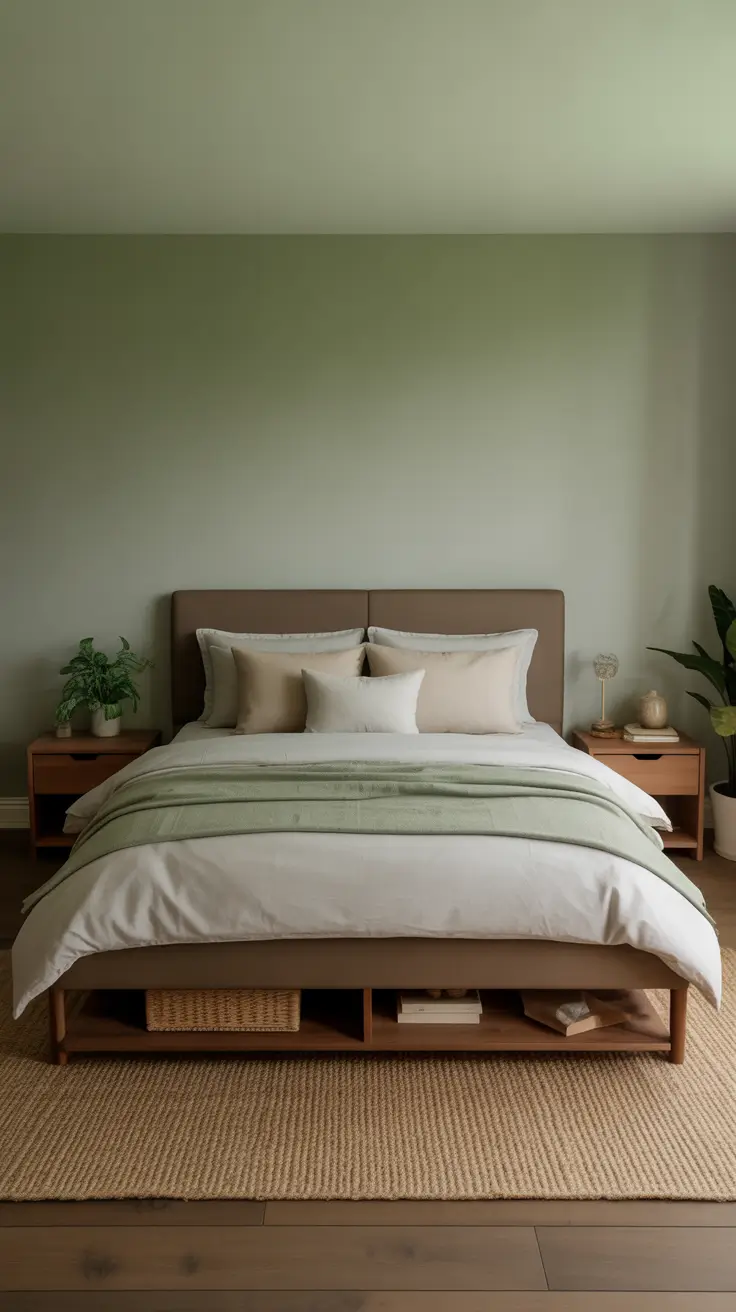
Elevating Bedroom Style with Sustainable and Timeless Choices
Crafting a bedroom that marries comfort with eco-consciousness begins with selecting premium, sustainable furnishings and materials. Prioritizing solid wood bed frames with rich natural wood tones not only brings warmth but also durability to the space. Organic cotton or linen bed linens paired with rugs woven from wool or recycled fibers add both texture and environmental mindfulness. When choosing bedding, opting for duvet covers with removable, washable options—like those from eco-friendly duvet covers—extends the life of your duvet insert while allowing effortless style updates. A thoughtfully selected palette of soft whites, warm beiges, and muted sage greens serves as a neutral backdrop, which can easily be accented with touches of deep blue or bold black accessories, giving you the flexibility to shift between light, airy atmospheres and more intimate, moody vibes.
Designing with Adaptability and Longevity in Mind
One of the cornerstone principles of sustainable bedroom interiors is adaptability—the ability for your space to evolve alongside your life. For instance, what begins as a couple’s restful retreat can transform into a cozy nursery or a multi-purpose guest room. Likewise, a single occupant’s sanctuary may soon need to accommodate a partner or even a pet. Leading sustainable designers often recommend investing in classic, enduring furniture silhouettes for major pieces, while using trends to guide textiles and decorative elements. This approach safeguards your investment, enabling you to refresh your bedroom’s look with accent pillows, throws, or stylish cushions without discarding substantial furnishings.
Prioritizing Practical Habits for a Comfortable Bedroom Sanctuary
Beyond the visual and structural elements, cultivating personal routines that support the longevity and comfort of your bedroom is essential. Choosing gentle laundry detergents and air-drying your bedding helps maintain softness and loftiness over time, preserving that fresh, inviting feeling. Planning ahead for the ever-evolving tech landscape enhances both convenience and aesthetics—a discreet cable management system paired with neutral charging zones prevents clutter and preserves serenity. Flexible storage options, such as under-bed drawers and customizable shelving units, allow seamless integration of new belongings, helping you keep the room organized without compromising the tranquil and cozy ambiance you have cultivated.
Balancing Comfort, Style, and Function in Your Bedroom Oasis
Ultimately, the modern bedroom is a harmonious fusion of visual delight and real-world usability. Whether imagining a serene retreat for uninterrupted rest, a playfully styled room that reflects personal flair, or a relaxed environment complete with a furry companion curled at your feet, the key lies in thoughtful design and functionality. If you’ve experimented with any of these concepts or pondered ways to make your bedroom more inviting and comfortable, I warmly invite you to share your experiences or questions below. Your insights fuel innovative ideas on creating bedroom spaces that feel irresistibly welcoming to everyone—except perhaps yourself, as it becomes your own private haven.