29 Eco-Friendly Ideas to Transform Your Bathroom into a Green Oasis

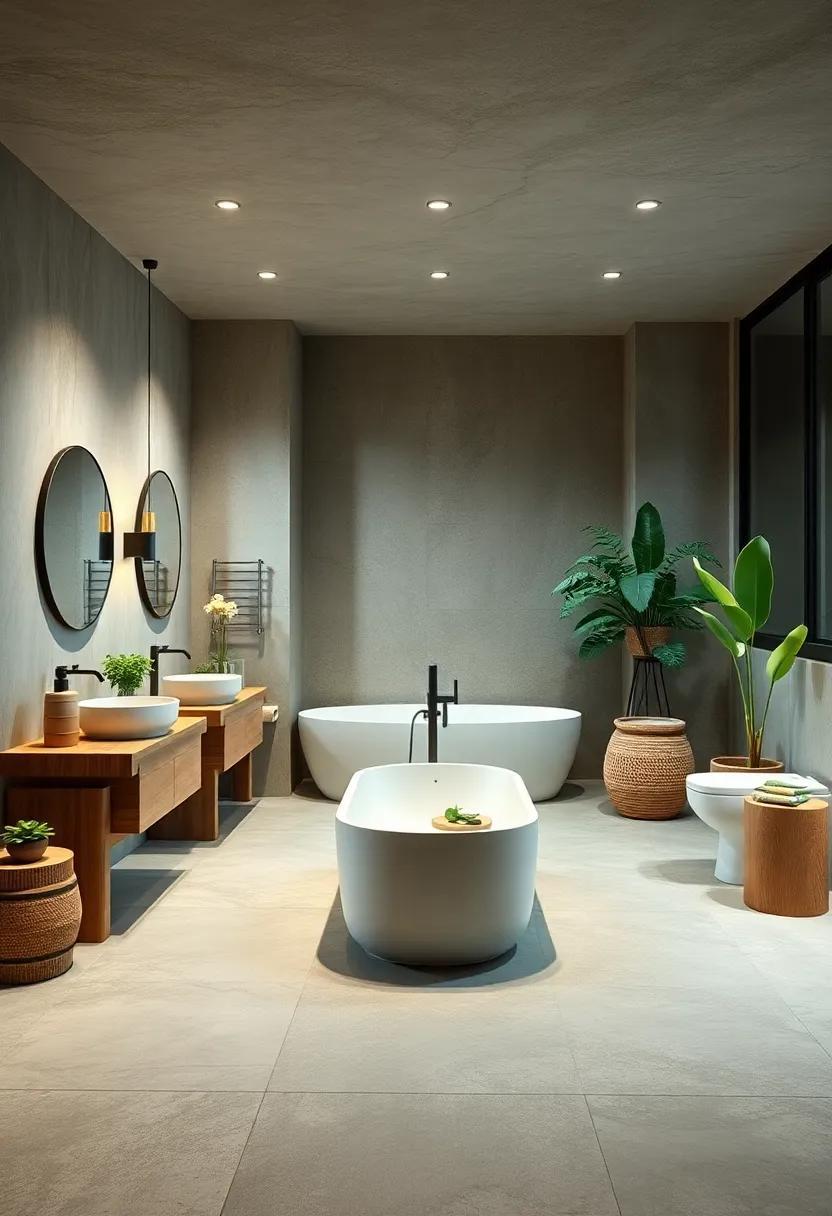
In a world increasingly focused on sustainability, even the smallest spaces can play a notable role in fostering a more eco-kind lifestyle.Your bathroom—often overlooked as an oasis of waste—is a prime candidate for transformation into a sanctuary of sustainability. In this listicle, we present ”.” From simple swaps to innovative upgrades, each item on this list is designed to inspire you to reduce your environmental footprint while enhancing your daily rituals. Expect to discover practical tips for integrating green practices into your routine, choosing sustainable materials, and creating a calming atmosphere that reflects your commitment to the planet. Whether you’re a seasoned eco-warrior or just beginning your green journey, this guide offers something for everyone looking to make their bathroom a hub of eco-consciousness. Let’s dive into these 29 transformative ideas!
Switch to Water-Saving Fixtures: Install low-flow showerheads and faucets to reduce water consumption without sacrificing performance
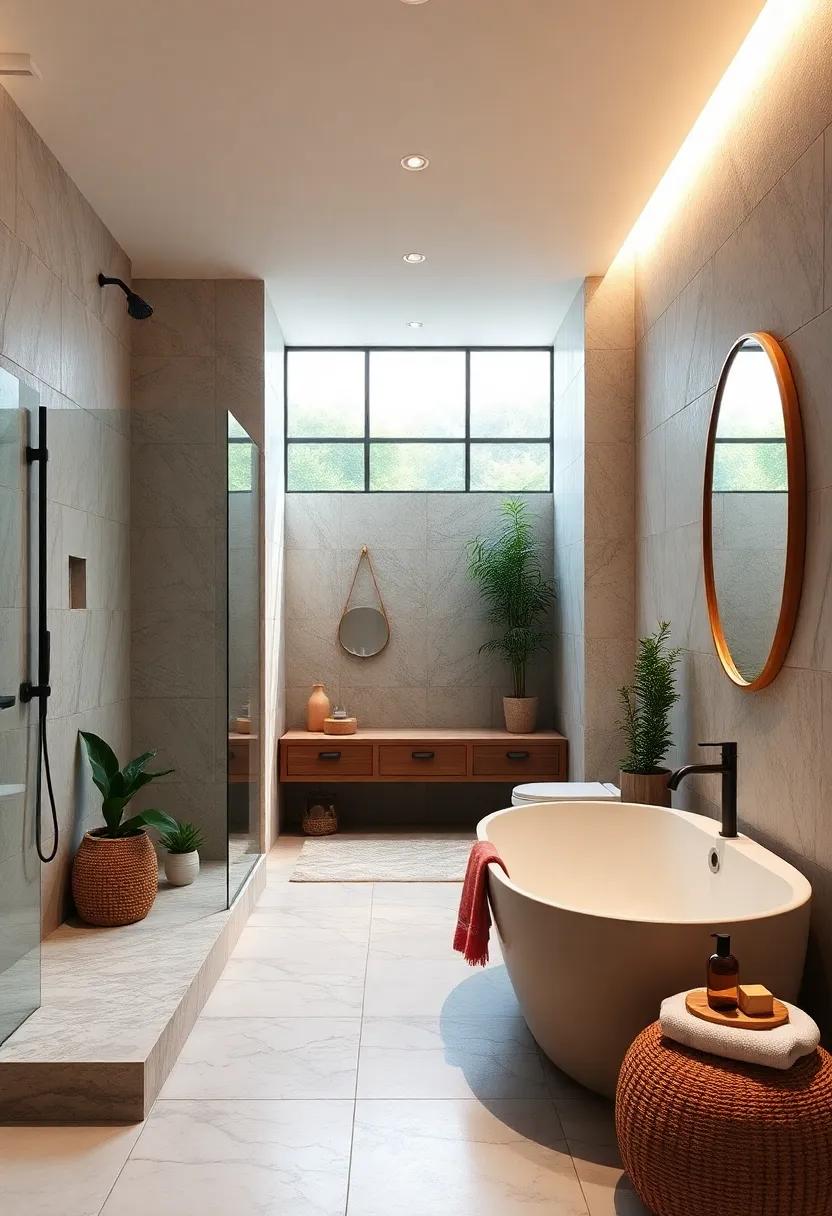
One of the simplest yet most impactful changes you can make in your bathroom is to switch to fixtures designed for efficiency. By installing low-flow showerheads and faucets, you can substantially cut down on water consumption while still enjoying a satisfying performance. These innovative fixtures can reduce water flow rates by up to 60% compared to traditional models, allowing you to enjoy your daily routines without feeling deprived. Imagine a refreshing shower that uses less water but still feels invigorating—an easy win for both your wallet and the planet!
Moreover, many of today’s water-saving fixtures are designed with sleek aesthetics in mind, meaning you don’t have to compromise on style.Look for options that not only meet or exceed water-saving standards but also complement the overall design of your bathroom. Consider the following benefits of making the switch:
- Cost savings: Lower water bills promptly.
- Low maintainance: Durable designs mean fewer replacements.
- Efficiency ratings: Higher marks in eco-friendliness contribute to a more sustainable home.
Choose Eco-Friendly Toilets: Upgrade to dual-flush toilets that use less water per flush, significantly reducing your bathroom’s water footprint
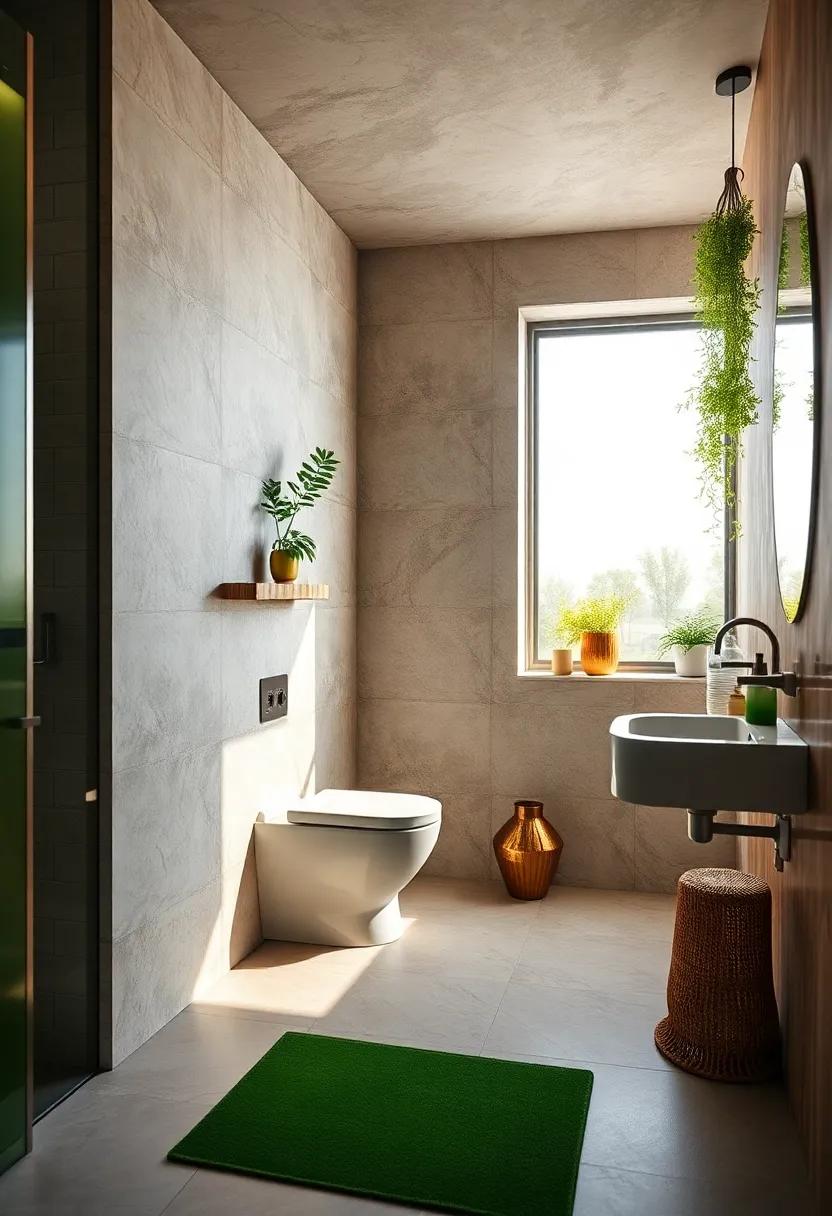
When it comes to creating an eco-friendly bathroom, one of the most effective changes you can make is to install a dual-flush toilet. These innovative fixtures offer two flushing options: a lighter flush for liquid waste and a heavier flush for solid waste. By making this simple upgrade, you can significantly reduce your home’s water usage—an average dual-flush toilet uses 1.1 to 1.6 gallons per flush, compared to the traditional single-flush models that consume around 1.6 to 3.5 gallons. This means you can save up to 67% of water consumption depending on your usage, leaving a lighter footprint on both your wallet and the planet.
Moreover, dual-flush toilets come in an array of stylish designs that can seamlessly blend with any bathroom decor.When choosing the right model, consider the following features to maximize your water-saving potential:
- Water Efficiency Ratings: Look for models certified by WaterSense.
- Design and Style: Opt for a sleek,contemporary look to enhance your space.
- Ease of Installation: Consider whether you want to DIY or hire a professional.
Use Bamboo Products: Opt for bamboo towels, bath mats, and toothbrushes, as bamboo is a sustainable resource that grows quickly and absorbs carbon
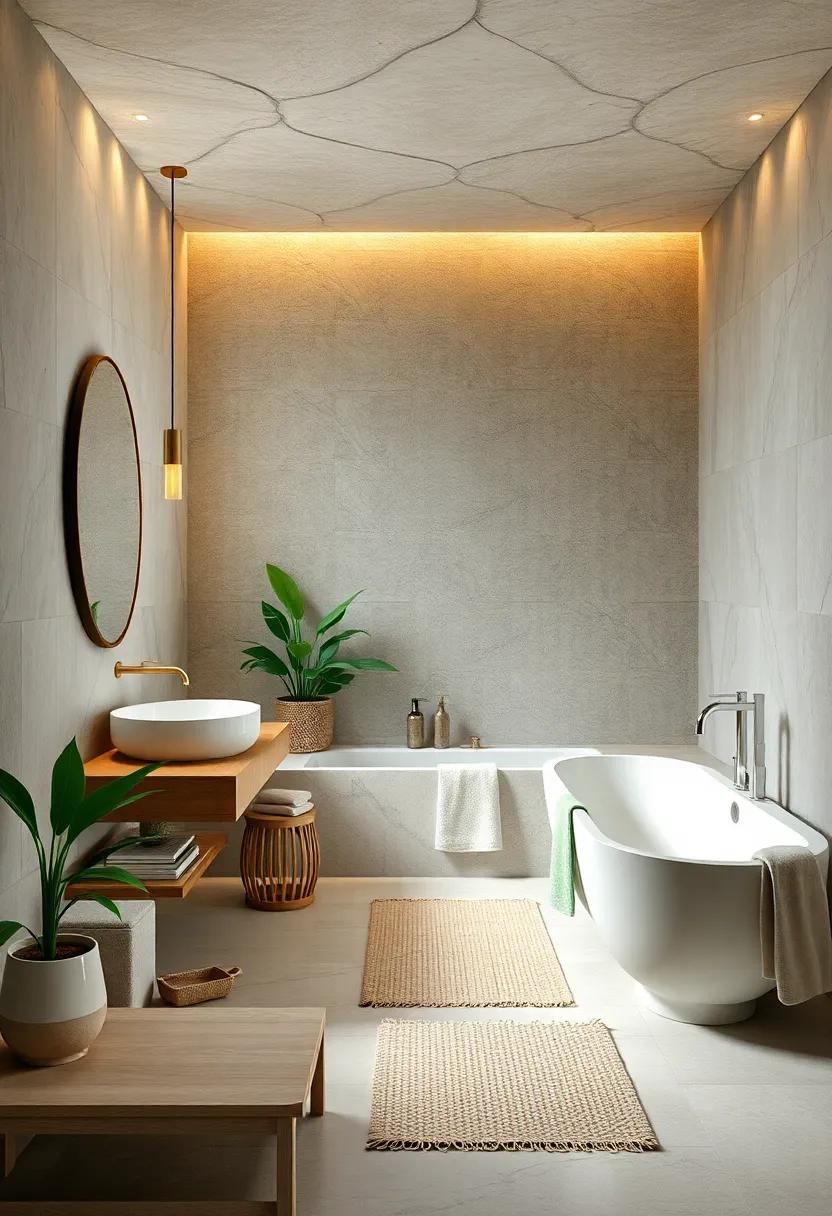
Transforming your bathroom into a sustainable sanctuary can be as simple as swapping out conventional products for bamboo alternatives. Bamboo towels are not only super absorbent but also naturally antibacterial, ensuring a cleaner drying experience. Unlike traditional cotton or synthetic towels,bamboo towels dry faster and remain fresh longer,providing a more hygienic option for your bathroom. Pair them with bamboo bath mats, which offer a soft yet sturdy surface while being gentle on the environment. These mats are highly durable, biodegradable, and provide excellent grip, reducing the risk of slipping on wet surfaces.
Don’t overlook your dental routine when going green! Bamboo toothbrushes are a fantastic alternative to plastic, commonly used in countless households. With their biodegradable handles, these toothbrushes help minimize plastic waste clogging landfills and oceans.By incorporating these simple yet impactful bamboo products into your bathroom, you contribute to a more sustainable lifestyle while enjoying natural products that enhance your home. Below is a rapid comparison of bamboo products versus conventional alternatives:
| Product | Bamboo Alternative | Conventional alternative |
|---|---|---|
| Towels | Soft, absorbent, and antibacterial | Frequently enough less absorbent and may retain odor |
| Bath Mats | Durable, biodegradable, and slip-resistant | May contain synthetic materials |
| Toothbrushes | Biodegradable and sustainable | Plastic handles, non-biodegradable |
Implement Recycled Materials: Incorporate recycled glass or reclaimed wood for vanities and shelves to give your bathroom an eco-conscious yet stylish touch
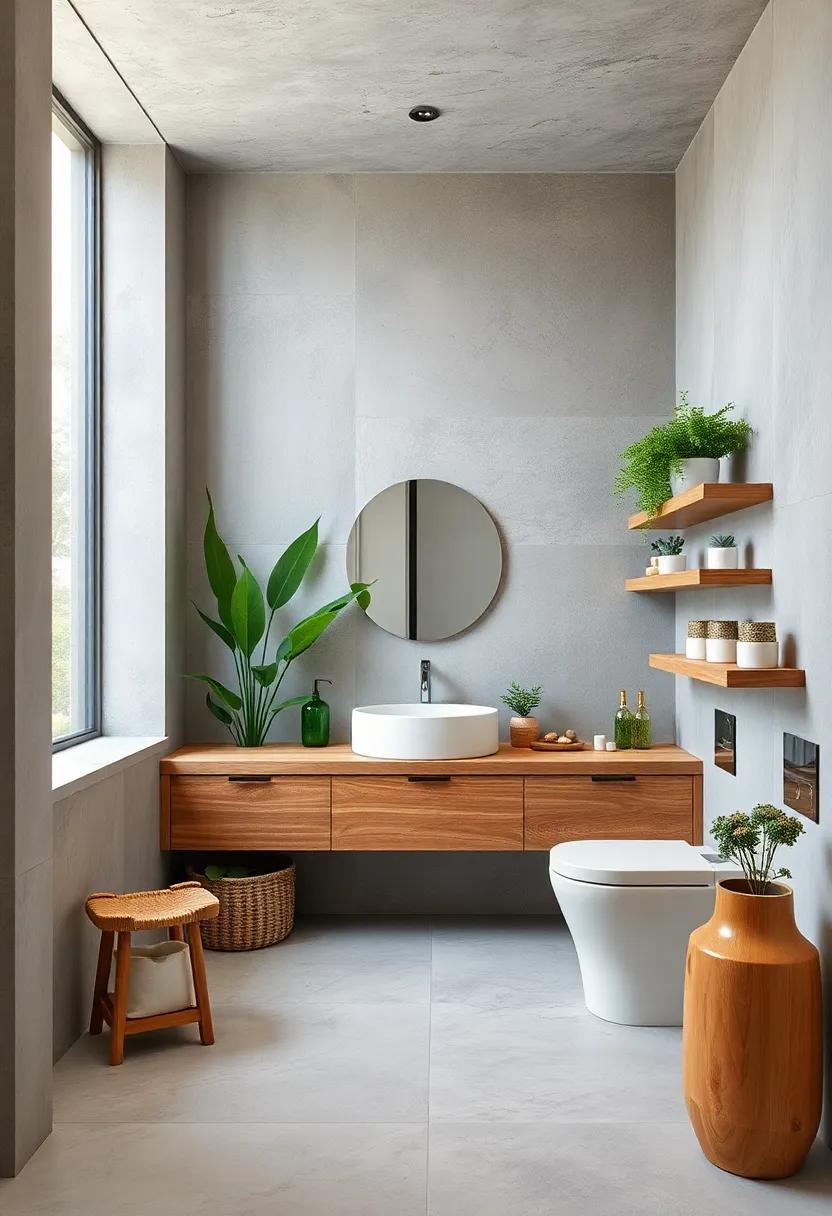
Transform your bathroom into a sustainable sanctuary by incorporating recycled materials that not only look stunning but also uphold eco-conscious principles. Consider using recycled glass for vanities or countertops. this vibrant material can bring a splash of color and an artistic touch to your space. With its unique textures and hues, recycled glass creates a mesmerizing focal point while significantly reducing the need for new raw materials. Pair your glass installations with luminescent lighting to make these surfaces shine, enhancing their beauty and elegance.
Reclaimed wood is another excellent choice, adding warmth and character to your bathroom. Imagine a rustic vanity crafted from driftwood or barn timber, each piece telling a story of its past life. You can use reclaimed wood for shelves, providing a perfect mix of functionality and aesthetics. This eco-friendly option not only helps minimize waste but also allows you to support local artisans who specialize in upcycling materials. With a bit of creativity, you can incorporate accessories made from reclaimed materials—think towel racks, mirrors, and even decorative touches that make your green oasis feel both unique and inviting.
Go Green with Cleaning Products: Replace harsh chemical cleaners with eco-friendly alternatives made from natural ingredients to keep your bathroom fresh and safe
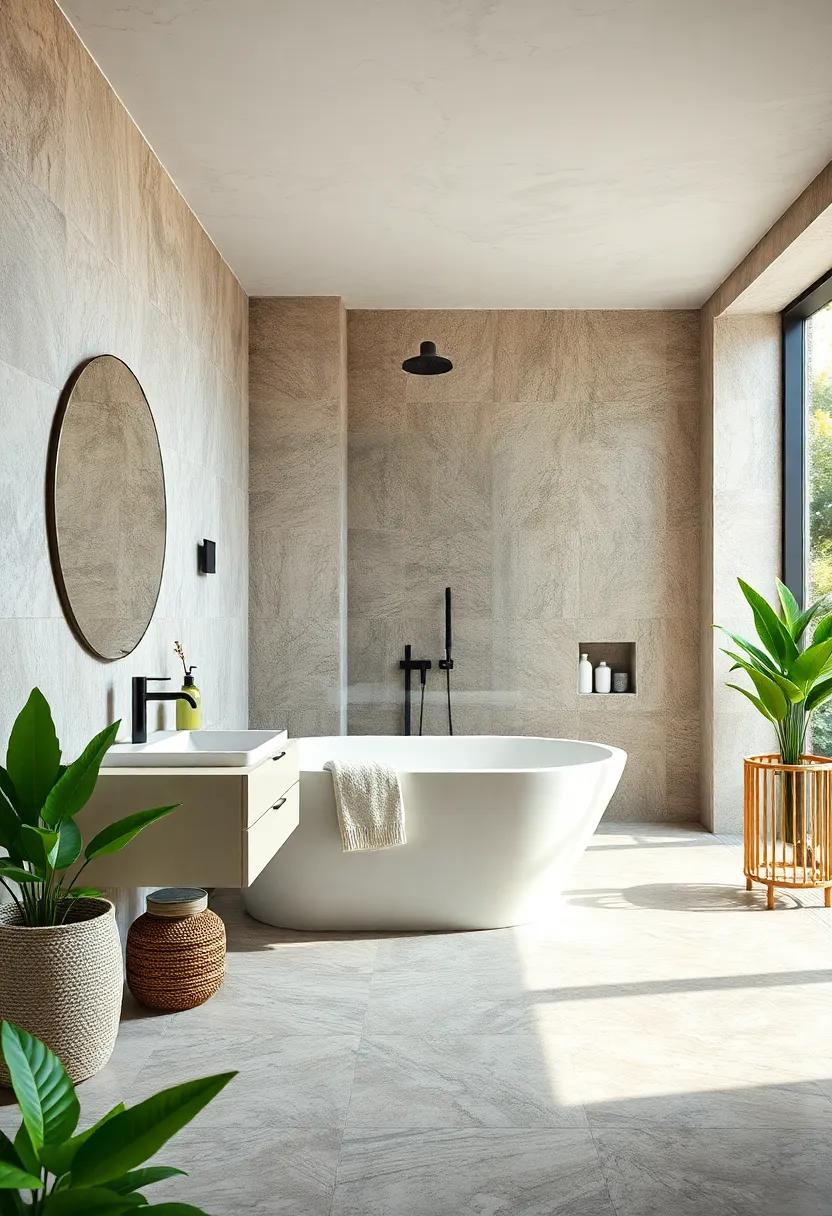
transform your bathroom cleaning routine by opting for eco-friendly alternatives that harness the power of natural ingredients, reducing your exposure to harsh chemicals. Consider these effective substitutes that are easy to find and simple to use:
- Baking Soda: A versatile powerhouse, baking soda can tackle stubborn stains, deodorize surfaces, and even act as a gentle scrubber.
- White Vinegar: This natural disinfectant works wonders on soap scum and hard water stains while leaving your bathroom smelling fresh.
- Lemon Juice: With its natural antibacterial properties and delightful scent, lemon juice is perfect for brightening surfaces and cutting through grease.
- Coconut Oil: Not just for cooking, coconut oil can be used to condition wood surfaces and create a natural shine for bathroom fixtures.
- Castile Soap: A plant-based soap, Castile is ideal for multi-surface cleaning while being gentle on the environment and your skin.
to assist in your cleaning journey, a simple formula for an all-purpose cleaner can be created using just a few ingredients. Consider the following ratio in the table below:
| Ingredient | amount |
|---|---|
| Water | 2 cups |
| White Vinegar | 1 cup |
| Baking Soda | ½ cup |
| Essential Oils (optional) | 10-15 drops |
Mix these ingredients in a spray bottle and enjoy a fresh and clean bathroom without the negative impact of traditional cleaners.not only will your space feel revitalized, but you’ll also be contributing to a healthier planet with every scrub and spray!
Install a Greywater System: Reuse water from sinks and showers to irrigate your garden, making your bathroom a part of a sustainable water cycle
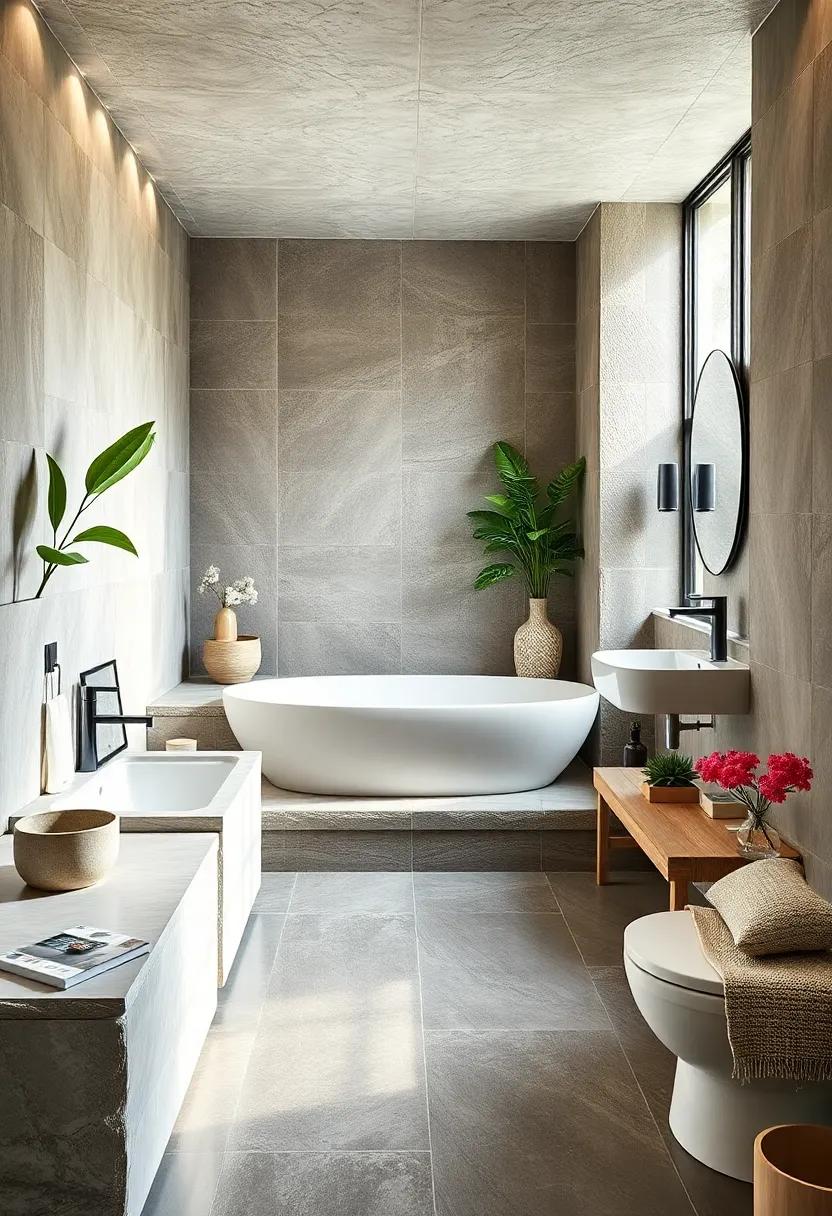
One of the most innovative ways to promote sustainability in your home is by installing a greywater system. this allows you to capture water from sinks and showers, recycling it for use in your garden. Not only does this reduce your overall water consumption, but it also creates a closed-loop water cycle that can significantly lower your household’s environmental impact. With the right setup, you can ensure that the water that flows from your taps can nourish your plants rather of going down the drain. Here are some benefits of this eco-friendly practice:
- Water conservation: By reusing water,you minimize your dependency on freshwater sources.
- Cost Savings: Lower water bills will follow as you reduce the amount of potable water used for irrigation.
- Plant Health: Greywater often contains nutrients from soaps and shampoos that can benefit your plants.
When implementing a greywater system, consider how you can design it to be both functional and seamless in your bathroom. A simple setup might involve connecting your shower drain to outdoor irrigation lines.Alternatively, you can install a more advanced filtration system that ensures the water is safe and clean. To help you plan your installation, here’s a quick reference table:
| System Component | Functionality | Considerations |
|---|---|---|
| Greywater Diverter | Redirects wastewater from sinks/showers | Check plumbing compatibility |
| Holding Tank | Stores greywater for later use | Size according to your lifestyle |
| Filtration System | Cleans greywater for safe use | Choose suitable filters for your needs |
Use Zero-Waste Toiletries: Switch to solid shampoo bars, soap bars, and refillable containers to eliminate plastic waste in your daily routine
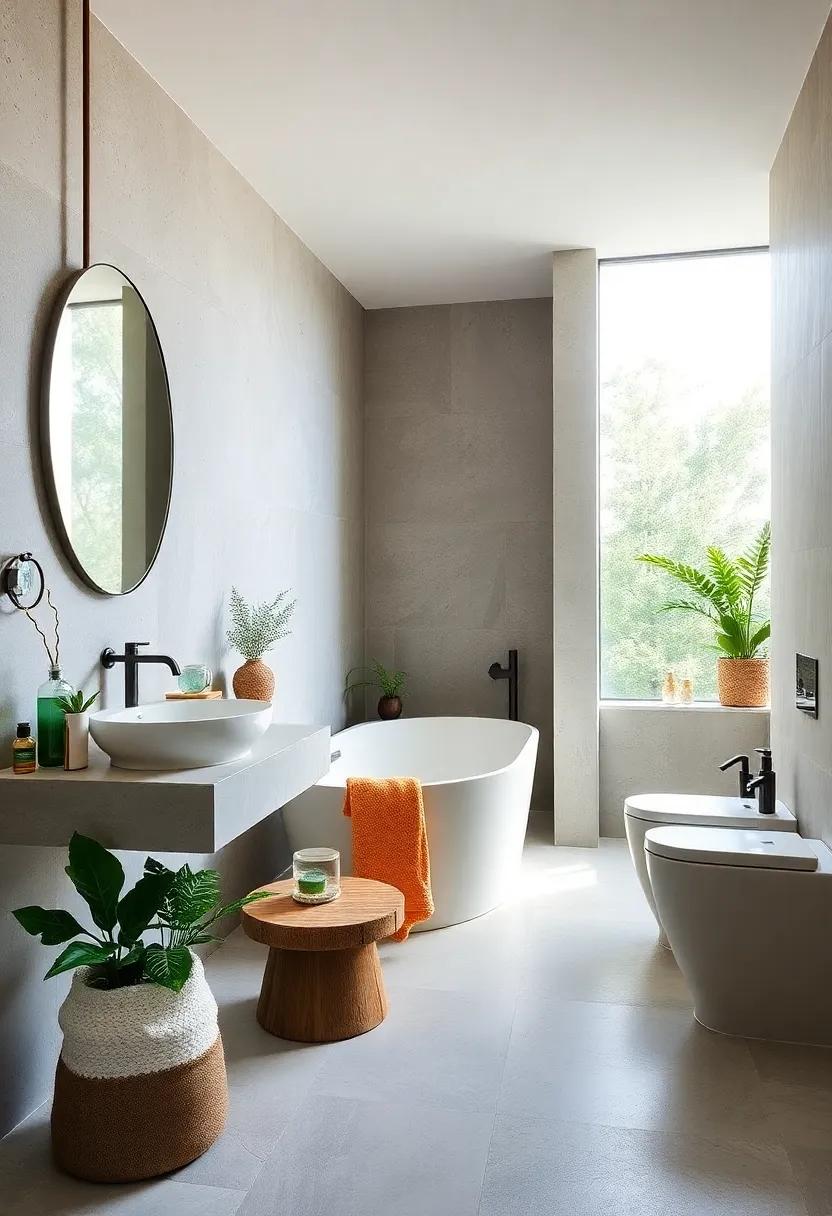
Transform your bathroom by embracing solid toiletries that not only pamper your skin and hair but also protect our planet. Start with solid shampoo bars, which are often packed with natural ingredients and free from harsh chemicals. These bars are typically concentrated, meaning a little goes a long way, and they come in minimal, biodegradable packaging. Pair them with soap bars made from organic ingredients, eliminating the need for plastic bottles.Look for brands that use sustainable processes and cruelty-free practices to ensure a guilt-free wash.
To further reduce plastic consumption, invest in refillable containers for your liquid soaps, lotions, or shampoos. Many brands now offer bulk refill options, allowing you to buy in larger quantities while minimizing packaging waste.Create a designated area in your bathroom for these eco-friendly products, and consider making your own DIY toiletries using household ingredients. Not only does this cut down on waste,but it also allows you to customize scents and formulations to suit your unique needs.
Decorate with Plants: Add air-purifying plants like pothos or peace lilies to enhance air quality and bring a touch of nature indoors
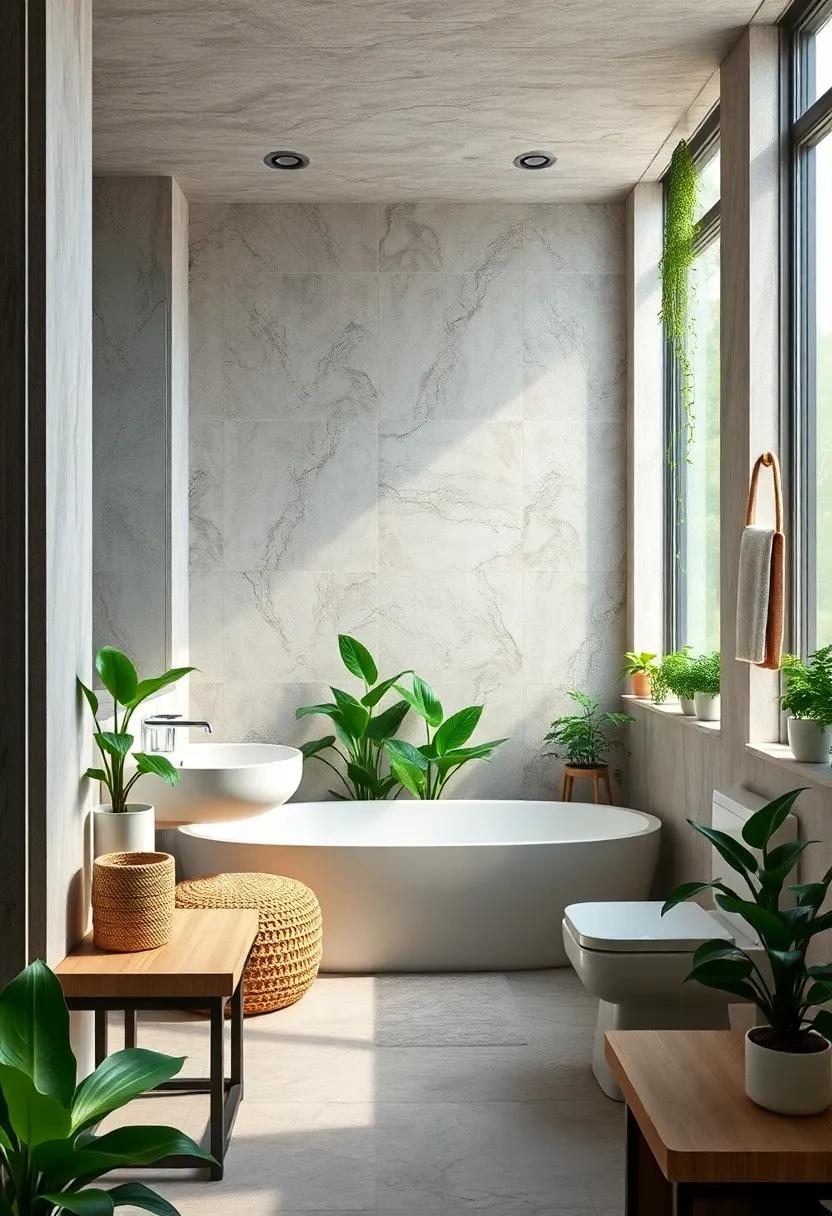
Transform your bathroom into a serene retreat by introducing air-purifying plants that not only enhance air quality but also infuse a sense of tranquility. Pothos and peace lilies are excellent choices for this humid environment, thriving in low-light conditions while filtering toxins like formaldehyde and benzene. To create a lush green atmosphere, consider placing pothos in hanging planters or on shelves where their trailing vines can elegantly spill over. Meanwhile, peace lilies add a touch of elegance with their striking white flowers, making them perfect for countertops or windowsills where they can bask in indirect sunlight.
Incorporate a mix of plants to create an inviting oasis. Here are a few more plants that thrive in bathrooms:
- Snake Plant: Tough and tolerant, it helps purify the air and requires minimal care.
- Spider Plant: A resilient favorite, known for its ability to produce baby plants and absorb pollutants.
- Bamboo Palm: Adds a tropical vibe and is effective at filtering indoor air.
For a botanical ensemble, consider using an attractive plant stand or rustic shelf to elevate your greenery. Grouping plants of varying heights and textures can create visual interest while improving air quality throughout your space. A well-placed arrangement not only enhances decor but can also transform your daily routines, turning your bathroom into a revitalizing spa-like experience.
Opt for LED Lighting: Replace traditional bulbs with energy-efficient LED lights to reduce energy consumption and lower utility bills
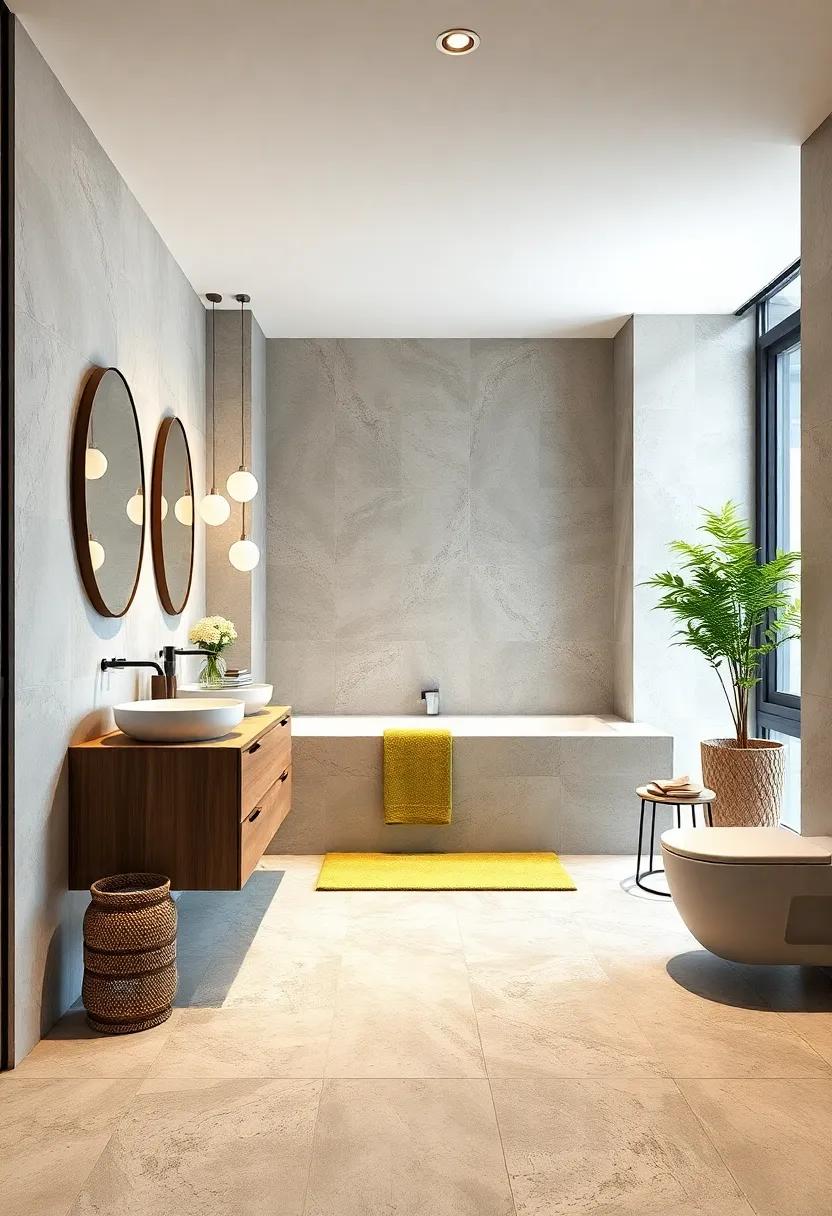
Swapping out your old incandescent bulbs for LED lights is one of the simplest yet most impactful changes you can make in your bathroom. LED bulbs consume up to 75% less energy than traditional lighting, which not only helps the planet but also significantly lowers your utility bills. With a longer lifespan—averaging about 25,000 hours—these energy-efficient gems minimize waste and reduce the frequency of replacement, benefiting both your wallet and the environment.
Choosing LED lights can also enhance your bathroom’s ambiance. Available in various colors and brightness levels, LED options offer greater flexibility in design and mood setting. Consider the following benefits:
- Instant illumination: No waiting for bulbs to warm up.
- Variety of designs: From sleek sconces to elegant chandeliers, there’s an LED light to fit your decor.
- Smart technology compatibility: Many LED lights can be integrated with smart home systems for remote control.
Choose Natural Finishes: Use VOC-free paint and organic finishes for any renovations to improve indoor air quality and reduce harmful emissions
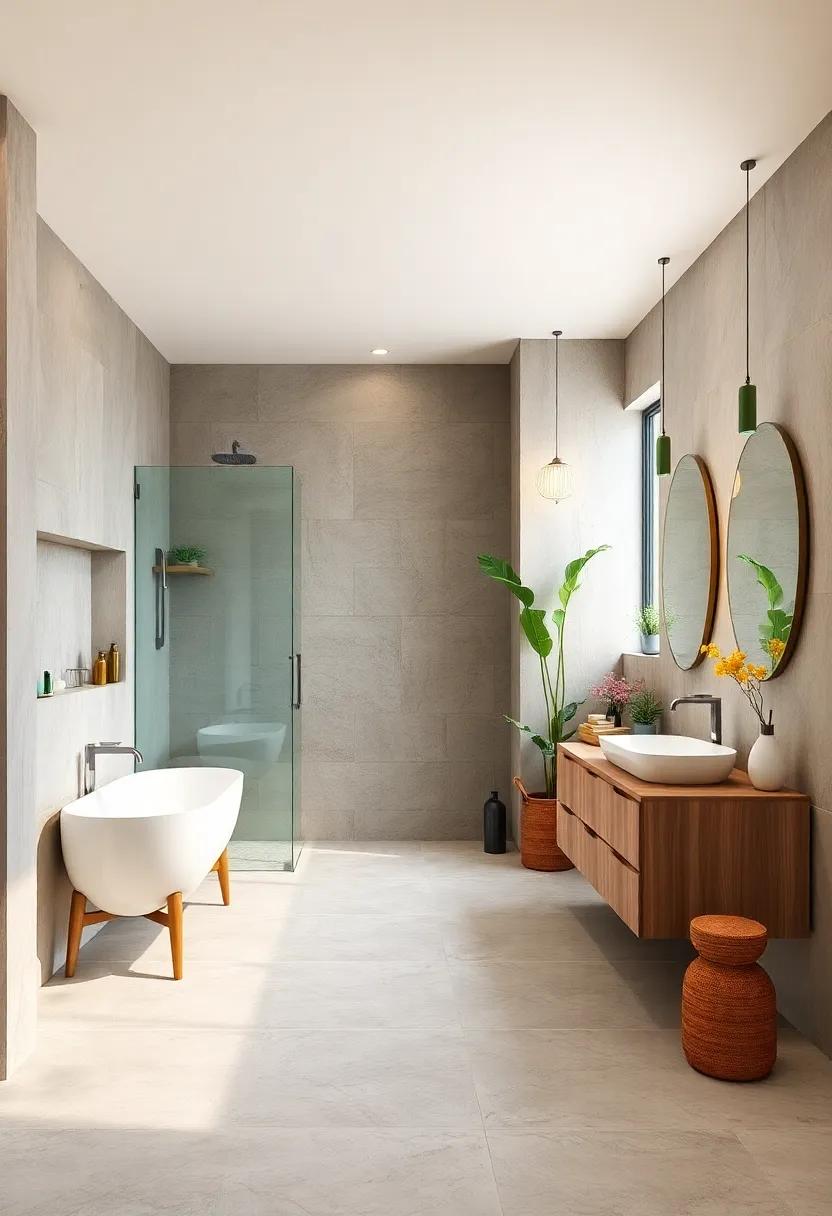
When embarking on any bathroom renovation project,opting for natural finishes is a crucial step towards creating a serene and eco-friendly environment.VOC-free paints are not only kinder to the environment but also make a significant difference in maintaining a healthy indoor atmosphere.these paints significantly reduce the presence of volatile organic compounds, which can lead to headaches, respiratory issues, and other health problems. By choosing paints devoid of harmful chemicals, you help ensure that the air you breathe in your sanctuary remains fresh and clean. Some popular brands now offer a wide range of colors that can transform your bathroom without compromising on quality or safety.
In addition to VOC-free paints,consider using organic finishes for your renovations. These finishes, derived from natural materials, offer an aesthetically pleasing appearance while providing long-lasting durability. Options such as water-based sealants and natural oils not only enhance the beauty of wood fixtures and cabinetry but also ensure that no toxic substances leach into the air. Integrating these eco-friendly materials elevates the design of your bathroom and reinforces your commitment to sustainability.here are a few choices to contemplate:
- Acrylic paints—Look for those with low or no VOCs.
- Linseed oil—An excellent choice for wood finishes.
- Coconut-based sealants—Ideal for countertops.
Create a Compost bin: Utilize a small compost bin for organic waste, such as hair clippings and cotton pads, to minimize landfill contribution
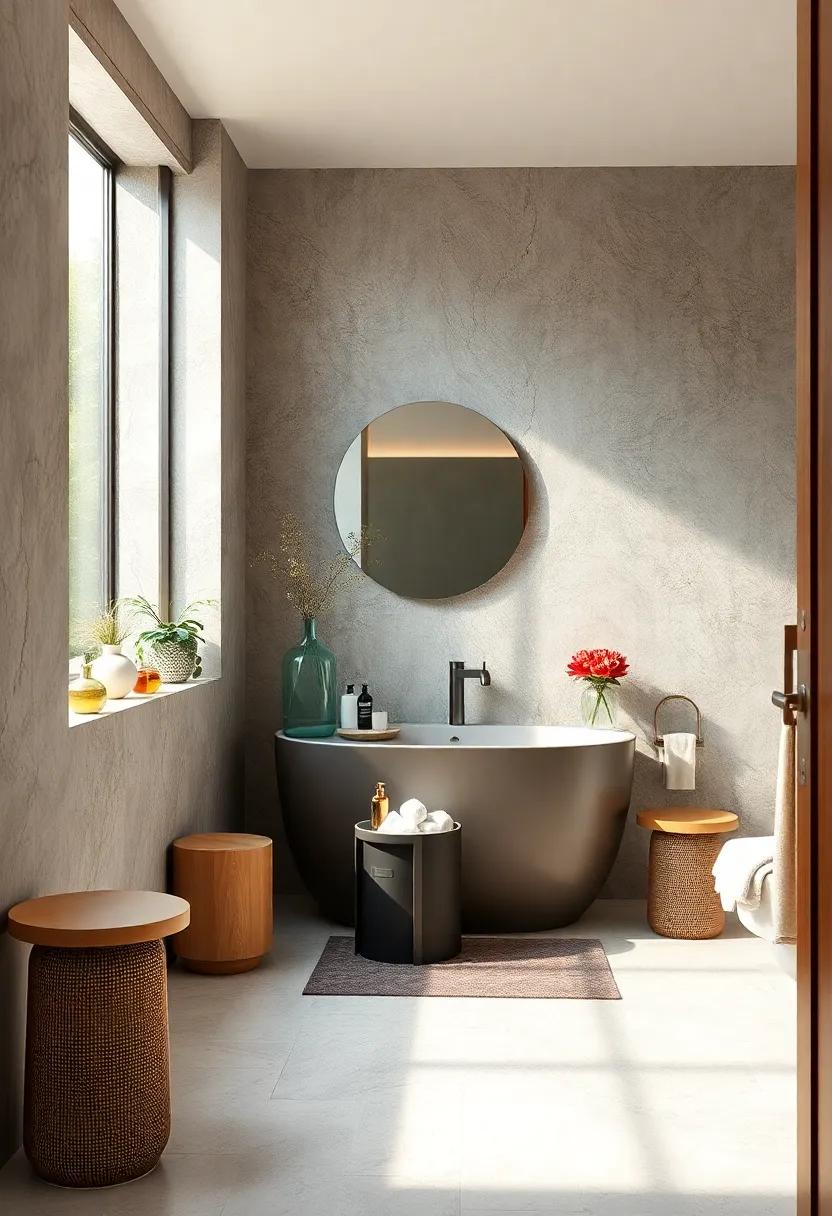
Transforming your bathroom into an eco-friendly haven starts with reevaluating waste management. A small compost bin is a game changer for collecting organic waste that often ends up in landfills. Imagine tossing in hair clippings, cotton pads, and even toothbrush bristles instead of letting them pile up in your trash. With a handy compost bin,these materials can decompose naturally,enriching the soil rather than contributing to waste. You’ll not only reduce your carbon footprint but also nurture a mini garden or thriving plants just outside your bathroom window.
When setting up your compost bin, consider utilizing space-saving options that fit conveniently in your bathroom. Here are some essentials for effective composting:
- Choose the right location: Place your compost bin in a cool, dry area for optimal decomposition.
- Layering materials: Balance nitrogen-rich items like hair with carbon-rich materials like dried leaves.
- Keep it small: Compact bins are perfect for bathrooms, requiring less maintenance and making it easy to manage your organic waste.
| Compostable Items | Non-Compostable Items |
|---|---|
| Hair clippings | Plastic wraps |
| Cotton pads | Processed food packaging |
| Paper towels | Non-biodegradable products |
Invest in Sustainable Linens: Select organic cotton or linen for towels and shower curtains to support environmentally-friendly farming practices
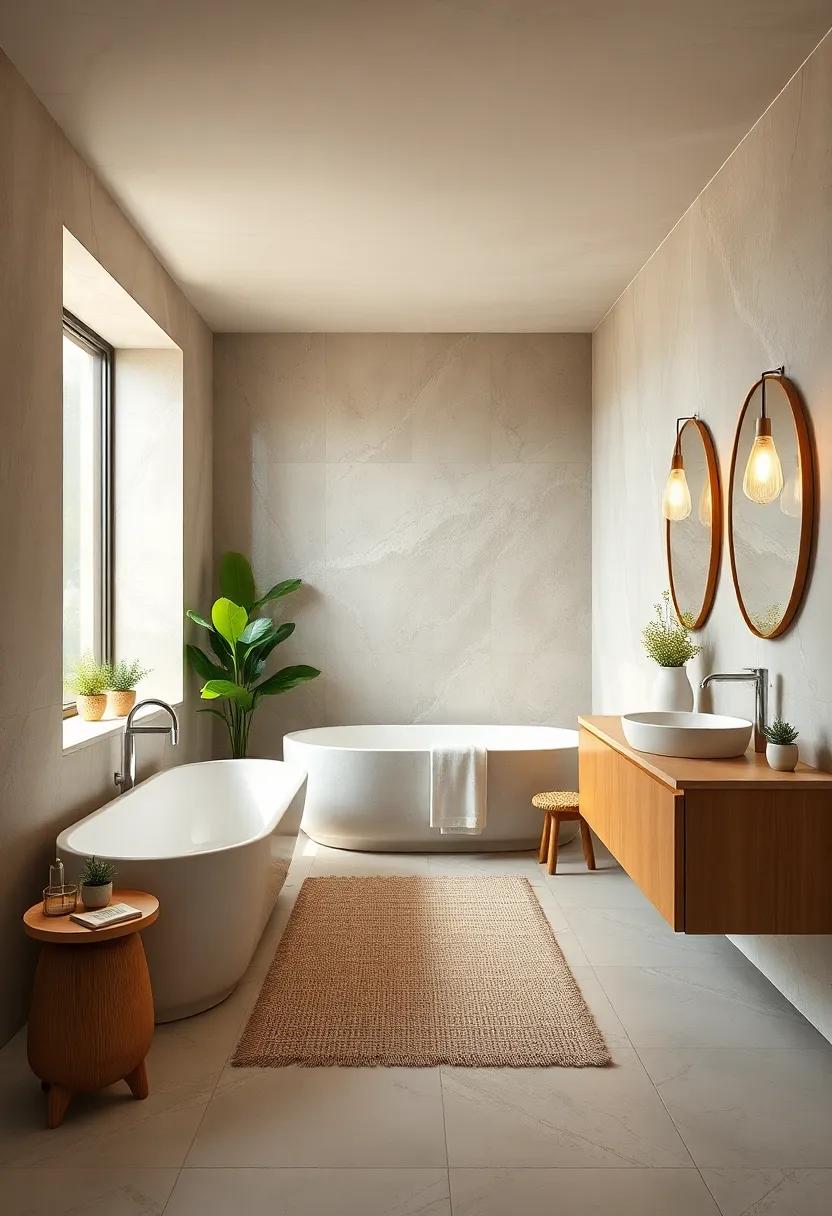
Transform your bathroom into a green oasis by opting for towels and shower curtains made from natural materials. Organic cotton and linen are excellent choices that not only feel luxurious against your skin but also promote sustainable farming practices. By choosing these eco-friendly fabrics, you support farming methods that use no harmful chemicals, pesticides, or synthetic fertilizers, ensuring a cleaner environment for future generations.Plus, organic options frequently enough come with certifications that guarantee fair treatment of workers and support for local farmers.
When selecting your sustainable linens, consider the following points to make a mindful purchase:
- Durability: Look for high-quality materials that are made to last, reducing the need for frequent replacements.
- Biodegradability: Opt for textiles that can decompose naturally, minimizing waste in landfills.
- Water Usage: Organic cotton typically requires less water compared to conventional cotton, making it a greener choice.
- eco-Friendly Dyes: Choose linens dyed with non-toxic methods to keep harmful chemicals out of your bathroom.
| Fabric Type | Benefits |
|---|---|
| Organic Cotton | Soft, durable, requires less water, supports sustainable farming |
| Linen | Strong, biodegradable, naturally anti-bacterial, moisture-wicking |
Use a Shower Timer: Install a shower timer to encourage shorter showers, helping to conserve water while still enjoying your bath time
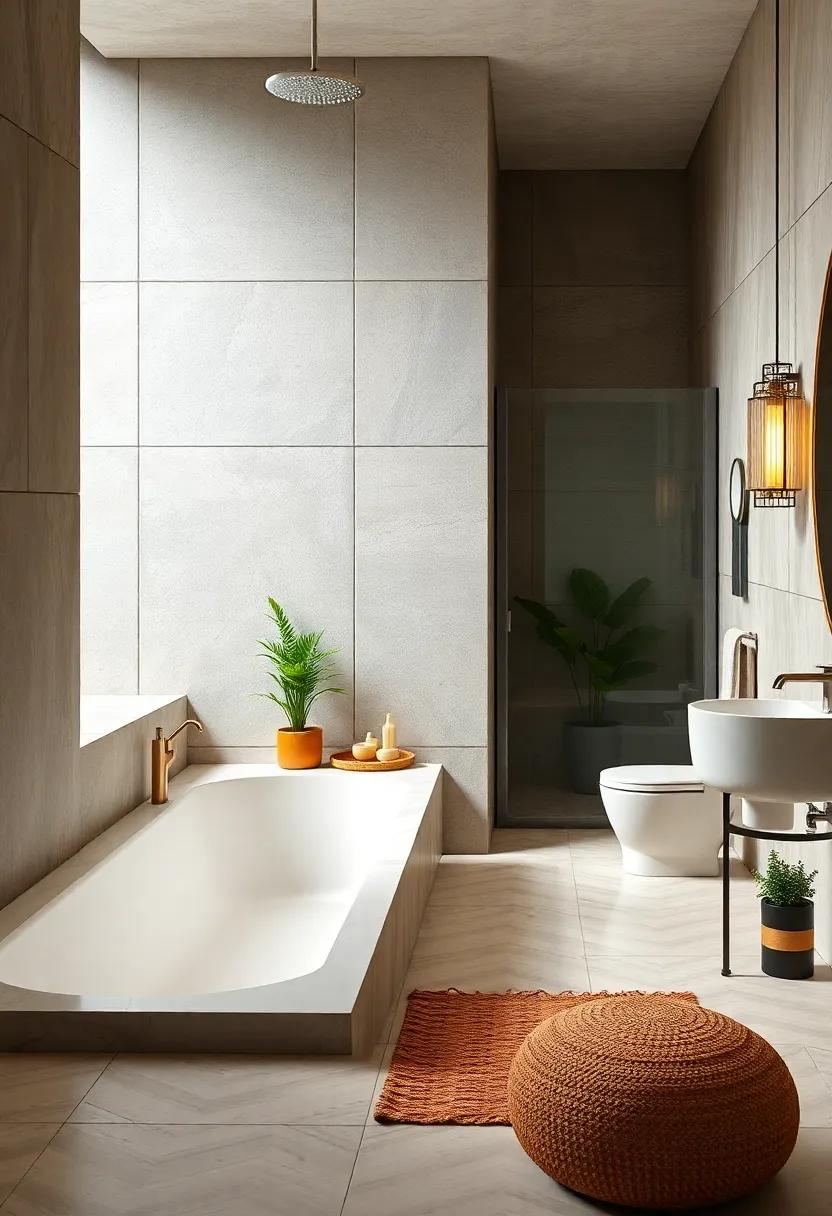
Installing a shower timer is a simple yet effective strategy that can significantly reduce your water usage without sacrificing your bathing experience. By setting a specific time limit for your showers,you create a mindful approach to water consumption. As the timer counts down, you’ll find it easier to prioritize quick tasks like washing and rinsing, transforming your shower into a refreshing yet efficient ritual. This practice not only conserves precious resources but also encourages you to embrace the concept of mindful living in your daily routines.
To get started, consider these tips for maximizing the benefits of a shower timer:
- Choose the Right Timer: Look for a waterproof shower timer with an easy-to-read display.
- Set Realistic Goals: If you currently shower for 15 minutes, aim for 12 minutes and gradually decrease.
- Track Your Progress: Keep a chart in your bathroom to monitor your shower times and celebrate improvements.
- Make It Fun: Play your favorite song or podcast that matches your designated shower time, turning the experience into a challenge.
Incorporate Vintage decor: Repurpose vintage items for storage and decor, giving old materials a new life while reducing the demand for new products
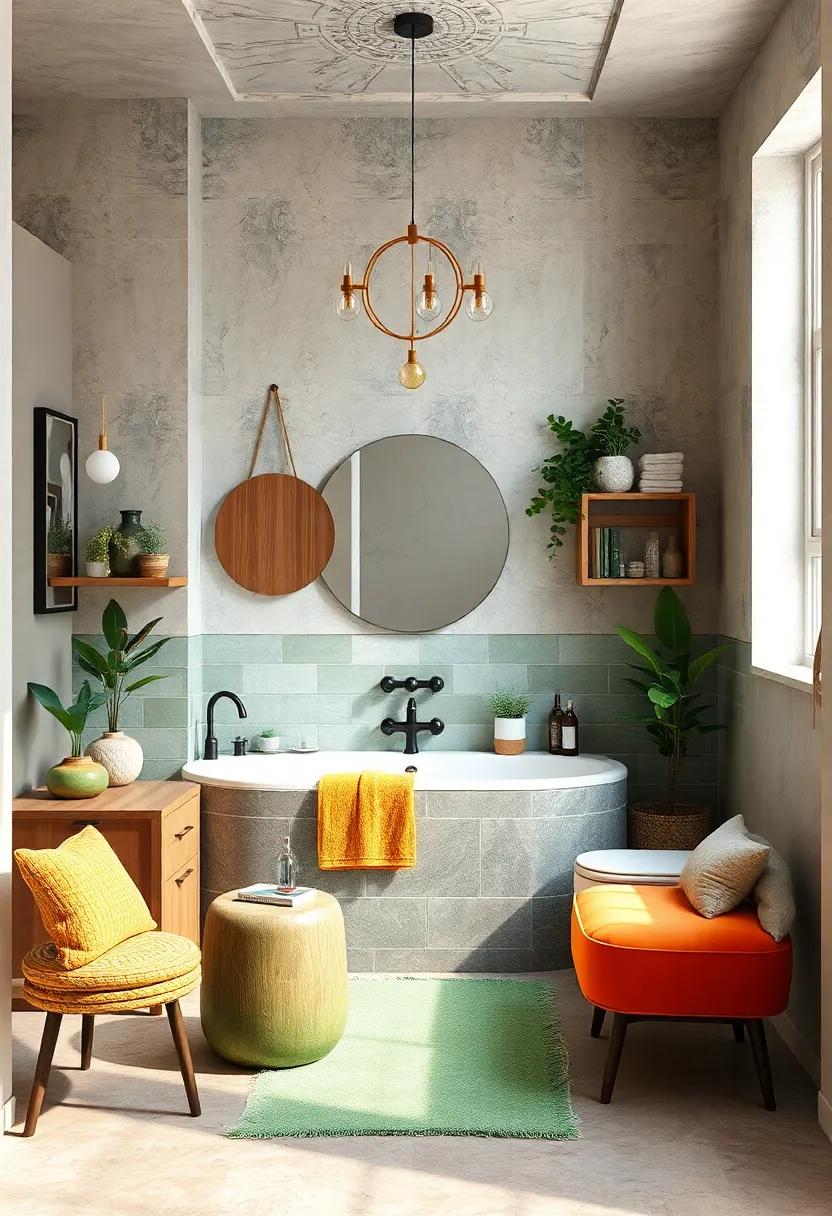
One of the easiest ways to breathe new life into your bathroom while staying eco-friendly is to incorporate vintage items. Old wooden crates can be transformed into charming shelves, providing ample space to display your favorite toiletries and plants. Glass jars previously used for canning can serve as stylish containers for cotton balls or bath salts. Not only do these choices add character to your space, but they also reduce the demand for new products, contributing to a more sustainable environment.
Consider also using vintage mirrors to enhance the light in your bathroom and create an illusion of space.Their ornate designs tell a story and complement modern decor beautifully. Additionally, antique ladders can serve as a unique towel rack, offering both functionality and aesthetic appeal. By sourcing these treasures from thrift stores or flea markets,you’re not just decorating; you’re embarking on a treasure hunt that supports reusing and recycling. Embrace the charm of the past and let it infuse your bathroom with a sense of nostalgia and warmth.
Recycle Old Toilets: When upgrading, make sure old toilets are properly recycled or reused to prevent them from ending up in landfills
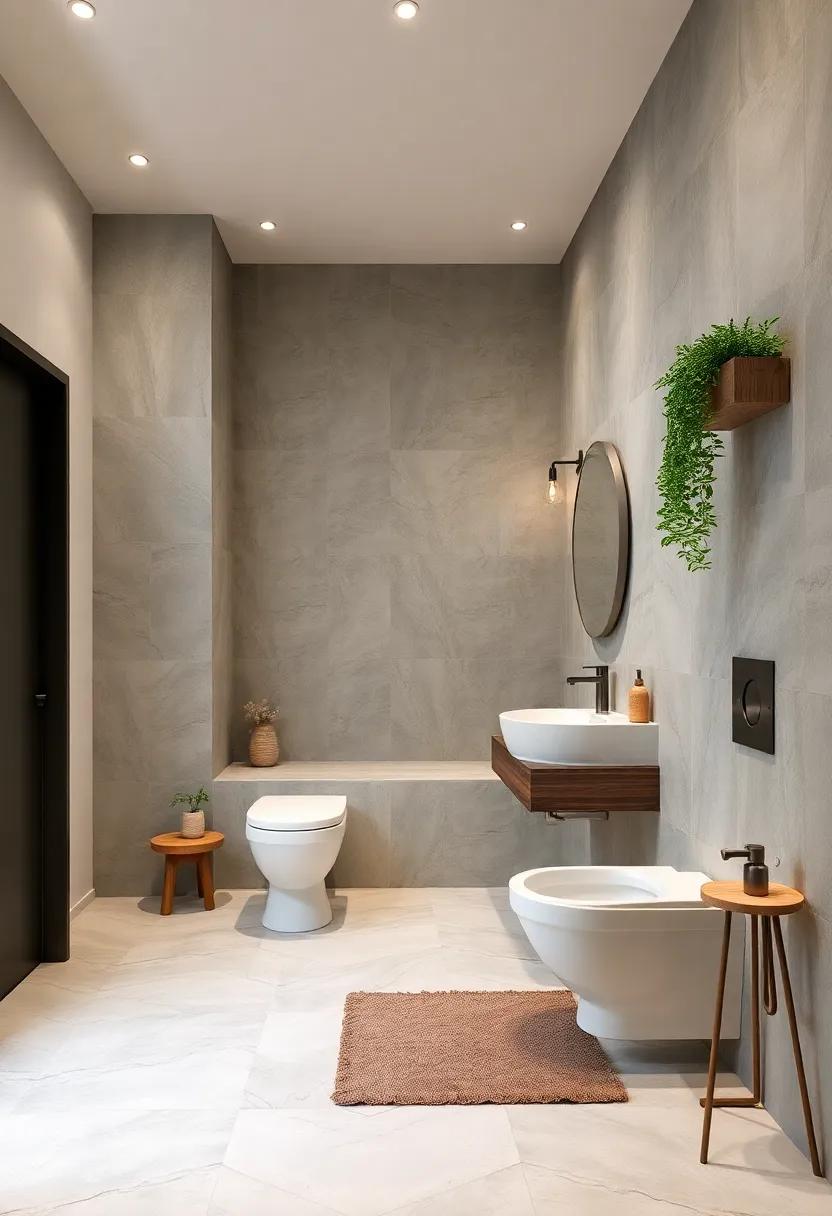
When it’s time to say goodbye to your old toilet, consider the impact of tossing it into a landfill. Instead, there are numerous creative and eco-friendly options to recycle or reuse these porcelain pieces, ensuring they don’t contribute to environmental waste. Here are a few ideas:
- Repurpose as Planters: Old toilet bowls can make unique and quirky planters for your garden or patio. Simply fill them with soil and your favorite flowers or herbs.
- artistic Displays: Use your old toilet as a canvas for art. Paint and decorate it to create a fun garden sculpture or an eye-catching focal point in your yard.
- Donation: Check local charities or construction recycling centers to see if they accept old toilets. Many reintegrate them into home rebuilding projects.
If you’re looking for a more formal recycling route, some municipalities have special programs for disposing of toilets that ensure they’re broken down and recycled properly. You can also explore local facilities that specialize in recycling construction materials, as they often adhere to sustainable practices. Keep inches of porcelain out of landfills by considering the following options:
| Recycling Option | Description |
|---|---|
| Municipal Recycling Programs | Check with local services to find out if they have recycling for toilets. |
| Construction Material Recyclers | Facilities that focus on repurposing building materials can take your toilet. |
| Creative Workshops | Some community centers offer workshops on turning toilets into art pieces. |
Install a Solar Water Heater: Harness the power of the sun to heat your water, reducing your energy bill and carbon footprint
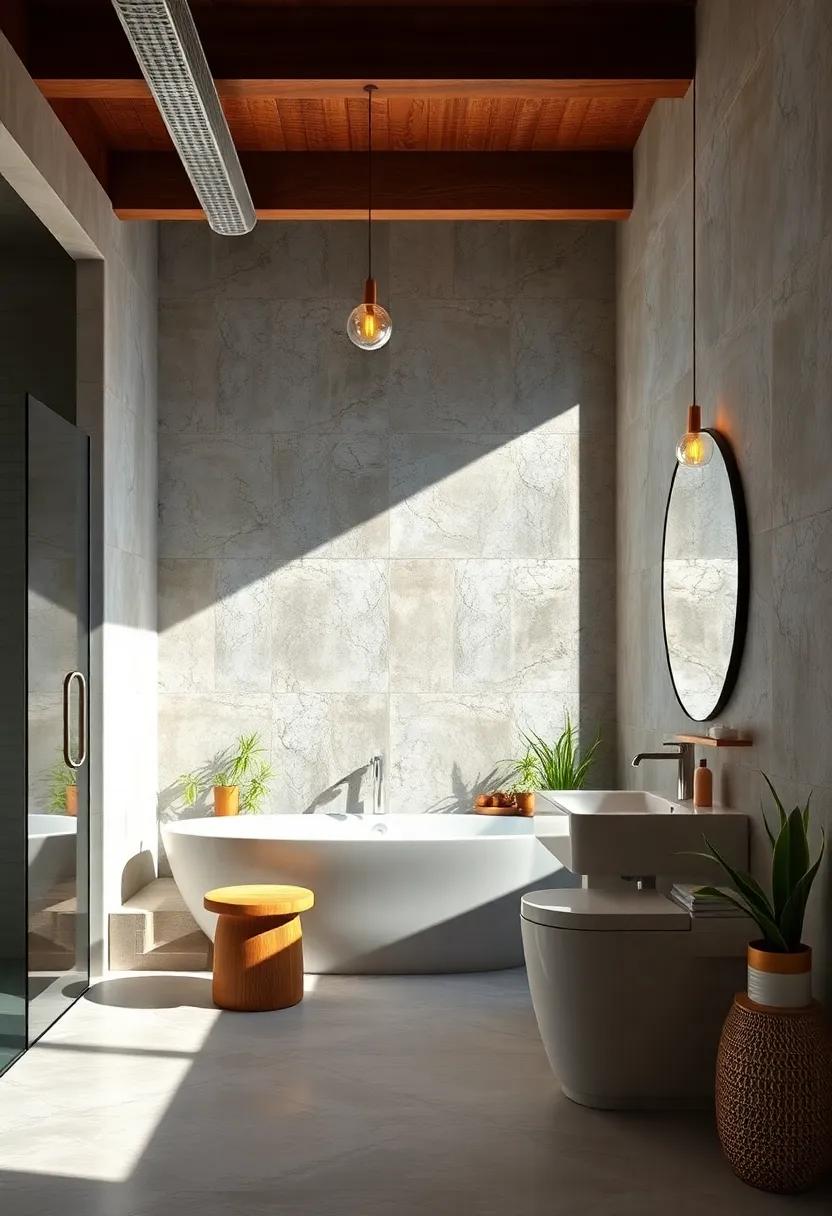
Installing a solar water heater is a game-changer for any eco-conscious homeowner. By harnessing the sun’s abundant energy, you can significantly reduce your reliance on fossil fuels for heating water. This innovative system typically comprises solar panels, a storage tank, and an inverter. The solar panels collect sunlight and convert it into heat, which warms the water stored in the tank. This process not only lowers your energy bills but also minimizes your carbon footprint. Imagine enjoying a warm shower while knowing you’re making a positive impact on the environment!
Transitioning to solar water heating is easier than you might think. Here’s a simplified checklist to get started:
- Assess your roof space: Ensure you have enough sunlight exposure throughout the day.
- Choose the right system: Consider options like active or passive solar water heaters based on your needs.
- Consult a professional: A certified installer can provide insights and handle the setup efficiently.
- Check for rebates and incentives: Many regions offer financial assistance for renewable energy installations.
For those considering this investment, here’s a quick comparison table highlighting the benefits of solar water heaters versus traditional electric systems:
| Aspect | Solar Water Heater | Traditional Electric Heater |
|---|---|---|
| energy source | Renewable | Non-renewable |
| Installation Cost | Higher Initial Cost | Lower Initial Cost |
| Operational Cost | Low | High |
| Carbon Emissions | Minimal | Significant |
by switching to a solar water heater, you’re not only securing long-term savings but also contributing to a sustainable future. Embrace this green technology and enjoy the benefits of eco-friendly living every time you turn on the hot water!
Choose Organic Bath Products: Look for organic and cruelty-free personal care products that are kind to both your body and the environment
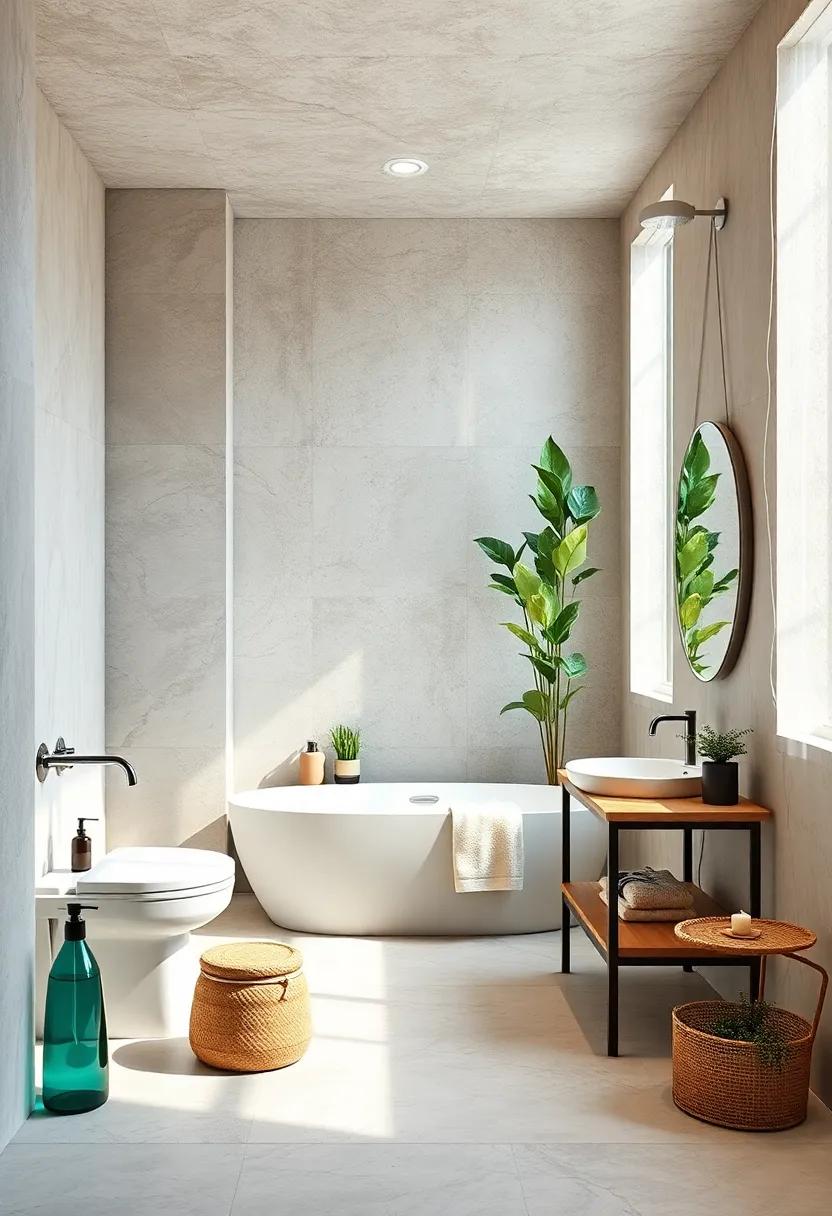
When it comes to personal care, opting for organic and cruelty-free products can be a game-changer for both your wellbeing and the planet. Organic bath products are crafted from natural ingredients, free of harmful chemicals and synthetic additives that can irritate your skin and pollute water sources. By choosing these products, you’re not just making a healthier choice for yourself, but you’re also supporting sustainable farming practices and reducing your impact on the environment.
look for brands that are committed to ethical practices; this often means they refrain from animal testing and use eco-friendly packaging. Consider exploring options such as:
- Organic soaps: Infused with botanical extracts that nourish your skin without toxic residues.
- Natural shampoos and conditioners: Formulated with plant-based ingredients that clean without stripping essential oils.
- Biodegradable bath bombs: Made with organic essential oils for a fragrant and relaxing soak.
- Cruelty-free lotions: Hydrating creams that offer a guilt-free path to healthy skin.
Moreover, the packaging can play a significant role in your choices.Seek out brands that utilize recycled materials and consider using refillable containers to cut down on waste. Here’s a comparison of some popular organic brands that prioritize sustainability and ethical practices:
| Brand | Key Qualities | Certifications |
|---|---|---|
| Ethique | Plastic-free, vegan | Certified B Corporation |
| Dr. Bronner’s | Fair trade, organic ingredients | USDA Organic |
| 100% Pure | No synthetic chemicals, cruelty-free | Leaping Bunny Certified |
Practice Minimalism: Reduce clutter by decluttering and only keeping essentials, which can save resources and make cleaning easier
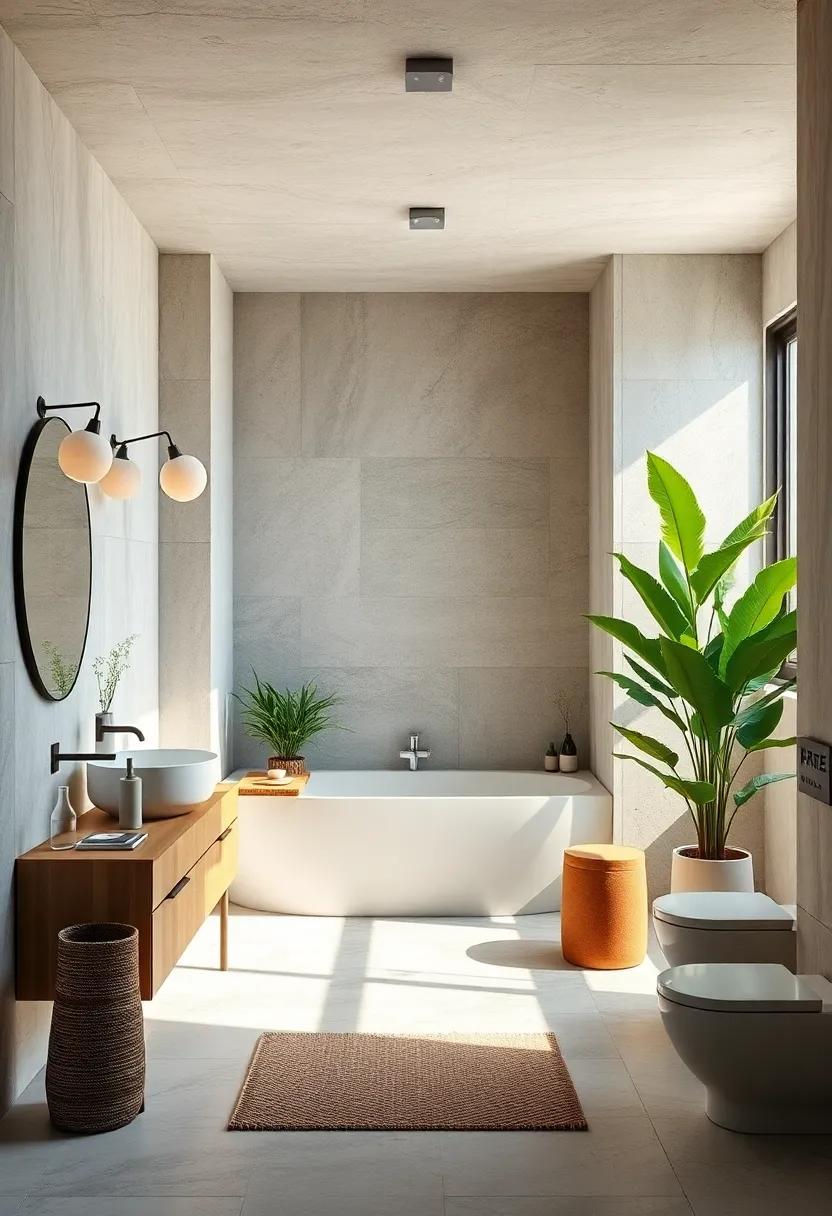
One of the most effective ways to create a more eco-friendly bathroom is to embrace minimalism. Begin by evaluating your current belongings and consider decluttering items that you no longer use or need. This not only creates a serene atmosphere but also minimizes the number of products that end up in landfills.Focus on keeping only the essentials, such as a few high-quality toiletries and multifunctional tools. Take a moment to enjoy the space you’ve created, as it allows for easier cleaning and promotes a more mindful approach to consumption.
to help streamline your bathroom essentials, consider categorizing your items into three simple groups: Must-Have, Occasionally Used, and Unnecessary. You can create a minimal list that highlights the essentials that serve multiple purposes, while also making it easier to spot what you can eliminate. Here’s a quick look at a potential list:
| Category | Items |
|---|---|
| Must-have | Multifunctional soap, bamboo toothbrush, reusable cotton pads |
| Occasionally Used | Hair products, body lotion, facial masks |
| Unnecessary | Expired products, duplicates, non-eco-friendly items |
By adopting this minimalist approach, you not only cut down on clutter but also align your bathroom with your eco-friendly values, making it a true sanctuary for relaxation and sustainability.
Use a Water Filter: Invest in a water filtration system to reduce plastic waste from bottled water and enjoy fresh, clean water straight from the tap
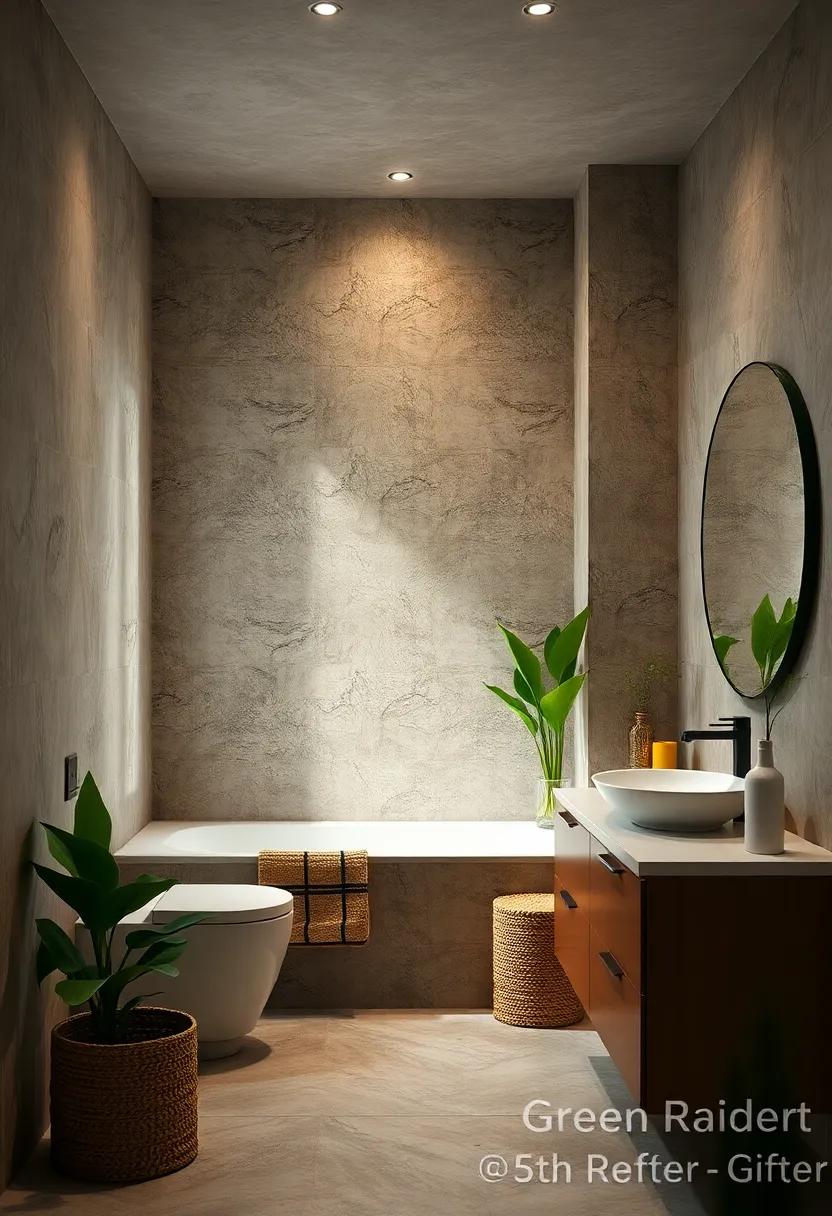
Installing a water filtration system in your bathroom not only enhances your daily routine but also significantly contributes to environmental preservation. By opting for a filter,you can eliminate the need for single-use plastic bottles,which litter our landfills and oceans. Imagine the convenience of turning on the tap and pouring yourself a refreshing glass of clean water, knowing that you are making a positive impact. The wide array of filtration systems available, from countertop filters to under-sink units, makes it easy to select one that fits your lifestyle and aesthetic.
Additionally, using filtered water in your bathroom offers other notable benefits. A water filter can improve the quality of your skin and hair care routines by removing harmful chemicals and impurities frequently enough found in municipal water. Consider these advantages:
- Better Taste: Filtered water often tastes fresher and cleaner.
- Cost-effective: Say goodbye to purchasing bottled water regularly.
- Eco-friendly: Reduces plastic pollution.
- Health Benefits: Filters can remove contaminants that may affect your health.
Transitioning to a water filtration system allows you to enjoy these benefits while enjoying peace of mind. Why not explore your options and select a system that aligns with your green lifestyle? Below is a simple comparison of common filtration types to help you decide.
| Filtration Type | pros | Cons |
|---|---|---|
| Activated Carbon | Effective in removing chlorine, improves taste | Needs replacement every few months |
| Reverse Osmosis | Removes a wide range of contaminants | Can waste water during the filtering process |
| UV Filters | kills bacteria and viruses | Does not remove chemical contaminants |
Collect Rainwater: If possible, set up a rainwater harvesting system for your garden or outdoor spaces, enhancing water conservation efforts
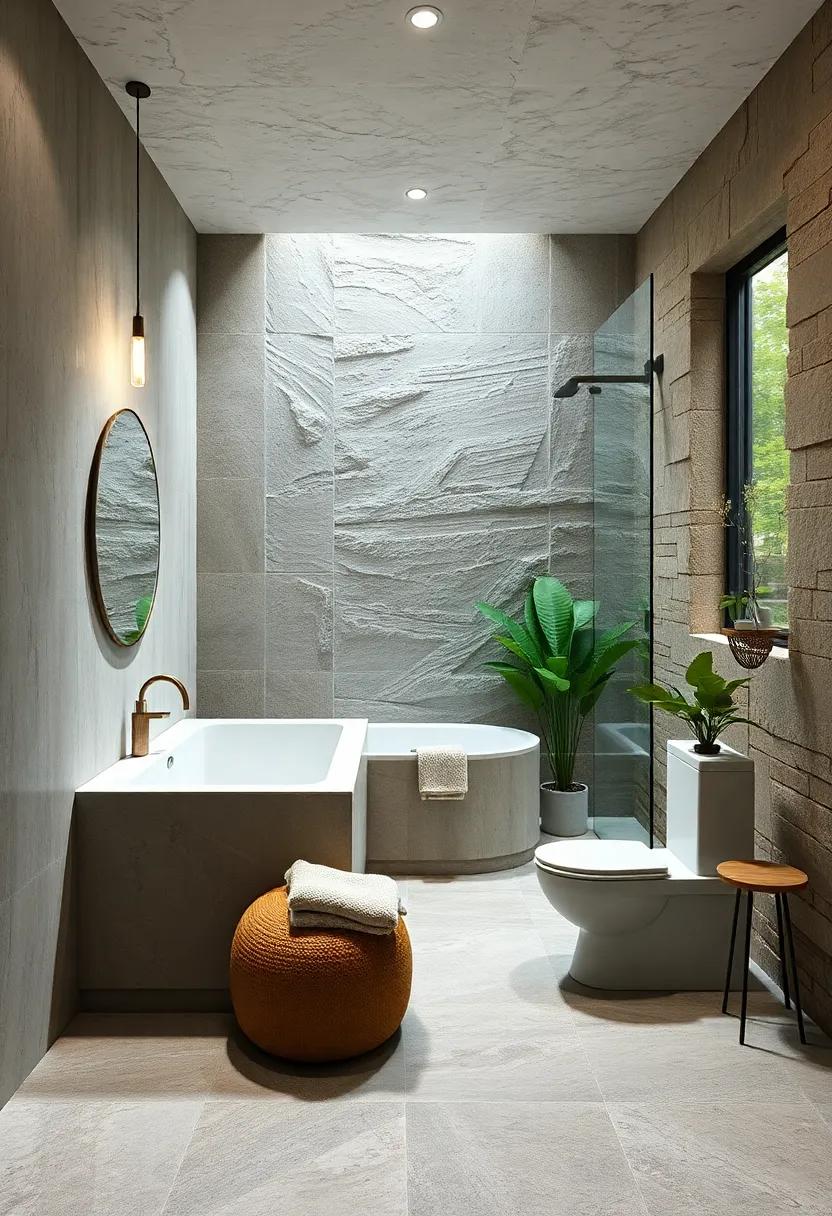
Harnessing the natural resource of rain can take your eco-friendly efforts to the next level. By installing a rainwater harvesting system, you can collect and store rain to use for various outdoor purposes. This not only reduces your reliance on municipal water supplies but also helps manage stormwater runoff, which can be beneficial for your garden. consider setting up a system that includes:
- Rain Barrels: These can be easily placed under your downspouts to collect water during rainfall.
- Drip Irrigation: Efficiently use collected rainwater to keep your plants hydrated without waste.
- Soaker Hoses: A perfect solution for garden beds, allowing water to seep directly into the soil.
To make the most of your rainwater system, consider the size of your collection tank based on your garden’s needs. Simple setups can range from small barrels of 50 gallons to larger tanks of 1,000 gallons or more. investing in a quality filter ensures that the water collected is clean and safe for your plants. Keep track of rainfall levels and usage with a basic table to monitor your conservation progress:
| Date | Rainfall (inches) | Water Collected (gallons) |
|---|---|---|
| March 1 | 1.5 | 150 |
| March 15 | 0.75 | 75 |
| March 30 | 2.0 | 200 |
Avoid Single-Use Items: Ditch disposable razors and cotton balls in favor of reusable alternatives that promote sustainability
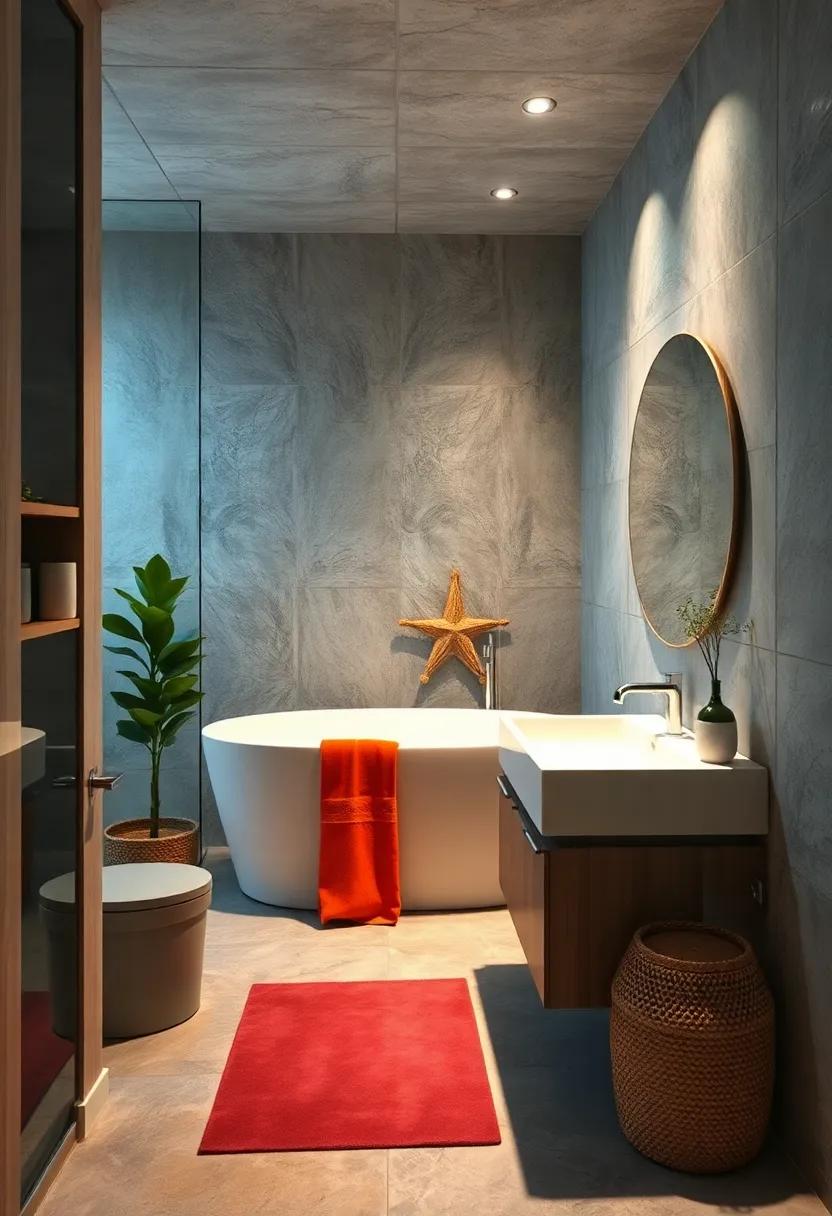
Switching to reusable alternatives is a simple yet impactful way to enhance the sustainability of your bathroom. For shaving, consider investing in a high-quality safety razor, which not only lasts longer than disposable razors but also reduces plastic waste significantly. Pair it with a brush and a natural shaving soap to elevate your grooming routine. When it comes to personal hygiene,replace single-use cotton balls with organic cotton rounds or bamboo pads. They can be easily washed and reused, offering a soft touch while minimizing your environmental footprint.
Moreover, consider using a reusable menstrual cup instead of traditional disposable products, a game-changer that can save money and reduce waste over time. Other options include washable cloth pads and period underwear, providing comfort without the environmental guilt. Below is a quick comparison of these alternatives to highlight their benefits:
| Item | Benefits | Longevity |
|---|---|---|
| Safety Razor | Less plastic waste, better shave | Years with proper care |
| Cotton rounds | Reusable, eco-friendly | Hundreds of uses |
| Menstrual Cup | Reduces waste, cost-effective | Up to 10 years |
Embrace Natural Light: Keep windows unobstructed to maximize natural light, reducing your reliance on artificial lighting during the day
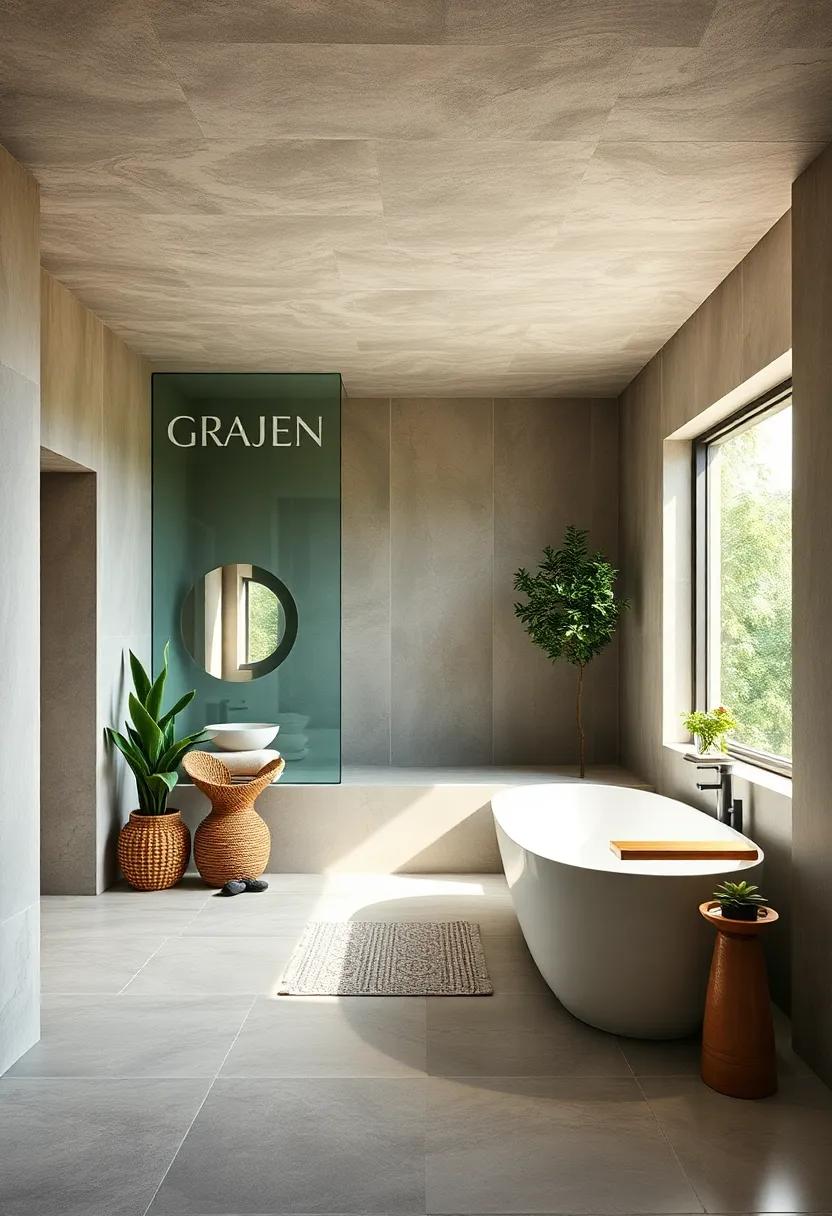
Let the sun shine in! Harnessing natural light not only brightens your bathroom but also creates a serene and inviting atmosphere. Consider the following tips for optimizing light in your space:
- Use sheer curtains: Opt for light, airy fabrics that allow sunlight to filter through while still offering a degree of privacy.
- Install mirrors strategically: Placing mirrors across from windows can reflect light and make your space feel larger.
- Keep windows clean: regularly wash your windows to remove dirt and grime, ensuring maximum light transmission.
- Choose light colors for walls: Soft, light-colored paints can help bounce natural light around the room, enhancing brightness.
Furthermore, consider the orientation of your windows and any outdoor obstructions that may hinder light. If possible, incorporate features that enhance light, such as:
| Enhancement | Benefit |
|---|---|
| Skylights | Bring in additional light from above. |
| Transom windows | create architectural interest while increasing light. |
| Glass shower doors | Eliminate barriers that block natural light. |
Install eco-Friendly Flooring: Choose sustainable flooring options like cork, bamboo, or reclaimed wood that are both stylish and planet-friendly
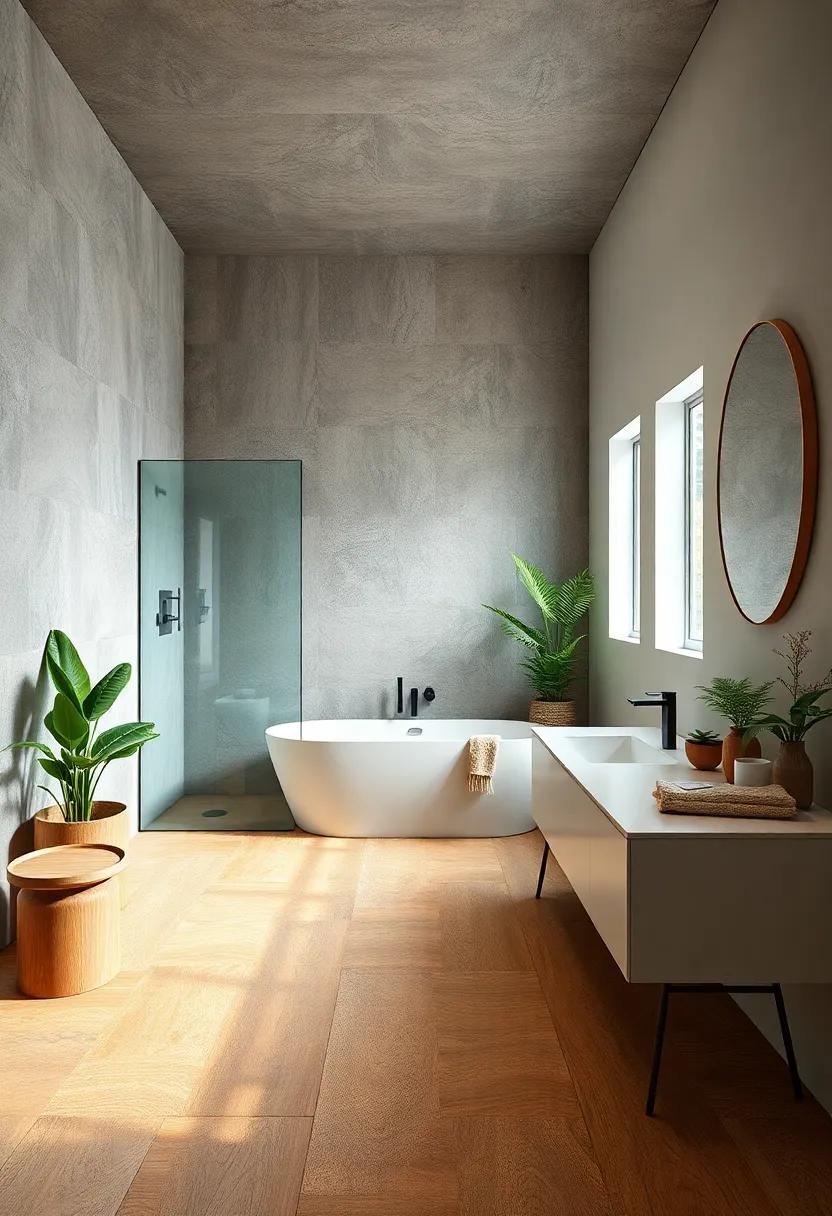
One of the best ways to make your bathroom eco-friendly is by selecting sustainable flooring options that offer both durability and style. Cork flooring is an excellent choice as it’s derived from the bark of cork oak trees, which can regenerate, making it an entirely renewable resource. It provides natural cushioning and is naturally resistant to mold and mildew, perfect for the humid environment of a bathroom. Bamboo, another fantastic option, grows quickly and can be harvested without harming the plant. not only does it yield a beautiful, distinctive look, but it is indeed also highly water-resistant when properly sealed. opting for reclaimed wood not only conserves forestry but gives your bathroom a rustic charm by repurposing materials that tell a story, creating a unique atmosphere that is both eco-conscious and stylish.
When exploring these flooring options, keep in mind the importance of installation and finishes. Look for products that use low-VOC finishes to ensure that the health of your indoor air quality remains uncompromised.Below is a simple comparison table to help you weigh the pros and cons of each sustainable flooring type:
| Flooring Type | Pros | Cons |
|---|---|---|
| Cork | – eco-friendly – Pleasant underfoot – Resistant to mold |
– Can be damaged by sharp objects |
| Bamboo | – Fast-growing renewable resource - Stylish and modern – Durable |
– Needs proper sealing – Can expand with humidity |
| Reclaimed Wood | - Unique character – Environmentally friendly – Durable if maintained |
– can be costly – Requires ongoing upkeep |
Use Reusable Makeup Removers: Switch to washable cotton pads or reusable rounds for makeup removal, cutting down on single-use waste
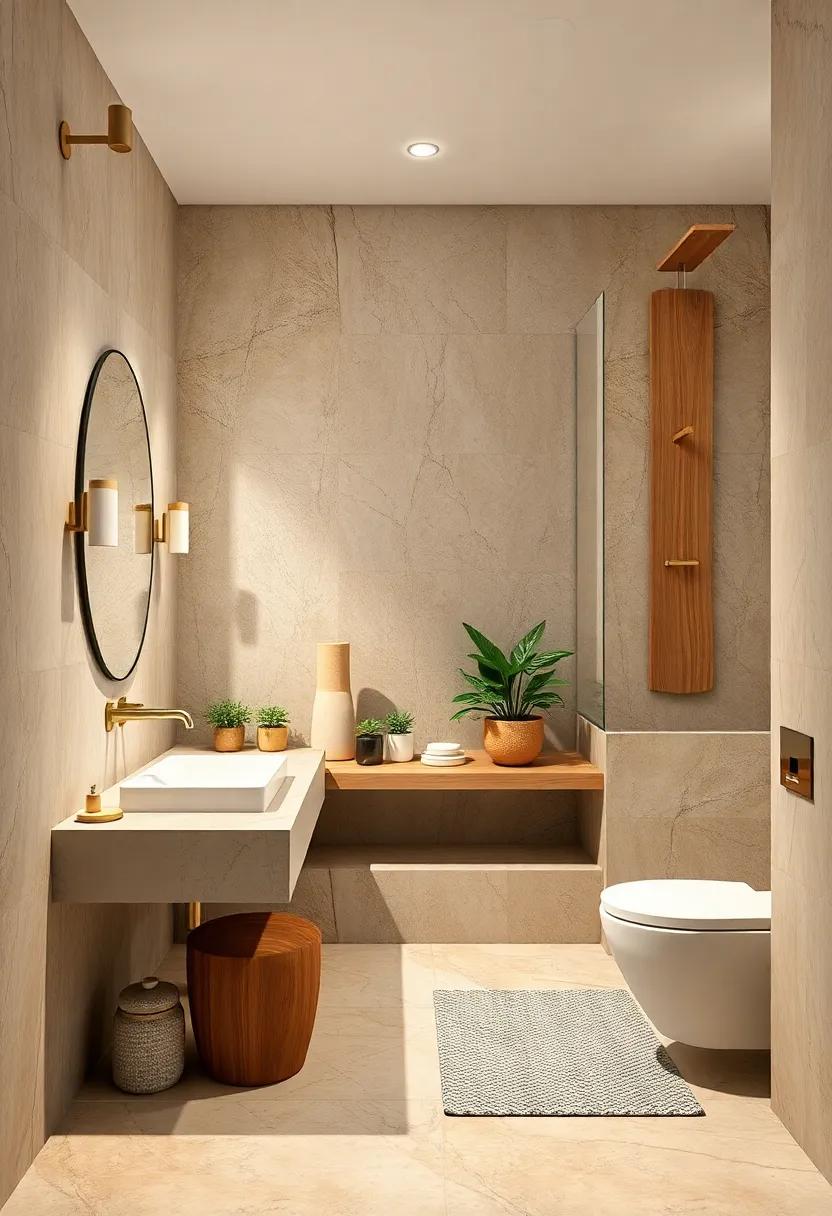
Elevate your makeup removal game by opting for washable cotton pads or reusable rounds. Not only are these eco-friendly alternatives gentle on your skin,but they also significantly reduce your reliance on single-use products that contribute to landfill waste. By integrating these sustainable options into your routine, you can promote a cleaner planet while enjoying a luxurious cleansing experience. Choose from an array of materials such as organic cotton, bamboo, or microfibers, each offering their unique benefits and comfort for a guilt-free skincare regimen.
to further enhance the eco-friendly transformation of your bathroom, consider creating a designated spot for your reusable makeup removers. set up an attractive container or basket to store them neatly; this encourages you to use them regularly while adding a touch of style to your space. You can even create a cleaning schedule for your pads and rounds to ensure they remain fresh and hygienic.Here are some suggestions for selecting and maintaining your reusable items:
| Material | Benefits |
|---|---|
| Organic Cotton | Soft, breathable, and hypoallergenic |
| Bamboo | Antibacterial, super absorbent |
| Microfiber | Highly effective in removing makeup without harsh chemicals |
Set up a Recycling Station: Dedicate a space in your bathroom for recycling to ensure paper and plastic products are disposed of responsibly
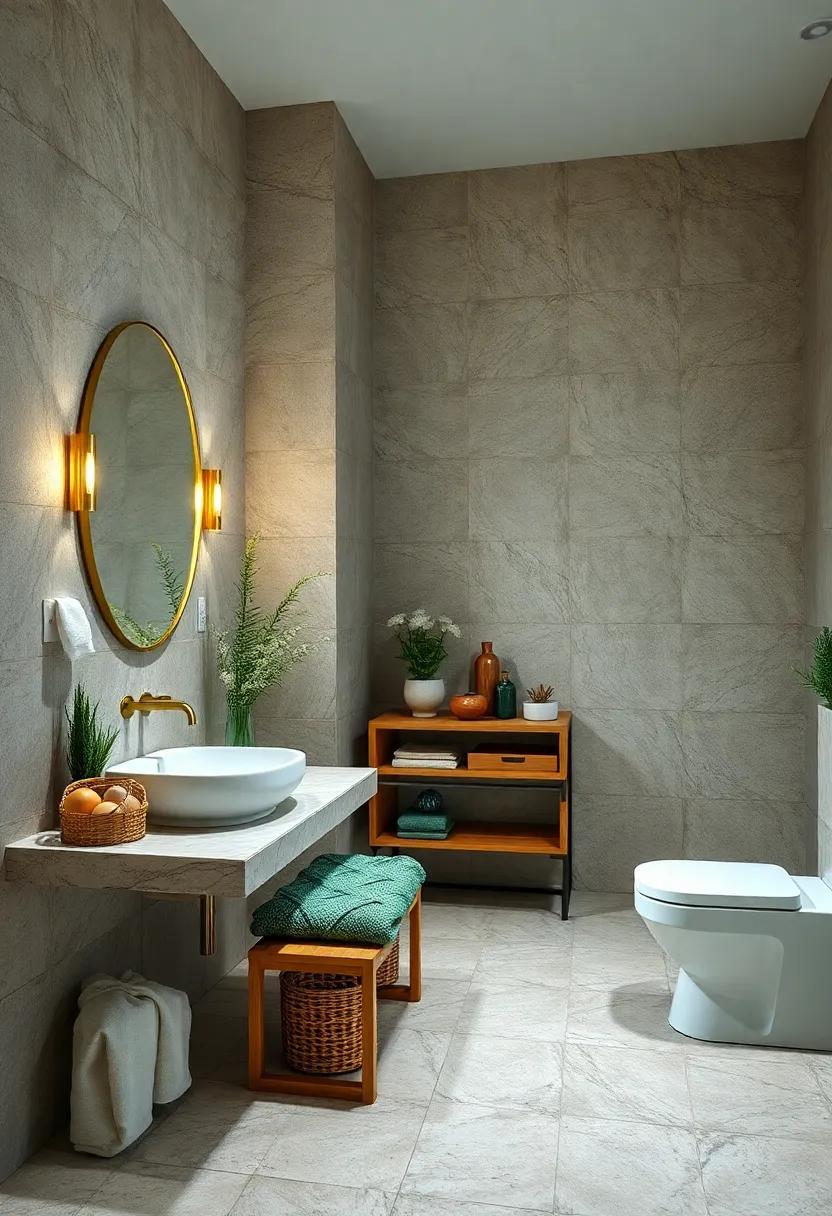
Creating a dedicated recycling station in your bathroom is a simple yet impactful step towards eco-friendliness. Start by designating a specific bin for recyclable materials, such as paper towel rolls, empty shampoo bottles, and cardboard packaging. To make it more effective, consider using clear bins to easily see what goes where, or label each bin with clear identifiers. Choose durable, reusable containers that not only stand up to the humidity of the bathroom but also complement your decor. This will encourage the habit of recycling and make it more appealing.
To take your recycling efforts a step further,establish a small sorting system. You can categorize items as follows:
| Material Type | Example items |
|---|---|
| Paper Products | Toilet paper rolls, cardboard packaging |
| Plastic | Shampoo bottles, soap dispensers |
| Glass | Empty perfume bottles, skincare jars |
By integrating this system, you will not only streamline your recycling process but also make an impact on your overall ecological footprint. Remember to regularly empty your bins and encourage household members to participate, creating a unified effort toward sustainability in your bathroom.
Opt for Low-Impact Textiles: Seek out fabrics dyed with non-toxic dyes and made from sustainable sources for curtains and other textiles
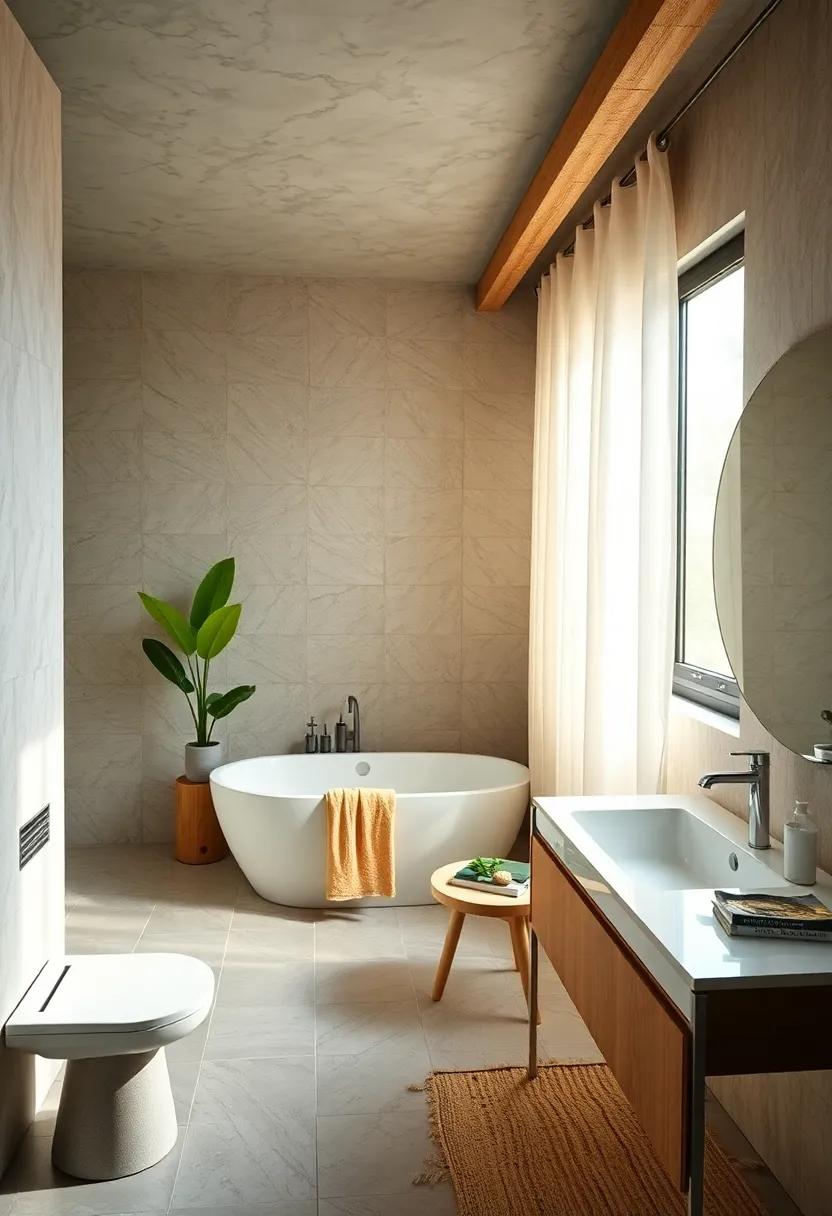
When transforming your bathroom into an eco-friendly sanctuary, the choice of textiles plays a vital role in ensuring sustainability and aesthetic appeal. Seek out fabrics that have been dyed using non-toxic dyes,avoiding harsh chemicals that can be harmful to both the environment and your health. organic cotton, linen, and hemp are excellent options that not only exude elegance but also contribute to sustainable practices. Consider incorporating these materials into your curtains, bath mats, and even decorative towels for a cohesive and environmentally conscious design.
Additionally, focus on sourcing textiles made from sustainable resources. Fabrics derived from recycled materials or produced through ethical manufacturing processes can significantly reduce your bathroom’s environmental footprint. Look for brands that prioritize openness in their supply chains and promote green practices—this is crucial in fostering a more sustainable future. As you select your bathroom textiles, think about how vibrant colors and textures can harmonize with your eco-friendly vision while prioritizing both aesthetics and sustainability.
Install a Ventilation Fan: Improve air circulation with an energy-efficient ventilation fan to combat moisture and limit mold growth
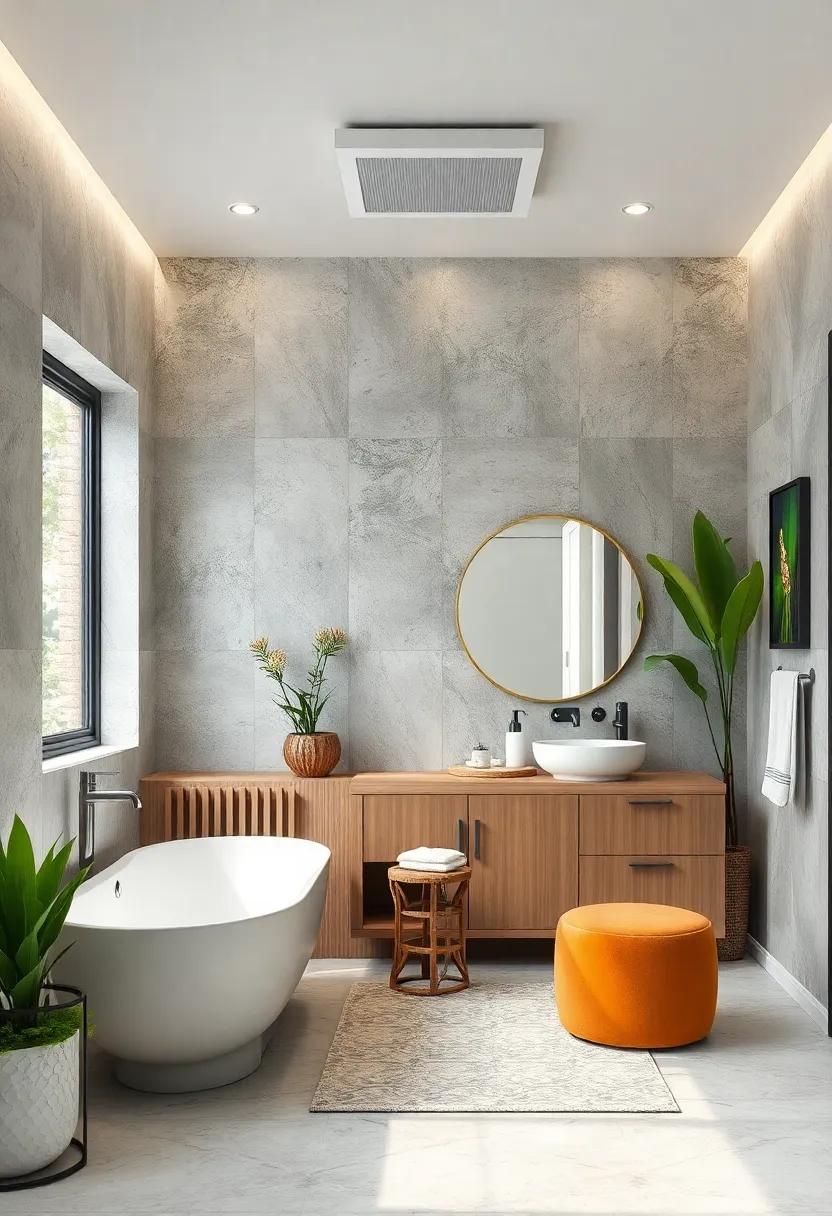
Installing a ventilation fan is a fantastic way to enhance air circulation in your bathroom, creating a fresher and healthier environment. Not only does a well-placed fan reduce humidity levels, but it also plays a significant role in combating the growth of mold and mildew. When you select an energy-efficient model, you can enjoy the benefits of improved air quality while also being mindful of your energy consumption. Consider the following features when choosing the right ventilation fan:
- Noise Level: Look for models designed to operate quietly,preserving your peaceful retreat.
- Energy Efficiency: Opt for fans with ENERGY STAR ratings to minimize electricity use without sacrificing performance.
- Humidity Sensors: Some fans come with automatic humidity sensors, turning on and off based on moisture levels.
- Remote Control: Convenience is key; control your fan from anywhere in the room.
To ensure you select the perfect fan, consider the size of your bathroom and the required airflow rate, measured in cubic feet per minute (CFM). It’s essential to match the fan’s capacity to your bathroom size for maximum efficiency, preventing excess energy use while keeping mold at bay. Here’s a simple guide to understand the airflow needs based on bathroom dimensions:
| Bathroom Size (sq. ft.) | Recommended CFM |
|---|---|
| 50 – 100 | 50 – 100 |
| 100 – 150 | 100 - 150 |
| 150 – 200 | 150 – 200 |
by investing in an energy-efficient ventilation fan tailored to your bathroom’s needs, you’ll create a greener oasis that promotes wellness while effectively managing indoor moisture levels. Make this small but impactful change today for a more sustainable and enjoyable bathing experience.
Repurpose glass Jars: use glass jars for storage of small items, creating a chic look while reducing the need for new storage containers
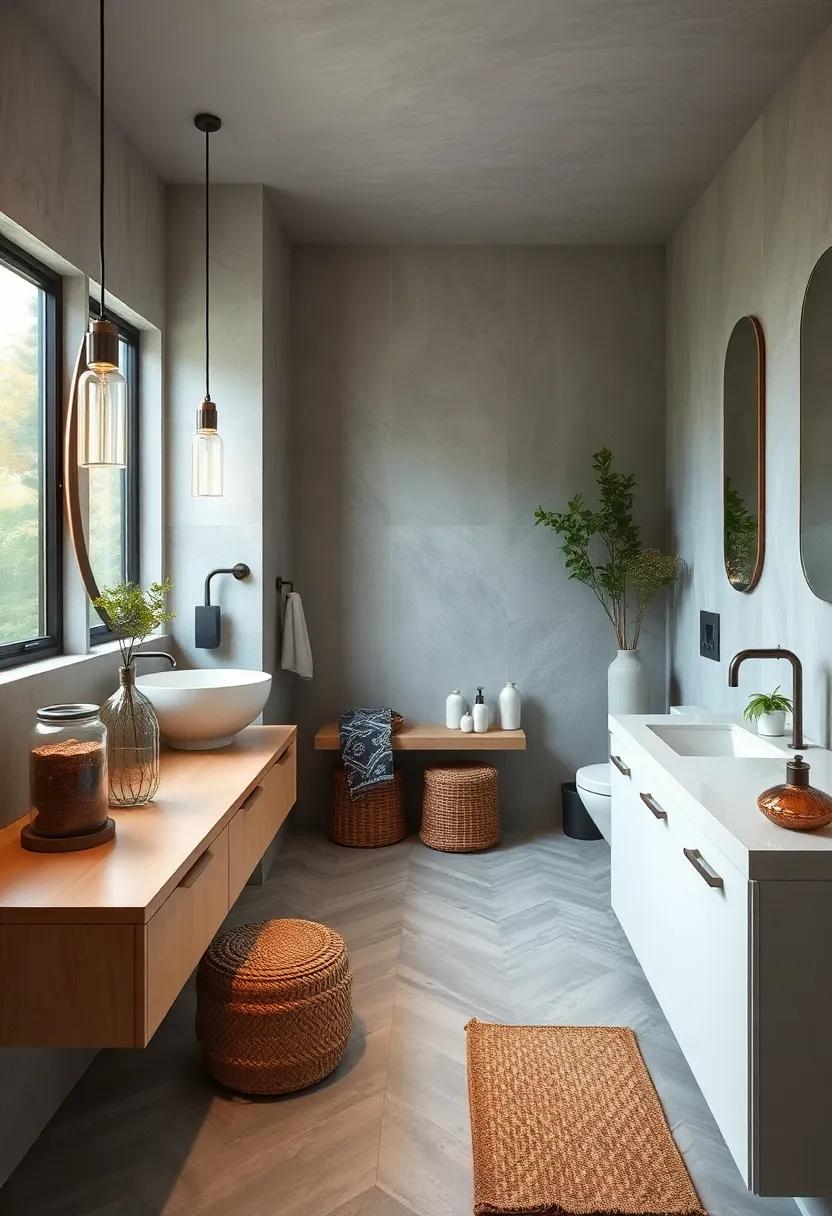
Glass jars are not just for preserving your grandma’s homemade jams; they can also serve as an elegant and eco-friendly solution for organizing your bathroom essentials. Transform an old mason jar into a chic display for your cotton balls,swabs,or bath salts. By using jars of varying sizes, you create a visually pleasing arrangement while keeping all your small items easily accessible. Pair these jars with some natural twine or burlap to enhance the rustic charm and create a cohesive look that ties in with your green oasis theme.
To further enhance your storage game, consider labeling each jar with its contents. You can craft stunning labels from recycled paper or use a chalkboard paint technique for a customizable touch. Not only does this bring organization to your countertop, but it also adds a personal flair to the space. Below is a simple table showcasing some creative jar ideas for different bathroom items:
| jar Size | Ideal Storage | Styling Tip |
|---|---|---|
| Small Mason Jar | Cotton Swabs | Wrap with twine for a rustic feel |
| Medium Glass Jar | Cotton Balls | Add a label for easy identification |
| Large Jar | Bath Salts | Layer with different types for a colorful display |
Make DIY Bathroom Products: experiment with homemade recipes for scrubs, masks, and scents using natural ingredients to reduce waste and personalize your routine
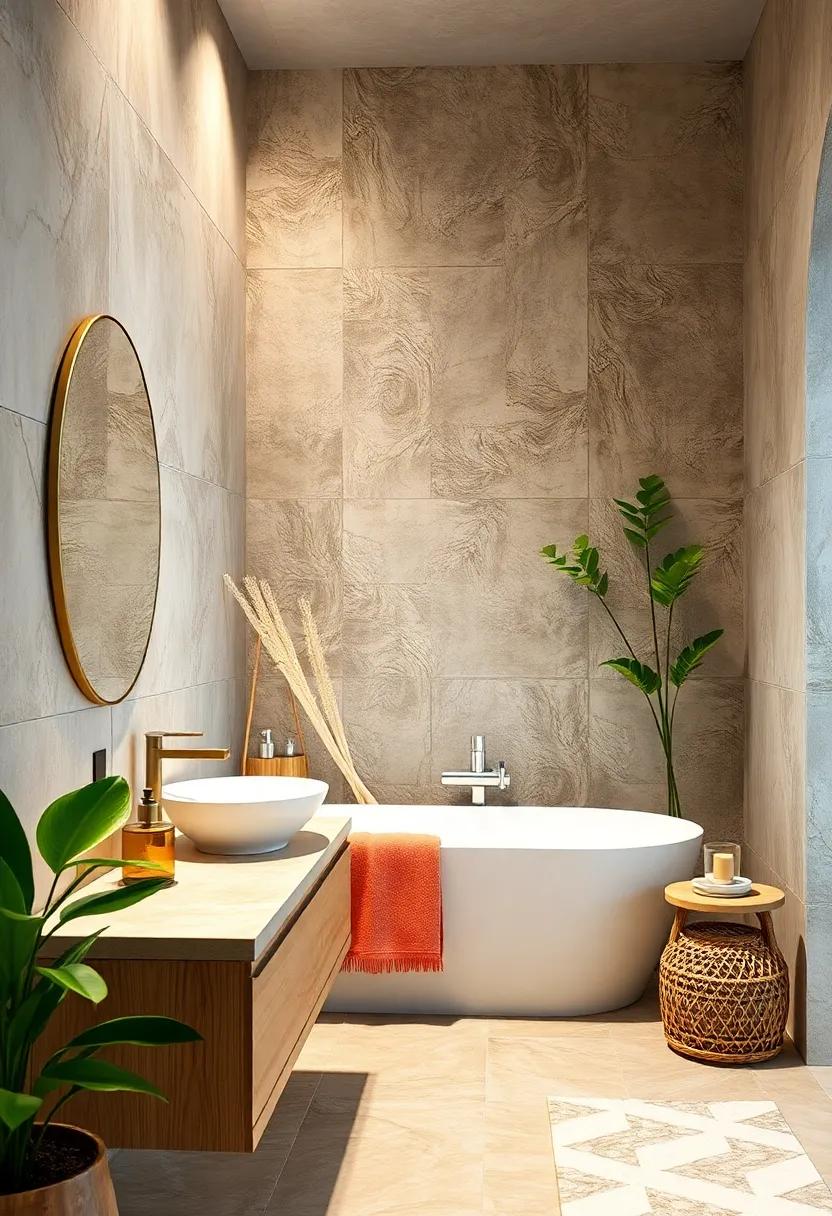
Transform your bathroom into a sanctuary of self-care with simple,do-it-yourself products that not only pamper your skin but also help the planet.By blending natural ingredients straight from your pantry, you can create an array of eco-friendly bathroom essentials that cater to your unique needs. Consider these delightful concoctions:
- Exfoliating Coffee Scrub: Mix equal parts of ground coffee and coconut oil for a revitalizing body scrub that sloughs away dead skin cells.
- Soothing Oatmeal Mask: Blend oats with honey and yogurt to create a calming facial mask that hydrates and nourishes sensitive skin.
- Refreshing Citrus Bath Soak: Combine Epsom salts with your favorite citrus peels and a handful of dried herbs for a rejuvenating soak.
- Natural Air Freshener: Infuse water with essential oils like lavender or eucalyptus for a refreshing spray that keeps your bathroom smelling delightful.
Crafting personalized concoctions allows you to experiment with scents and textures, ensuring every product resonates with your essence. not only are these DIY recipes simpler and more sustainable than commercial options, but they also minimize plastic waste. Use this table to recall popular ingredients and their benefits:
| Ingredient | Benefit |
|---|---|
| Coconut Oil | Moisturizing and antibacterial properties. |
| Honey | Natural humectant that hydrates and soothes. |
| Oats | Calms inflammation and gently exfoliates. |
| Essential Oils | Provides aromatherapy benefits and enhances mood. |
In Summary
As we draw the curtain on our exploration of 29 eco-friendly ideas to transform your bathroom into a green oasis, we hope you feel inspired to embark on this sustainable journey. Every small change you make can ripple out, creating a wave of positive impact on our planet. Whether it’s swapping out conventional products for organic alternatives, installing water-saving fixtures, or embracing natural decor, each step counts toward a greener, more mindful living space.
Imagine stepping into a serene sanctuary every day—one that not only nurtures your well-being but also respects the earth. By adopting these eco-conscious practices, you’re not just upgrading your bathroom; you’re also joining a community of forward-thinkers committed to preserving our environment for future generations.
So, as you plan your next bathroom revamp, remember that sustainability and style can go hand in hand. let your bathroom be a reflection of your values—a true green oasis where luxury meets eco-responsibility.Here’s to transforming your space into a serene retreat, one small change at a time!