20 Stylish Japandi Living Room Designs for a Chic and Minimalist Home Interior

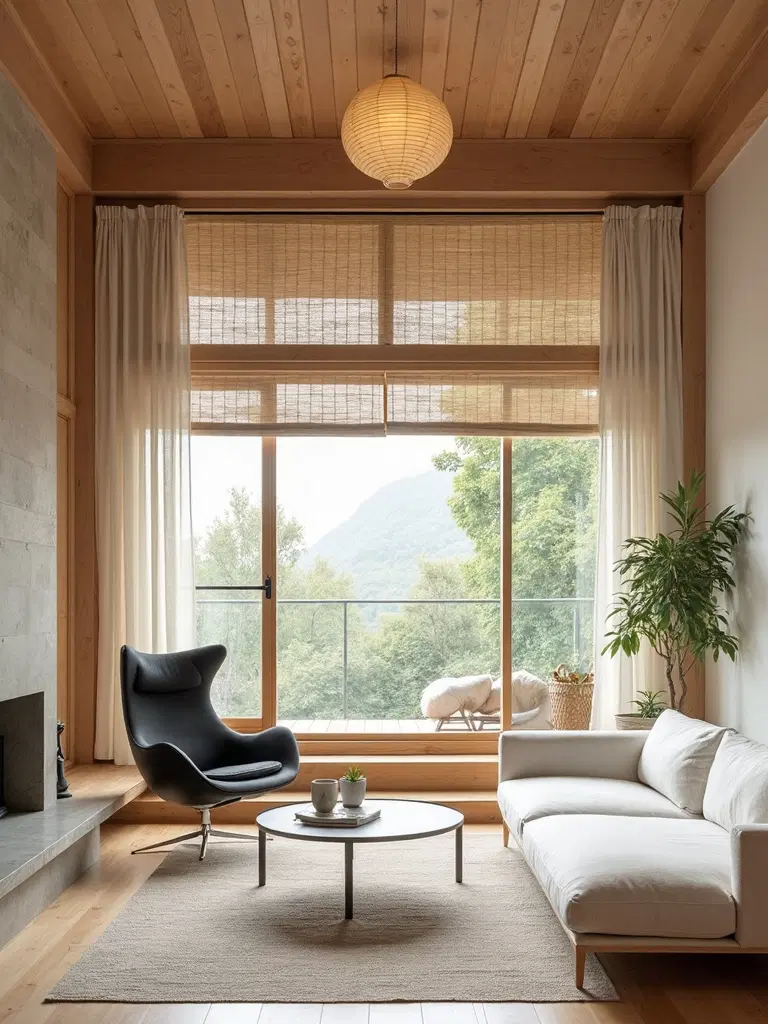
Japandi design emerges as an ideal method to craft a tranquil and uncluttered living room that remains cozy and welcoming. This refined style marries the sleek simplicity of Japanese aesthetics with the warmth and functionality of Scandinavian design, resulting in spaces that prioritize calmness without compromising utility. By carefully incorporating natural materials and mastering the skillful use of negative space, these 20 innovative tips will help transform your apartment living area into a peaceful haven inspired by contemporary minimalism.
Achieving Harmony in Japandi Décor
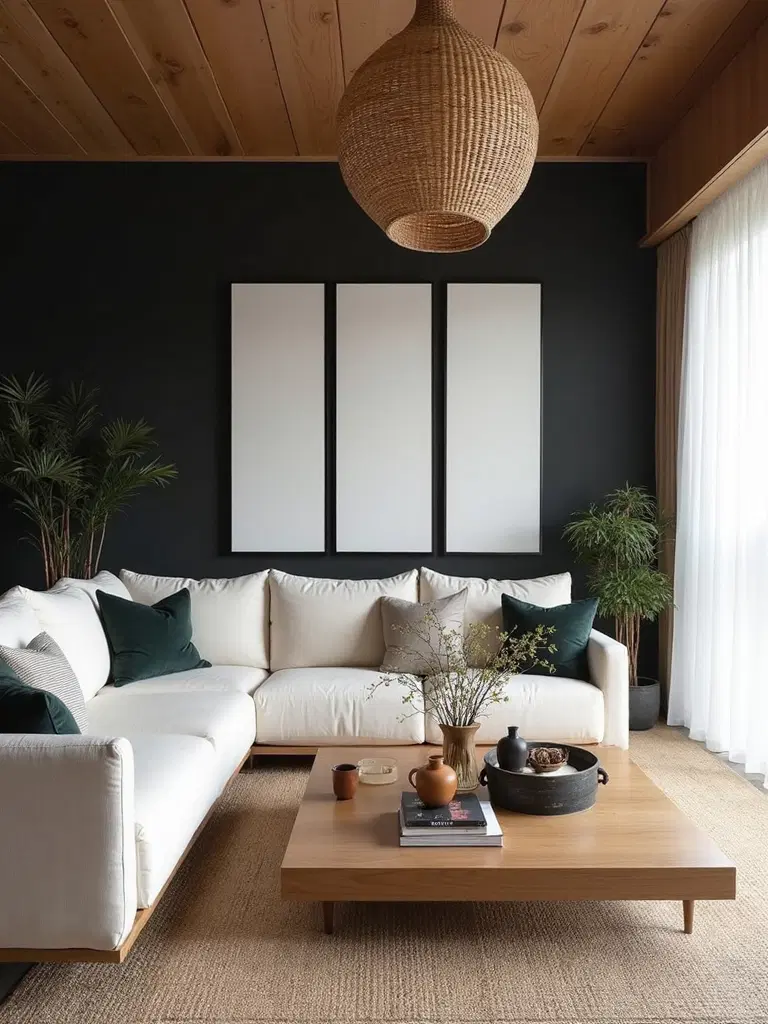
Creating a living room that exemplifies Japandi style hinges on finding the perfect equilibrium between the crisp minimalism seen in Japanese interiors and the cozy elements characteristic of Scandinavian homes.
Strive for visual harmony by blending linear, straightforward furniture with softer, rounded shapes, paired with a muted palette and contrasting textures.
Maintain an uncluttered atmosphere with versatile furnishings that serve multiple purposes, and emphasize the voids between objects by allowing negative space to breathe, cultivating a serene and balanced ambiance.
Utilizing Soothing Earth Tones
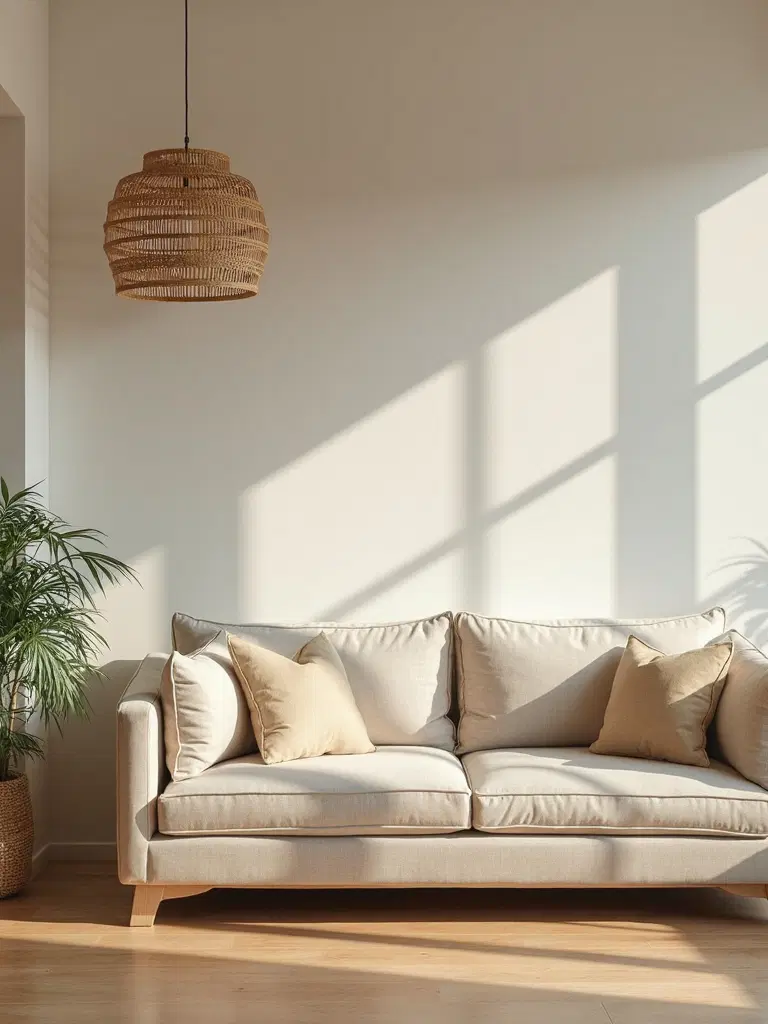
Start your Japandi living room design with a base of gentle, neutral shades such as off-whites, beige, and soft greys to establish calm visual flow.
Introduce earthy accents—like muted olive greens or dusty terracotta—to enhance warmth while respecting the understated look.
Incorporating subtle contrasts, for instance charcoal details against pale backdrops, strengthens the dynamic yet peaceful aesthetic at Japandi’s core.
Bringing in Wooden Textures for Warmth
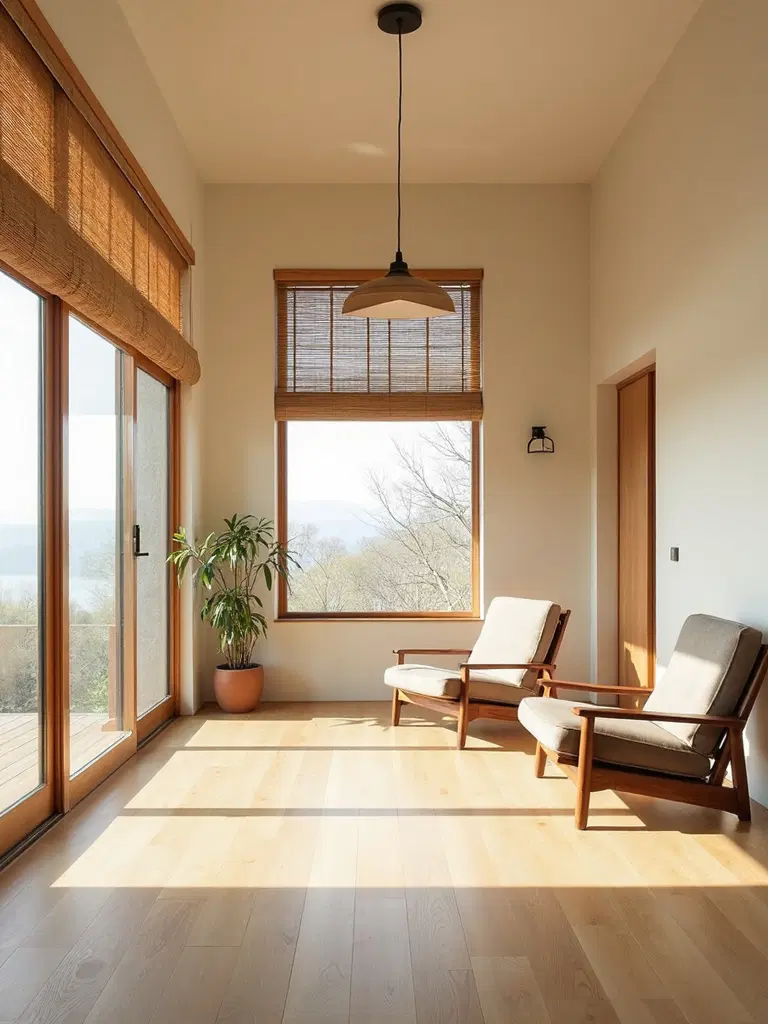
The essence of Japandi spaces often lies in the organic texture and warmth brought by natural wood features.
Create visual depth by harmonizing varying wood hues—from lighter oak floors to deeper walnut furniture.
Opt for responsibly harvested wood products, including paneling or subtle décor elements such as artisan-crafted wooden bowls, to blend sustainability with aesthetics seamlessly.
Organizing a Functional Minimalist Space
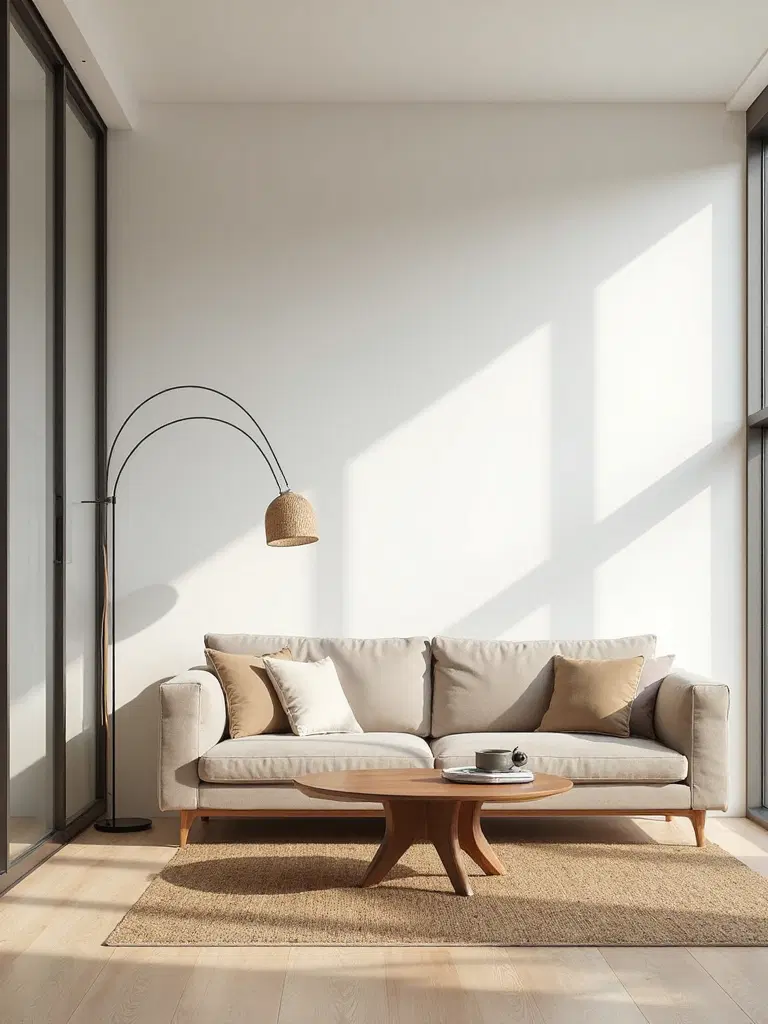
A minimalist spatial arrangement is critical to Japandi interiors, focusing on simplicity without sacrificing purpose.
Select pieces that offer multifunctionality, enabling you to keep the room open and airy while meeting everyday needs.
Amplify sunlight with sheer drapes, and choose modest, streamlined seating to support a flowing, unobstructed layout.
Introduce wooden room dividers to subtly delineate areas while preserving the open-plan feeling that defines Japandi style.
Enhancing Comfort with Textural Layers
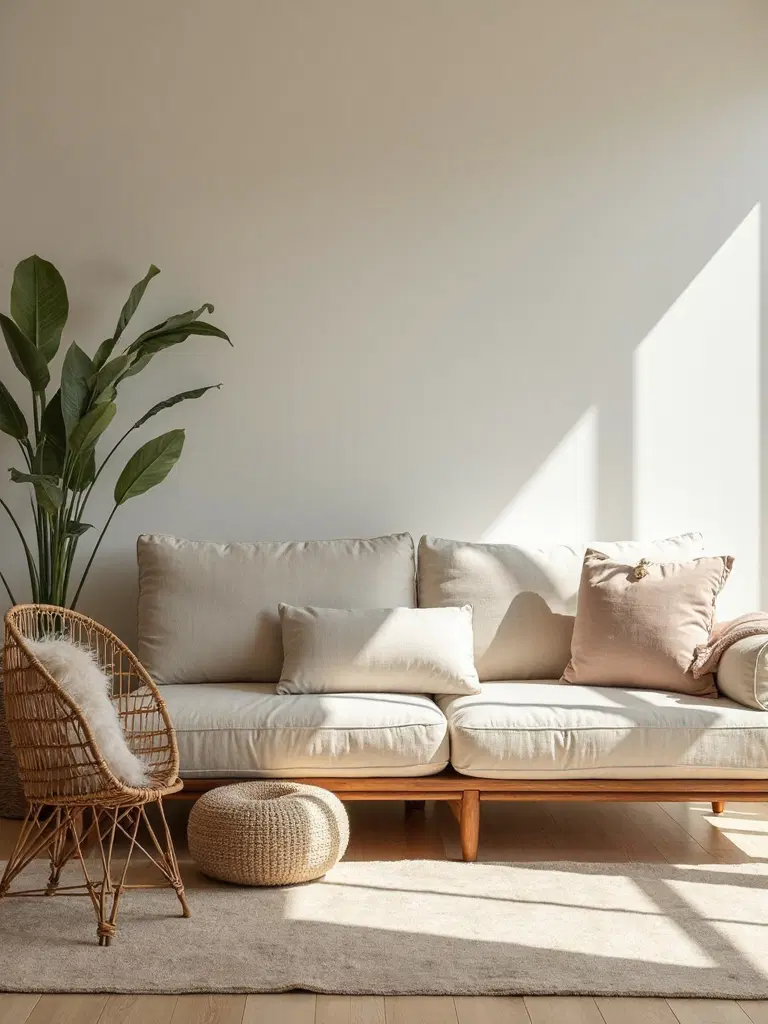
Adding layers of tactile materials transforms strict minimalism into a warm and inviting setting.
Consider placing plush rugs atop hardwood floors, incorporating natural fibers like linen throws and cozy wool cushions.
Combine contrasting textures by pairing smooth leather seats with soft woven fabrics in neutral palettes, striking a perfect balance between luxury and simplicity.
Curating a Zen Coffee Table Arrangement
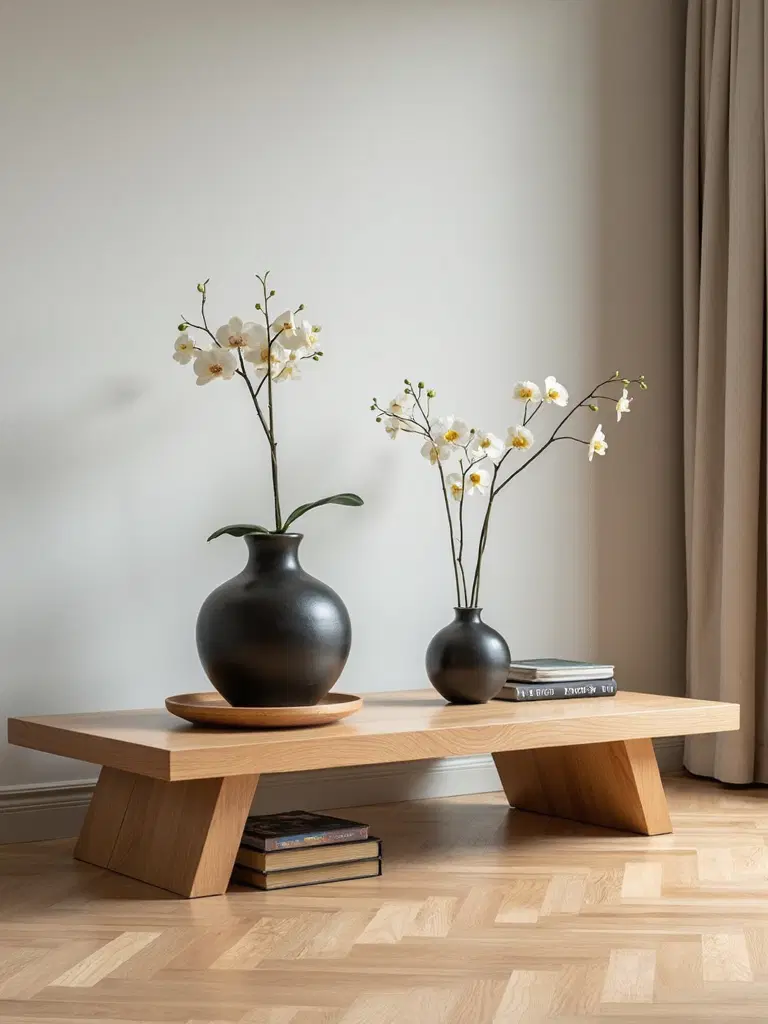
Attending to your coffee table’s styling with intention can elevate the room’s atmosphere by blending utility with aesthetics.
Use natural pieces such as wooden trays or woven baskets to pay homage to the Japandi ethos.
Incorporate elements like sculptural vases or leafy plants to add texture and warmth, all while resisting visual clutter to maintain a cozy, uncluttered feel.
Maximizing Storage in Compact Spaces
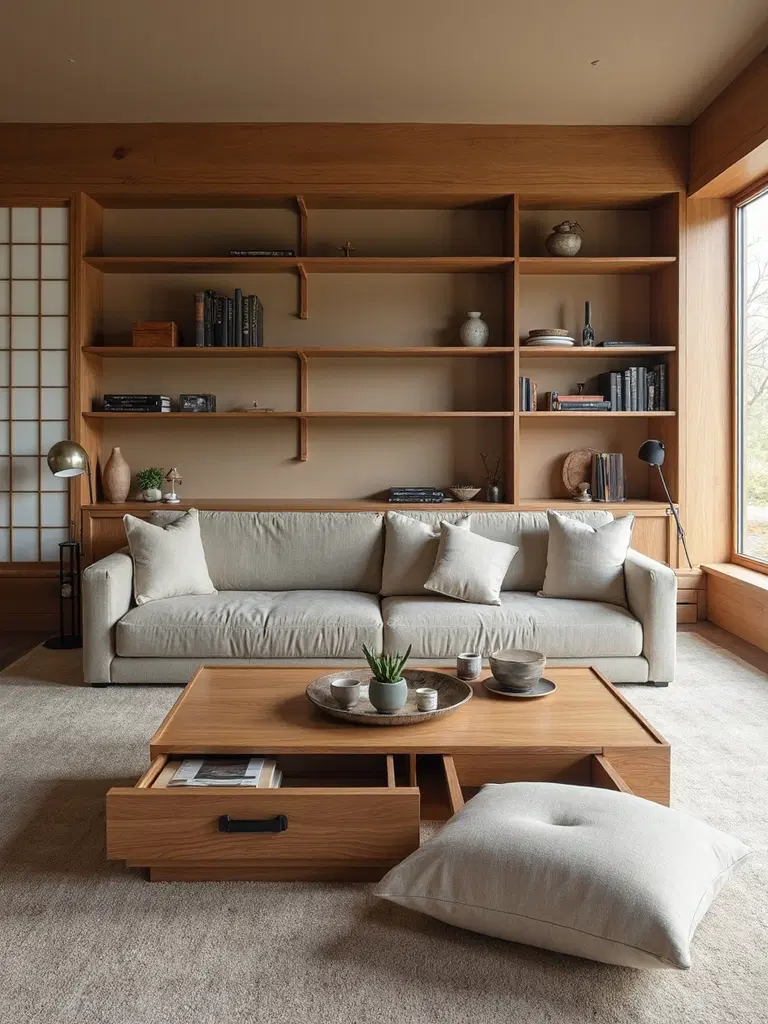
Functional storage solutions are a cornerstone of Japandi living, especially in urban apartments where space is limited.
Incorporate dual-purpose furniture like storage poufs or benches with hidden compartments to align with your minimalist ethos.
Integrate floating shelves and under-furniture storage in natural hues to keep clutter out of sight, maintaining the style’s hallmark clean lines.
Selecting Low-Profile Furnishings
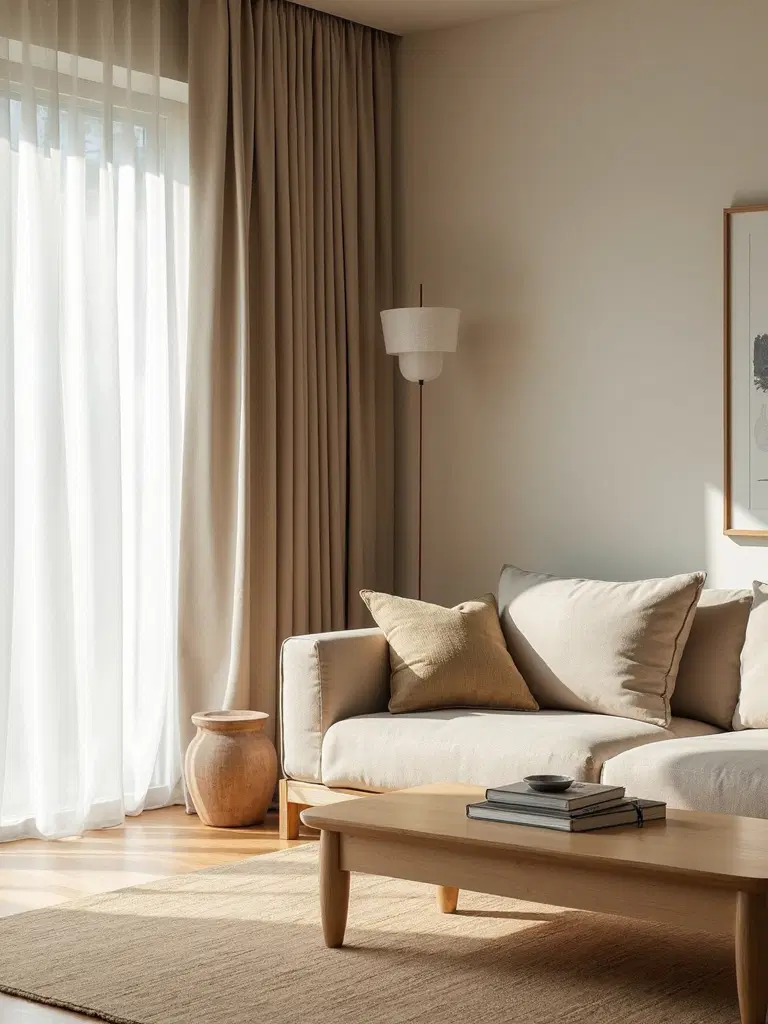
Opting for low-profile furniture helps to cultivate an inviting and airy Japandi environment.
Choose streamlined designs with natural wood or fabric finishes that maintain a close-to-the-ground silhouette, which visually expands the room’s verticality.
This strategy supports a peaceful setting that welcomes both functional living and contemplative aesthetics.
Harmonizing Light and Shadow
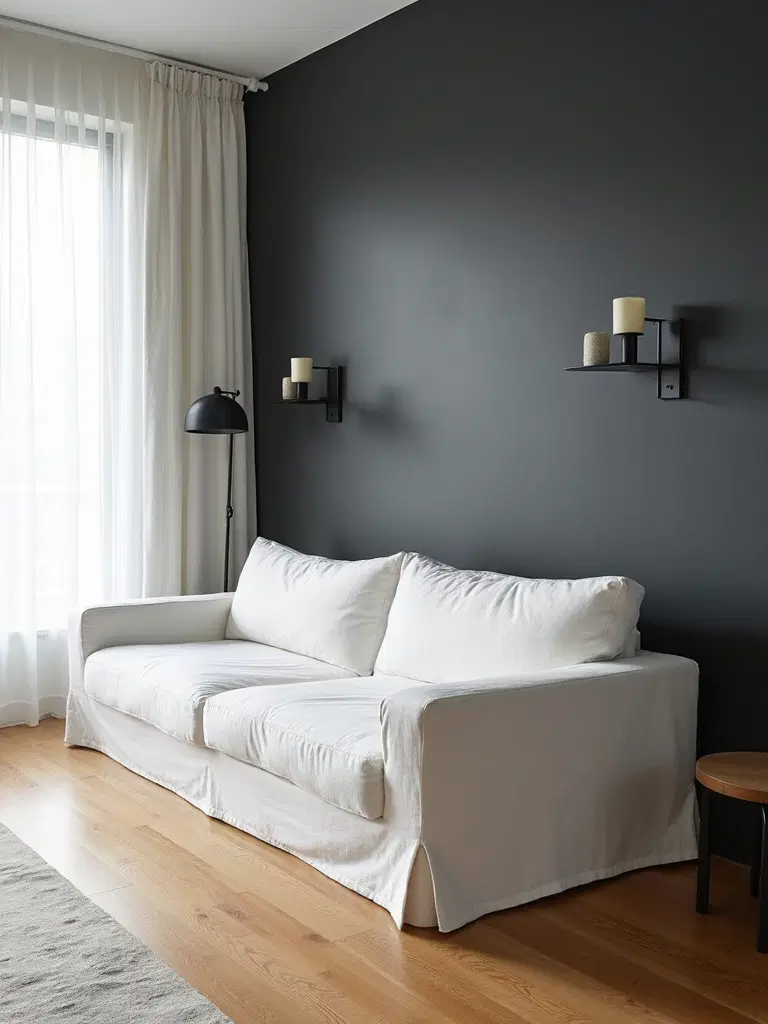
Mastering Japandi design entails embracing a delicate dance between luminous and shaded areas within your space.
Combine a dark-toned leather couch with soft, light woven throws to create rich texture contrasts.
Strategically place black elements on neutral bases and opt for dark wood furnishings against pale walls to deepen visual interest while sustaining calmness.
Decorating with Handmade Ceramics
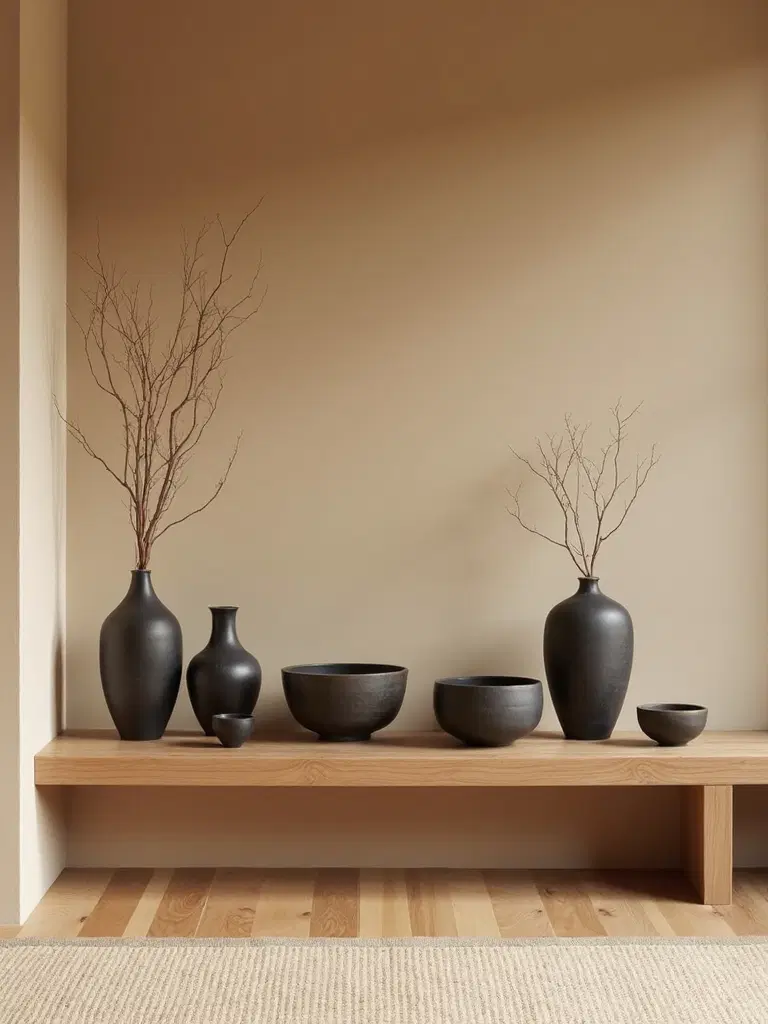
Handcrafted ceramics inject a distinctive charm to Japandi spaces while reflecting the Japanese wabi-sabi appreciation for imperfection and natural simplicity.
Incorporate neutral-hued pottery, such as vases or serving teapots, crafted by local artisans to add uniqueness and authenticity without overwhelming the minimalist surroundings.
Prioritizing Eco-Conscious Décor
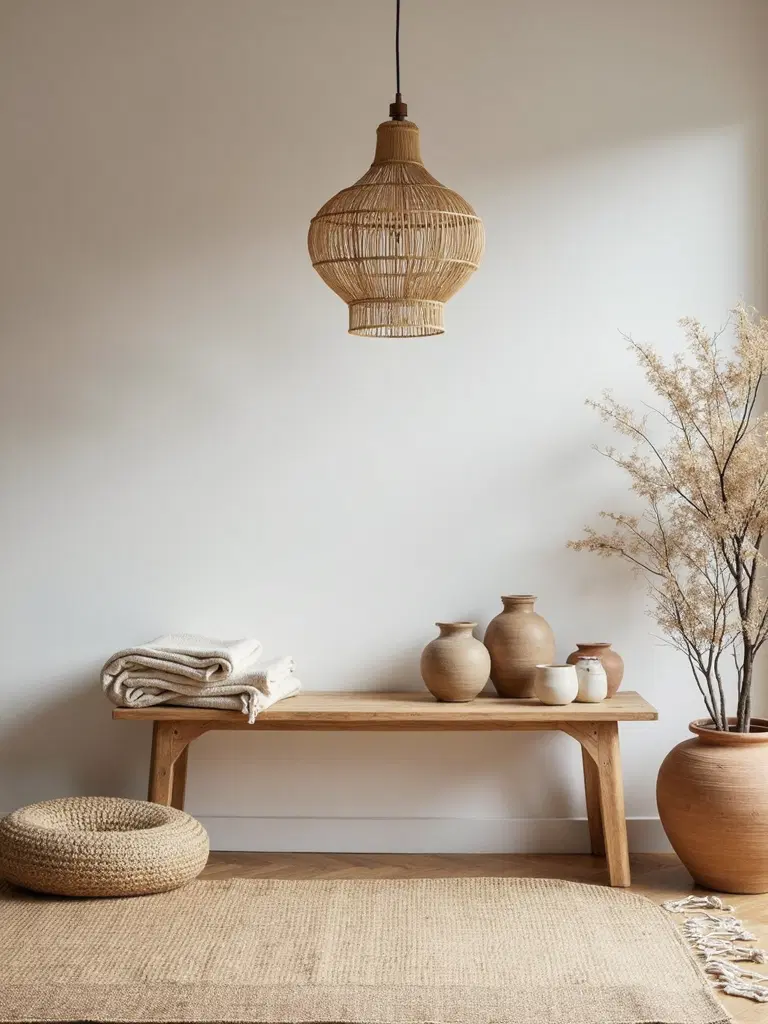
A key principle of Japandi design is environmental mindfulness, making sustainable décor choices crucial.
Select furnishings made from renewable materials such as rattan, hemp, or reclaimed wood, which blend style with low environmental impact.
Invest in artisanal pieces that promise longevity and minimal carbon footprint, thus honoring your commitment to eco-friendly living.
Enhancing Atmosphere with Soft Lighting
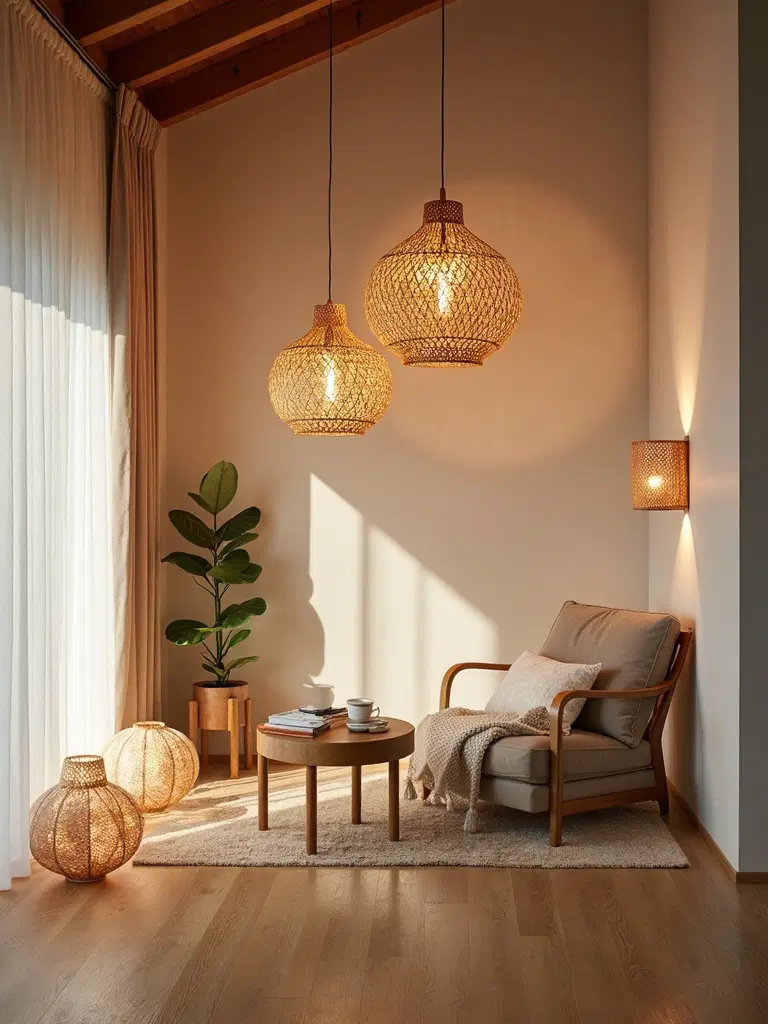
Lighting shapes the mood of your Japandi room, enhancing warmth and connectivity.
Combine layers of ambient light from sources like soft-toned LED lamps and delicate paper lanterns to establish inviting glow zones.
During daylight, maximize sunlight with translucent draperies, switching to adjustable dimming fixtures infused with warm hues as night falls to maintain a comforting sanctuary.
Selecting Impactful Minimalist Artwork
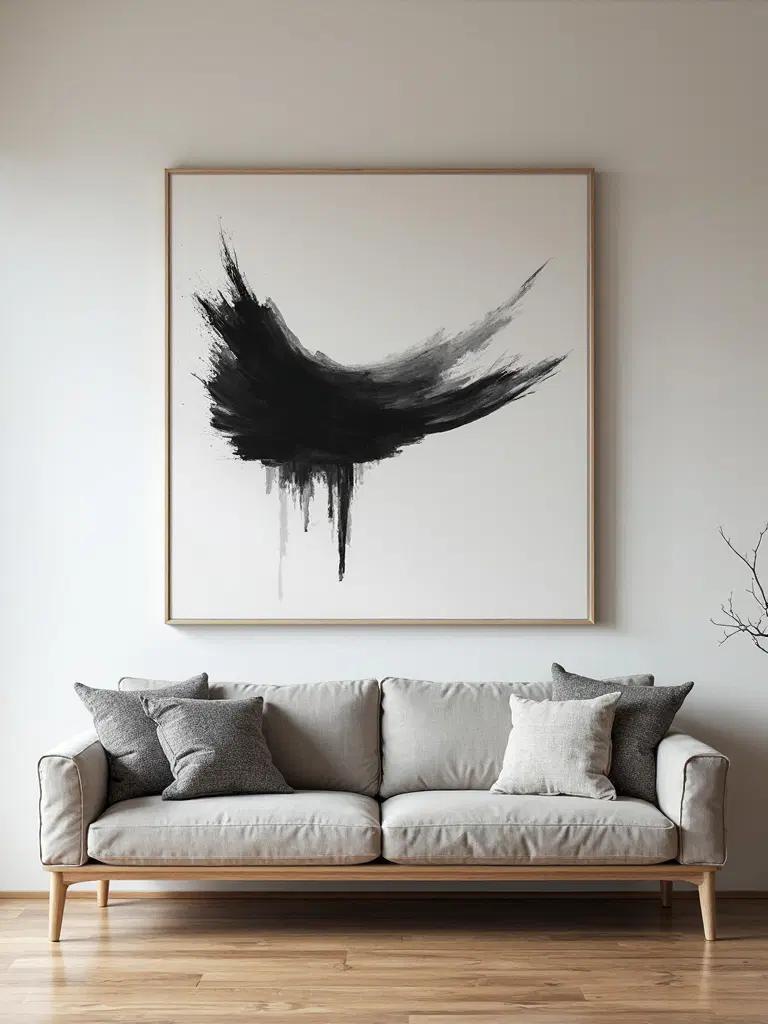
Choosing artwork in balance with Japandi principles involves selecting pieces that evoke calm while offering visual interest.
Opt for large-scale abstract paintings or muted photographic prints dominated by earth tones or soft creams.
Place a limited number of these statement pieces above low-profile furnishings to maintain uncluttered walls and enhance the room’s contemplative vibe.
Integrating Nature through Indoor-Outdoor Flow
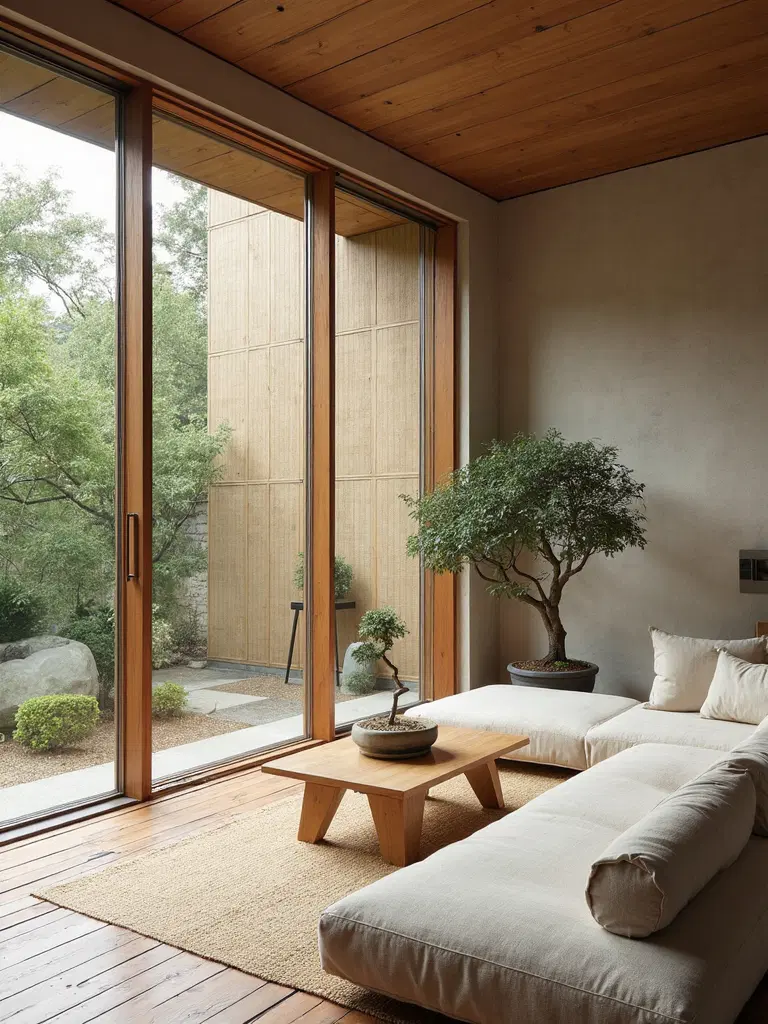
The Japandi spirit thrives on blurring the boundaries between interior comfort and nature’s serenity.
Incorporate natural textures like stone, bamboo, and timber to echo outdoor elements indoors.
Use expansive windows or sliding doors to invite daylight, while including outdoor-inspired furniture such as rattan lounge chairs and plentiful greenery to deepen the connection to the natural world.
Maximizing Daylight for a Bright Room
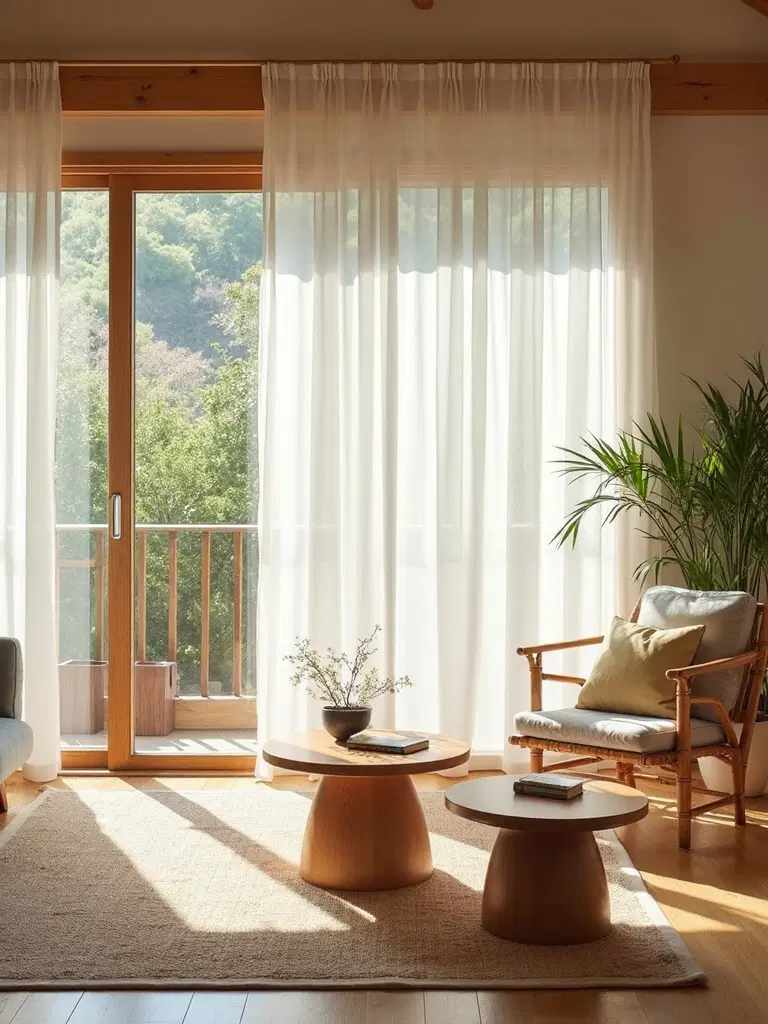
Sunlight is pivotal in transforming your living area into a Japandi oasis embodying both Japanese clarity and Scandinavian brightness.
Employ translucent curtains and orient streamlined furniture to preserve open sightlines.
Utilize light walls paired with strategically positioned mirrors opposite windows to reflect natural light, enriching the room’s airy and harmonious ambiance.
Creating Inviting Seating Layouts
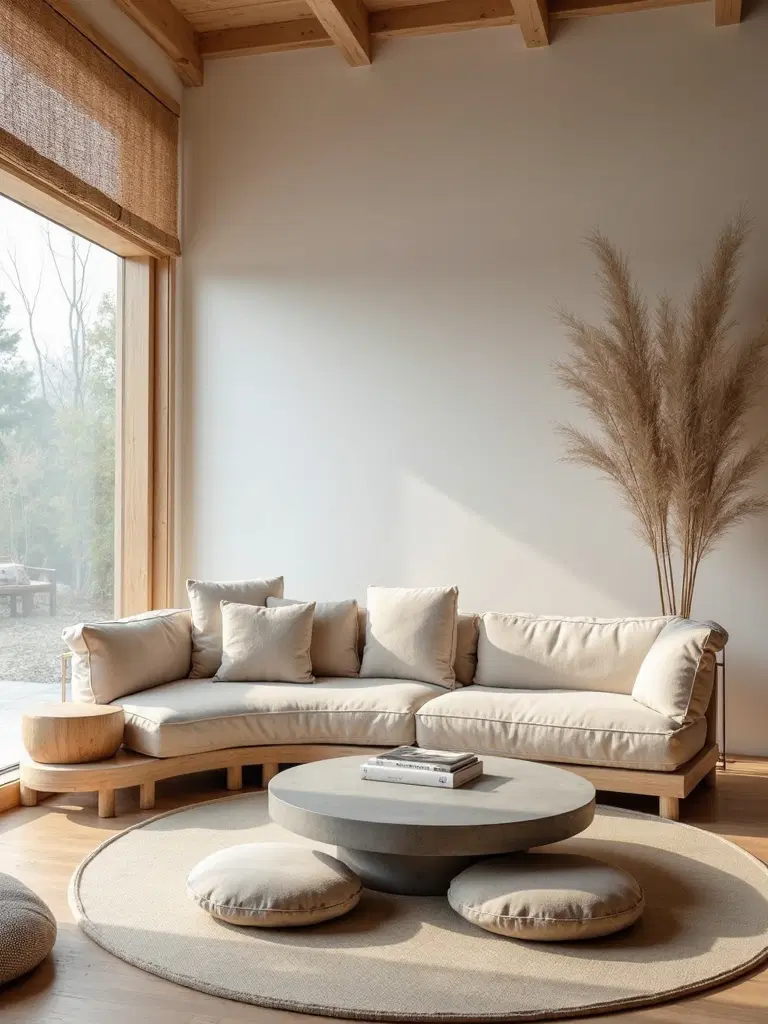
Strategically organizing seating is essential to nurture social interaction within your Japandi setting.
Opt for understated sofas set low, paired with flexible seating like poufs or stools that also provide storage.
Choose natural wood or woven rattan materials to tie seating arrangements cohesively into the room’s natural design narrative.
Infusing Calm with Zen Elements
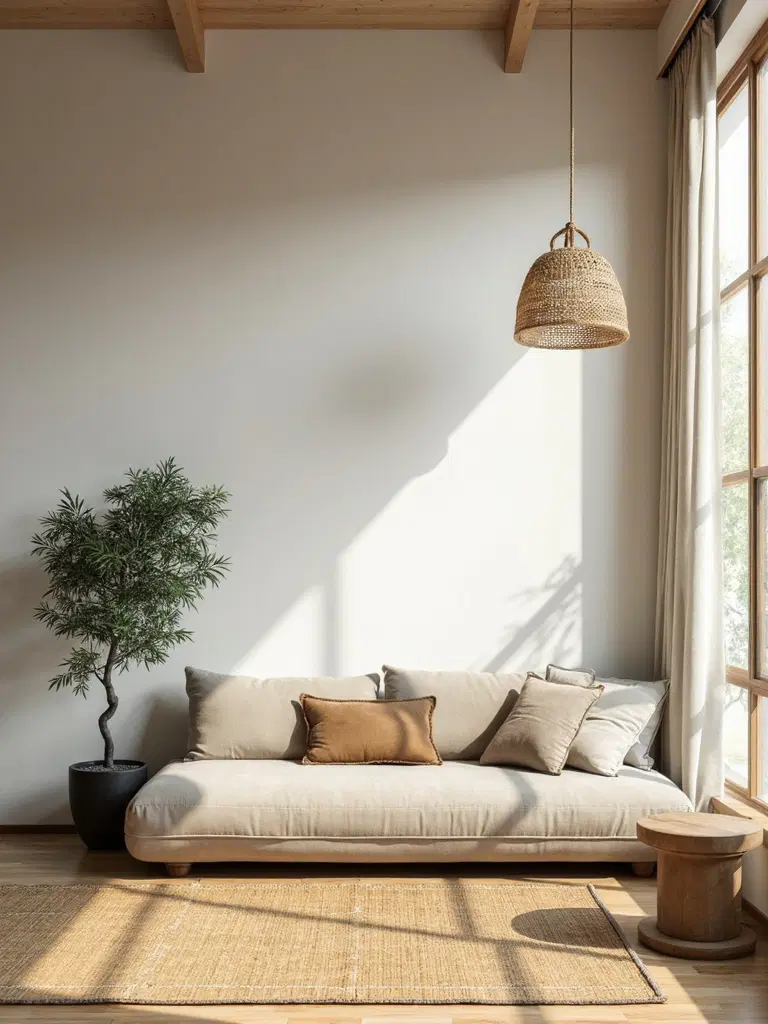
Incorporate Zen-inspired pieces as a nod towards Japandi’s spiritual roots promoting mindfulness and peace.
Add minimalist bonsai trees or stone arrangements alongside natural fiber cushions and tatami mats.
Enhance the meditative aura with simple artworks like calligraphic prints or abstract brush strokes that echo minimalism.
Accentuation with Bamboo and Rattan Furnishings
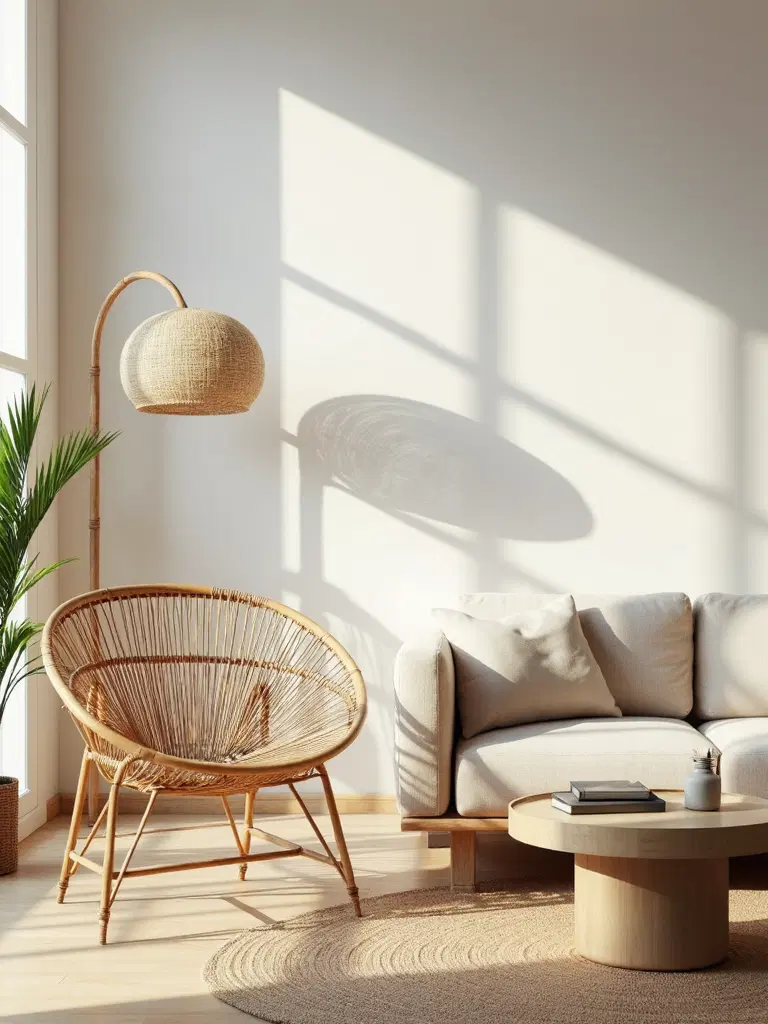
Bamboo and rattan accessories and furniture pieces amplify the natural warmth and depth typical in Japandi interiors.
Opt for elegant bamboo low-profile tables or chairs, complemented by light-toned rattan lamps and seating.
This infusion of organic textures fosters a seamless flow between indoor serenity and nature’s vitality.
Embracing Minimalism through Intentional Empty Space
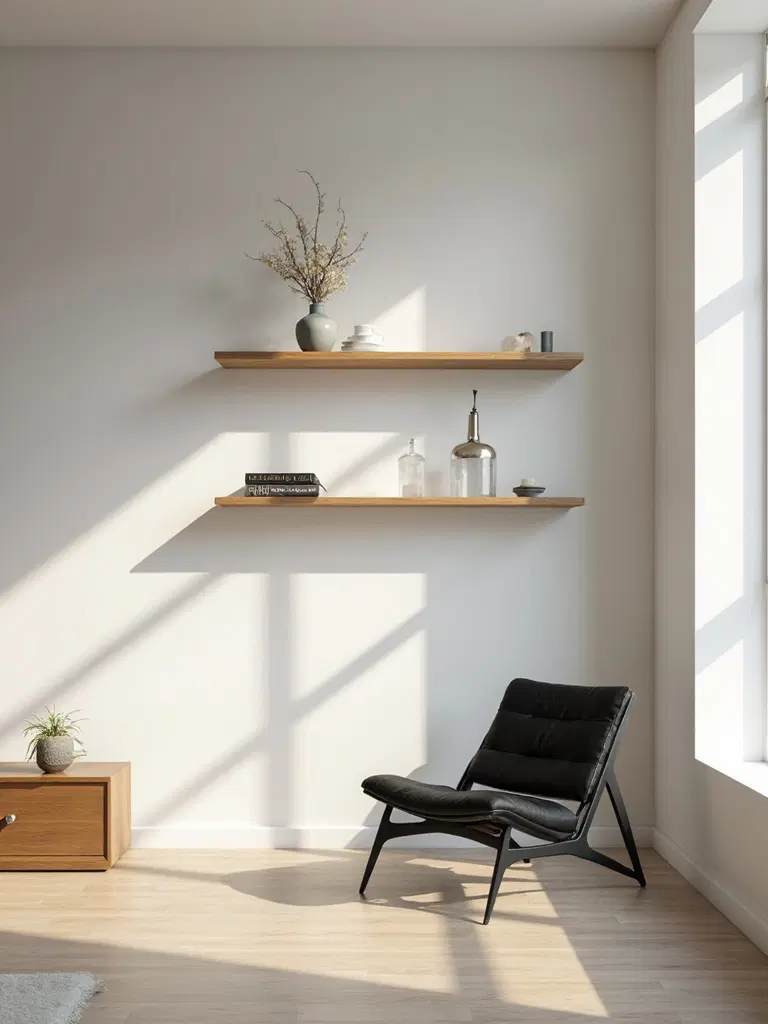
Intentional negative space orchestrates visual peace and order in Japandi living areas.
Arrange furniture with generous spacing to highlight each element independently, avoiding overcrowding.
Exhibit meaningful decorative items against minimalist backdrops for enhanced focus and harmony, upholding Japandi’s tranquil flow.
Introducing Delicate Patterns for Visual Interest
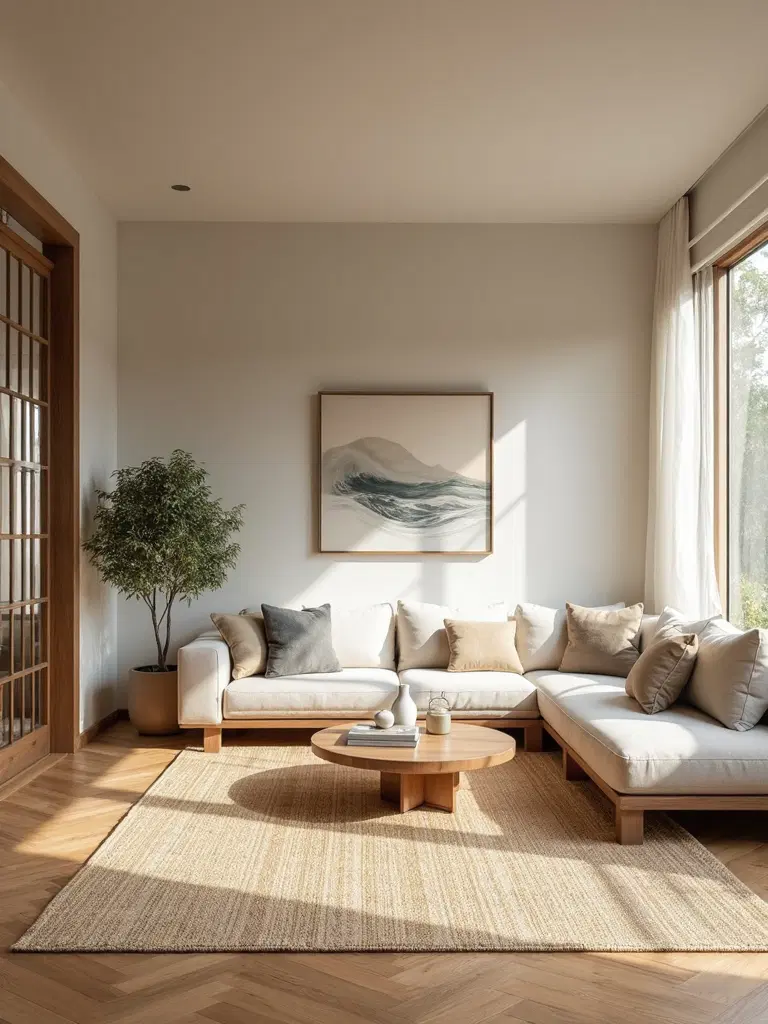
Simple patterns can enrich Japandi spaces by weaving understated complexity into primary minimalism.
Subtle accents like softly textured rugs or modestly printed throws in calming shades create depth.
Incorporate geometric designs sparingly within cushions and artwork to sustain visual intrigue without overwhelming the serene mood.
Final Thoughts
Transforming your living space into a Japandi-inspired refuge involves more than just aesthetics—it invites a lifestyle shaped by balance and intention. By fusing the elegance of Japanese minimalism with the inviting comfort of Scandinavian style, you’ll create an environment that is both functional and deeply calming. Focus on natural materials, cherish the power of empty space, and thoughtfully select items that resonate with the dual design heritage. Begin with small changes, explore various textures, and watch your apartment transform into a harmonious space that beautifully reflects minimalist living.
Explore selections of multifunctional furniture, neutral color palette home decor, and natural wood furniture on Amazon to begin crafting your own Japandi sanctuary today.