18 Stylish Minimalist Living Room Designs That Radiate Comfort and Charm

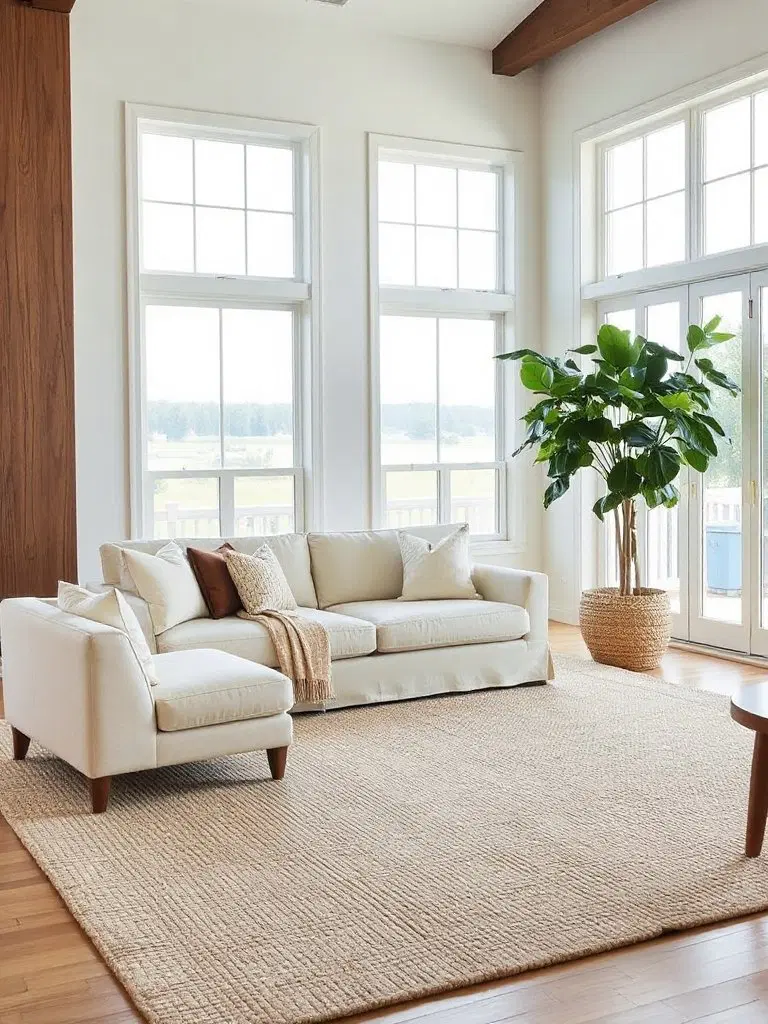
Creating a minimalist living room doesn’t mean sacrificing warmth or character. With intentional choices like blending organic materials, soothing neutral hues, and smart furniture arrangements, you can transform your space into an inviting haven that exudes calm and comfort. Whether you’re redesigning from scratch or enhancing your existing decor, these insightful strategies will guide you in achieving a space that balances simplicity with cozy elegance. Let’s explore how to infuse warmth and style into your minimalist living area.
Enhance with Organic Textures for Cozy Depth
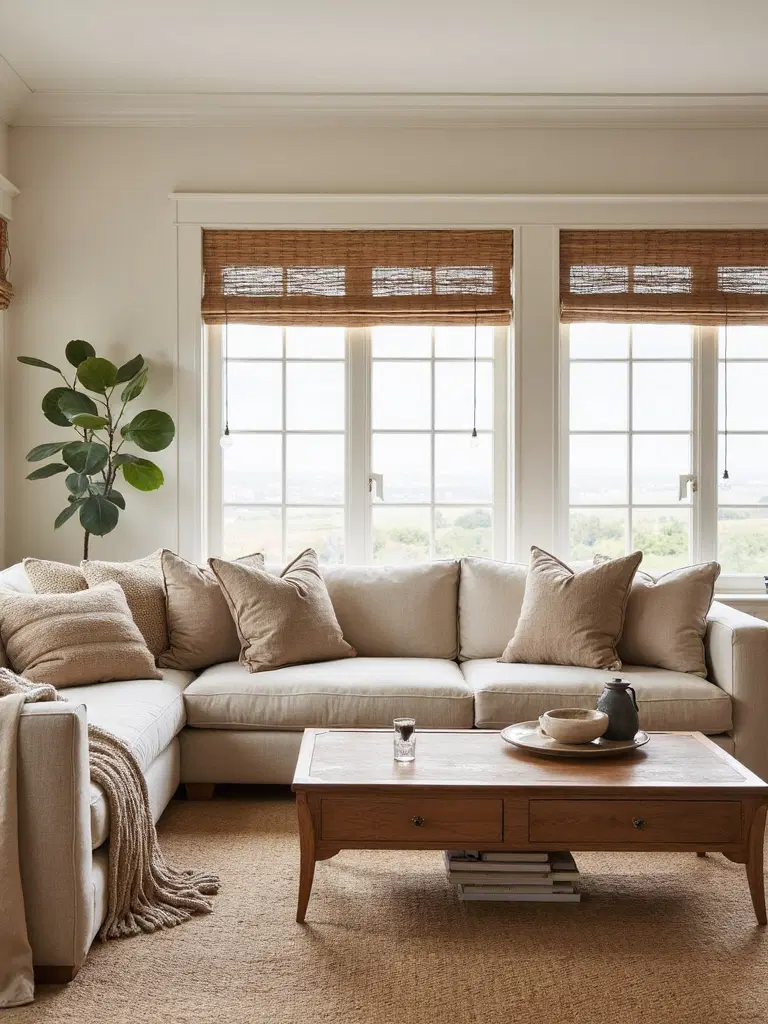
To soften a minimalist living room’s sometimes stark atmosphere, layering organic textures is essential. Incorporate furnishings and decor crafted from natural fibers—think reclaimed wood coffee tables, airy linen curtains, and woven jute rugs—to bring tactile richness and visual intrigue.
Mixing sleek surfaces with tactile accents, such as chunky wool throws or handwoven baskets, offers a play between smooth and textured elements that prevent the room from feeling overly clinical, while preserving an understated palette that typifies minimalist spaces.
Soft Neutral Shades as the Foundation
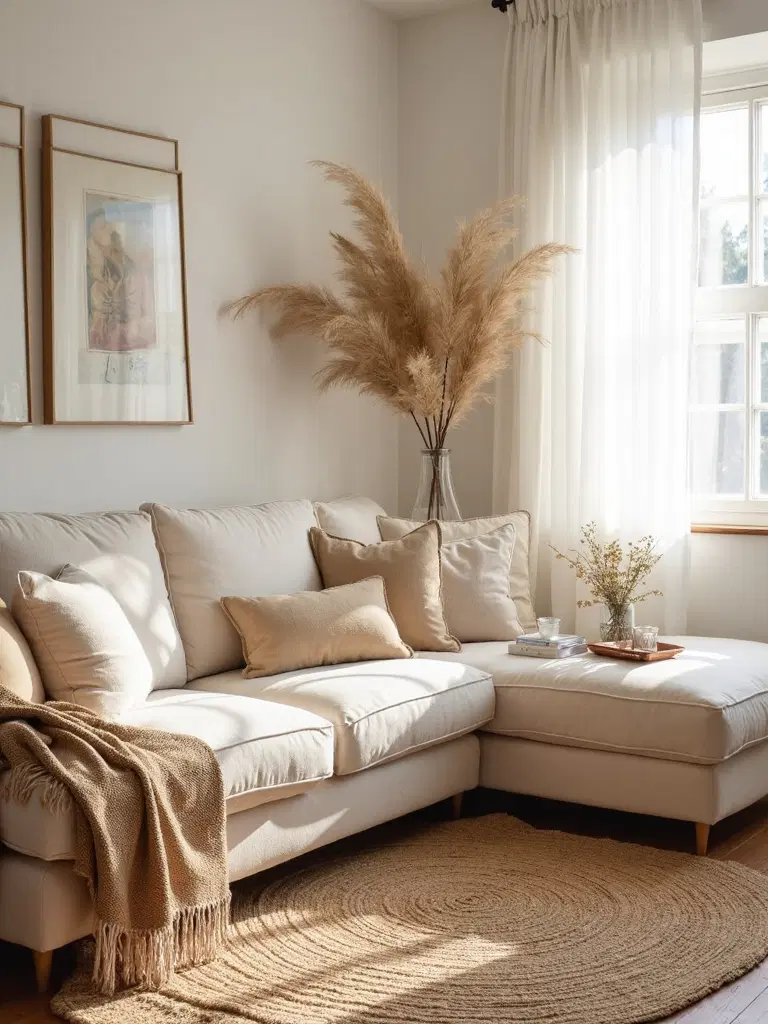
A balanced combination of softness and warmth in your color choices is critical to cultivating a cozy minimalist environment. Begin with a base of understated hues such as cream, light taupe, and slate gray to create a calm and airy atmosphere.
Complement these tones with warm accents in furnishings—rich oak or walnut finishes—and plush textiles like a velvet throw rug. Subdued accents in hues like muted terracotta or deep olive enhance the palette with gentle warmth without overwhelming simplicity.
Arrange Furniture for Uncluttered Flow
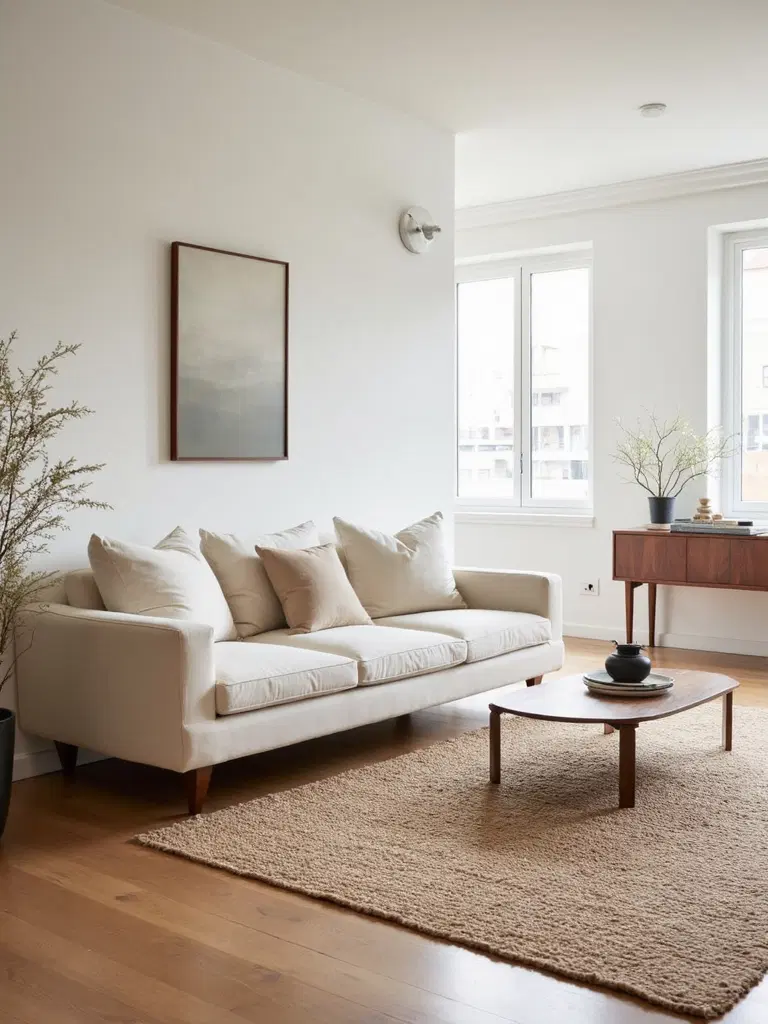
One of the hallmarks of minimalist interiors is creating open, breathable zones. Position furniture slightly away from walls to invite airiness and facilitate movement. This approach enhances the perception of space and creates a relaxed ambiance.
Design your seating area centered around a tactile area rug, thoughtfully oriented in relation to architectural features or focal points such as a fireplace or a window, ensuring smooth traffic patterns throughout the room.
Integrate Multi-Purpose Storage Options
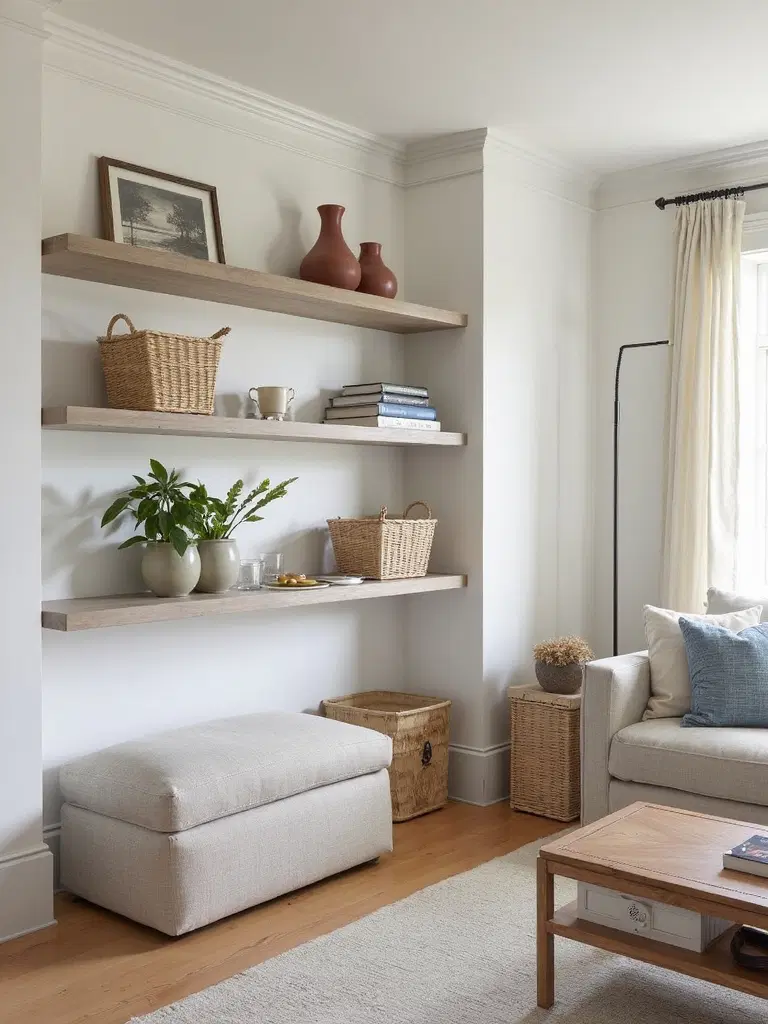
Strategic storage is indispensable in maintaining a clutter-free yet welcoming minimalist space. Opt for furniture pieces that serve dual purposes, blending function with design.
Look for ottomans with hidden compartments, minimalist wall-mounted shelving, or sleek storage benches to house everyday items discreetly. These choices keep your neutral aesthetic intact while supporting your streamlined lifestyle.
Introduce Muted Color Accents Purposefully
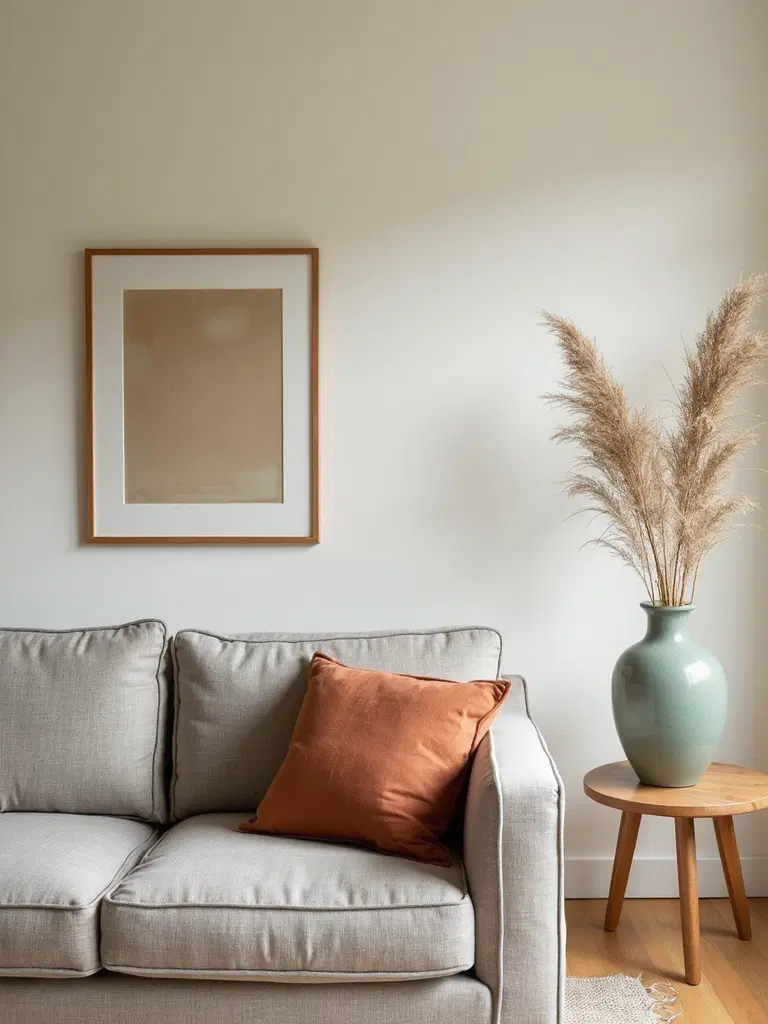
Neutral tones often dominate minimalist interiors, but selectively adding understated colors revitalizes the space while maintaining tranquility. Soft blush cushions, ceramic vases in gentle sage green, or subtle abstract wall prints can serve as understated focal points.
These hues, paired with layered lighting and textures, impart dimension and personality without disrupting the minimalist harmony.
Capitalize on Natural Light with Simple Curtains
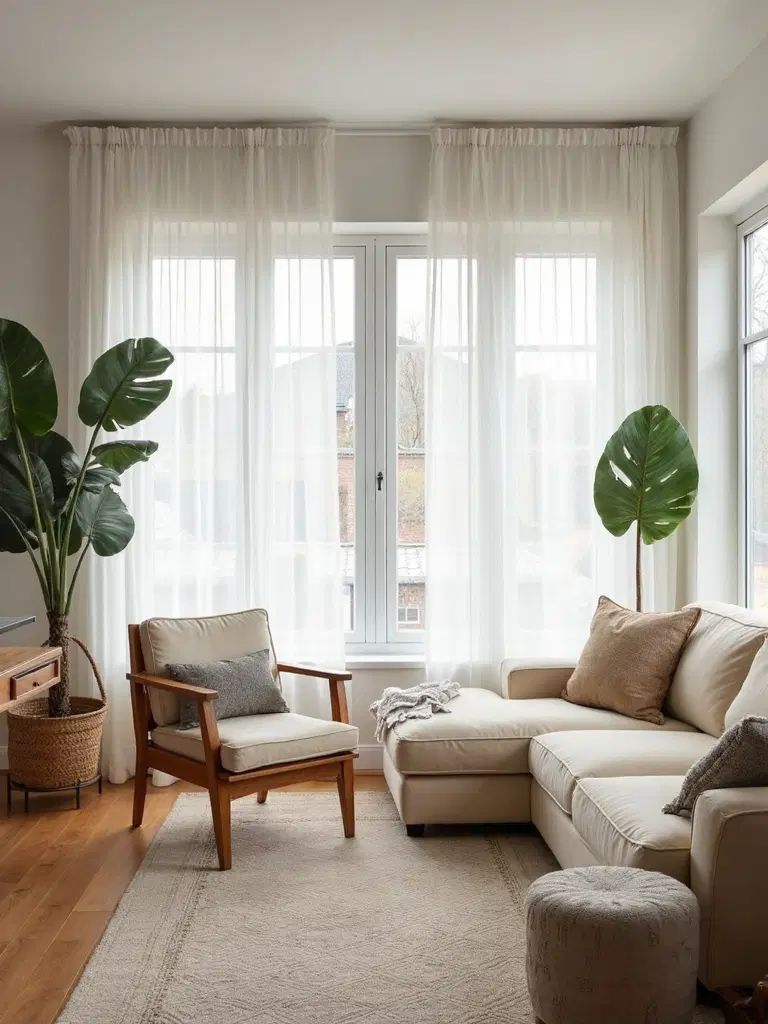
Maximizing sunlight can transform your minimalist living room from cold to inviting. Opt for simple window treatments like gauzy Roman shades or breathable linen panels that allow ample light while maintaining an uncluttered look.
Place furniture mindfully to prevent blocking sunlight pathways and select window accessories that blend seamlessly with your decor, amplifying the sense of openness and warmth.
Invest in Few Quality Centerpieces
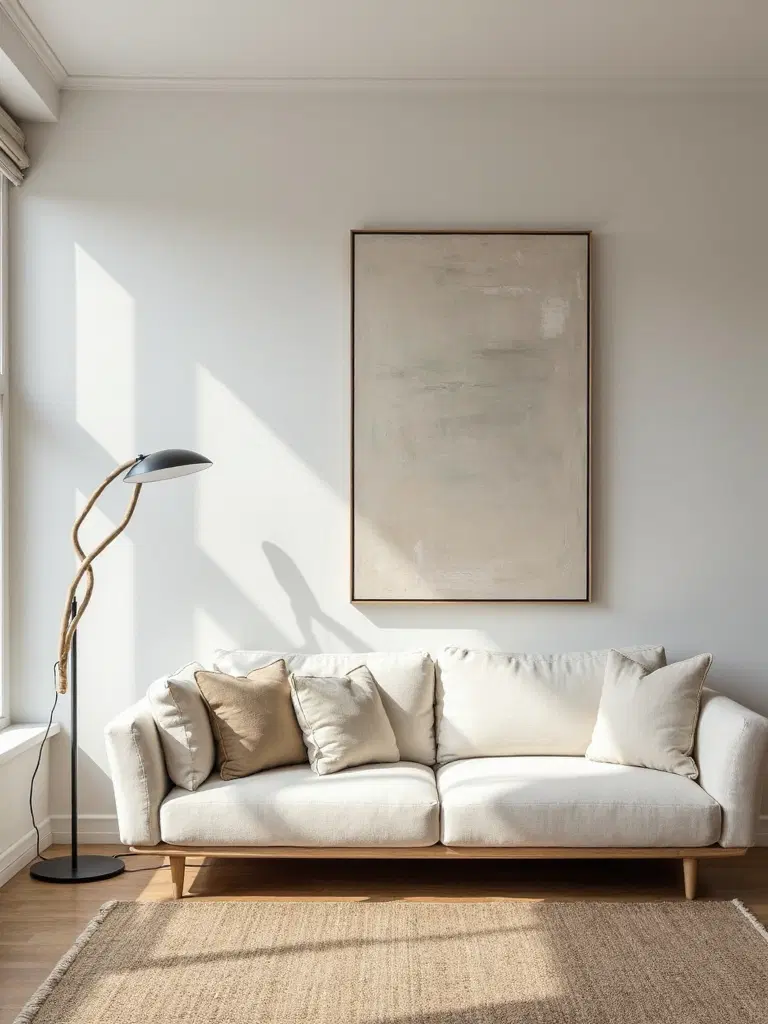
In a minimalist living room, a few standout furniture pieces make all the difference. Select high-quality items with sleek, clean contours—such as a sumptuous sectional sofa in neutral tones or an elegant armchair that invites relaxation.
Accentuate your room’s style with a sculptural pendant light and a minimalist coffee table, ensuring every element serves both form and function.
Mix Angular and Soft Curves for Balance
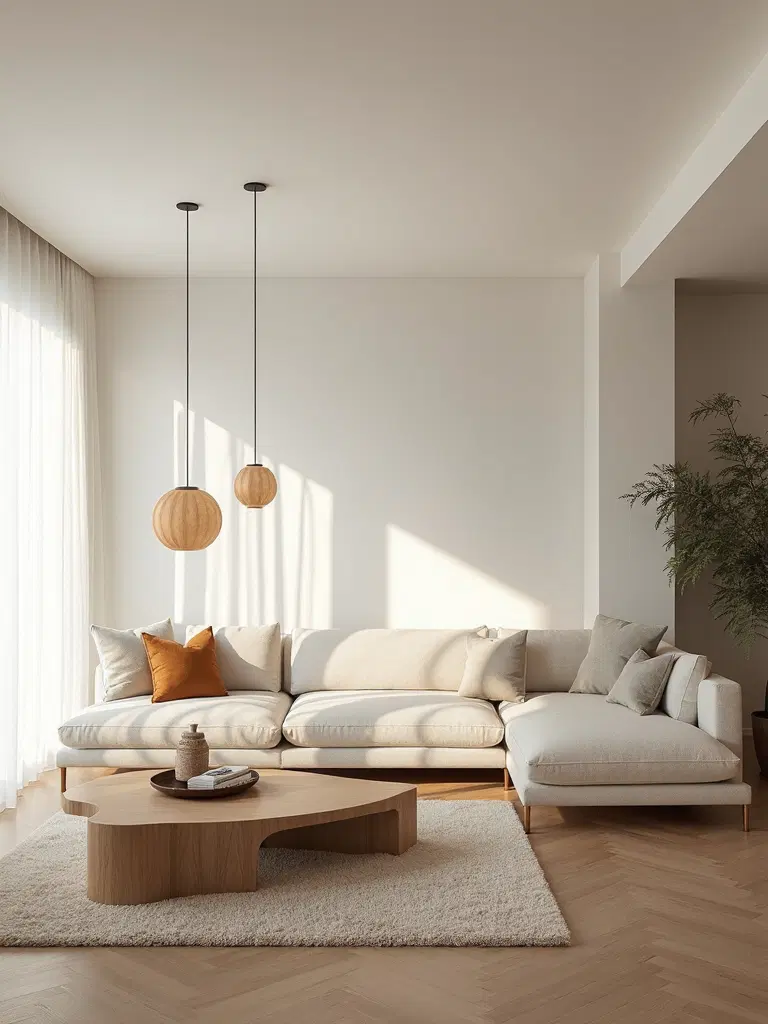
Combining sharp, geometric lines with gentle, rounded contours creates visual interest and harmony. For example, pair a modern, angular sofa with plush, curved accent chairs or a round coffee table.
This interplay prevents the design from feeling overly rigid or sterile, while maintaining an elegant simplicity aligned with minimalist principles.
Curate Plants for Natural Elegance
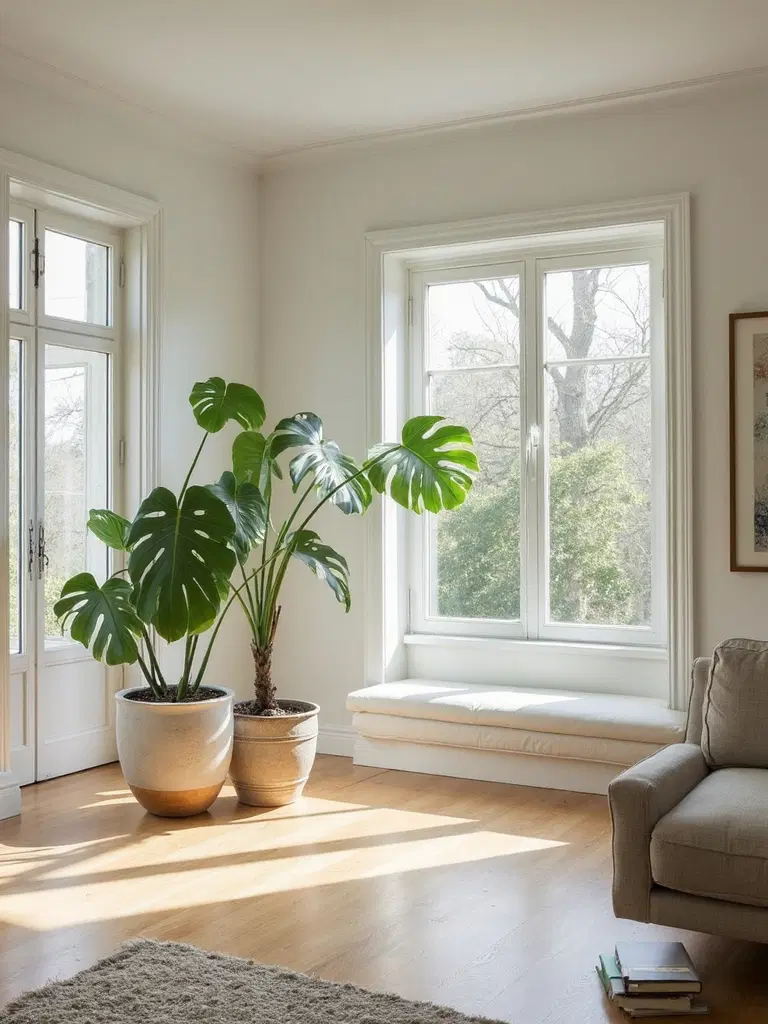
Introducing greenery adds life and softens the precision of minimalist interiors. Select sculptural plants like fiddle leaf figs or rubber trees housed in simple, neutral-toned pots crafted from ceramic or natural wood.
Group plants of varied heights near light sources like windows, allowing their organic silhouettes to contrast beautifully against geometric furniture arrangements and enhance the room’s serene vibe.
Layer Warm Lighting for Inviting Ambiance
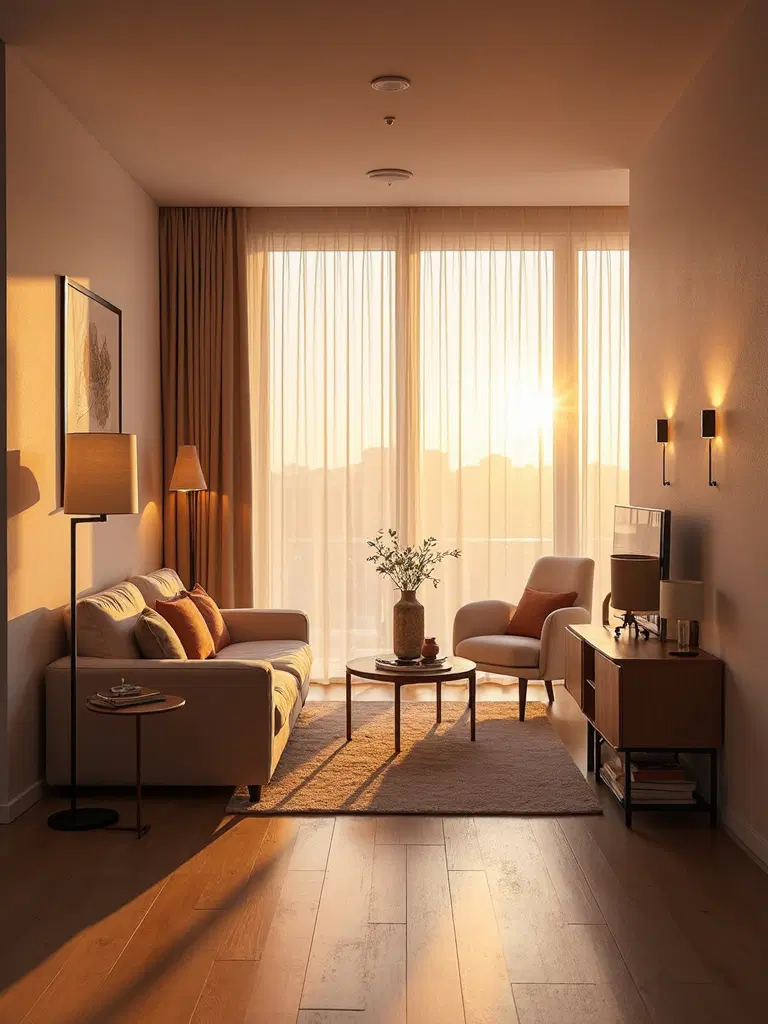
Lighting significantly shapes the mood of a minimalist living room by adding warmth and depth. Begin with bright, neutral-colored walls and introduce layered lighting through elegant floor lamps, recessed lighting, and soft table lamps.
Use dimmable fixtures for adjustable ambiance, allowing the space to transition from bright and airy to cozy and intimate with ease. Accentuate cozy nooks for added comfort without compromising clean aesthetics.
Select Seating That Combines Comfort and Design
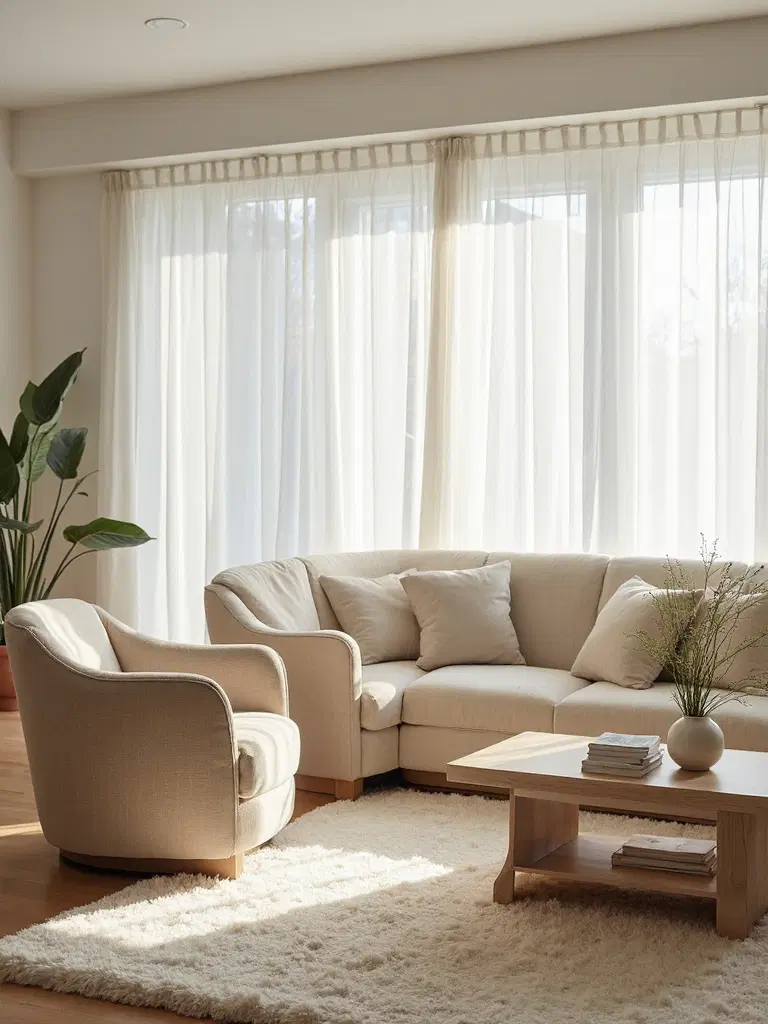
Comfort and style can coexist harmoniously within a minimalist living room by opting for seating that is both inviting and streamlined. Consider a generously cushioned sofa with a low profile, paired with complementary minimalist chairs to maintain spatial openness.
Enhance tactile comfort by layering in textured throws or cushions made from natural materials, inviting relaxation without sacrificing clean lines.
Blend Varied Materials for Depth and Interest
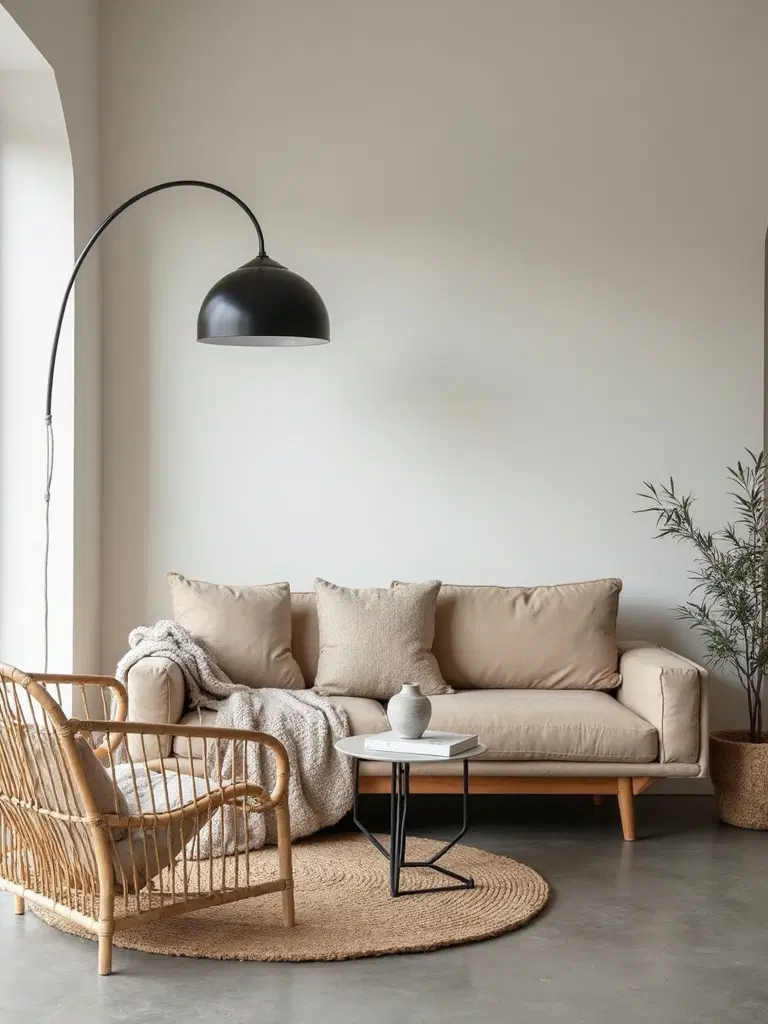
Though minimalism celebrates simplicity, artful material contrast enriches visual appeal. Pair a leather sofa with wood or metal side tables, integrating natural stone accents or exposed brick texture where possible to infuse sculptural interest.
Soft furnishings such as woven rugs and knitted throws introduce tactile softness that balances harder surfaces, resulting in a space that is both inviting and thoughtfully curated.
Establish a Visual Focal Point with Subtle Art
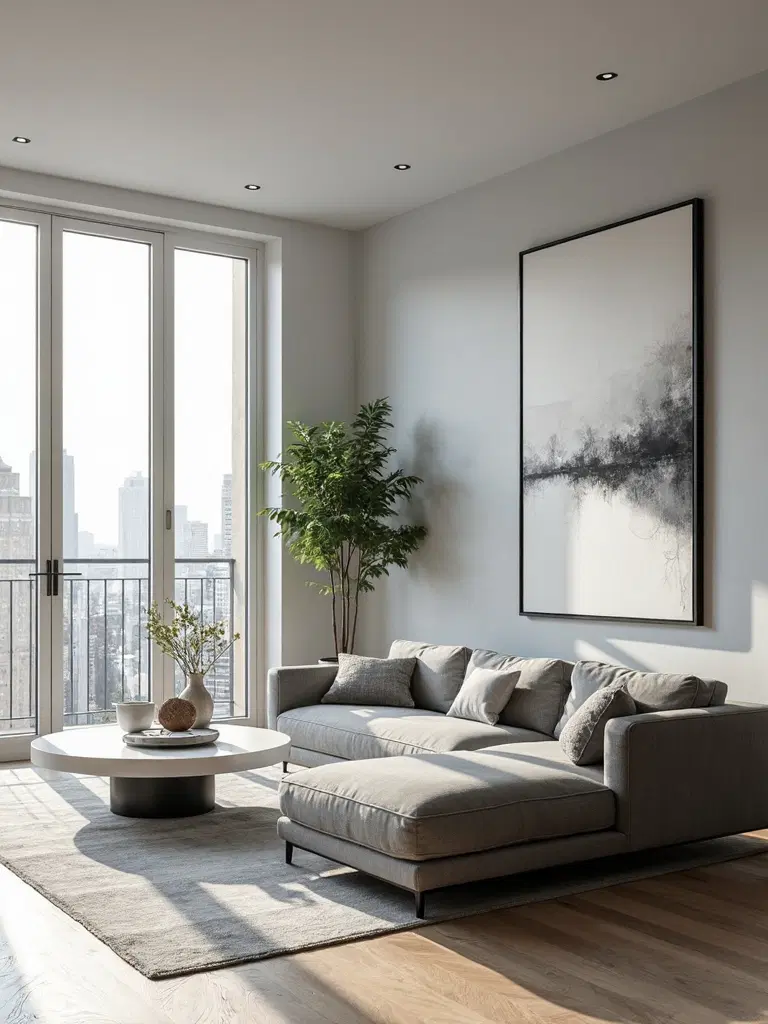
Minimalist art pieces have the power to transform a room by providing a striking yet restrained centerpiece. Choose artworks with clean lines and soft palettes that harmonize with your overall theme.
Whether selecting a singular large painting or a curated grid of prints, ensure the piece complements the minimal decor while injecting personality and inviting visual dialogue.
Introduce Textured Wall Surfaces for Added Dimension
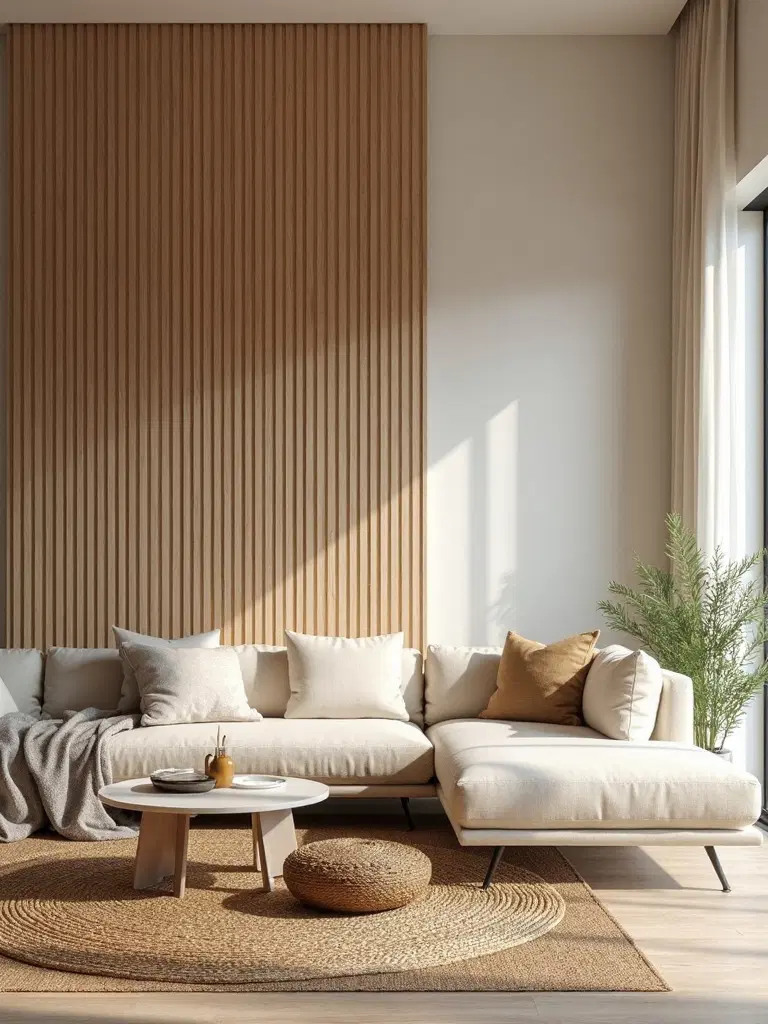
Beyond artwork, textured wall treatments offer a subtle method to introduce warmth without disrupting minimalism. Materials such as horizontally installed shiplap, exposed brick, or whitewashed wooden paneling contribute tactile variety and depth to your walls.
These undertones enhance the room’s layered design and invite a cozy, sophisticated atmosphere that complements your minimalist ethos.
Infuse Warmth Through Natural Wood Accents
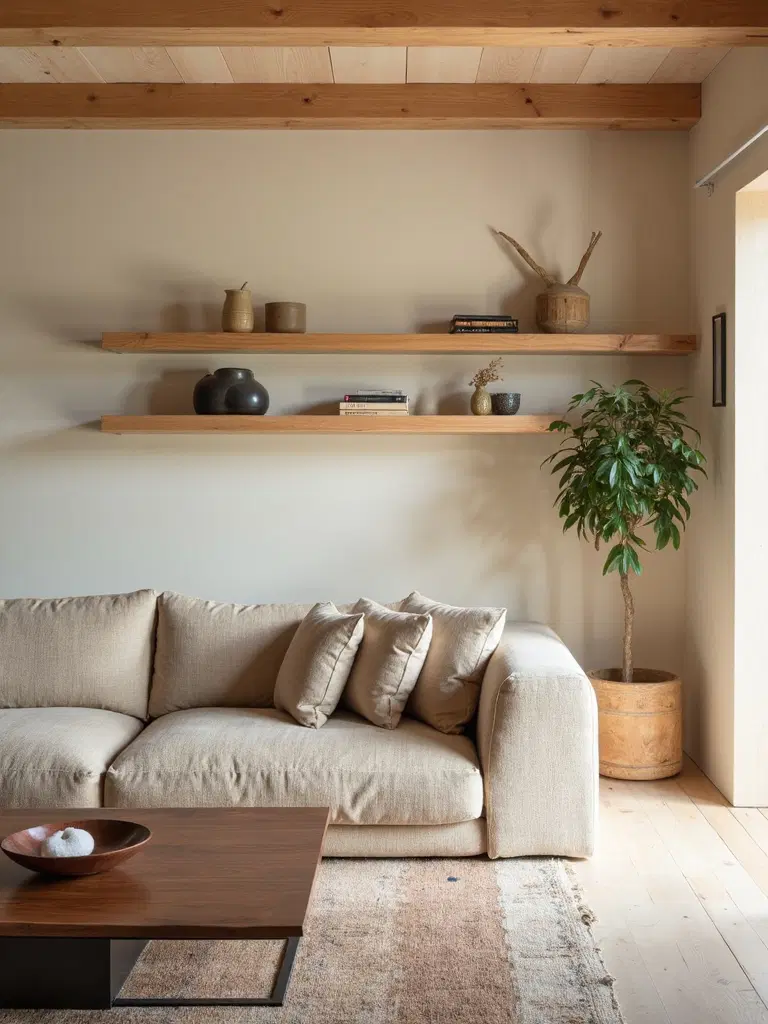
Natural wood introduces an earthy warmth to minimalist interiors, breaking up monotony with organic undertones. Opt for rustic wooden furnishings like a coffee table crafted from reclaimed timber or floating shelves that showcase minimal yet meaningful displays.
Using weathered or unfinished wood textures underscores a cozy, approachable ambiance while reinforcing the room’s clean, streamlined layout.
Personalize with Intentional Decor
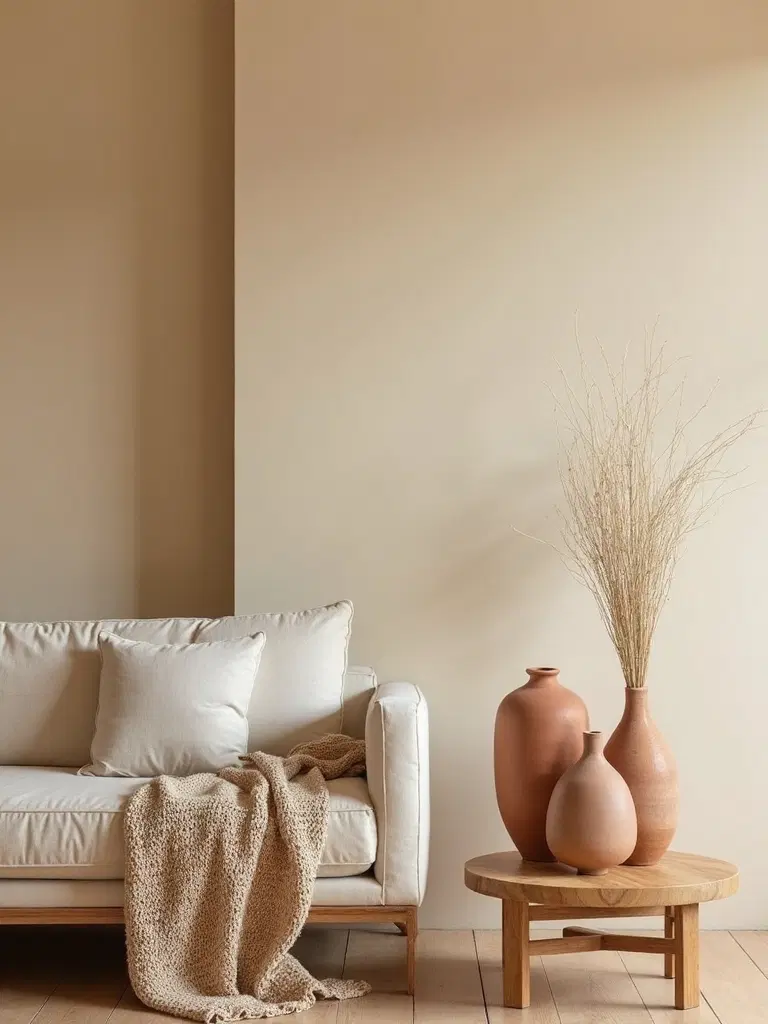
While functional furnishings lay the groundwork, carefully chosen decorative accents imbue personality to a minimalist room. Select items that resonate personally—like curated ceramics, framed photographs, or souvenir objects—displaying them sparingly on shelves or tables.
This considered approach enhances the space’s authenticity without cluttering, upholding a serene and orderly environment.
Utilize Area Rugs to Define Functional Zones
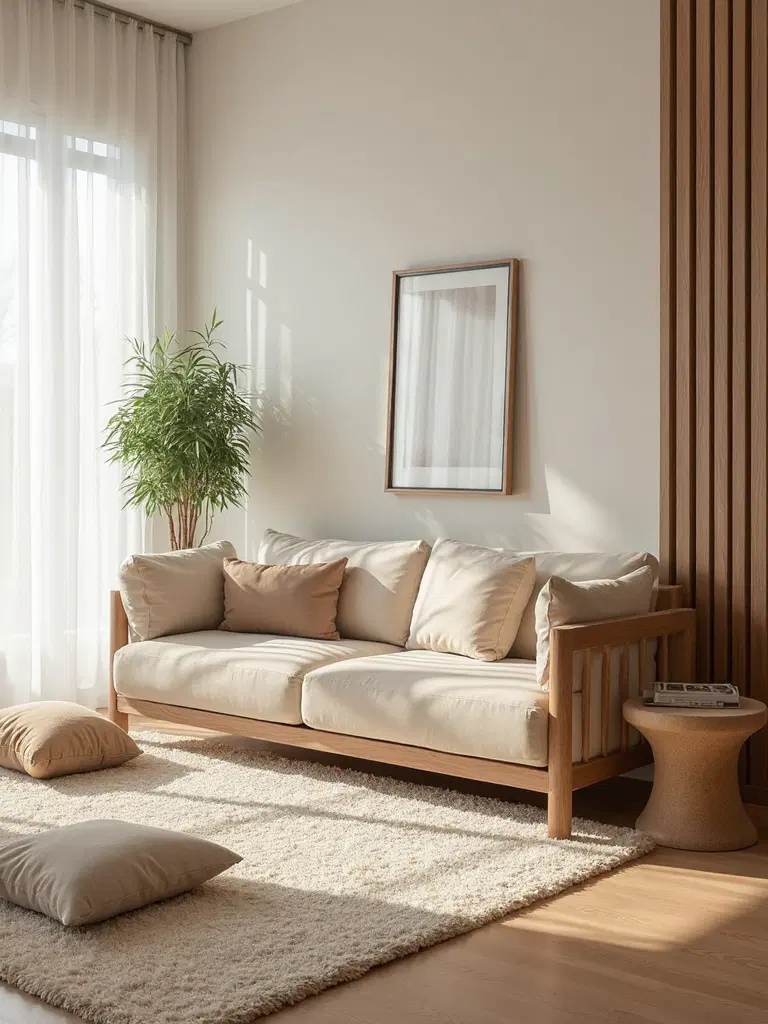
Area rugs act as subtle yet effective dividers in open floor plans, delineating spaces while preserving a minimalist clarity. Layer a large, natural fiber rug such as wool or jute beneath the main seating area, supplementing with smaller mats to add tactile interest.
Mixing textures and muted patterns can bring necessary depth and dimension, unifying the furniture layout and grounding the room’s aesthetic.
Apply Symmetric Arrangements for Visual Harmony
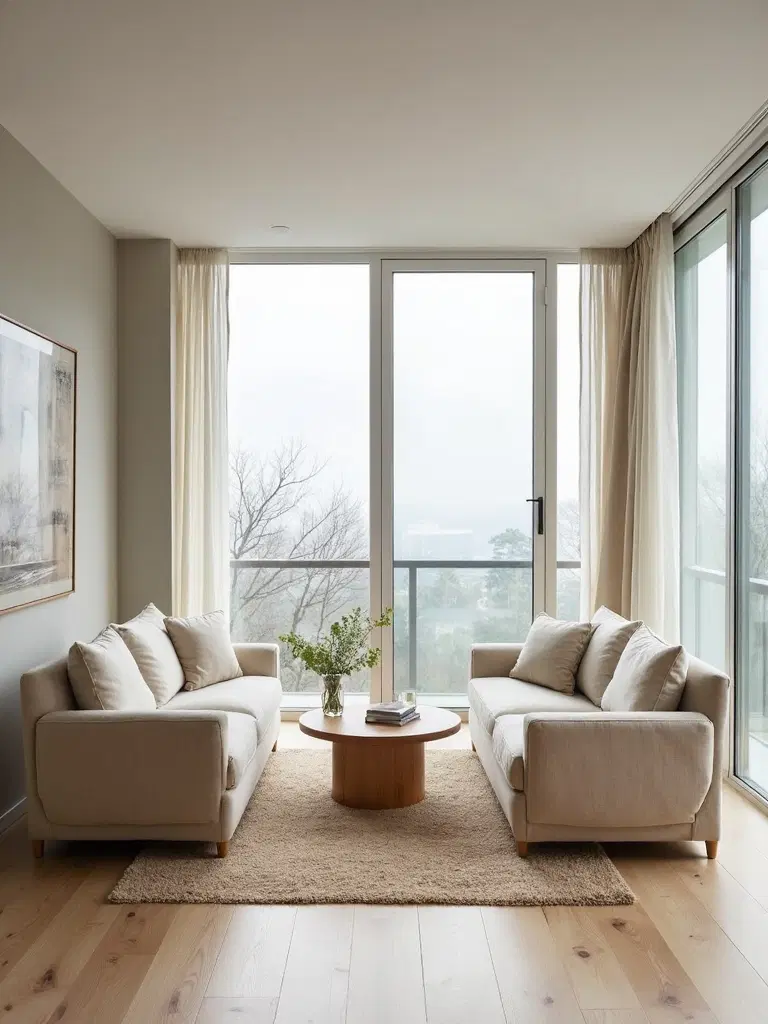
Symmetry ensures a balanced, peaceful ambience in minimalist environments. Arrange matching seating elements—like sofas and chairs—equidistant from key features such as focal walls or fireplaces.
Introduce visual intrigue by varying finishes or styles within this symmetry, such as pairing chairs of differing upholstery colors or textures, while maintaining proportional harmony to avoid clutter.
Final Thoughts on Cozy Minimalist Living Room Design
Designing a comfortable minimalist living room is less about eliminating all elements and more about discerning and deliberate curation. By weaving natural textures, warm wood tones, and thoughtful layouts, you can fashion a tranquil sanctuary that invites relaxation without sacrificing the elegant simplicity minimalism promises.
Remember, the true essence of cozy minimalism lies in harmonizing aesthetics and utility to create a space that feels as inviting as it does uncluttered. Use these guidelines to transform your living room into a peaceful yet stylish retreat.