18 Sleek and Simple Apartment Living Room Designs Perfect for Compact Areas

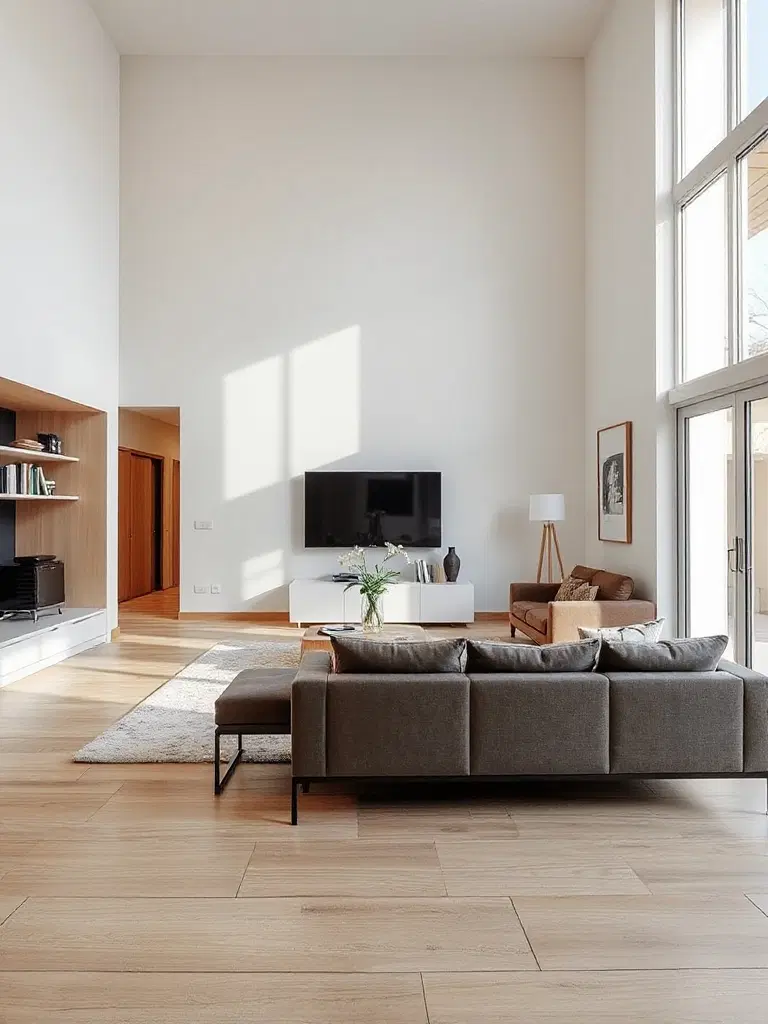
Designing a small living room that feels spacious yet stylish can be a real challenge. Whether you’re moving into your first urban apartment or seeking to refresh your current setup, minimalist interiors provide elegant solutions that enhance both aesthetics and functionality without overwhelming limited space. From smart furniture layouts to ingenious storage methods, these 18 refined minimalist living room tips will help you transform your compact area into a bright, inviting haven infused with contemporary charm.
Embrace Brightness with Amplified Natural Light
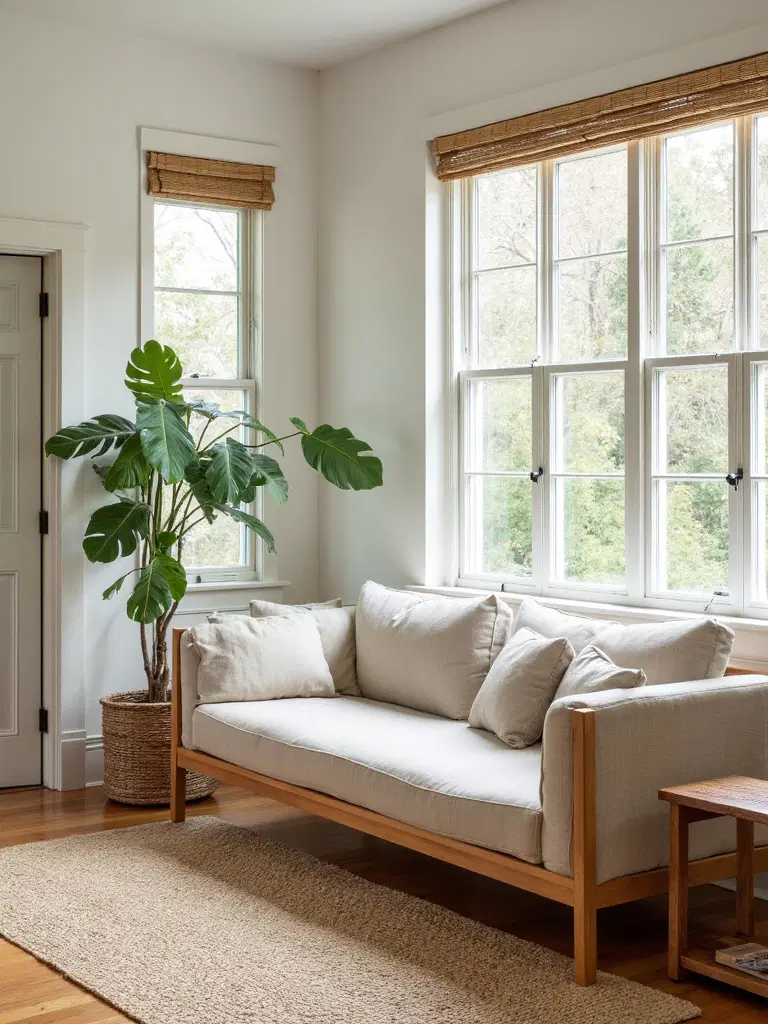
Achieving a minimalist vibe begins by clearing away excess items, but it really flourishes when you let natural light flood your space. Ensure your windows remain free of obstructions to usher in abundant daylight, which instantly creates a tranquil and airy environment. Use simple, neutral shades combined with natural textures such as wooden accents and jute rugs to foster a soft, serene atmosphere.
Pair this with window treatments that don’t dim brightness and integrated storage options to establish a perfect minimalist backdrop. For enhancing your décor, browse stylish options on window treatments.
Highlight with a Distinctive Focal Point
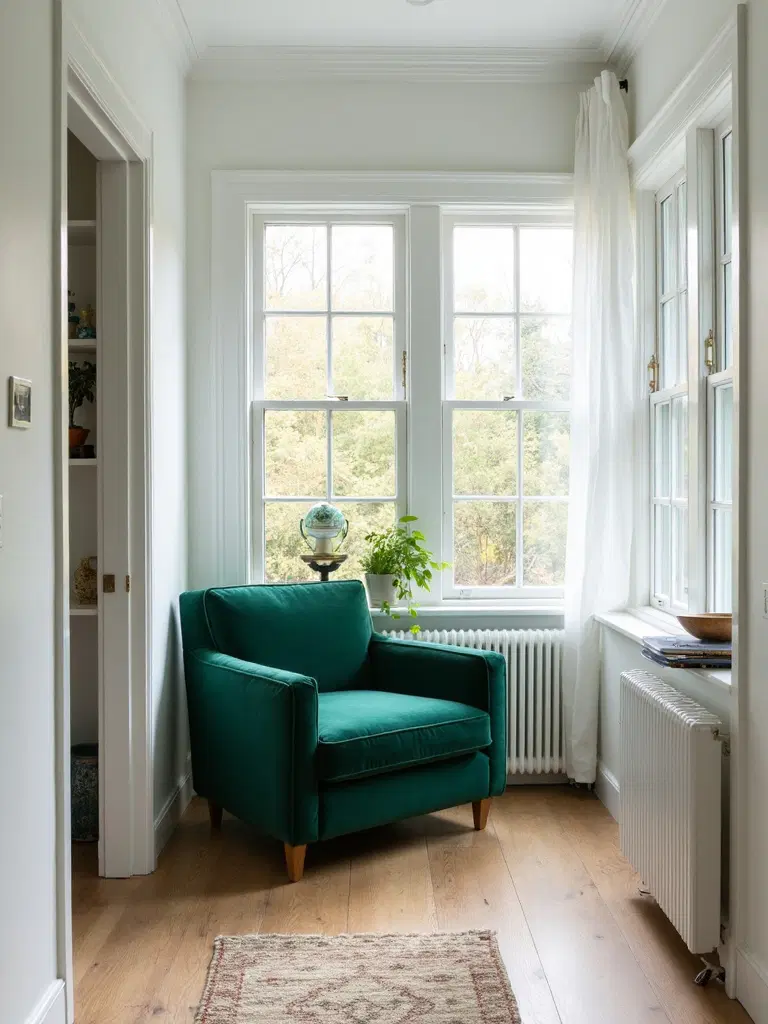
Every minimalist living area benefits from one dominant piece that anchors the space visually and defines its character. This could be a strikingly modern coffee table with clean sculptural lines or a unique accent chair in a sleek design. Such an item becomes a captivating centerpiece that enriches the room while adhering to a minimalistic aesthetic.
Select statement furnishings that resonate with your personal taste but avoid items that overpower the calmness of the room. Strike a balance that merges impactful design with understated elegance. For options, explore modern coffee tables on Amazon.
Introduce Organic Textures for Warmth
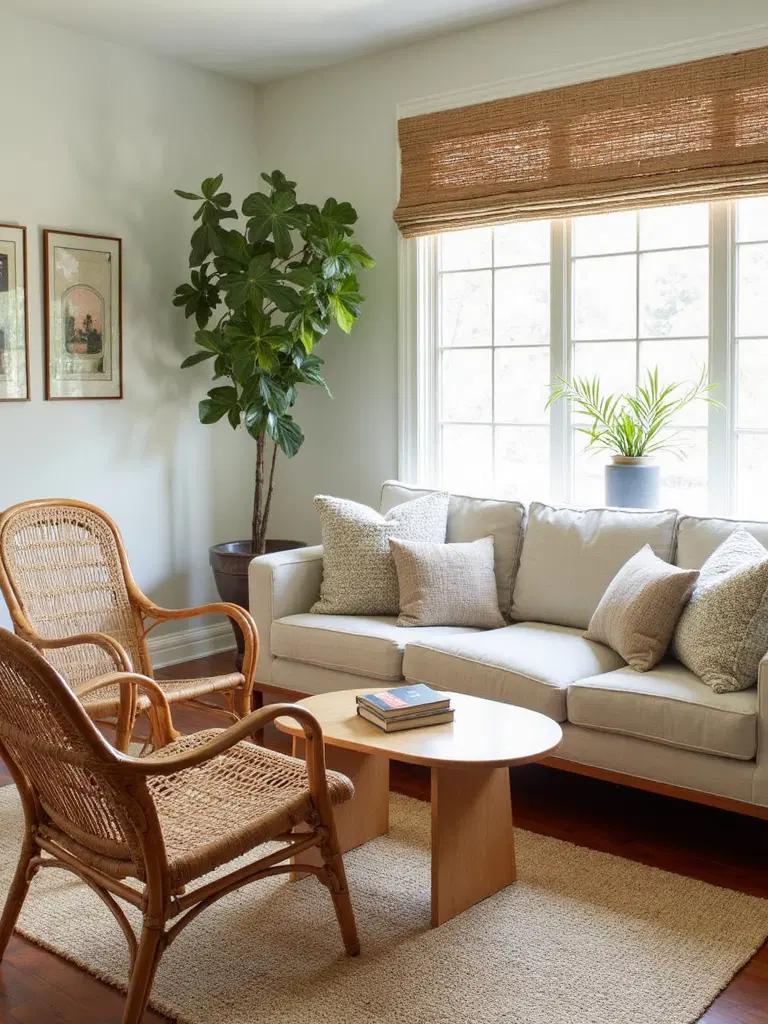
Minimalism doesn’t have to be cold or sterile. Adding layers of natural materials gives your living room the depth and warmth it needs without clutter. Begin with a textured jute area rug to soften the floor, then incorporate wooden tables, woven storage baskets, and linen-upholstered furniture to build a tactile and inviting environment.
These natural accents balance sleek modernity with cozy vibrance, turning stark spaces into comfortable retreats.
Prioritize Form with Geometric Simplicity
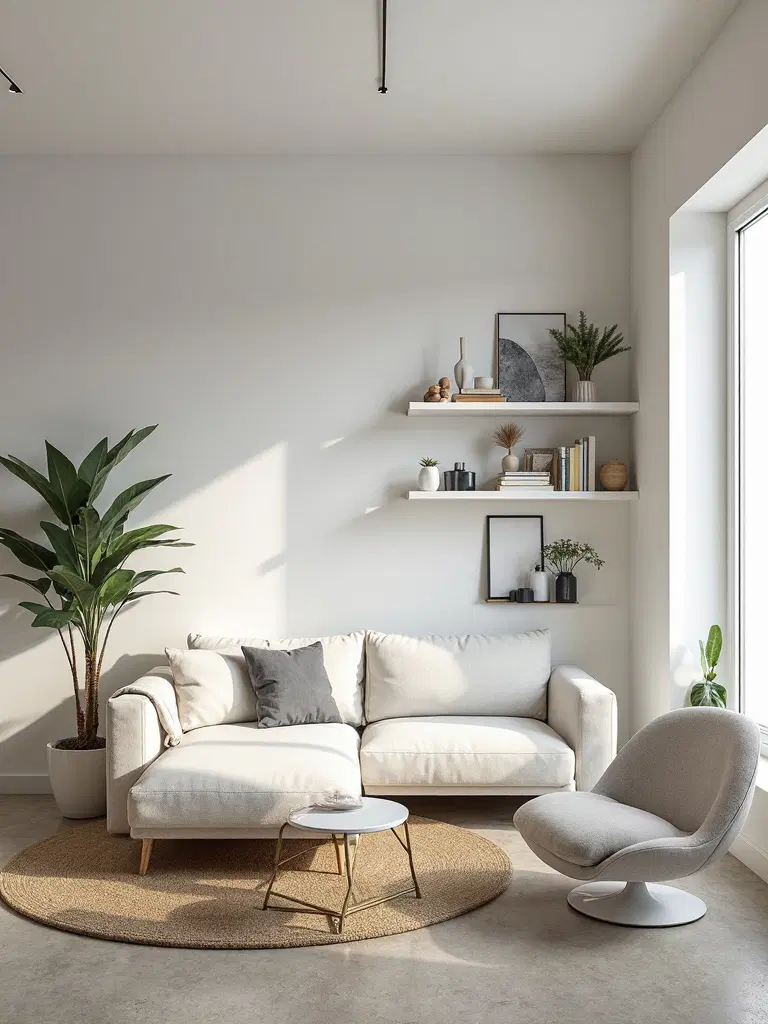
Fundamental to minimalist design are crisp edges and pure shapes that promote orderly and calming surroundings. Combine furniture with defined angular lines like a sleek sofa or a sharp shelving unit with softer rounded features such as a circular coffee table or a curvy mirror, balancing geometry with visual comfort.
This thoughtful mix maintains a streamlined look while injecting subtle variety to avoid monotony.
Enhance Openness through Floating Arrangements
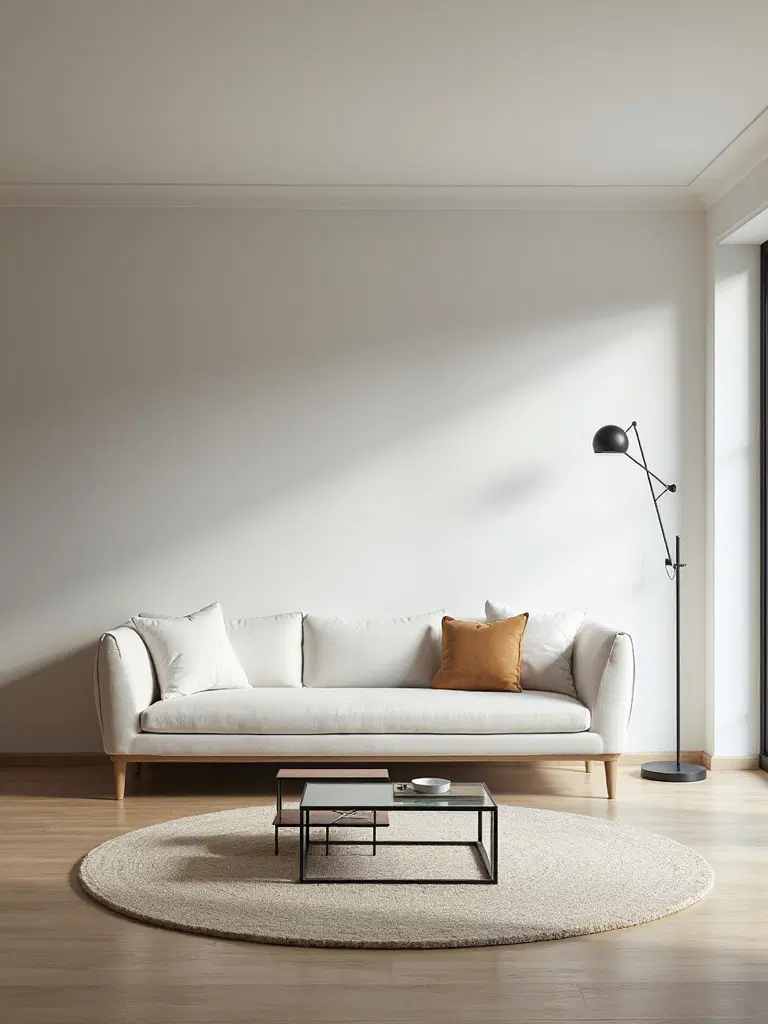
Taking minimalism up a notch, positioning furniture away from walls—known as floating furniture—invites light and movement to circulate freely, making the room feel larger and more flowing. Arranging seating and tables with ample space around them creates an open-plan impression that’s both elegant and practical.
This technique visually expands your square footage without the need for additional pieces.
Use Mirrors to Expand and Brighten Space
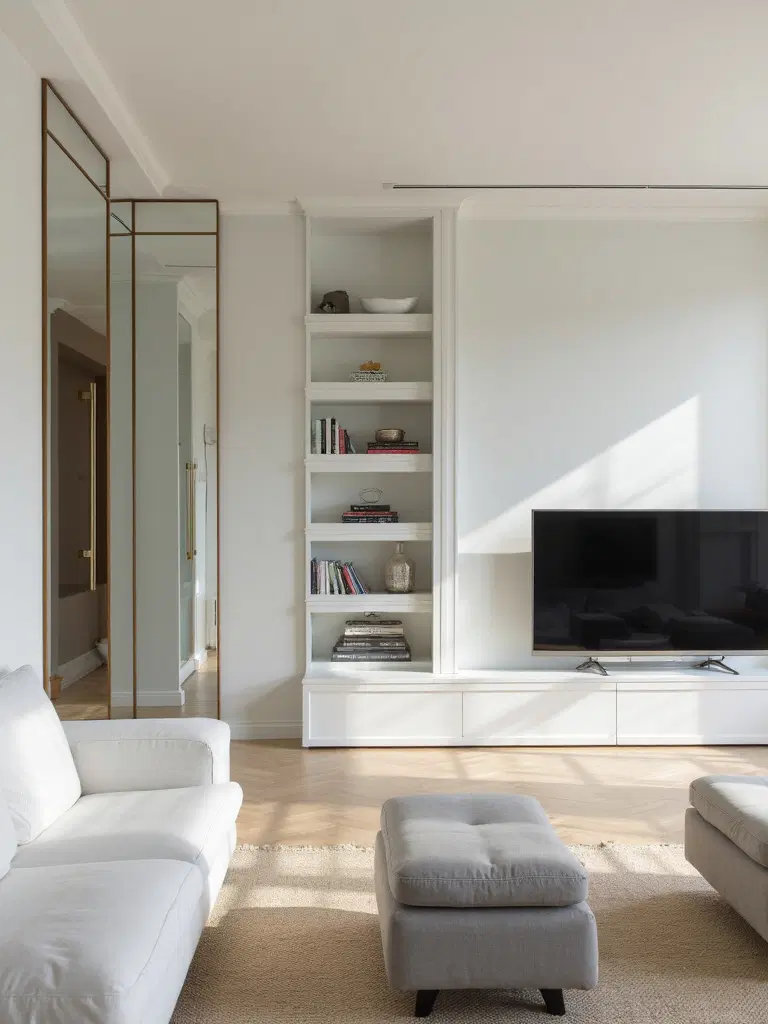
Opting for thoughtfully placed mirrors strategically enlarges the perception of your living room’s dimensions. Large minimalist mirrors positioned above mantels or opposite windows bounce light and create an illusion of openness.
Mirrored furniture, such as a sleek glass-top coffee table, further amplifies this effect by reflecting light while preserving clean minimalist styling. Check out options for living room mirrors to expand your space visually.
Incorporate Contrasting Black Elements for Depth
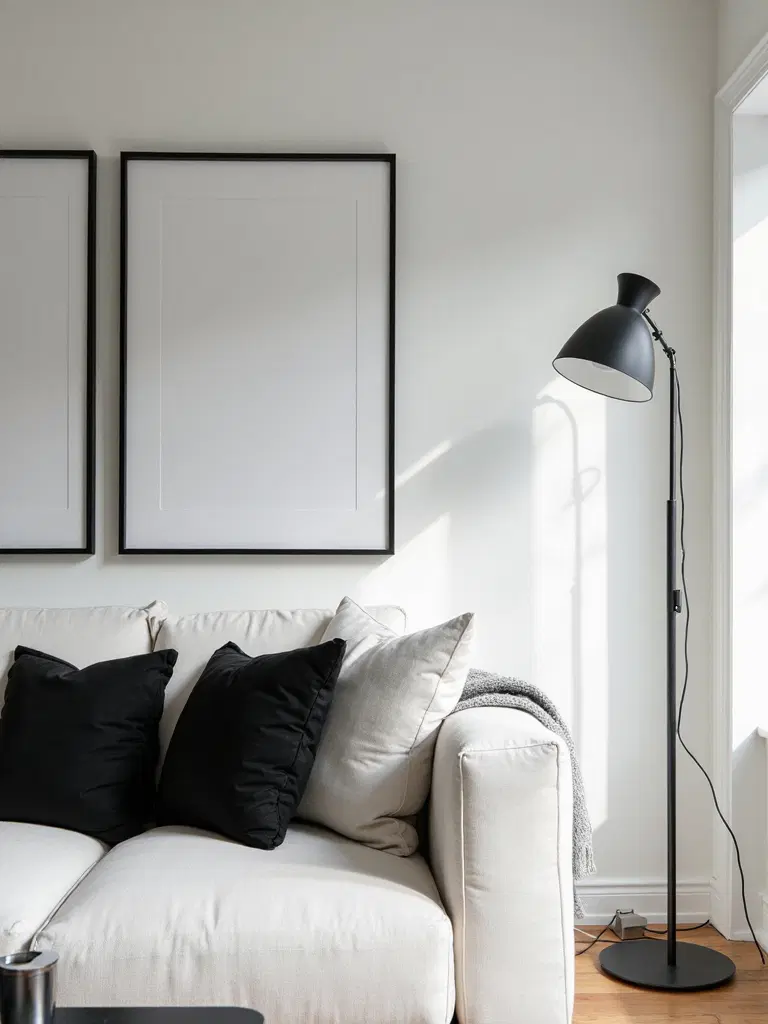
While light tones dominate minimalism, sprinkling in subtle black touches adds sophisticated contrast and defines architectural features. Frame wall art with thin black borders or introduce furnishings featuring matte black metal for a sleek modern vibe.
Decor items like black ceramic vases or patterned throw pillows with geometric motifs offer visual interest without crowding the space.
Integrate Concealed Storage for Clutter-Free Living
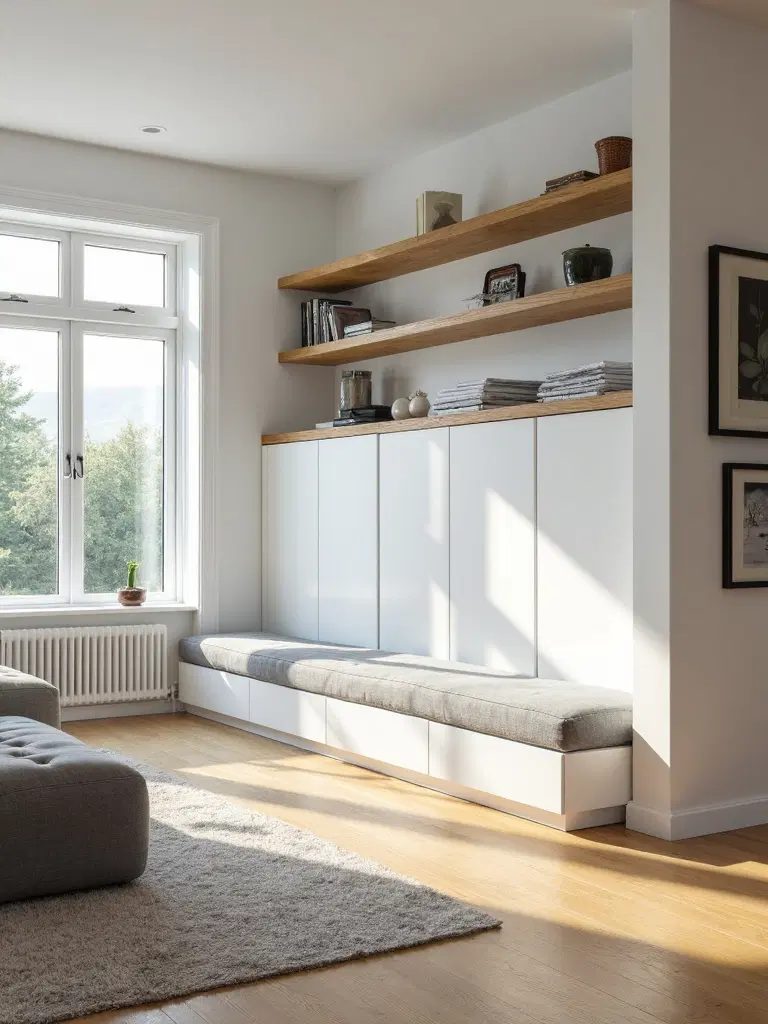
Efficient storage is essential in minimalism; it transforms a cramped room into an orderly sanctuary. Utilize floating shelves and wall-mounted cabinetry that offer hidden compartments to keep everyday items out of sight, preserving clean surfaces.
Multifunctional pieces like ottomans that hide storage or media units with drawers streamline organization and uphold the minimal aesthetic. Explore storage ottomans to enhance your space stylishly.
Invest in Timeless High-Quality Pieces
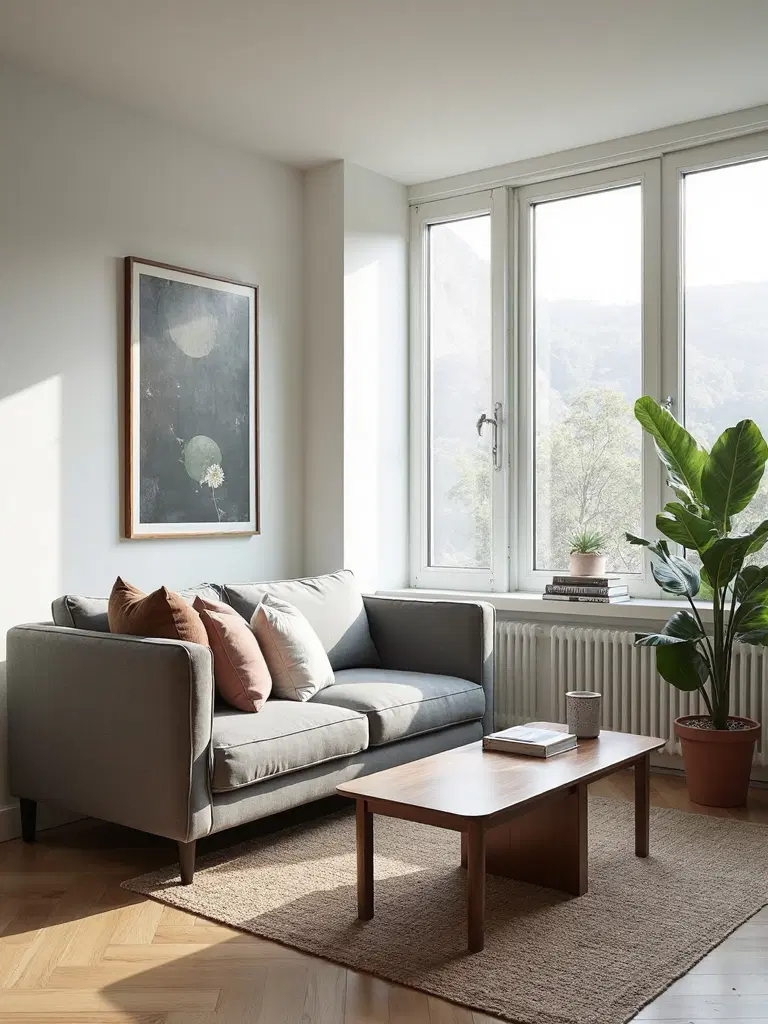
Minimalist interiors emphasize quality rather than quantity. Select a limited number of pieces made from durable materials with timeless style to ensure longevity. Choose neutral-toned furniture that adapts with your taste, such as a well-crafted sofa or classic accent cushions.
Instead of overcrowding walls with multiple artworks, pick one captivating item that makes a statement while preserving simplicity.
Maintain Balance by Embracing Negative Space
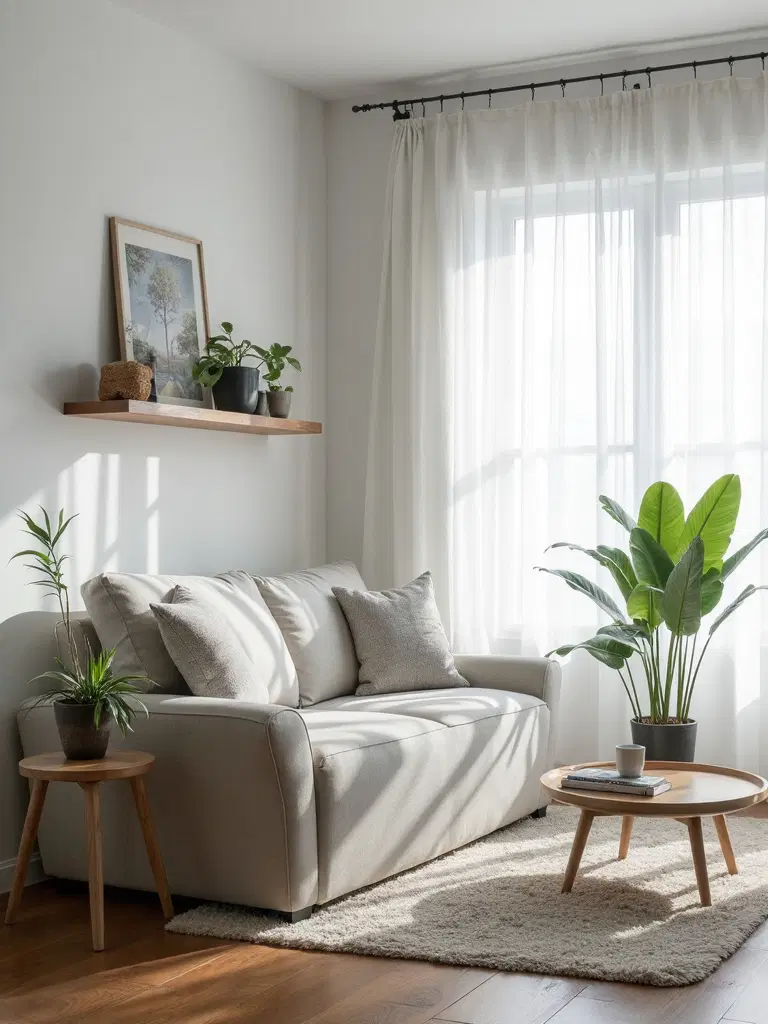
The essence of minimalism lies in skillfully balancing empty zones with purposeful furnishings. Arranging your space so that furniture and décor breathe provides a fresh and open environment.
Focus on vertical storage to preserve floor area and consider adding subtle splashes of color through curated decorative accents to enliven without cluttering.
Introduce Earthy Tones for Comfort
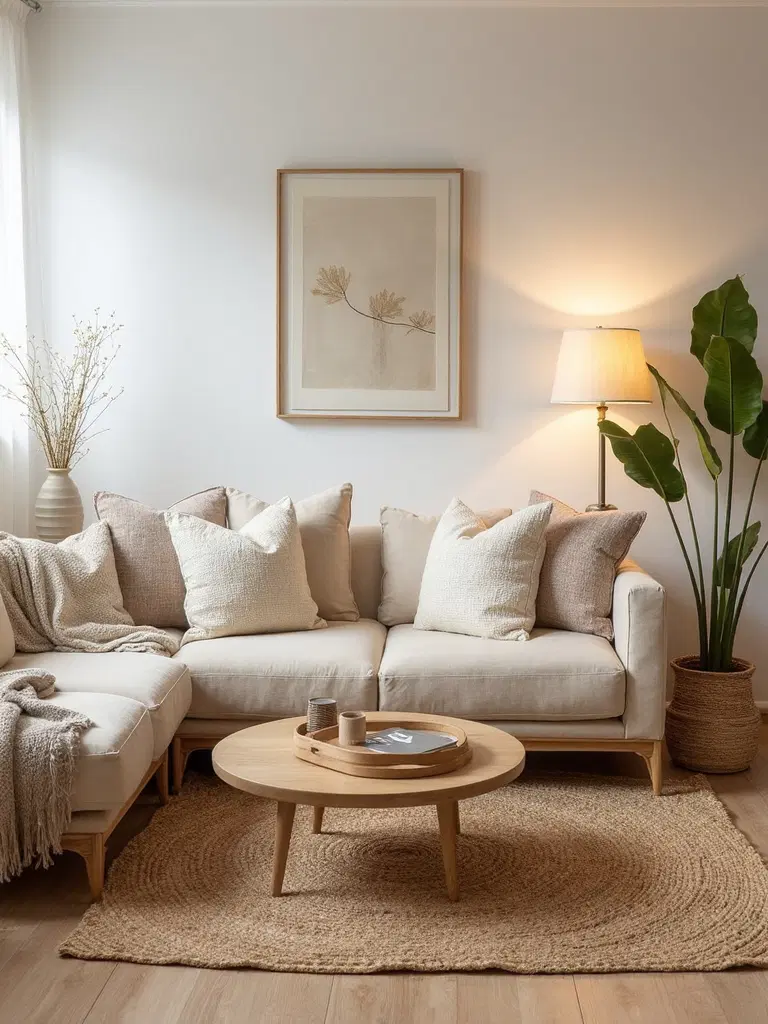
To soften a minimalist layout, earth-inspired neutrals—warm beiges, creamy whites, and sandy tans—add inviting warmth without sacrificing the streamlined essence. Incorporate these shades via natural wooden furnishings, cozy throws, and woven baskets for a nurturing, yet simple ambiance.
Define Spaces with Understated Rugs
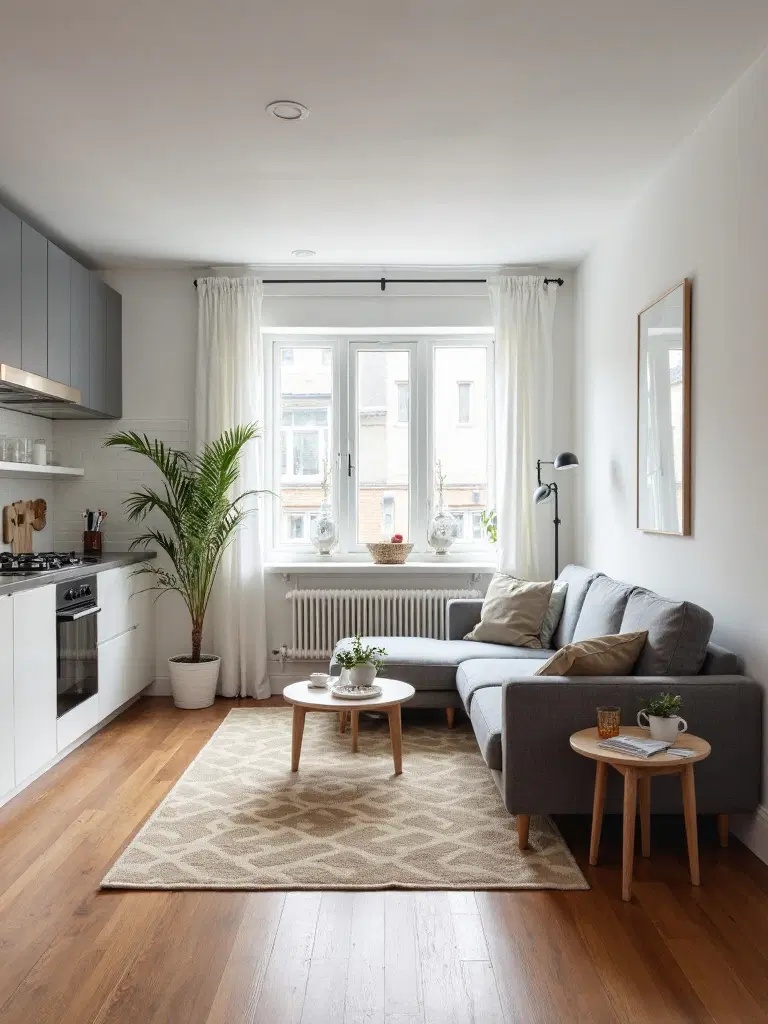
Selecting and layering muted, large-scale rugs establishes distinct zones within a small room without overwhelming the visual flow. A sizeable natural fiber rug sets a foundation, and layering a smaller piece with simple patterns adds sophisticated depth and texture.
This method effectively anchors furniture while subtly dividing functional areas.
Enliven with Resilient Low-Maintenance Greenery
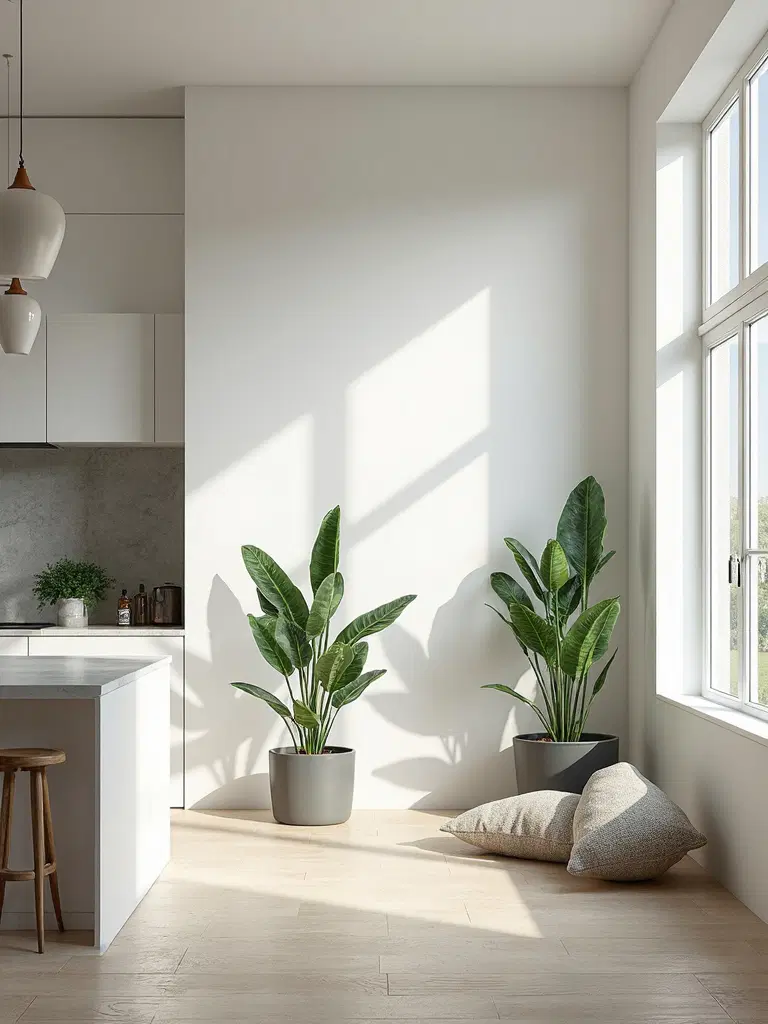
Inject life and calming vibrancy into your living room through uncomplicated, low-care plants. Varieties like snake plants, pothos, or compact succulents are ideal for brightening white or neutral walls without demanding much upkeep.
Place a tall fiddle leaf fig in quieter corners to create a natural focal point that energizes the room subtly.
Simplify with a Cohesive Color Scheme
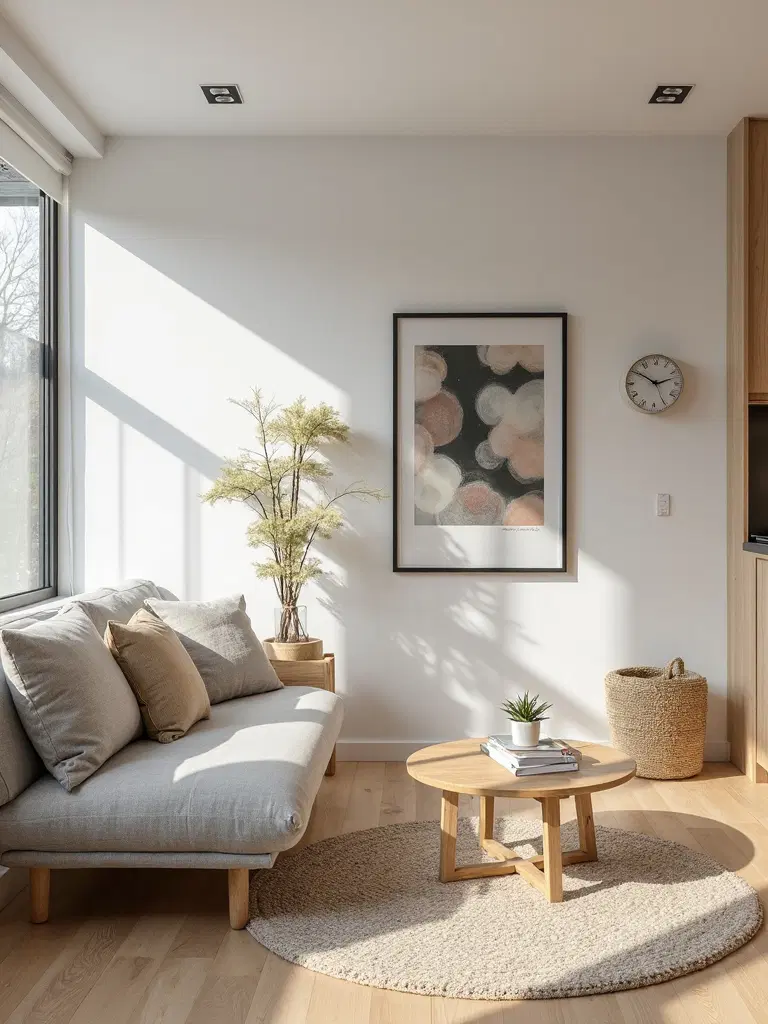
Keeping your palette limited to two or three complementary hues solidifies a minimalist look. Soft neutrals like cream, gray, and taupe lay the foundation, while subtle accent shades can be introduced in furniture or accessories. Avoid overly bold or saturated colors to preserve the serenity of the space.
Introduce Dimensions with Woven Accents
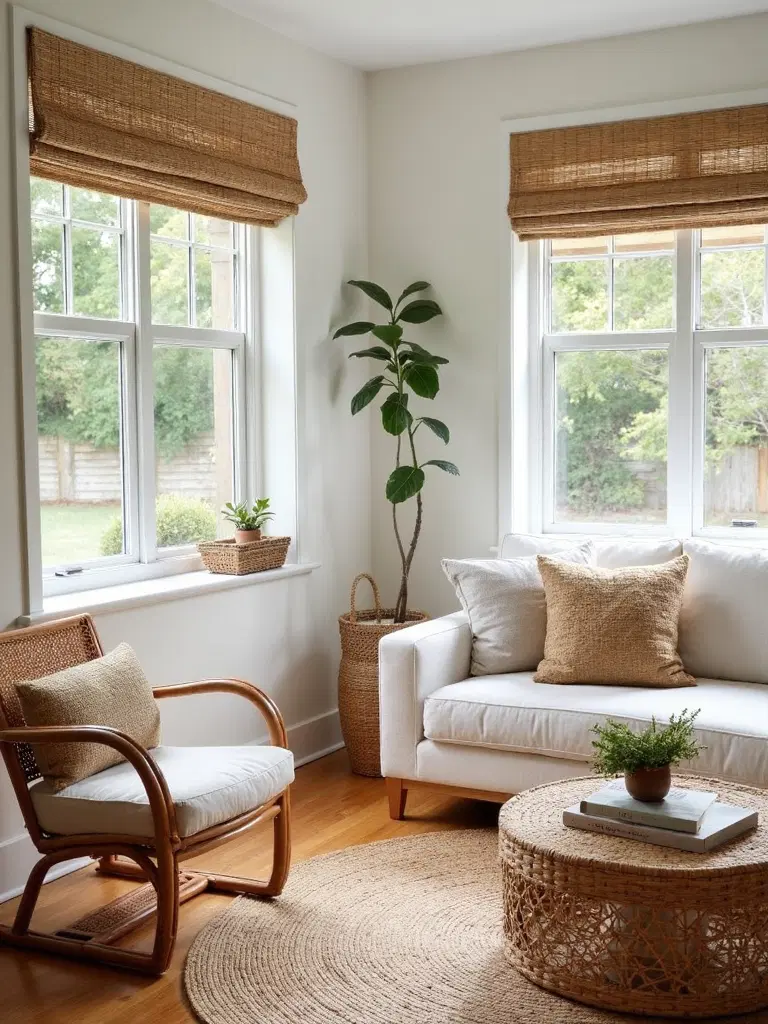
Incorporate woven elements—such as rattan furniture, wicker baskets, or woven pendant lamps—to bring inviting texture and subtle complexity to minimalist interiors. In larger rooms, combining various woven pieces adds layered richness without clutter, while evoking a softly coastal or bohemian flair.
Craft a Focal Wall with Simplistic Artwork
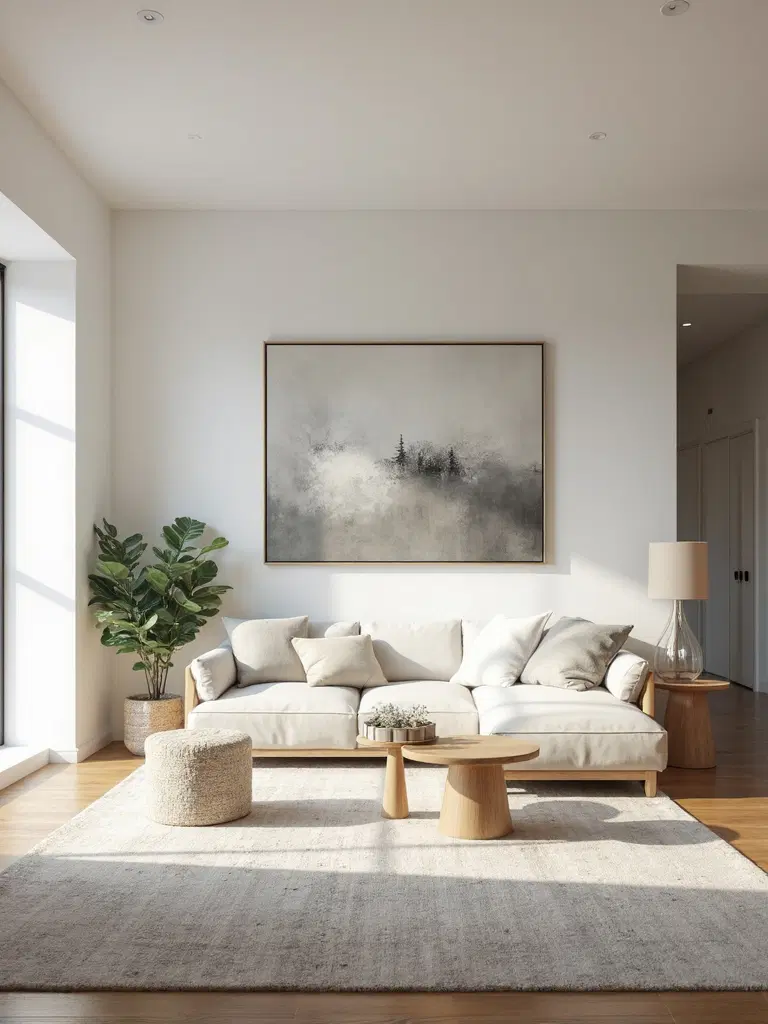
A single, well-chosen piece of minimalist art can transform a blank wall into a captivating focal point. Opt for oversized canvases or framed prints that showcase your personality yet maintain simplicity. Complement with understated wall paneling and accent lighting to highlight this feature.
For inspiration, search for minimalist wall art online.
Utilize Multi-Purpose Furniture for Functionality
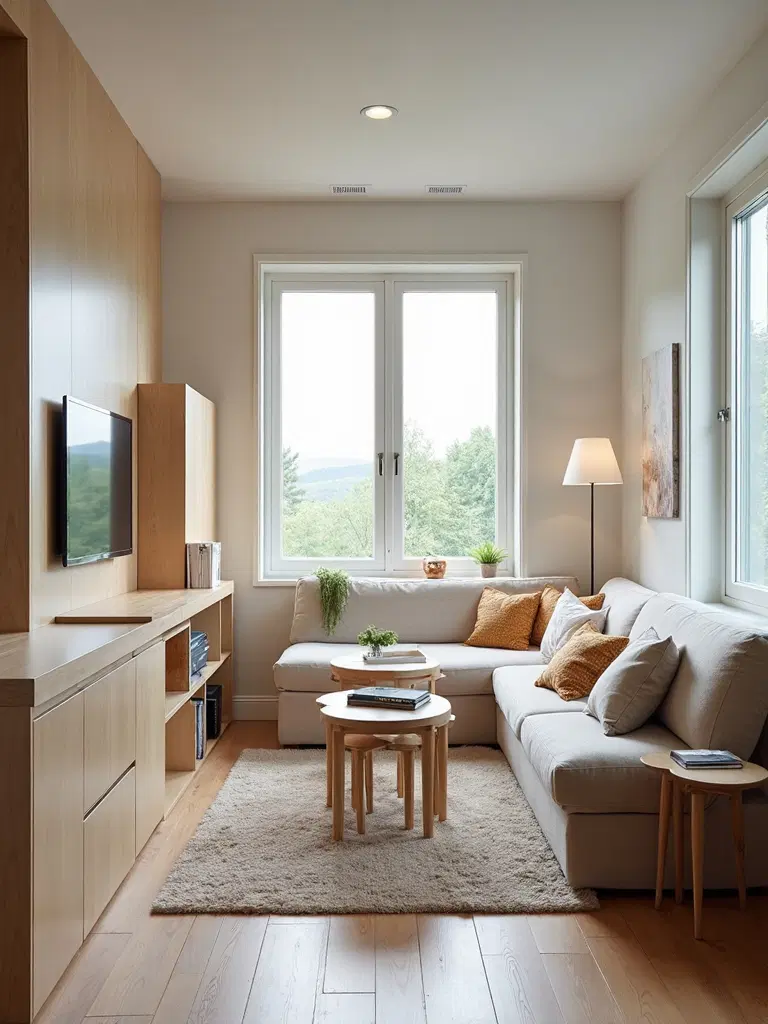
Transform your living room by equipping it with furniture that serves more than one role — think coffee tables with secret storage drawers, sleek sofas equipped with under-seat compartments, and ottomans doubling as extra seating plus hidden storage.
Such smart choices optimize space utilization while preserving clean, unfussy lines.
Achieve Unity with Consistent Materials
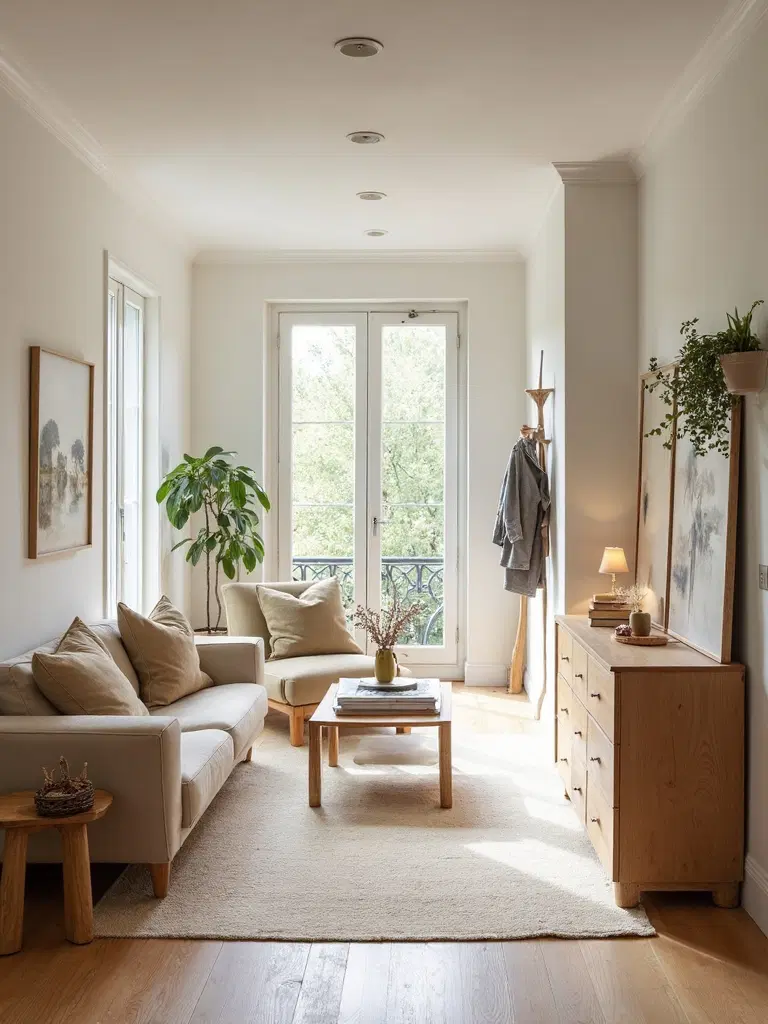
Creating a well-composed minimalist living room calls for thoughtfully pairing materials throughout your elements. Consistent use of natural wood, smooth metal, or elegant stone ties your furniture and décor together, enabling the space to feel fluid and curated.
This cohesion fosters a sense of tranquility and intentionality in your design.
Summary
Armed with these expert strategies, you can convert your compact living area into a minimalist masterpiece that feels open, welcoming, and thoroughly modern. Focus on harnessing natural light, selecting a singular standout piece, and layering natural materials judiciously. Incorporating clean-lined, floating furniture alongside clever storage options will ensure that every inch of your living space serves a purpose without sacrificing the elegant minimalism you desire.