18 Inspiring Japanese-Inspired Minimalist Living Room Ideas for a Tranquil Home

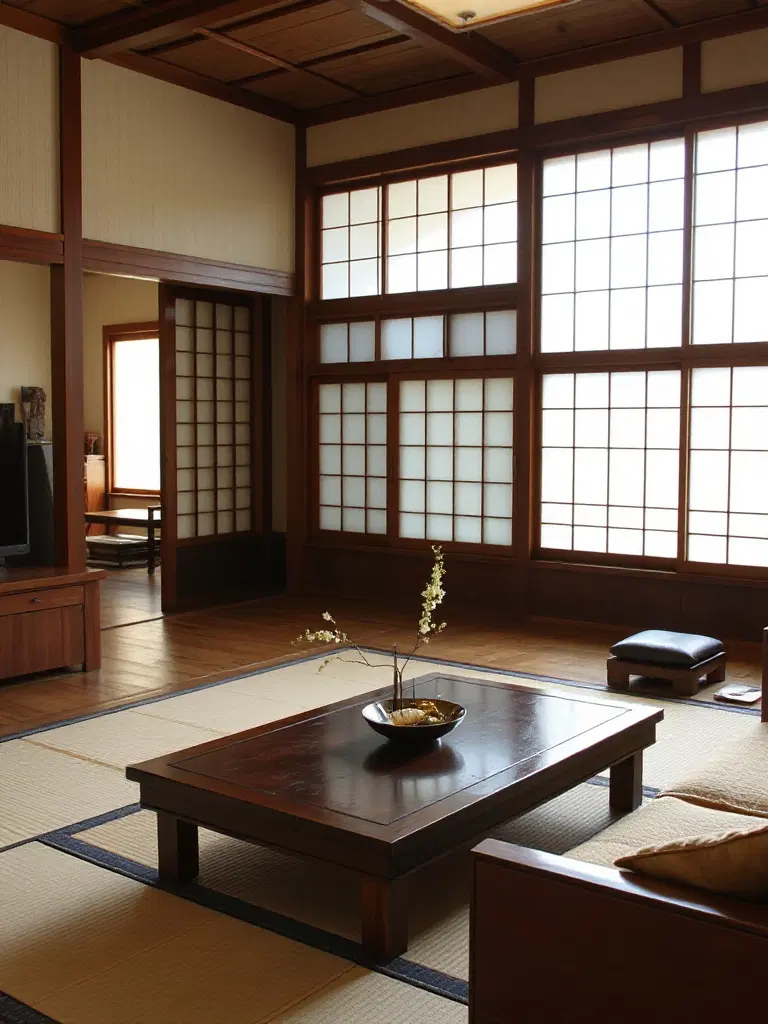
Discover the transformative power of Japanese minimalist style to turn your living room into a tranquil haven rooted in timeless Zen principles. By masterfully blending natural illumination with carefully chosen organic elements, these 18 thoughtfully designed interiors exemplify the fine equilibrium between aesthetics and practicality. Whether you’re embarking on a redesign or seeking fresh ideas, this collection offers invaluable insights into cultivating your own calming sanctuary.
Harnessing Natural Light and Spacious Layouts
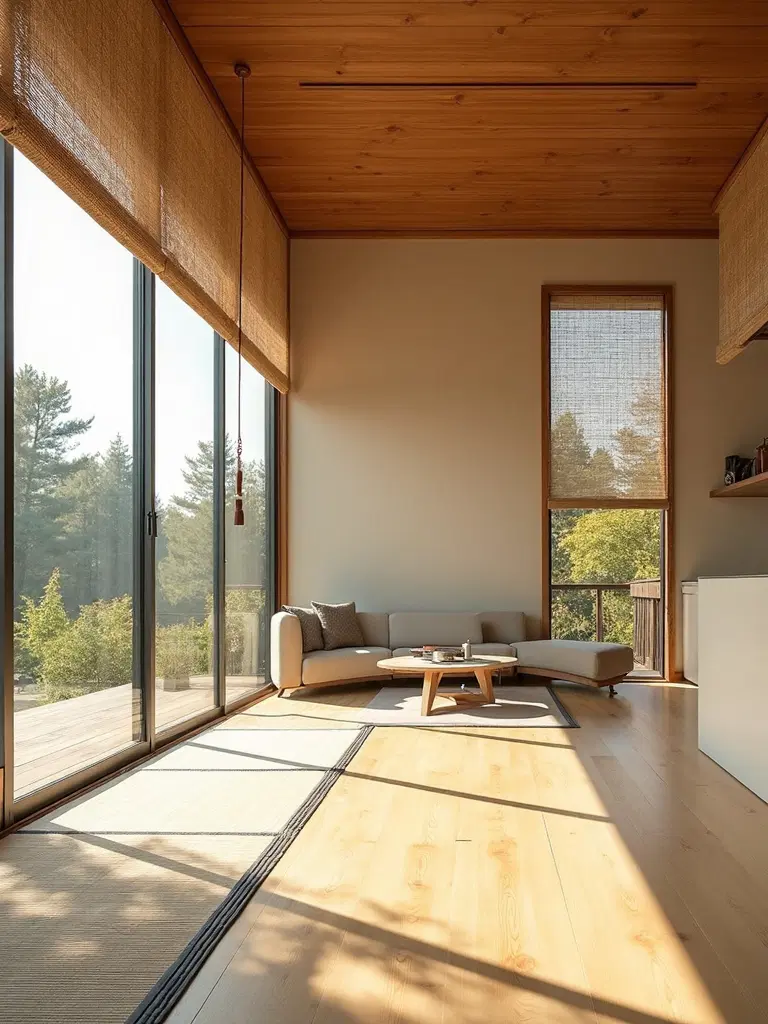
The foundation of any serene Japanese minimalist living room lies in the intelligent use of natural light paired with open, uncluttered areas that evoke calmness. Thoughtful window placement combined with translucent curtains helps bathe the room in soft daylight, enriching the peaceful atmosphere.
By embracing expansive sightlines through large windows and minimal obstructive furnishings, you deepen the feeling of connection with the outdoors, encouraging an open and airy environment that nurtures relaxation.
Minimalist Furniture: Celebrating Wabi-Sabi Aesthetics
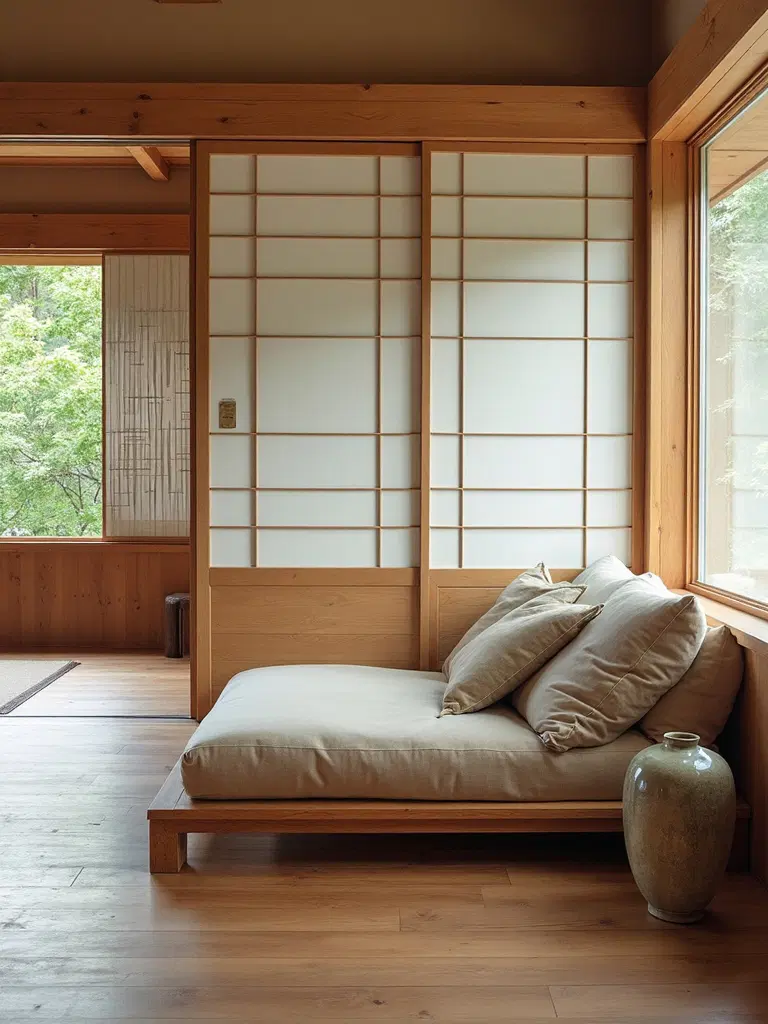
The Wabi-Sabi philosophy, which treasures understated beauty and imperfection, is exemplified through the use of minimalist Japanese furniture crafted from natural materials such as oak or walnut. Pieces with subtle imperfections and clean silhouettes foster an atmosphere of authenticity and calm.
Opt for low-slung sofas and handcrafted tables that age gracefully, developing character with time, reinforcing a soothing and simplistic environment.
Decluttering: Paving the Way to Peaceful Living
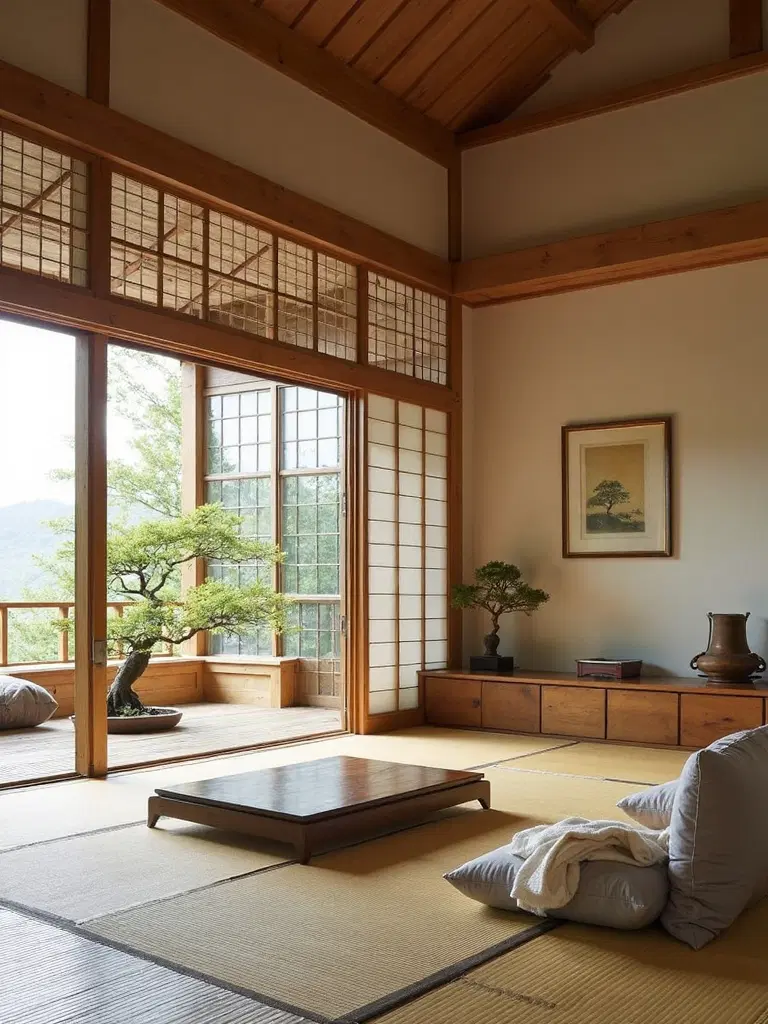
Embarking on a Japanese minimalist journey begins by eliminating excess belongings to cultivate clarity and space. Streamlined surroundings support mindfulness, enabling a deeper connection with the room’s tranquil essence.
Integrating Natural Textures and Elements
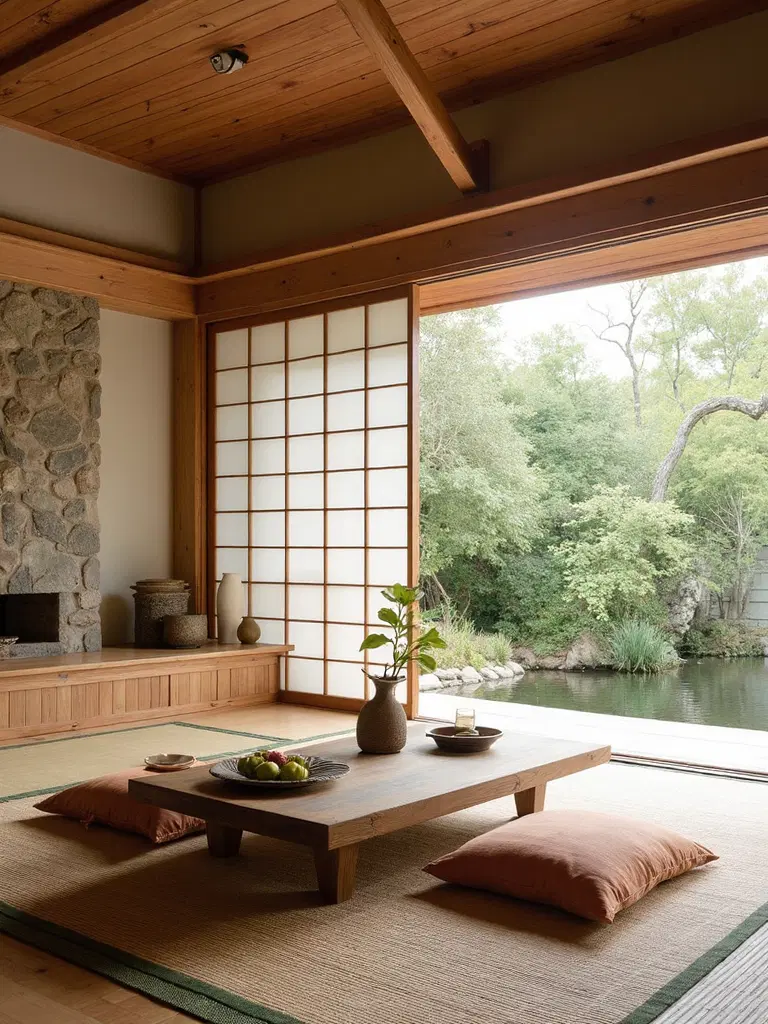
Incorporating natural materials and textures underpins the essence of Japanese minimalist interiors. Elements like wooden furnishings, bamboo décor, and stone flooring harmonize to create an inviting, nature-inspired sanctuary.
In addition, using fabrics such as linen and organic cotton—in raw or untreated forms—amplifies the Wabi-Sabi theme by celebrating natural flaws and tactile richness.
Versatile Shoji Screens for Elegant Spatial Divisions
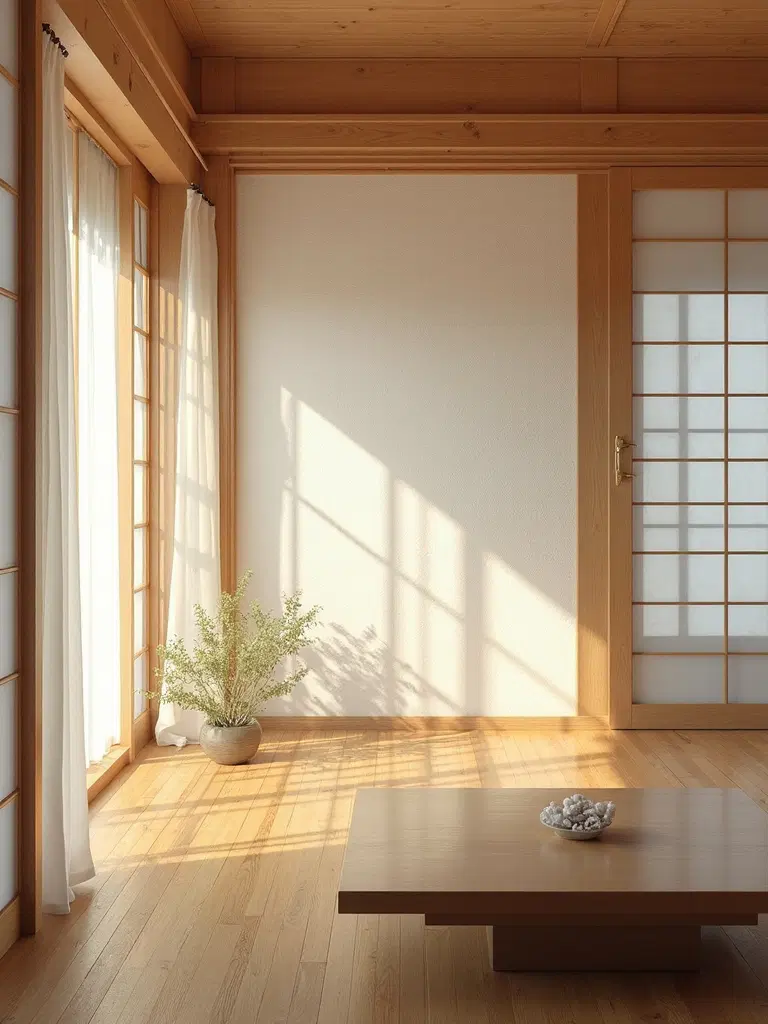
Shoji screens stand out as elegant, multifunctional components within Japanese minimalist spaces, providing both privacy and fluid spatial transitions.
Their wooden framework combined with translucent rice paper gently filters natural sunlight, allowing light to softly permeate areas while reinforcing the overarching Zen-inspired design.
Authentic Tatami Mats as Floor Foundations
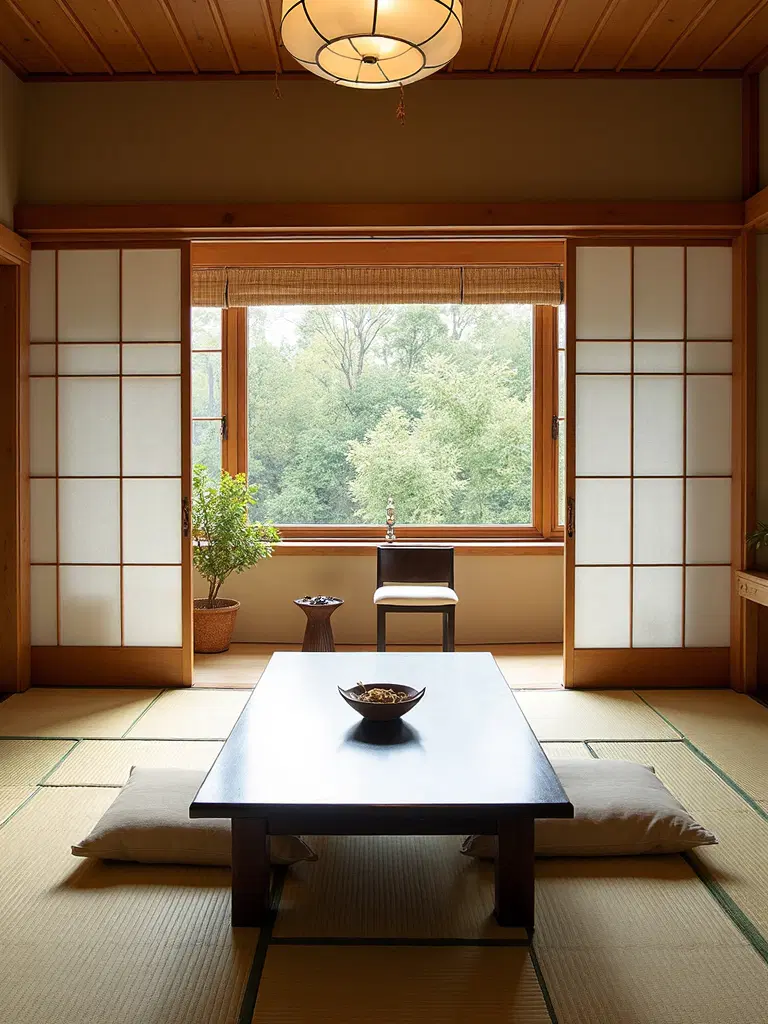
The use of tatami mat flooring is central to reinforcing the cultural authenticity of a Japanese minimalist living area. These mats, typically rectangular and woven from soft rush grass, introduce warmth and tradition to the floor plan.
Besides their natural aesthetic, tatami provide insulating properties and a tactile softness underfoot, contributing to the room’s comfortable and balanced ambiance.
Low-Profile Seating for an Intimate Environment
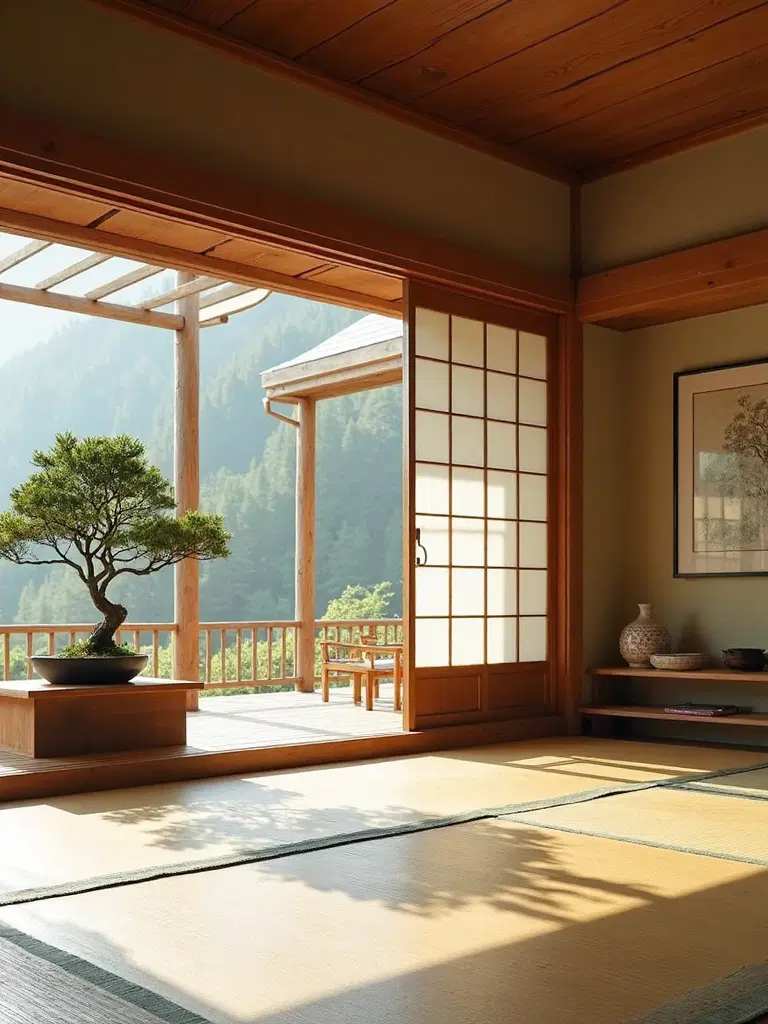
Low-lying furniture selections form the heart of the Zen-inspired living room, promoting a grounded, welcoming atmosphere. Platform couches, floor cushions, and modest ottomans with minimal upholstery elevate a sense of calm and simplicity.
This arrangement enhances openness by maintaining unobstructed viewpoints and accommodating flexible social or solitary activities.
Earthy Hues and Soothing Neutrals
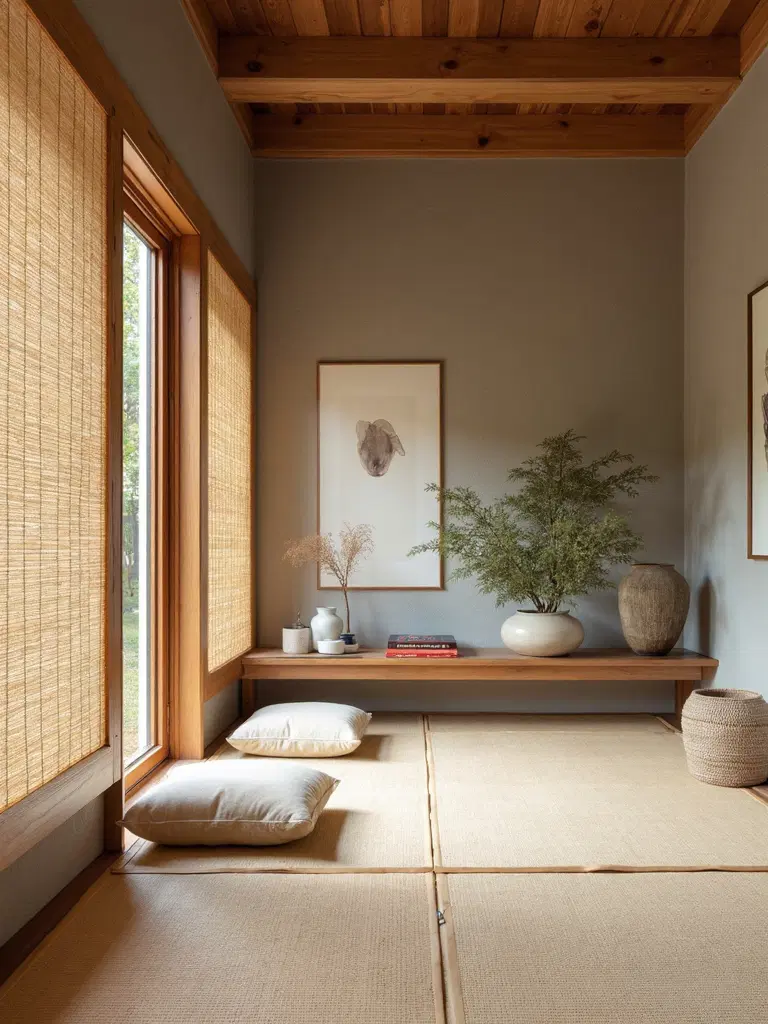
A carefully chosen color scheme composed of muted earth tones and gentle neutrals frames the serene aura typical of Japanese minimalist rooms. Whites, soft greys, and calming browns highlight structural simplicity and natural elements.
Accents in charcoal or black inject visual depth, cultivating a balanced and restful environment.
Bringing the Outdoors In with Plants and Natural Accents
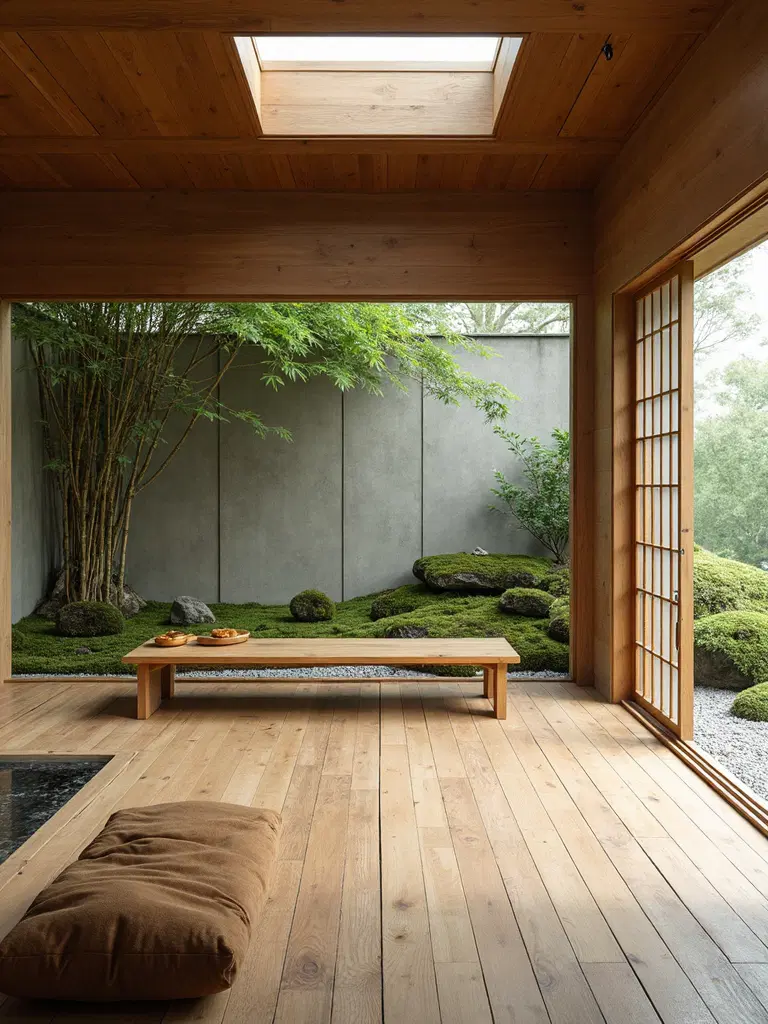
Incorporating greenery within the minimalist living space builds a seamless dialogue between indoor tranquillity and revitalizing nature. Potted plants like bonsai, ferns, or bamboo thrive near light sources, enhancing air quality and visual calmness.
These living touches not only complement wooden furnishings but also bring life and color without disrupting the minimalist ethos.
Layered Lighting for a Soothing Ambiance
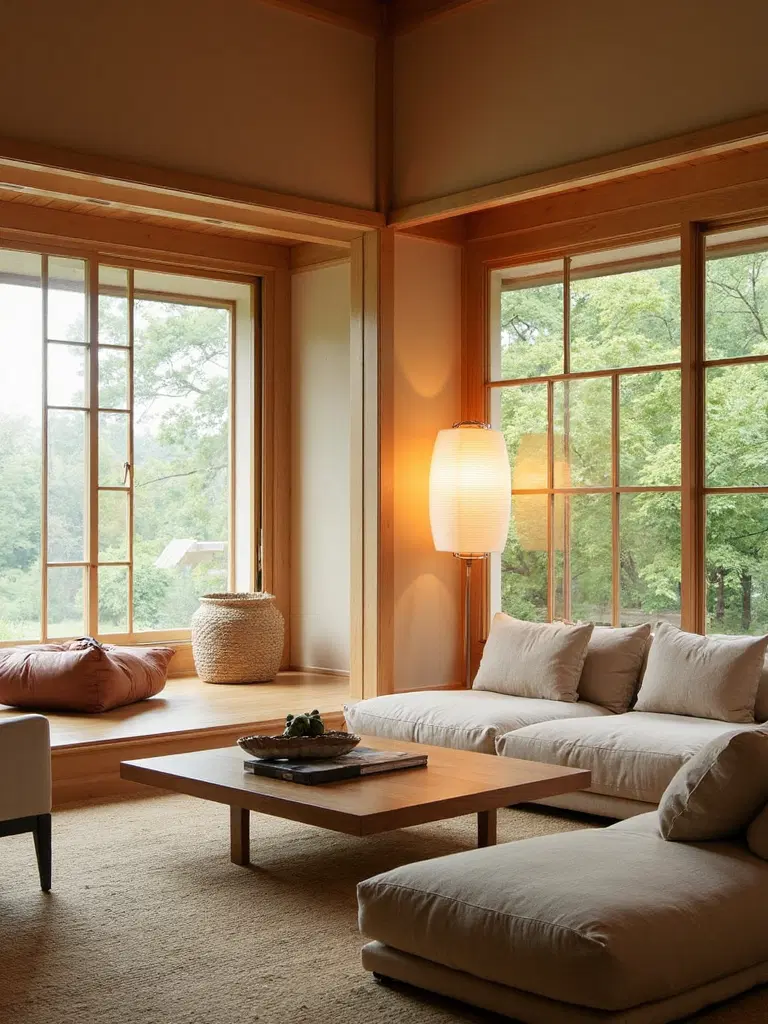
Natural illumination flowing through generous windows and shoji panels is complemented by thoughtfully layered artificial light to foster calmness during evenings. Strategically placed mirrors amplify daylight while dimmable lamps and soft candlelight add warmth and intimacy.
Consider aroma diffusers or subtle essential oil scents to enhance relaxation further.
Symmetry and Balance in Furniture Arrangement
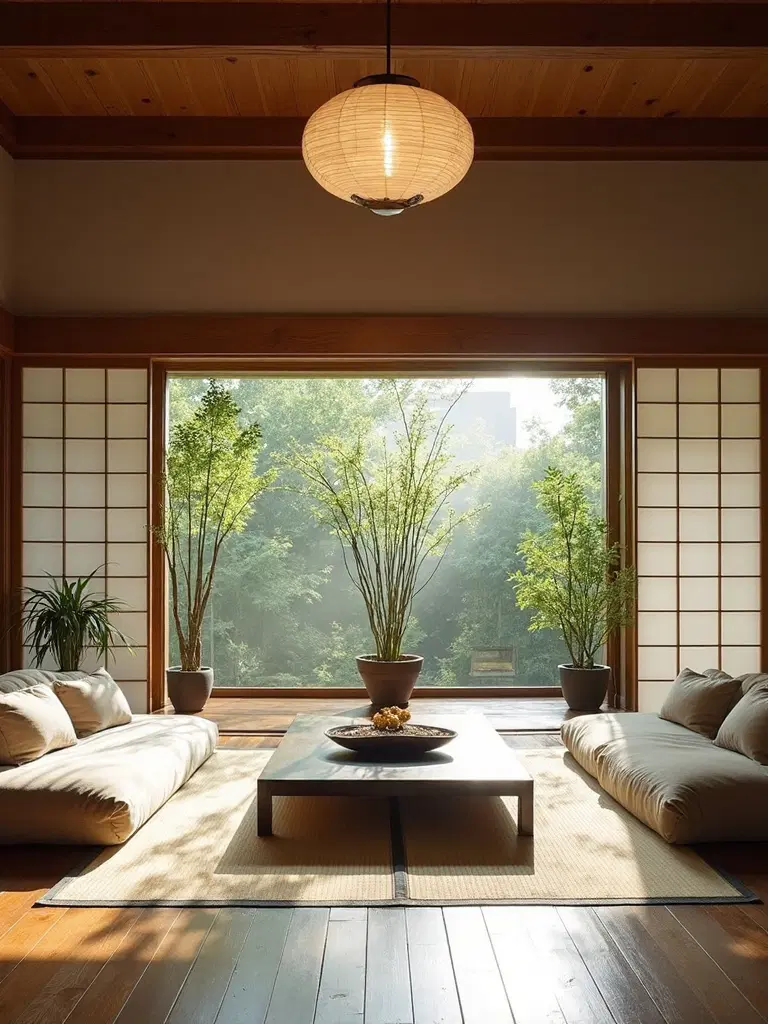
Adhering to Zen philosophy, arranging furniture with a focus on symmetry promotes harmony and tranquility. Equal visual weight and thoughtful negative space encourage restful clarity and evoke a purposeful flow.
Using natural textures and light as focal anchors deepens the minimalist ambiance in your living area.
Efficient Storage That Preserves Minimalism
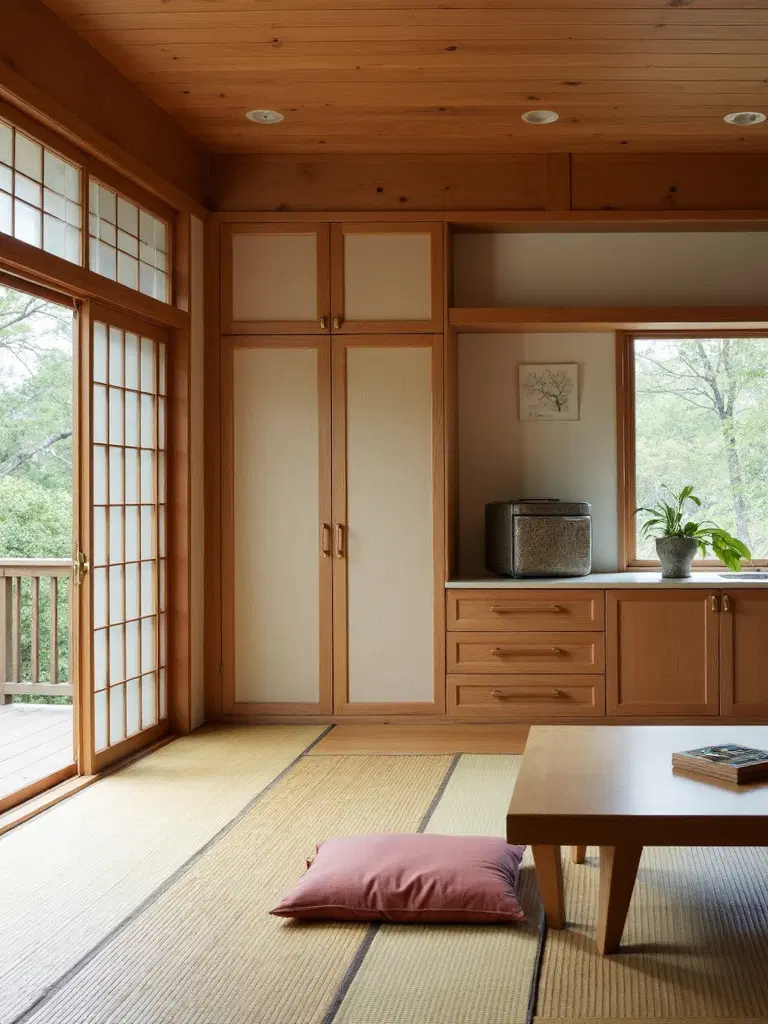
Optimal storage is essential to maintain a pristine, uncluttered space. Multi-functional furniture—such as ottomans with hidden compartments or minimalist shelving systems—keeps essentials accessible yet concealed.
Incorporate wall-mounted organizers and elegant room dividers like shoji to maximize spatial efficiency without compromising style.
Incorporating Water Features for Meditative Calm
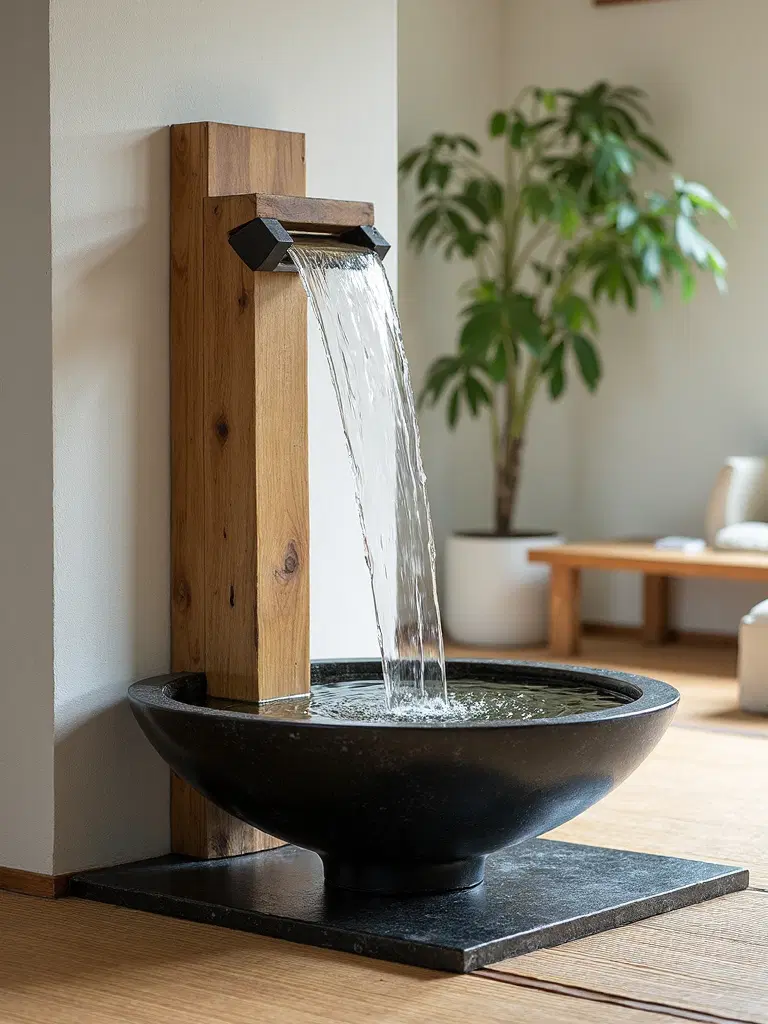
Incorporating a modest water feature adds rhythmic serenity, echoing nature’s peaceful sounds within your minimalist living environment.
Position such features near seating areas to heighten calmness, pairing them with natural accents like river stones or bamboo to deepen your authentic Zen-inspired design.
Minimalist Artistry and Wall Accentuation
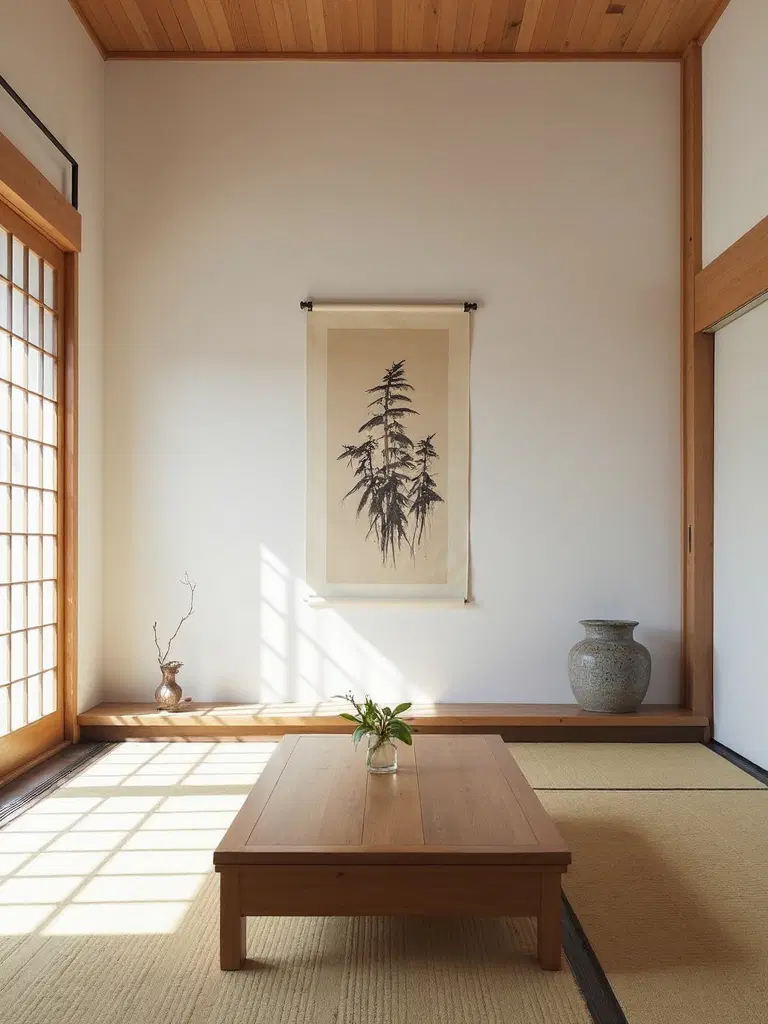
Minimalism extends beyond furniture and layout to encompass art choices that reinforce peacefulness. Abstract or calligraphy-inspired artwork in monochromatic or earthy shades beautifully complements the restrained decor.
Selecting natural wood or stone frames and ensuring ample negative space around these pieces maintain the sought-after Zen harmony.
Designing Personal Meditation Spaces
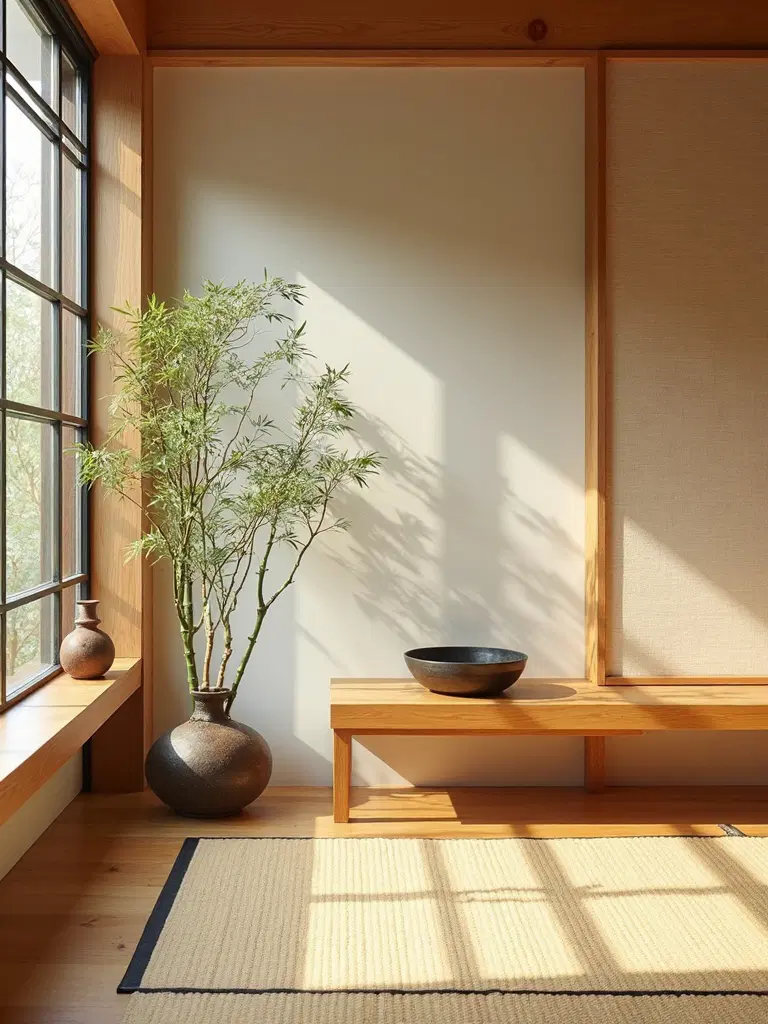
Crafting a dedicated meditation corner elevates the Zen atmosphere of your living room. Use natural dividers like bamboo shoji screens paired with traditional zabuton cushions for comfortable seating grounded in cultural context.
Augment the serenity with a miniature indoor garden or subtle water element, balancing traditional motifs such as tasteful Buddha statues with modern minimalist details.
Curating Organic Forms with Clean Edges
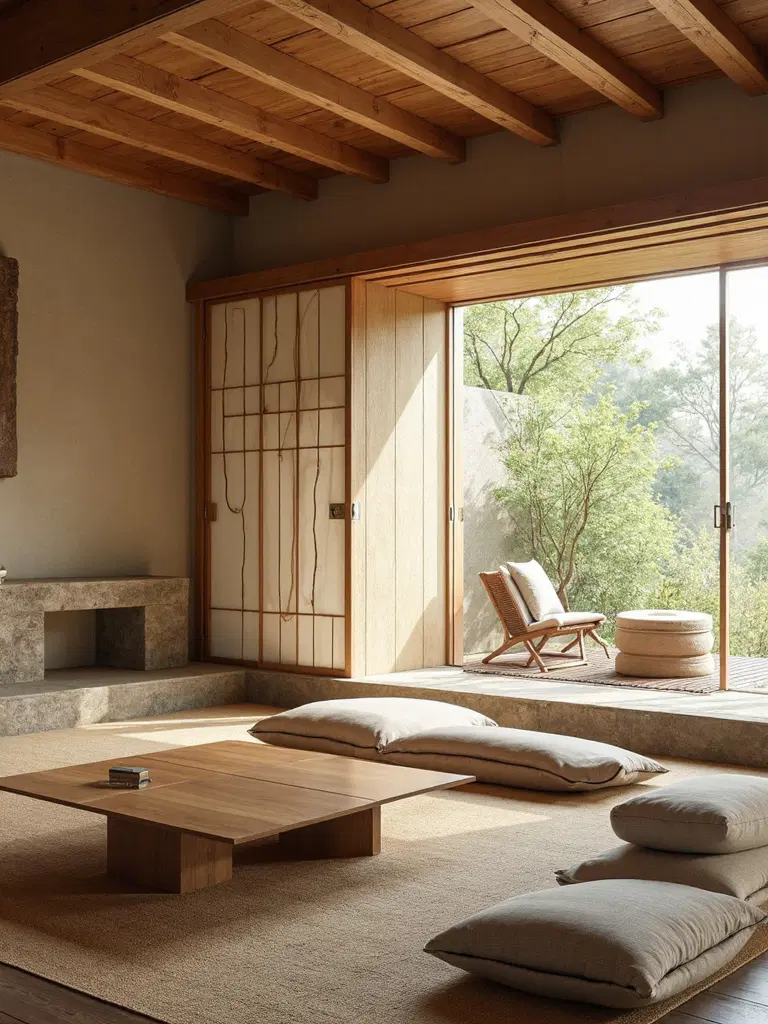
The minimalist aesthetic thrives on marrying smooth, organic shapes with sharp, clean lines. This balance enhances simplicity and natural elegance simultaneously.
Opt for multifunctional furnishings with subtle curves and geometric designs crafted from wood or stone, fostering a purposeful yet inviting atmosphere.
Seamless Indoor-Outdoor Integration
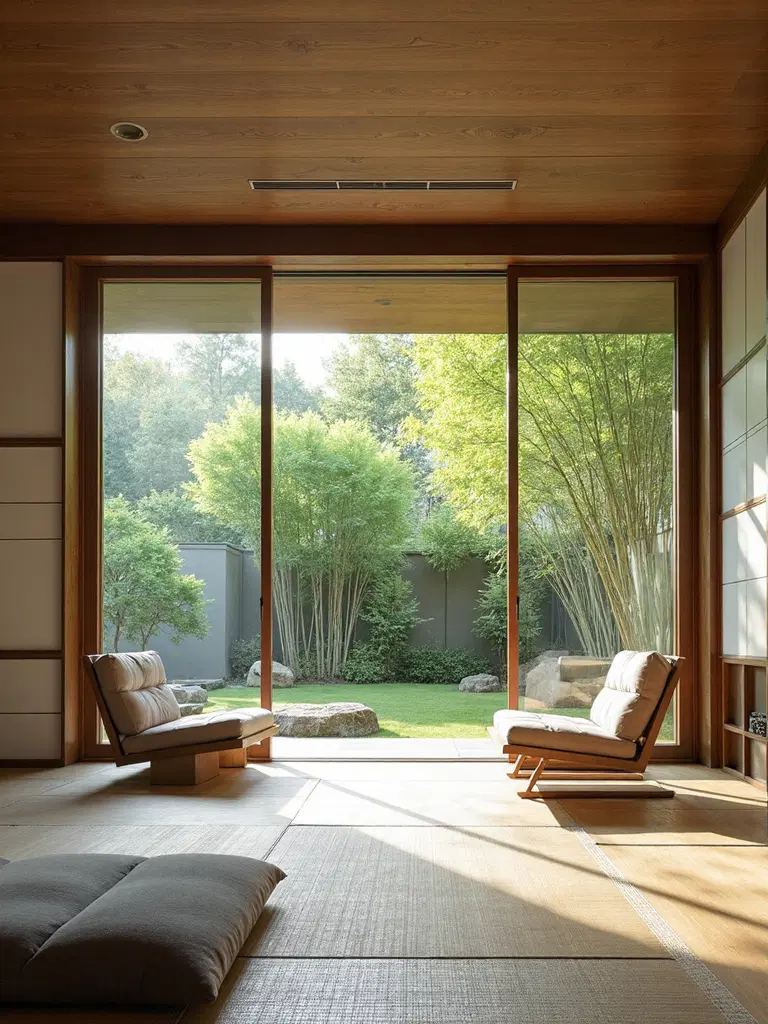
Traditional Japanese design expertly blurs the boundaries between interior and exterior, promoting a natural flow throughout the living environment.
Integrate large sliding doors or expansive windows to usher in sunlight and views while furnishing with minimalist pieces in natural finishes. Elements such as water sounds and stone textures further deepen the link to nature and tranquility.
Contemporary Takes on Classic Traditions
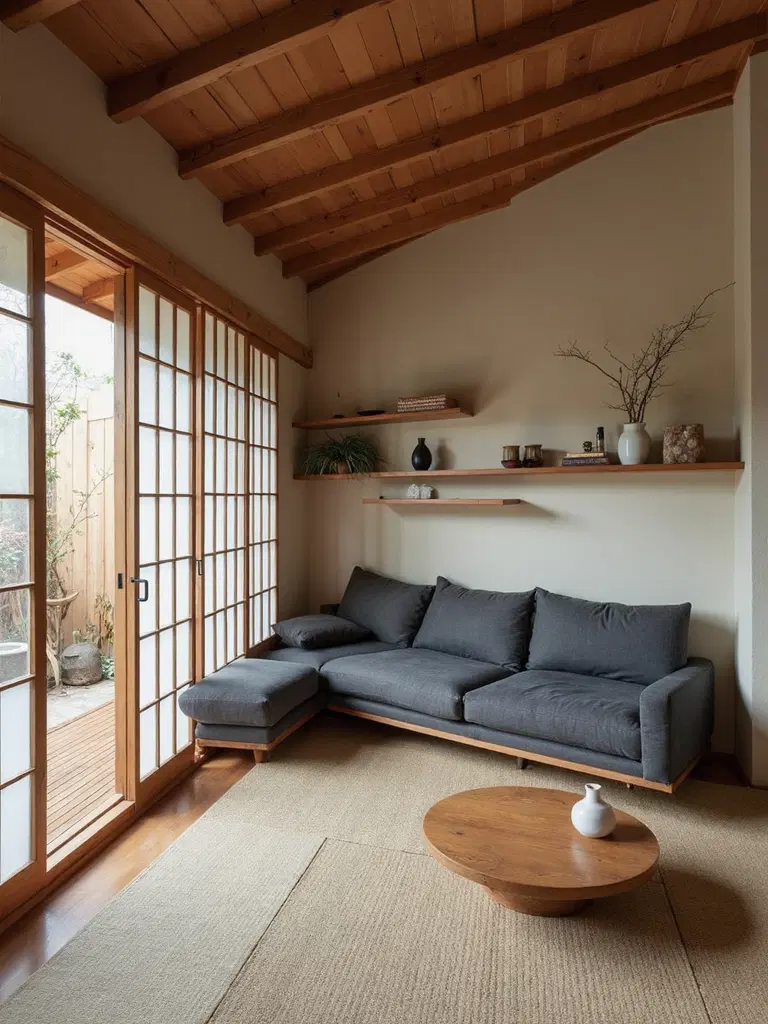
Modern Japanese interiors skillfully reinterpret historic stylistic elements for today’s lifestyles. Bamboo and cedar remain staple materials, fashioned into sleek furnishings such as platform beds and modular storage systems that honor minimalist values.
Soft illumination reminiscent of traditional paper lanterns alongside neutral palettes punctuated with nature-inspired motifs completes the harmonious setting for contemporary Zen living.
Summary
Transforming your living room into a genuine Japanese minimalist sanctuary involves more than just aesthetics—it is about orchestrating natural light, decluttered spaces, and authentic materials to nurture tranquility. By incorporating elements like shoji screens, intimate meditation areas, and embracing the Wabi-Sabi philosophy of imperfection, you will create a peaceful retreat that enhances your well-being daily.
Explore the essentials of Japanese minimalist furniture, tatami mats, and shoji screens to start curating your own Zen-inspired living room today.