17+ Afrobohemian Spaces Where Creativity Takes Center Stage

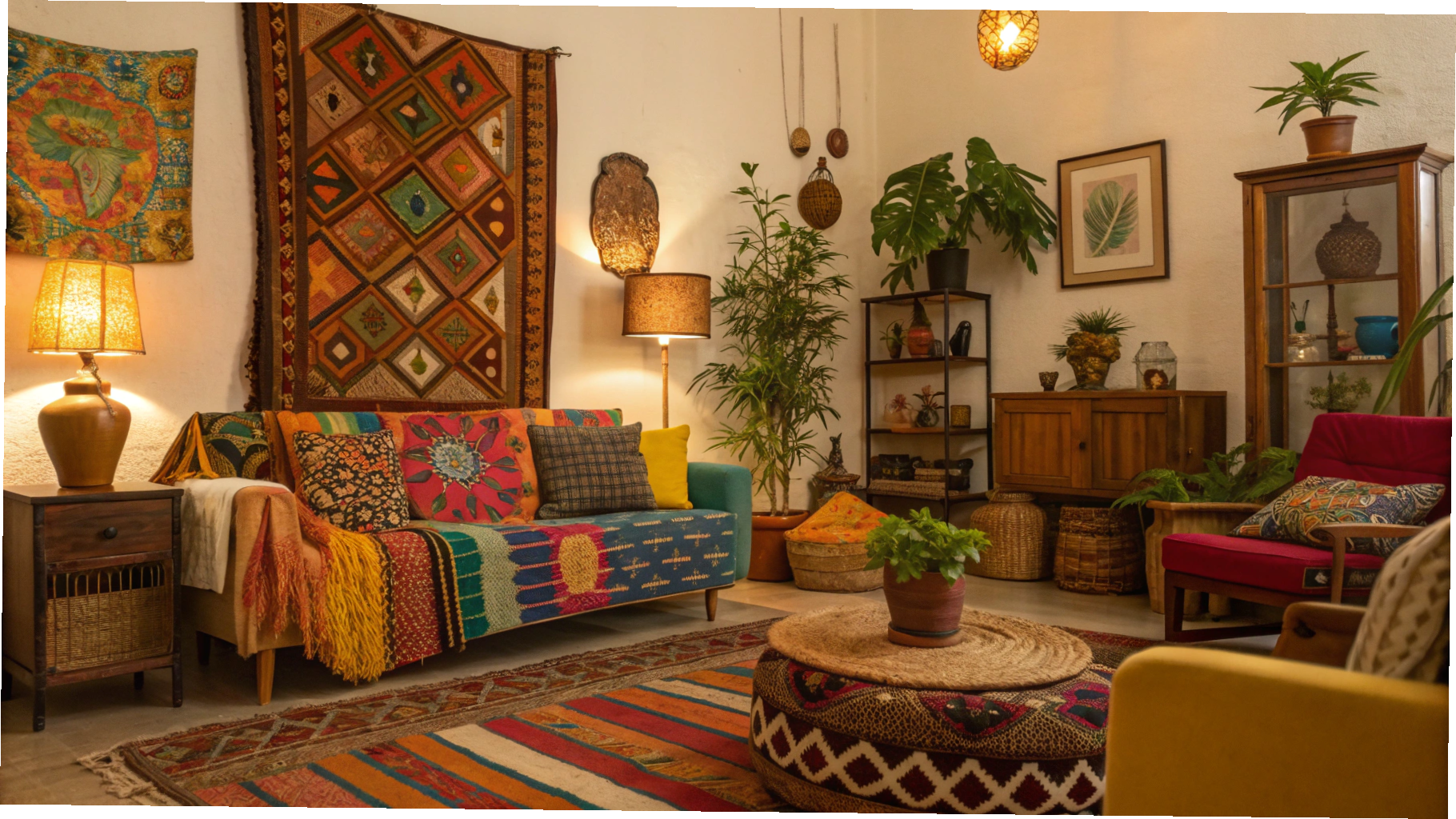
In Afrobohemian design, artwork serves not merely as decoration but as the essence and heartbeat of the space.
When selected with intention, a piece of art can effectively replace surplus furniture and decorative items, encapsulating the ambiance, narrative, and cultural richness of the environment. Such interiors emphasize captivating visual elements, rich textures, and a measured approach—allowing the art to dominate while the rest harmoniously complements it.
Explore these Afrobohemian interior concepts, where art takes center stage, shaping the room’s entire vibe.
1. Establish a Bold Focal Point with One Large Art Piece
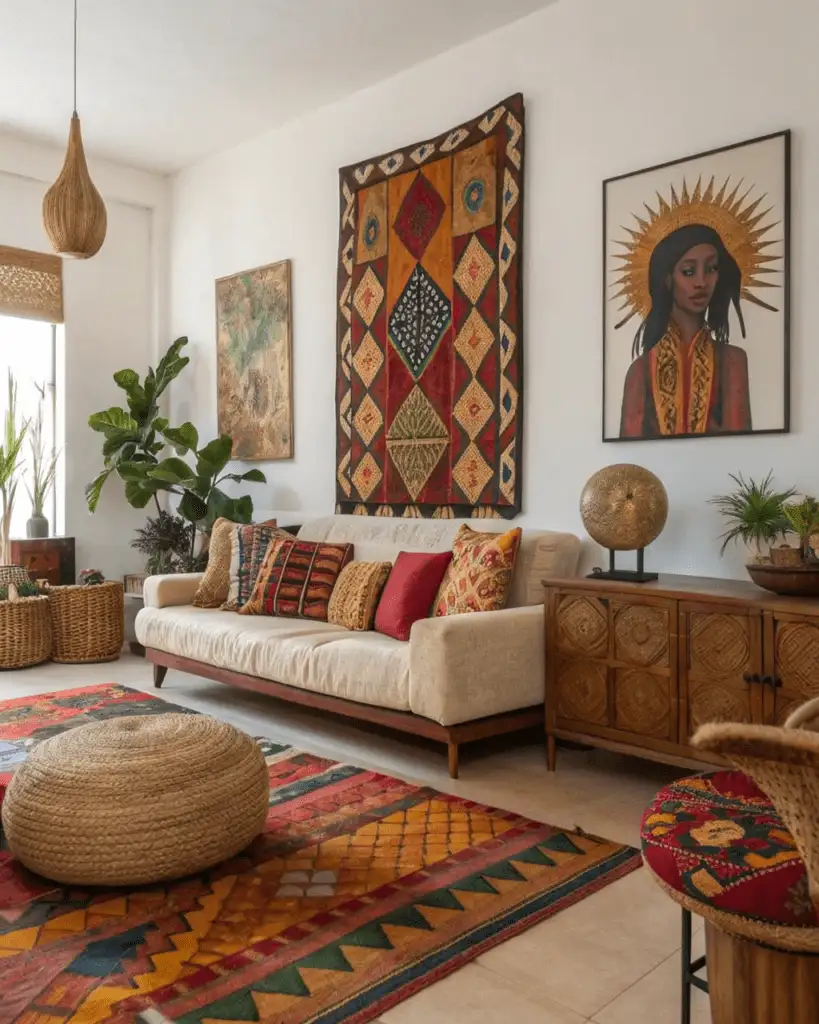
A striking, oversized artwork commands immediate attention, setting the tone for the entire room.
Consider incorporating:
- Large canvas paintings
- Bold textile wall hangings of generous scale
2. Derive Your Color Scheme Directly From Your Art
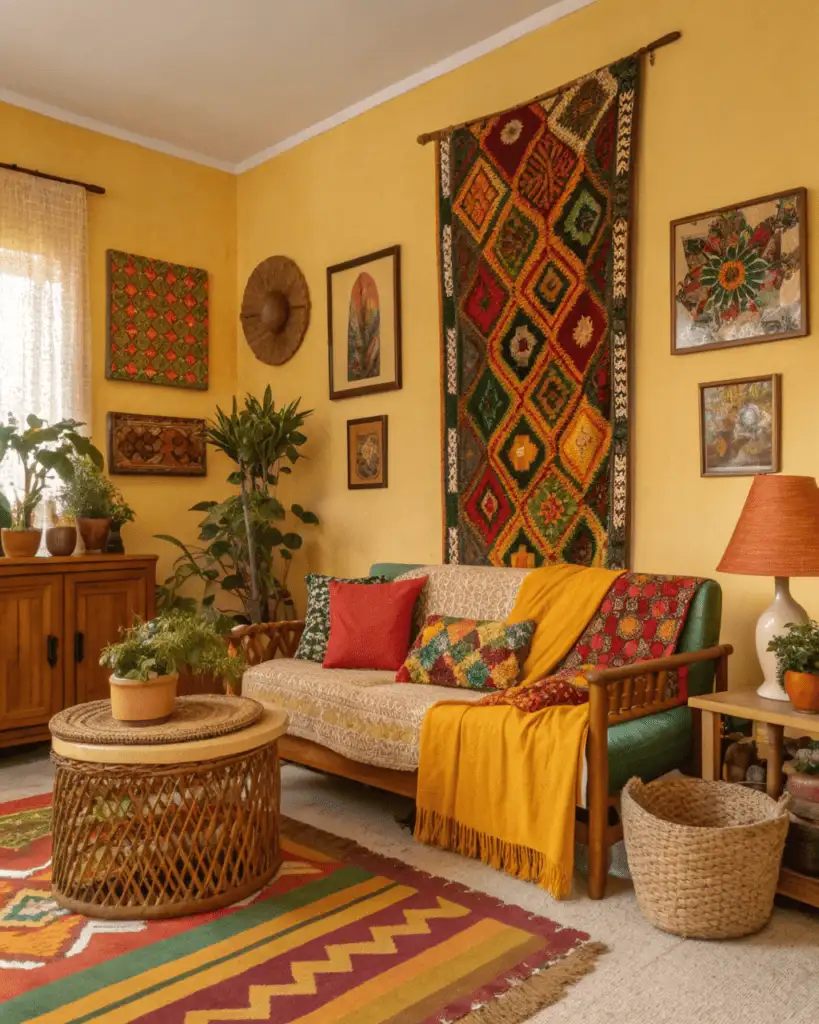
The artwork should act as the cornerstone for selecting colors throughout the room. Extract tones from the piece to create a cohesive and immersive palette.
Emphasize:
- Organic earth tones
- Shades reminiscent of terracotta, burnt sienna, and natural sands
3. Opt for Low-Profile and Subtle Furniture
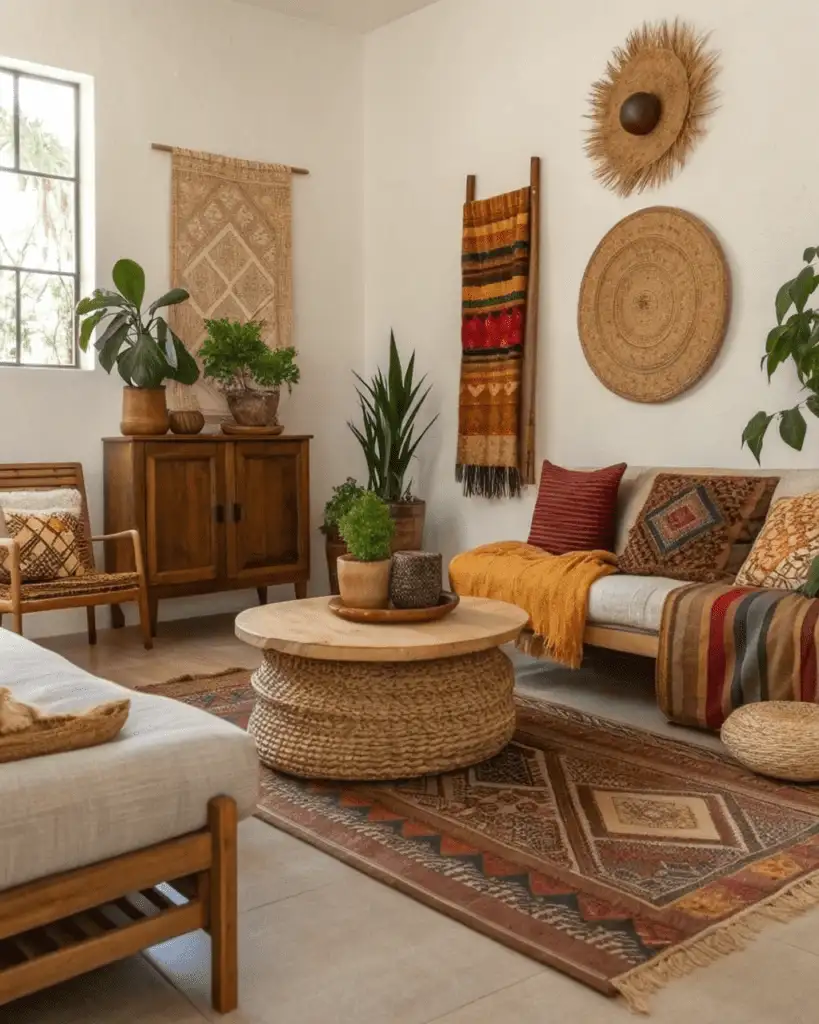
Choosing low-slung furnishings ensures that art remains the dominant feature.
Great choices include:
- Low-profile sofas
- Simple, natural wooden benches or stools
4. Embrace Textured Art to Minimize Clutter
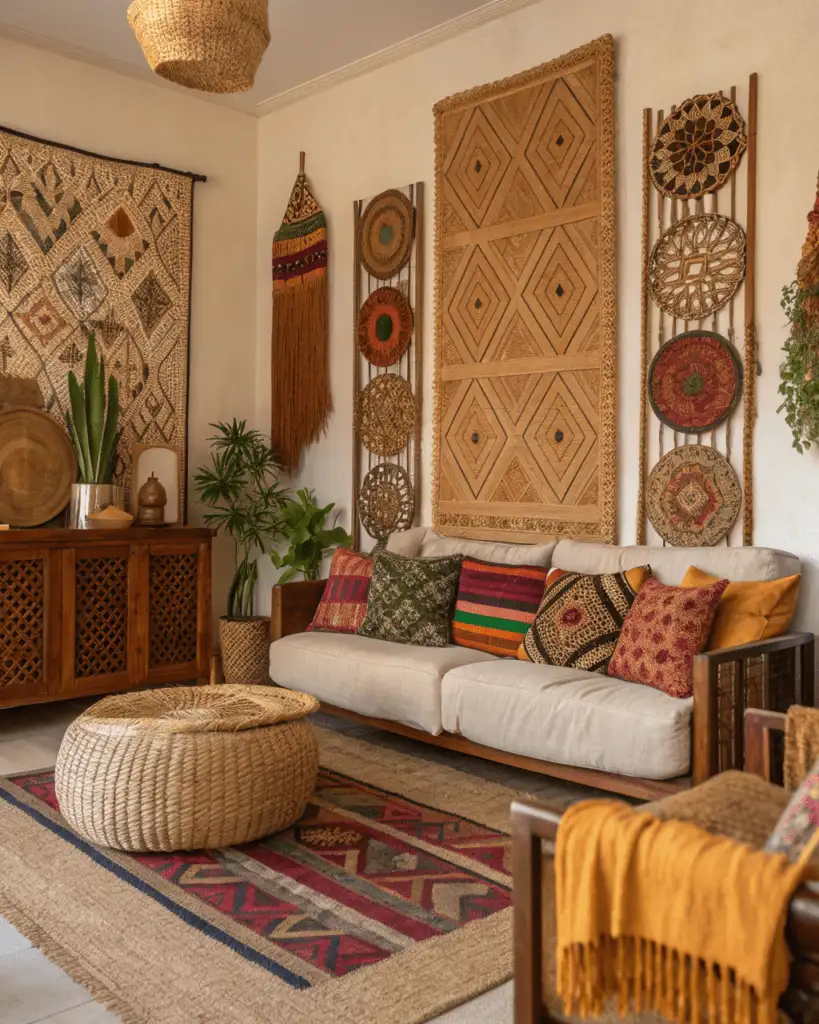
Rather than accumulating numerous decorative elements, prefer pieces that offer rich texture and tactile interest.
Examples to consider:
- Fiber art
- Handwoven wall panels and macramé hangings
5. Place Art Against Warm, Neutral Wall Shades
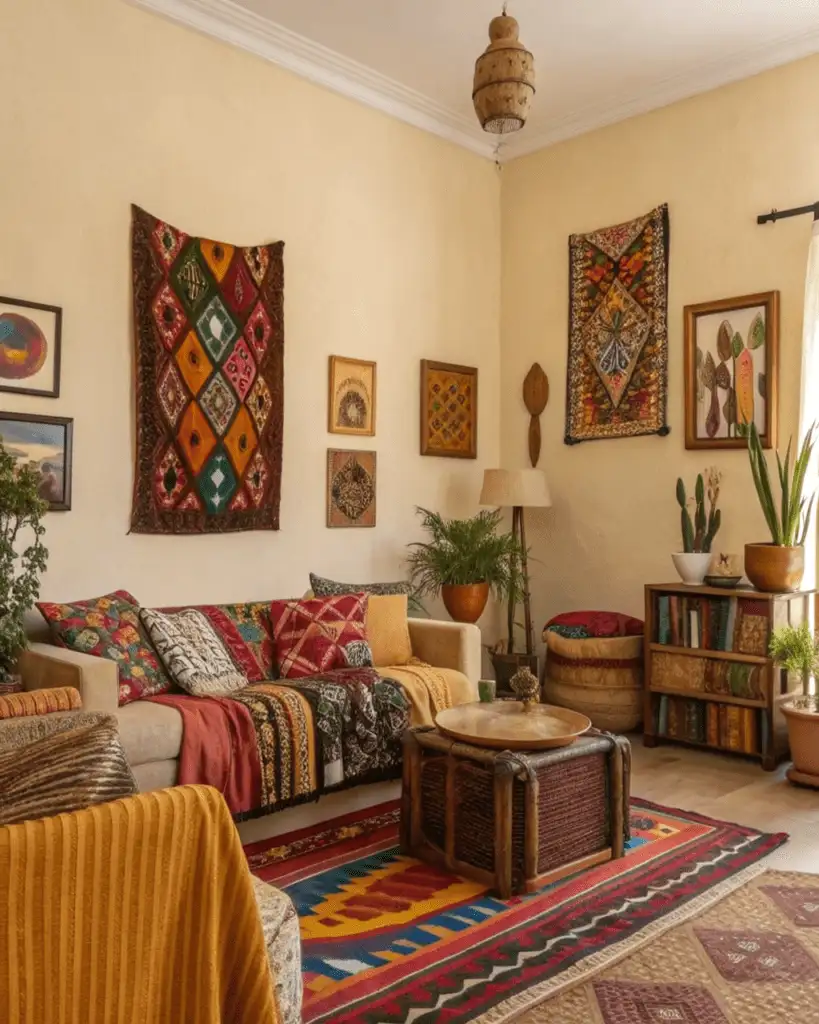
Walls should serve as a gentle backdrop that enhances rather than competes with the artwork.
Ideal wall colors include muted:
- Off-whites with a warm undertone
- Soft beige hues
- Light terracotta or clay shades
6. Incorporate Handmade Art to Impart Authenticity
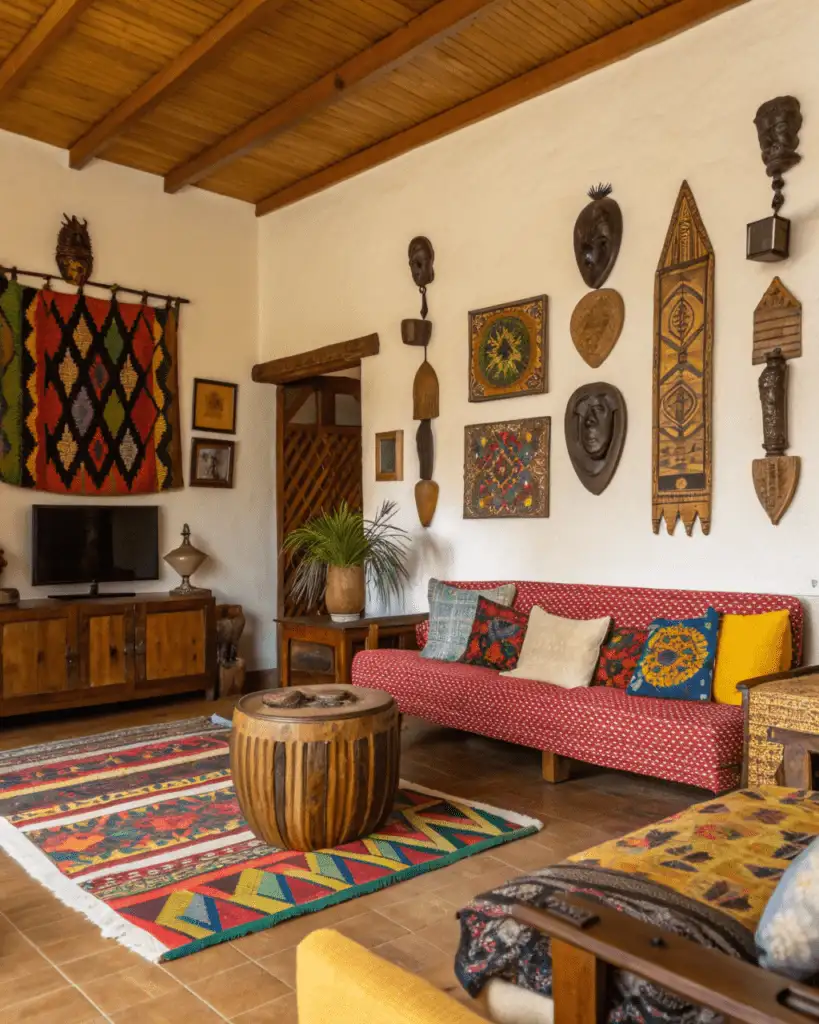
Artisan-crafted items enrich the space with cultural significance and craftsmanship.
Look for:
- Hand-painted canvases
- Intricately carved wooden or clay wall decorations
7. Focus on a Single Statement Piece for Wall Decor
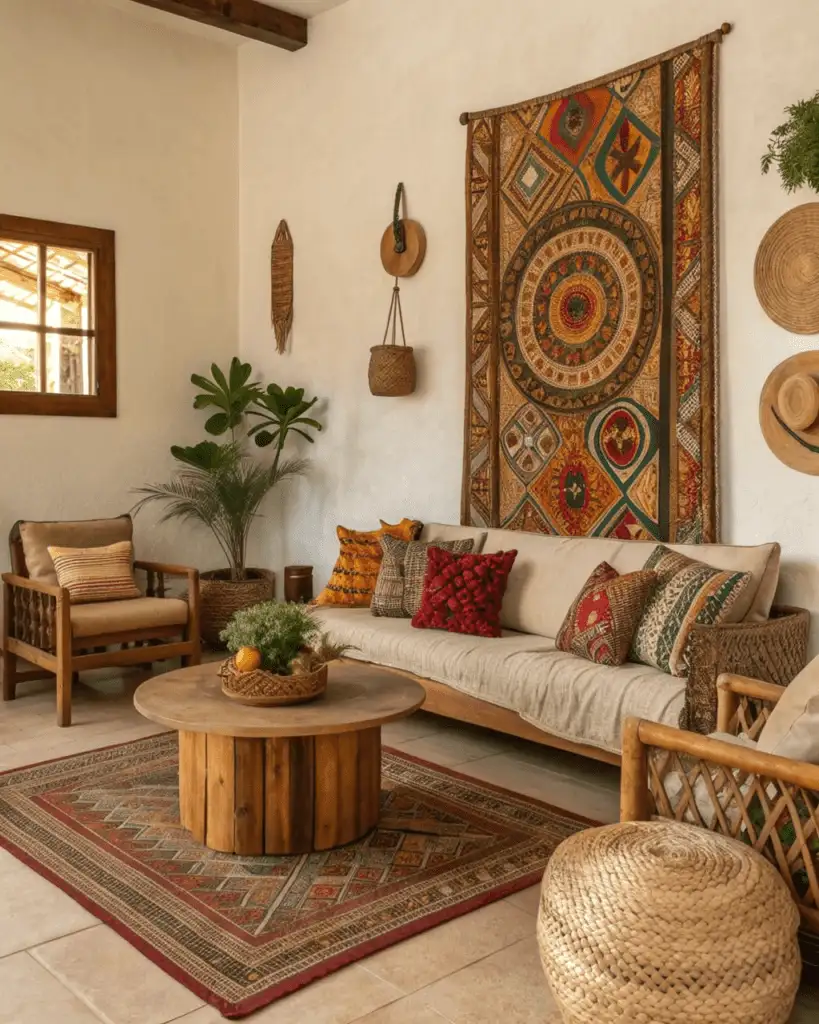
A singular, commanding artwork captures attention more effectively than crowded gallery walls.
Avoid:
- Overloaded walls with multiple pieces
- Numerous competing focal points
8. Pair Artworks with Earthy, Natural Elements
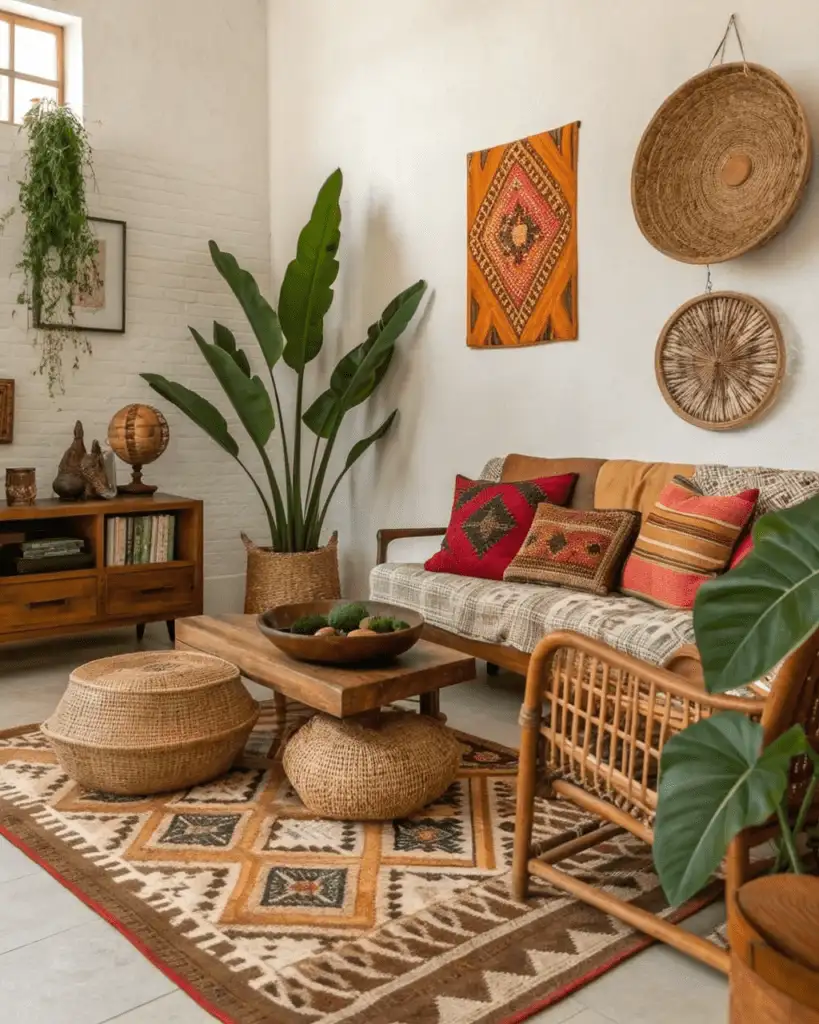
Select furnishings and accents featuring authentic, grounded materials to establish balance with the art.
- Bamboo, rattan, or reclaimed wood furniture
- Natural stone or terra cotta accessories
9. Incorporate Floor or Leaning Art for Casual Ambiance
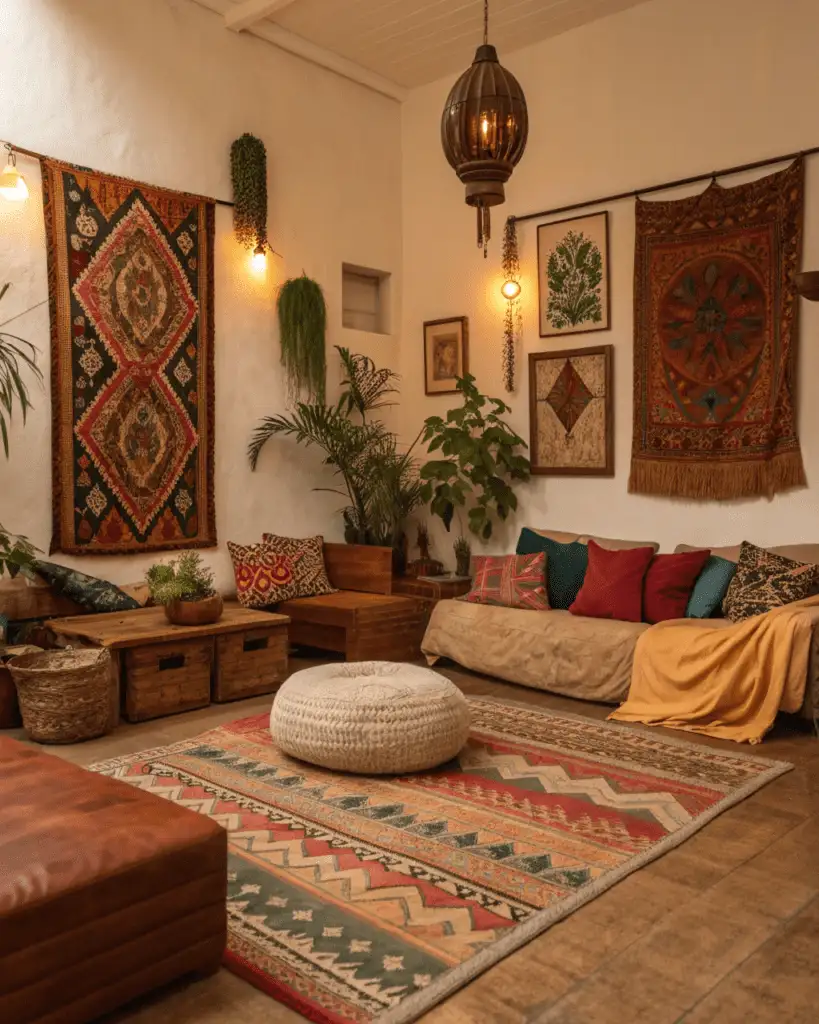
Not every art piece must be mounted. Leaning large canvases or placing sculptural objects at floor level introduces a relaxed, lived-in feeling.
Try:
- Large framed prints resting on the floor
- Floor-standing sculptural pieces crafted from natural elements
10. Maintain Minimalist Surroundings Around the Art
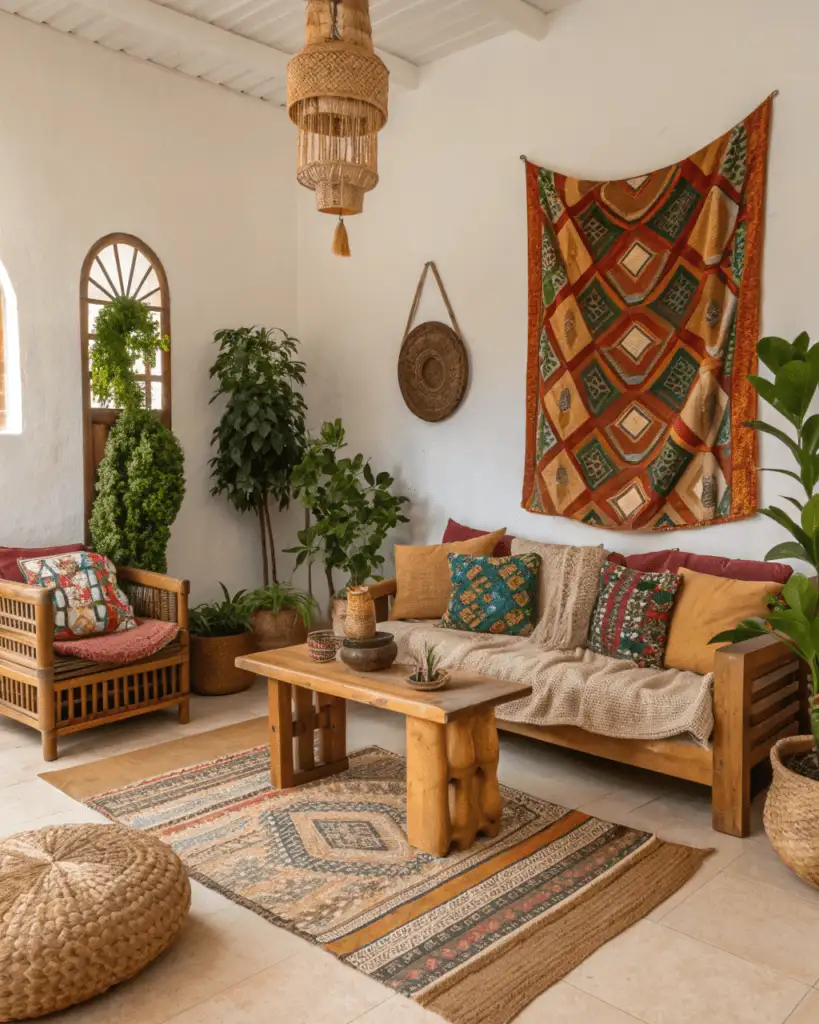
Allow your art to breathe by minimizing other decor and accessories nearby.
Limit furnishings to essentials like:
- A simple side table
- A cozy throw or textured cushion
11. Use Purposeful Lighting to Enhance the Artwork
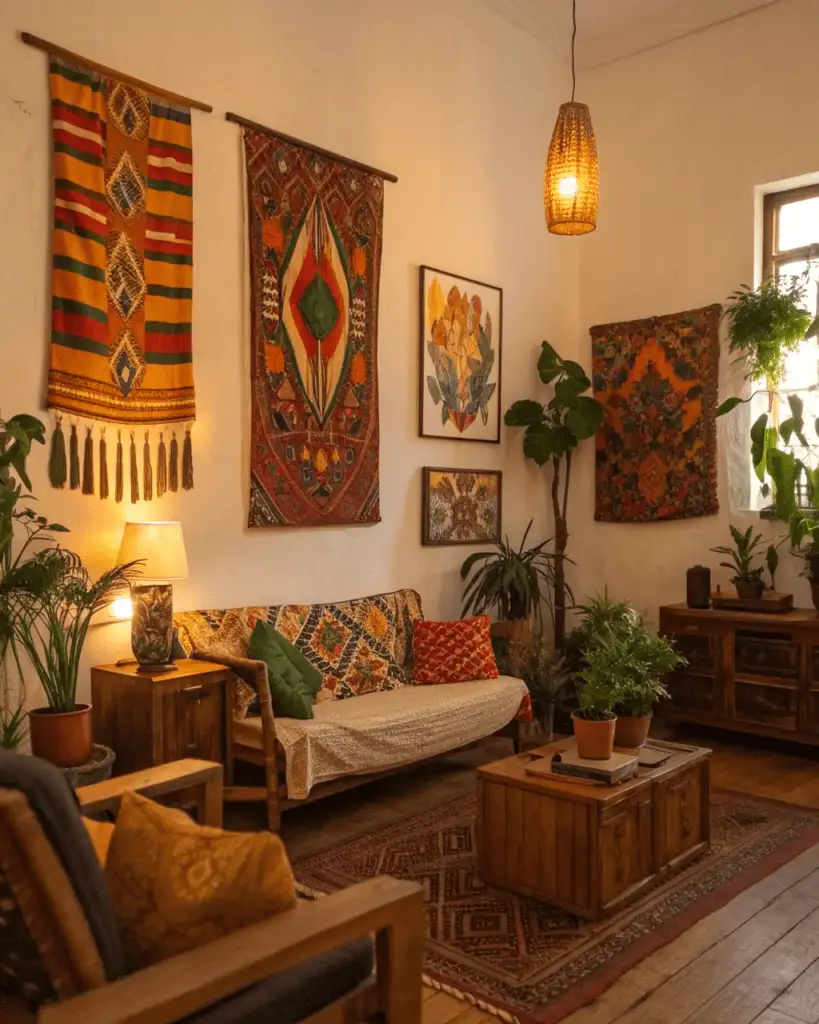
Appropriate lighting accentuates the texture and details of your art, allowing it to dominate the room.
Incorporate:
- Gentle wall washers
- Warm directional spotlights
12. Select Artwork with Deep Cultural or Personal Significance
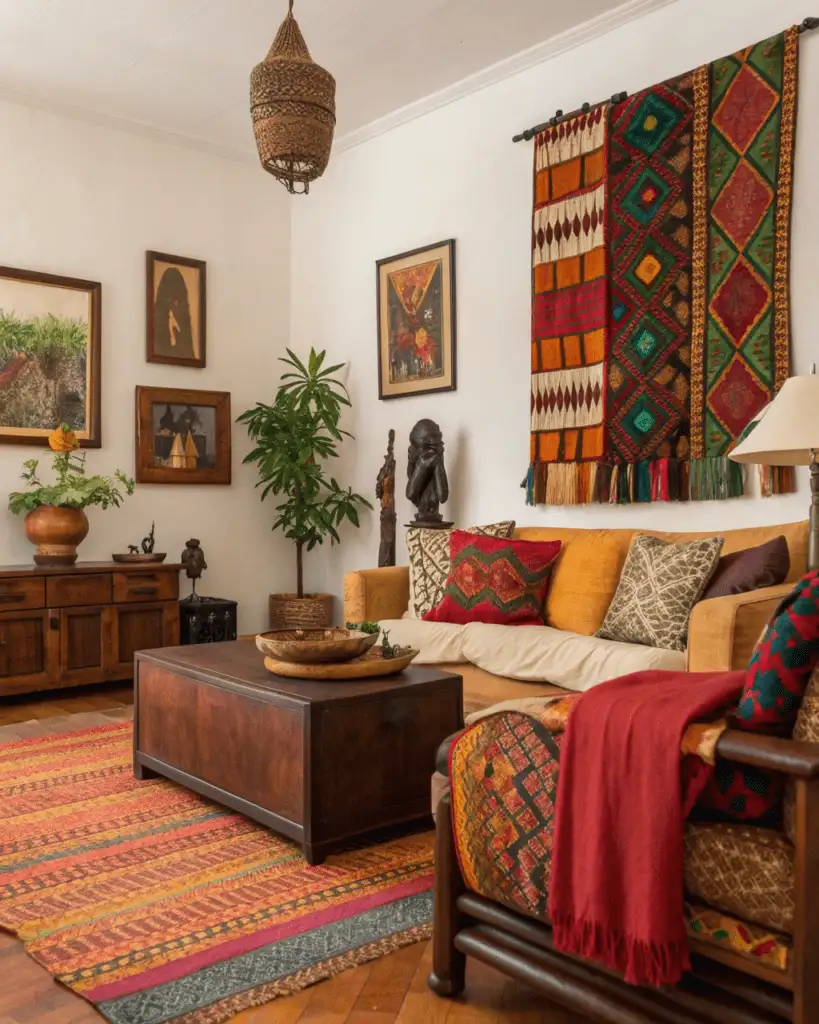
Art that carries meaningful stories or cultural symbolism imbues your space with lasting value.
Prioritize:
- Motifs steeped in tradition
- Pieces narrating personal or cultural histories
13. Replace Traditional Headboards or Sofa Backdrops with Art
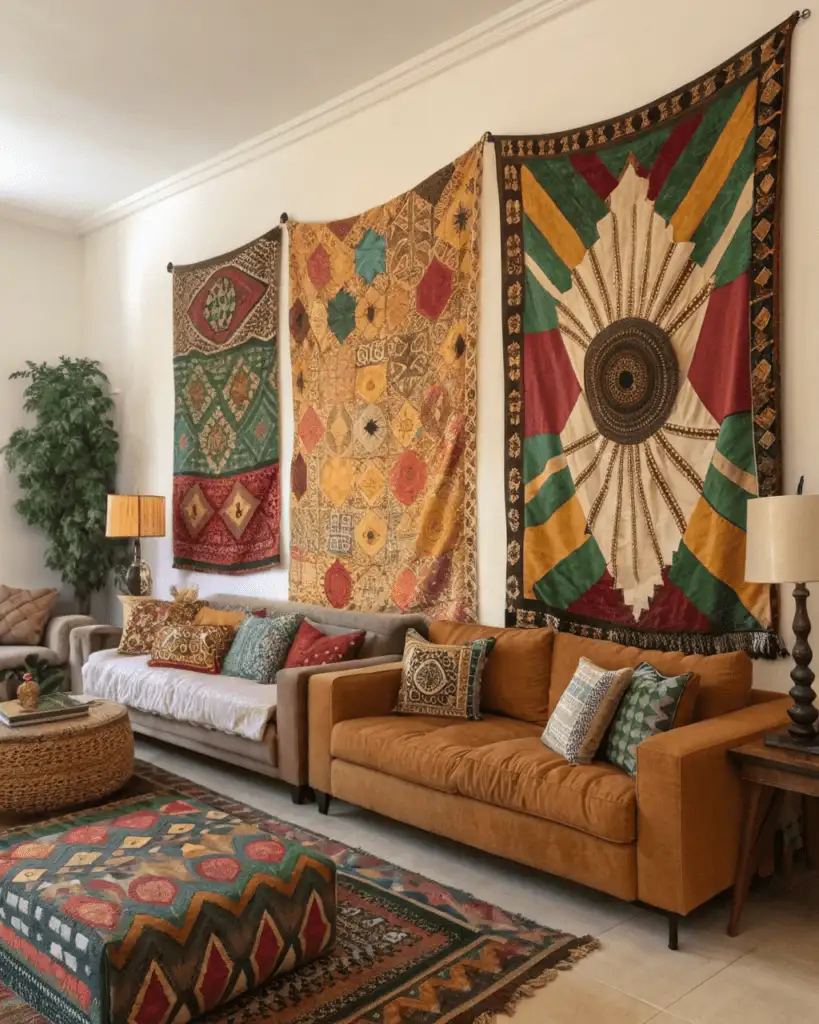
Use large art pieces as focal backdrops in place of conventional headboards or sofa quads, defining distinct zones within the room.
Try:
- Expansive woven textiles positioned behind beds
- Statement canvases or carvings above sofas
14. Mirror Art Palette in Subtle Accents for Unity
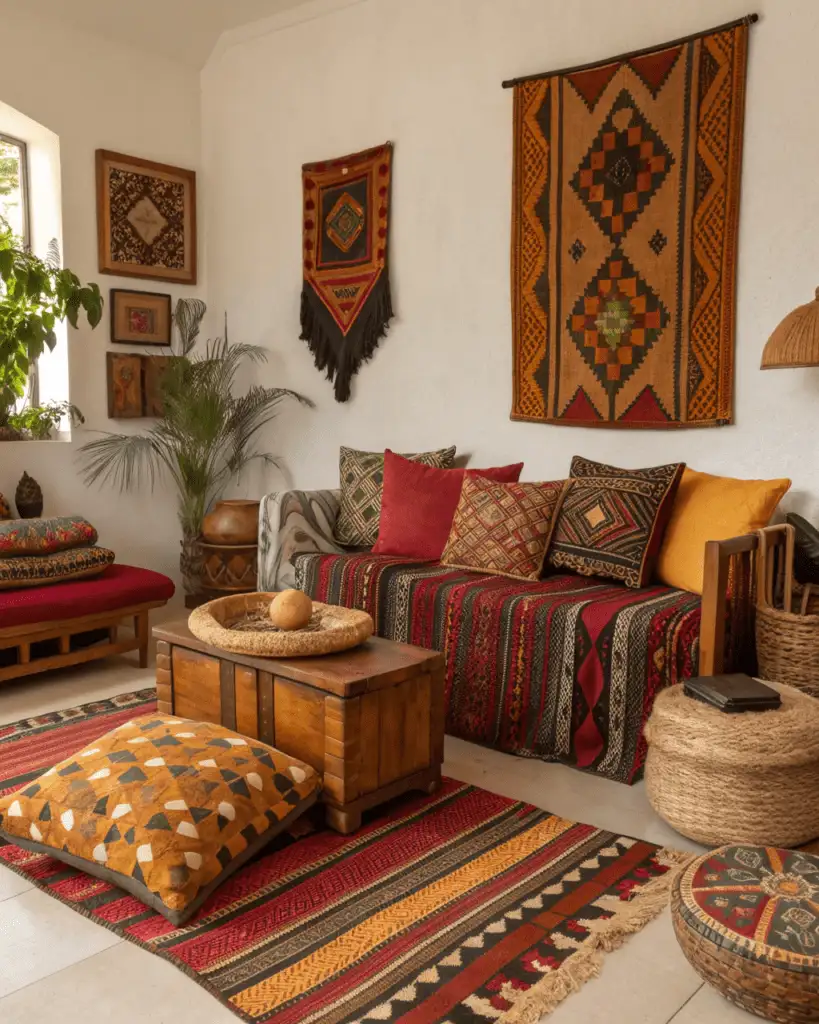
Reintroduce colors from your main artwork within smaller decorative elements to foster a harmonious composition.
Consider repeating:
- Cushion and pillow hues
- Throws or area rug patterns
15. Maintain an Open, Airy Layout to Elevate Art’s Impact
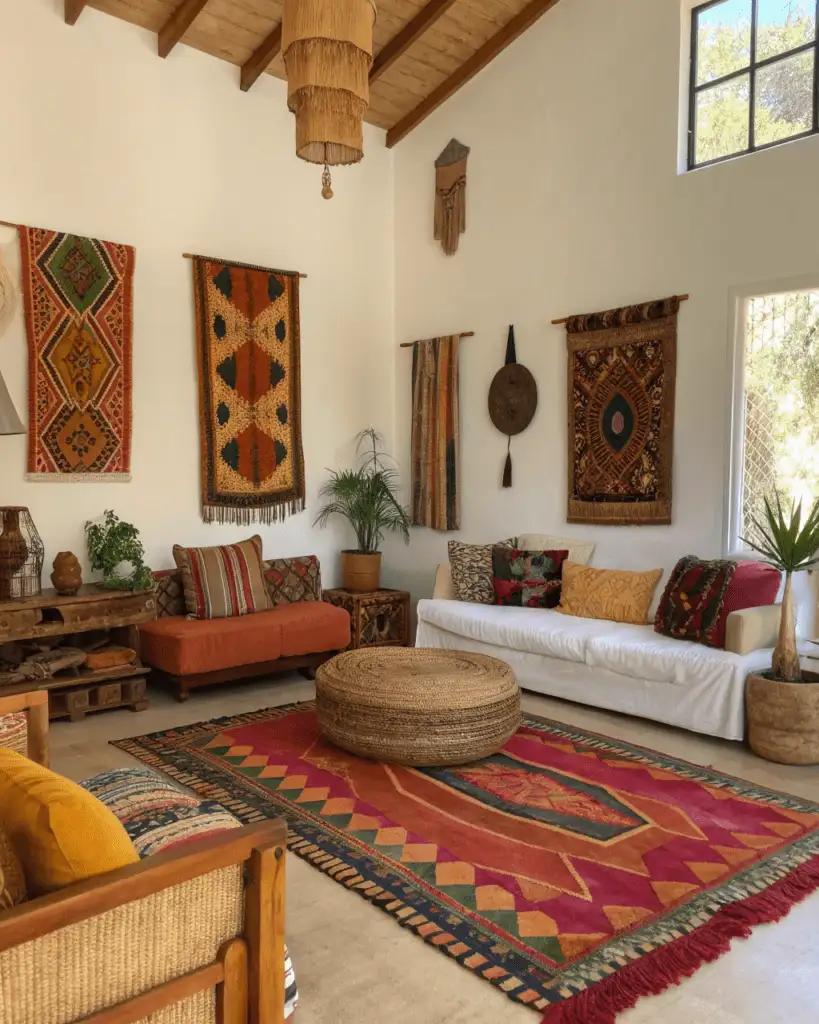
An uncluttered arrangement with clear sightlines amplifies the visual prominence of your centerpiece art.
Aim for:
- Open spaces without overcrowding
- Minimal grouping of essential furniture
16. Utilize Sculptural Art as a Functional Architectural Element
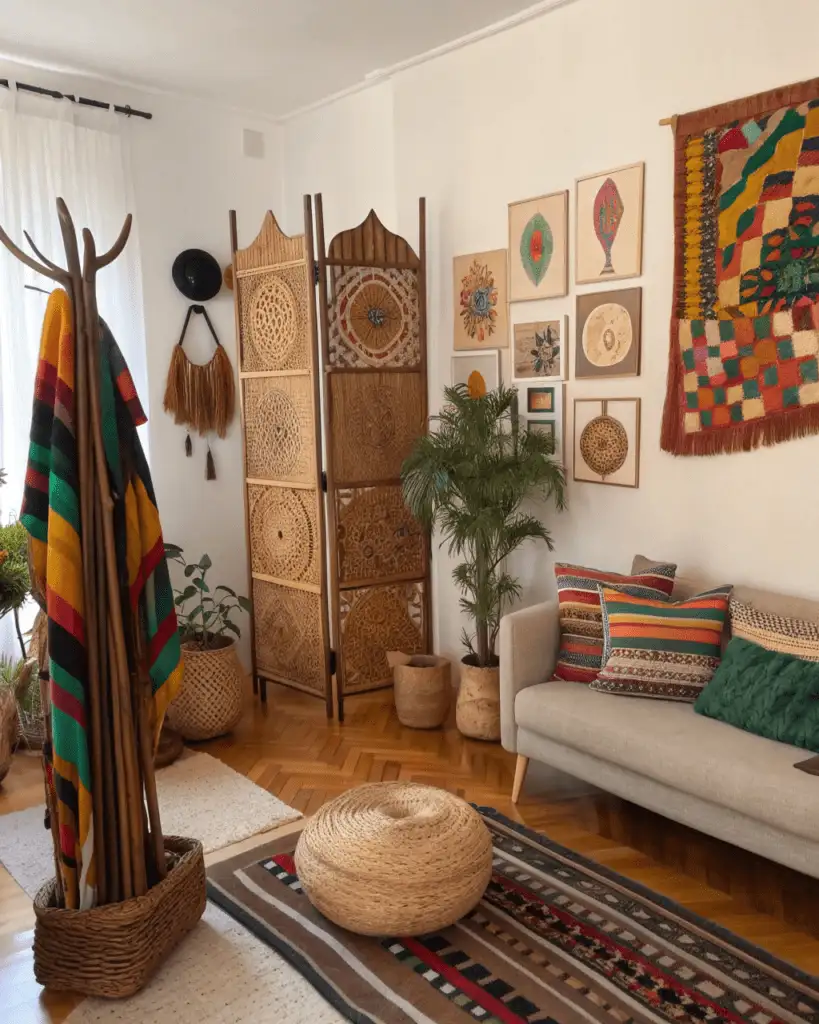
Art doesn’t only decorate—it can literally carve out and define space within an interior.
Examples include:
- Independent decorative panels
- Three-dimensional sculptural screens
17. Edit Out Any Elements That Distract from Your Art
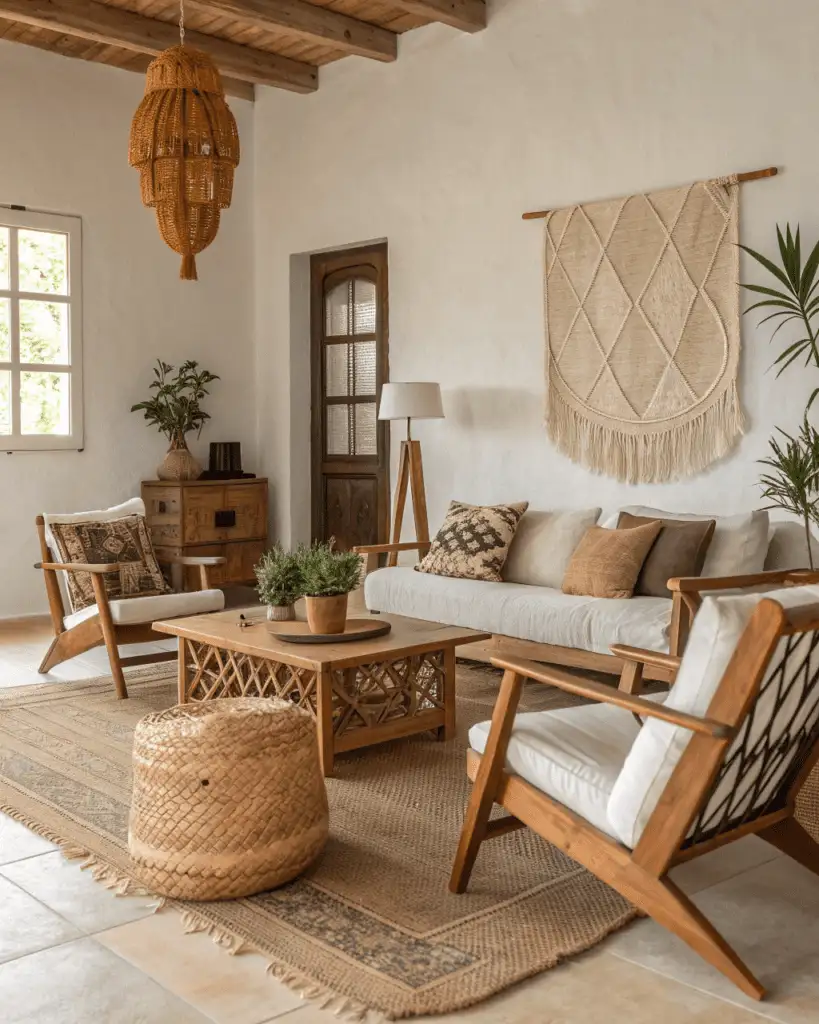
Maintaining restraint in your decor choices ensures that the artwork remains the undiluted focal point.
Remove:
- Unnecessary decorative objects
- Distracting colorful accents or clutter
Closing Insights
Afrobohemian interiors truly come alive when art is elevated to the forefront. Allowing each piece room to breathe, pairing with natural materials, and minimizing competing décor achieves a vibe that is both expressive and grounded. This approach creates spaces that feel timeless and culturally rooted, rather than swayed by fleeting trends.
FAQs
What styles of art complement Afrobohemian homes best?
Highly textured, handmade, and culturally meaningful artworks resonate most profoundly within Afrobohemian settings.
Is a single artwork capable of defining the whole room’s feel?
Absolutely. When the space is deliberately designed around one standout piece, it can unify and dictate the room’s entire mood.
Are gallery walls recommended in Afrobohemian designs?
Typically not; focusing on one or two impactful artworks creates a stronger visual statement than multiple smaller pieces cluttering the space.
Which color schemes harmonize best with Afrobohemian artwork?
Natural earth tones such as clay, sand, rust, and warm neutrals complement Afrobohemian art excellently.
Is colorful art essential in Afrobohemian interiors?
Not necessarily. Often, textured or symbolic pieces provide deeper meaning and visual interest beyond just color.
What’s the simplest strategy for letting art lead the design?
Remove distracting elements and choose simplified, understated furniture to give your artwork maximum presence.