Clever Farmhouse Pantry Inspirations & Space-Efficient Laundry Room Storage Solutions

Integrating advanced technology with everyday household tasks has revolutionized how we design multifunctional spaces. The evolving concept of a smart pantry combined with a laundry area centers on enhancing convenience, introducing automation, and embracing minimalist aesthetics. Features like motion-activated lighting, intelligent shelving solutions, and climate-controlled compartments help maintain food freshness while streamlining laundry operations. The design often includes custom cabinetry with built-in appliances to promote a seamless, cohesive workflow.
When planning such a design, concealing storage behind tall panels, such as hidden shelves for detergents and pantry goods, offers a clutter-free look. Innovative drawers featuring digital tags or sensor-activated lights ensure that food items and laundry supplies remain distinctly organized. Utilizing a durable quartz countertop doubles as a folding station and food prep surface, maximizing functionality within a compact layout.
From personal experience, combining these intelligent design elements not only creates an attractive environment but significantly optimizes daily routines. Recent home renovation studies reveal a growing trend towards combining laundry and pantry spaces, with over 40% of remodels incorporating multipurpose zones. This is ideal for modern households that prioritize order and technological efficiency.
1. Rustic Charm Meets Function: Farmhouse Pantry-Laundry Fusion
The farmhouse-inspired combo room brings warmth and a welcoming atmosphere to a practical area of the home. My preferred elements include reclaimed wood finishes, open shelving units, and a soothing palette featuring creams, earthy taupes, and muted greens like sage. This blend of rustic and updated aesthetics creates a cozy yet functional environment perfect for those who want farmhouse-inspired pantry in laundry room ideas.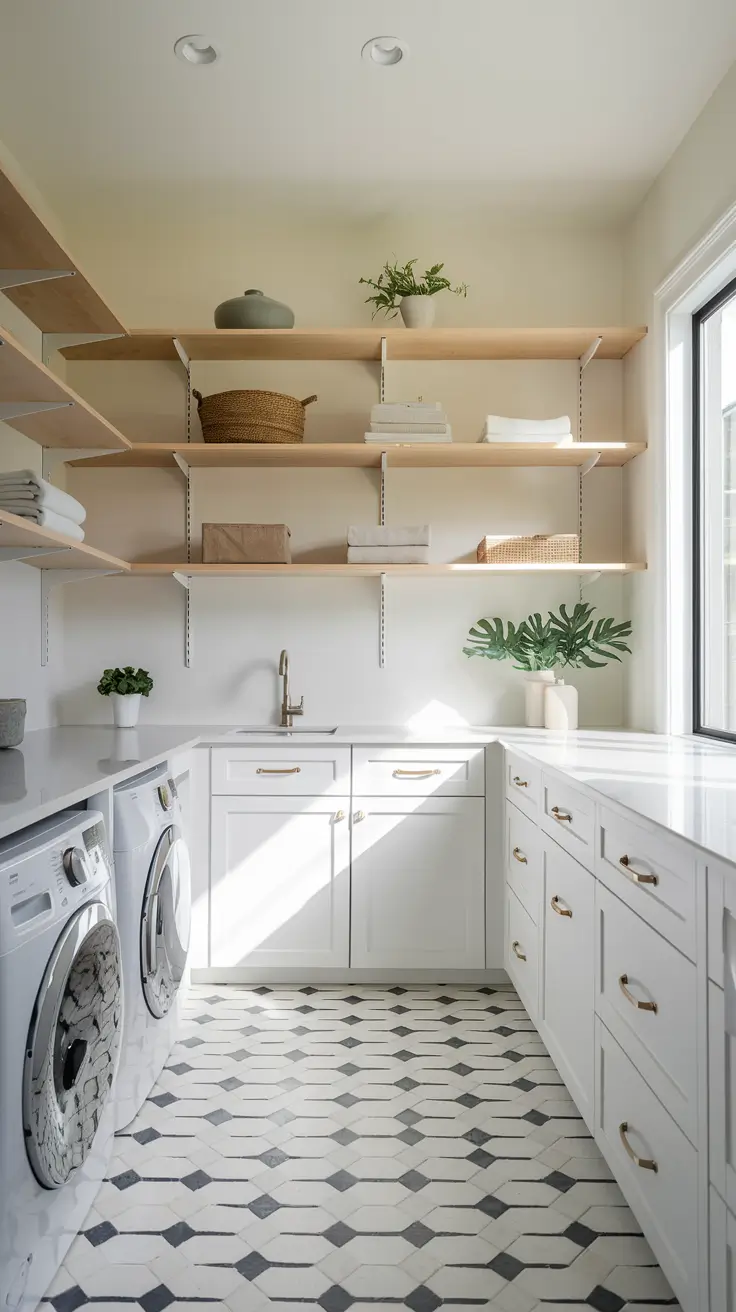
Sliding barn doors often delineate the food storage from laundry zones, while woven baskets on open shelves facilitate effortless sorting. A large ceramic farmhouse sink with matte black fixtures adds functional appeal and farmhouse character simultaneously.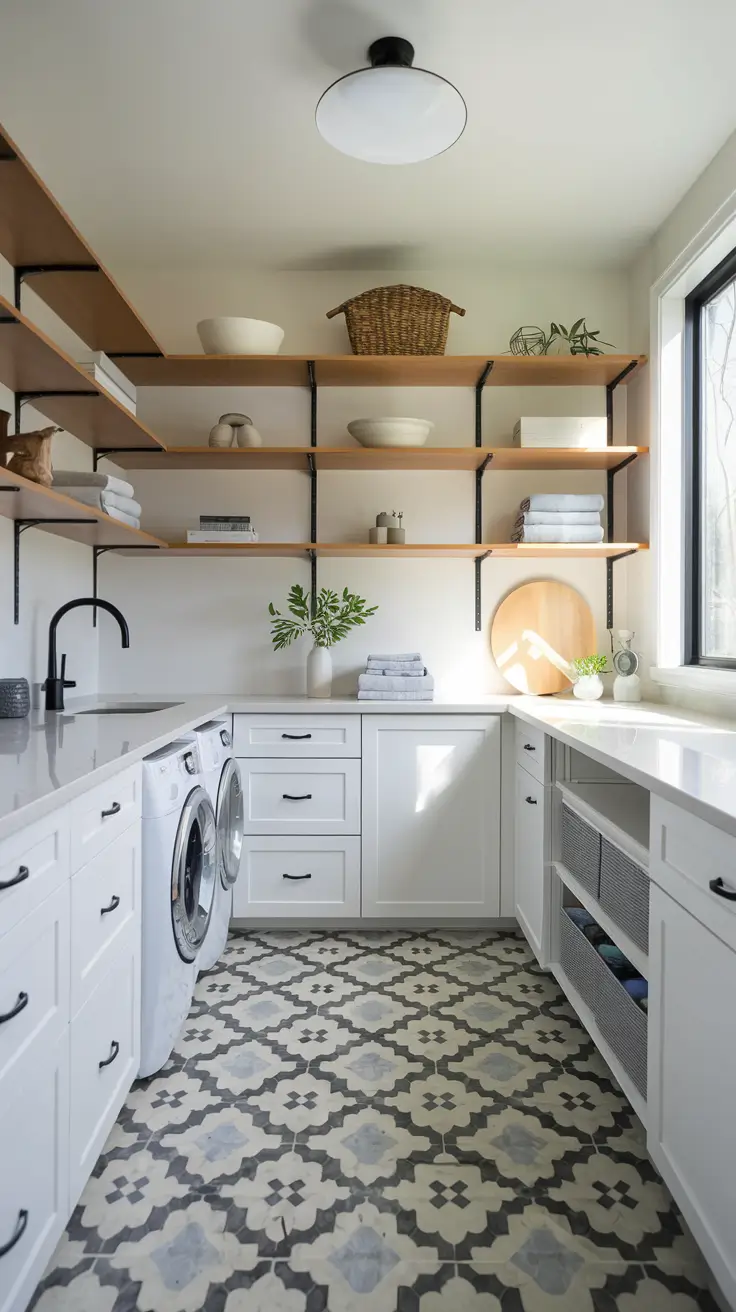
This design style is rooted in authenticity. Influencers like Joanna Gaines advocate for spaces that feel lived-in yet remain immaculate. Minimal adornments such as mason jar pendant lights, functional wall hooks, and butcher block countertops maintain rustic charm without overwhelming the room.
Choosing durable wood treatments resistant to humidity is essential when combining pantry and laundry functions. Hardware crafted from moisture-proof metals will withstand daily wear while preserving the authentic feel.
2. Efficient Food Storage in Dual-Purpose Laundry Rooms
Storing food within laundry areas requires strategic separation from heat and moisture sources. I recommend adjustable, vertical pantry cabinetry optimized for narrow spaces to accommodate diverse storage needs.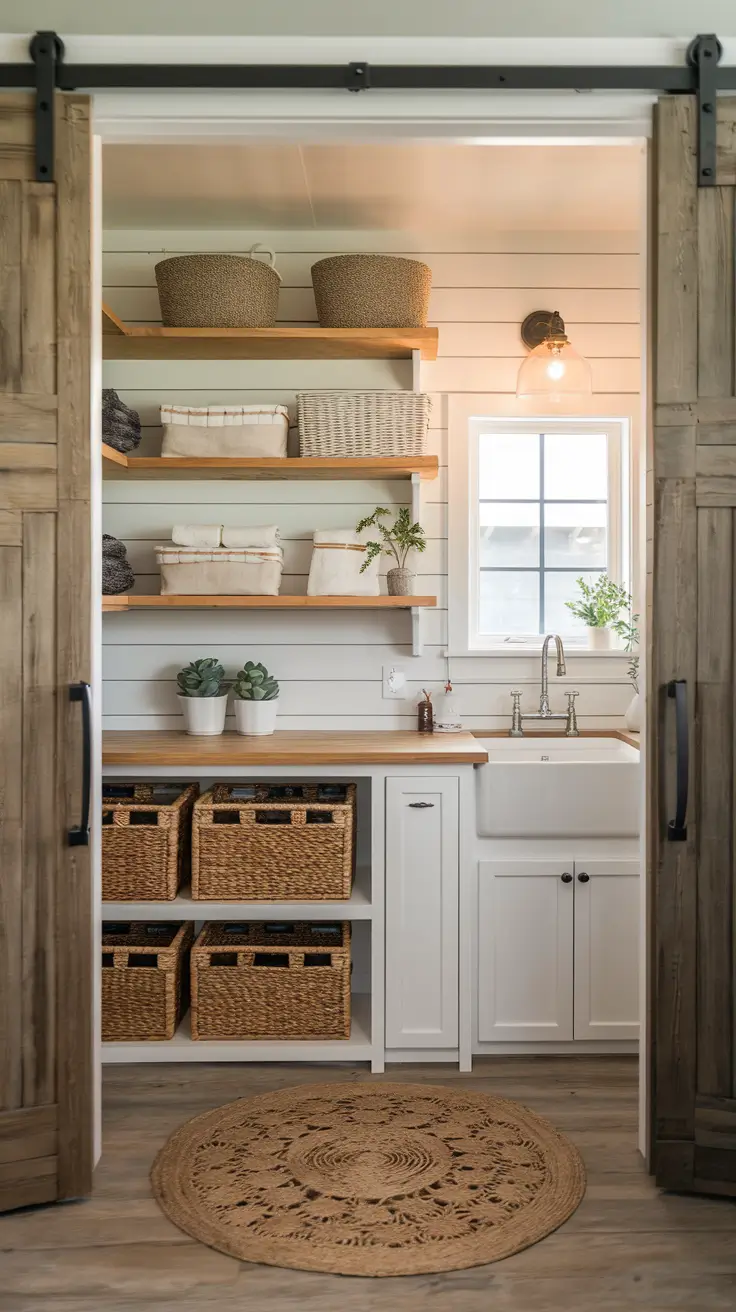
Sealed food containers paired with sliding dry goods drawers help keep pantry items fresh while preventing mingling with laundry products. An integrated mini-fridge or beverage cooler offers added versatility for storing perishables. Proper ventilation is crucial to guard against odors and moisture build-up.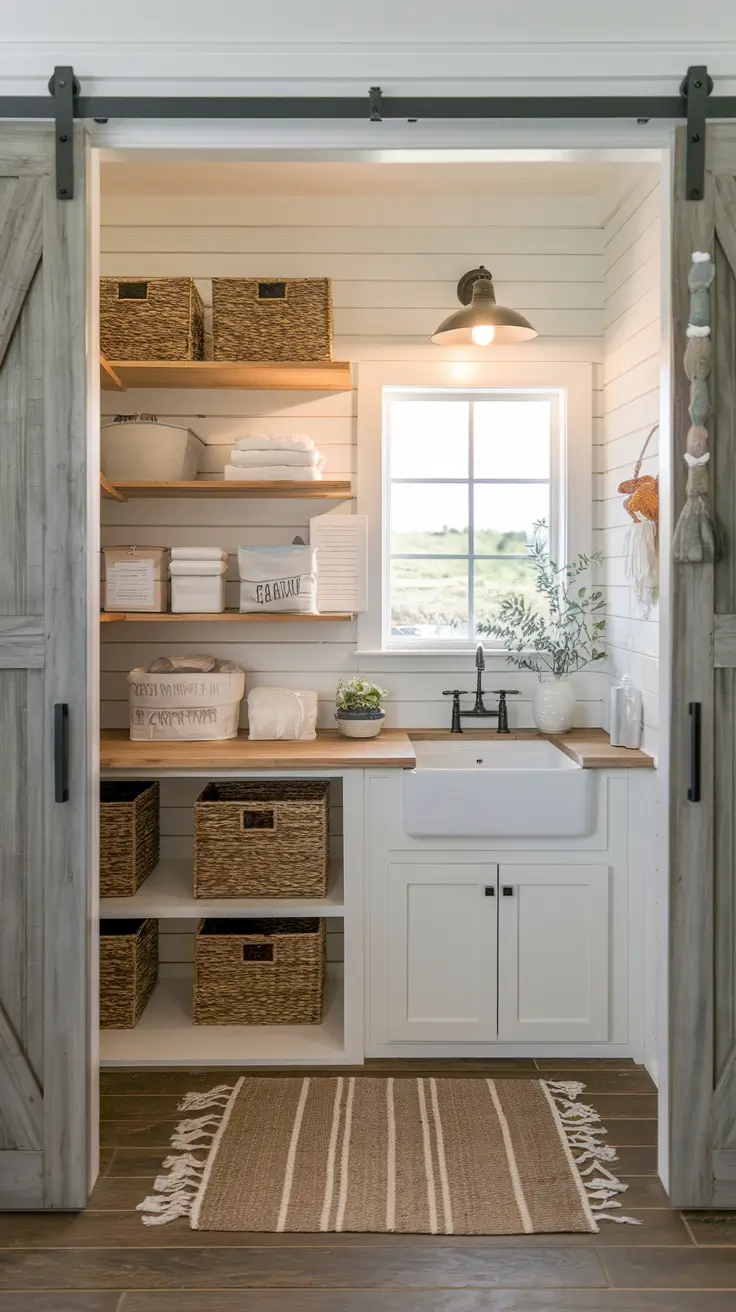
From my perspective, organization is paramount. Experts suggest clearly labeling all containers to maintain order and avoid cross-over mess. This straightforward practice ensures the two functional areas coexist without clutter.
Implementing moisture-resistant surfaces and temperature control within cabinetry greatly prolongs storage life and preserves product integrity.
3. Fresh Take on Modern Farmhouse Elements
Farmhouse style remains timeless and fits elegantly into a combined pantry-laundry scheme. I enjoy mixing natural textiles and wood with sleek contemporary materials like quartz countertops and crisp subway tile backsplashes.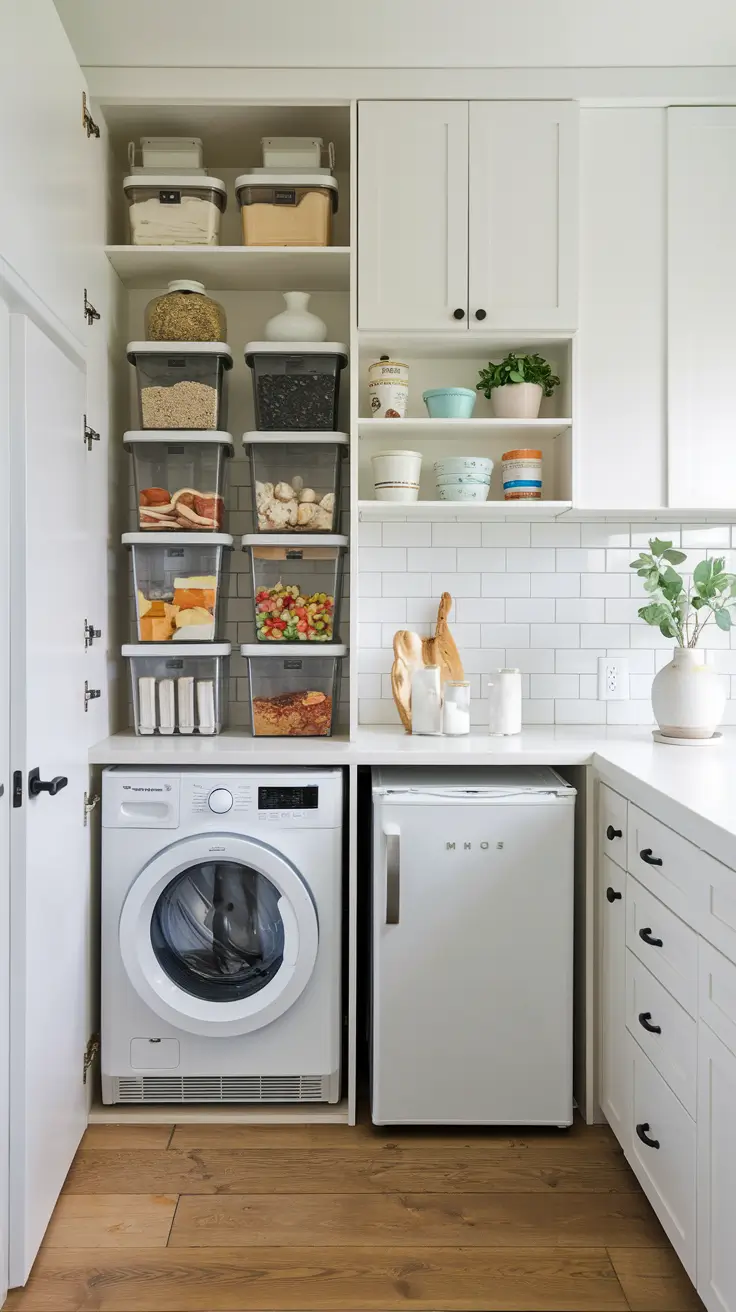
Consider shaker-style cabinetry with matte black hardware, open shelving, and rustic sliding doors to anchor the design. A practical island or folding station offers ample prep space. White subway tiles help bounce light, making the area feel open and vibrant.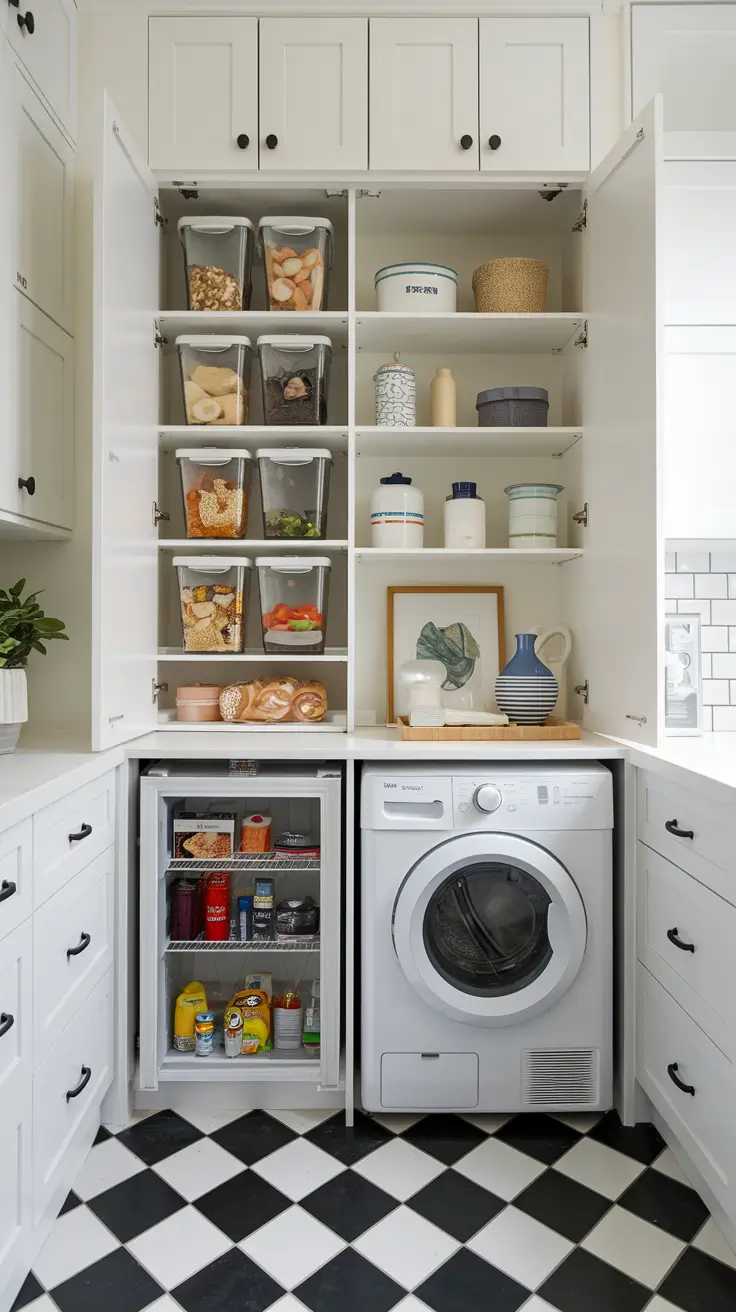
The result is a seamless blend of comfort and sophistication. Design authorities endorse combining warm wood tones with muted matte finishes to keep the look fresh without feeling outdated.
Incorporating modern appliances that complement wooden cabinetry enhances both style and functionality, making the space more cohesive.
4. Smart Layouts for Pantry-Laundry Combinations
Logical zoning is fundamental when dividing a dual-purpose room. Positioning washers and dryers along one wall and pantry storage opposite creates balance and efficient movement. Common layouts include L-shaped or galley designs to optimize workflow.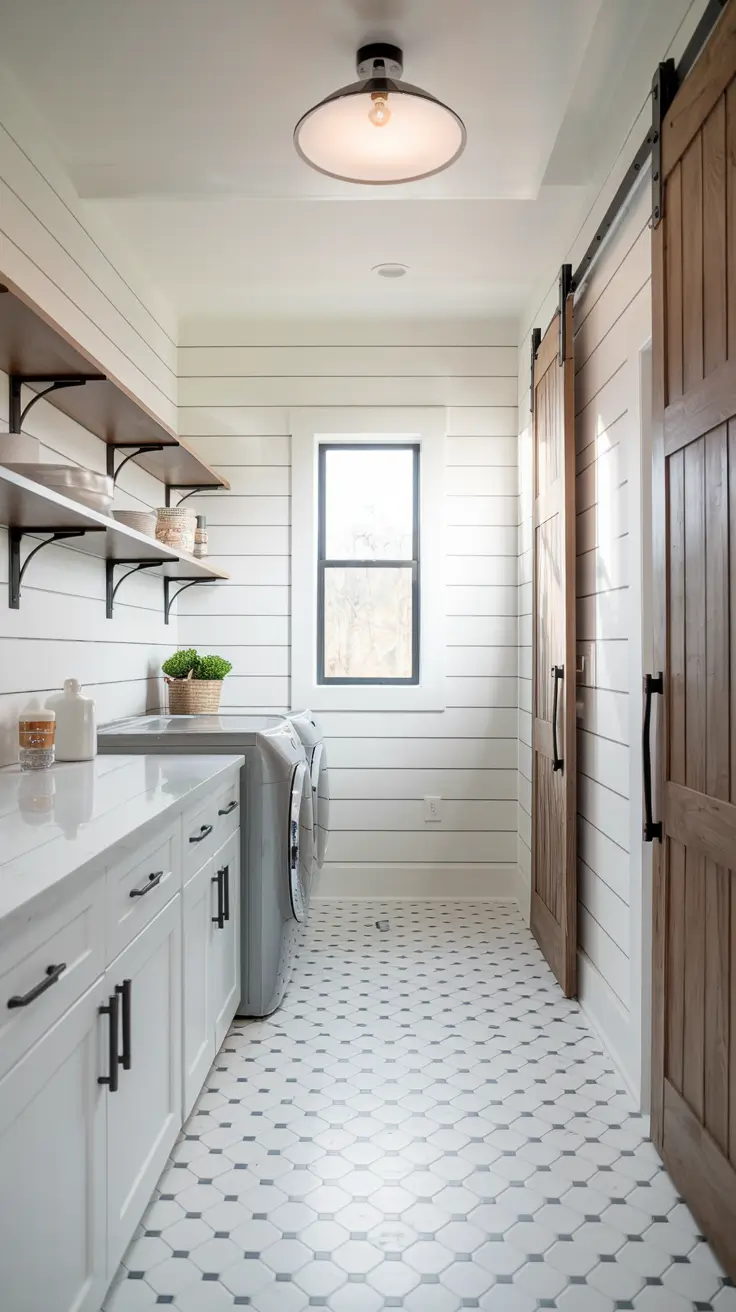
Installing floor-to-ceiling cabinets on one side for food storage, with open shelves for laundry essentials on the other, aids in clear separation. A central countertop serves multi-functional roles for folding laundry and food preparation, while concealed storage helps maintain visual calm.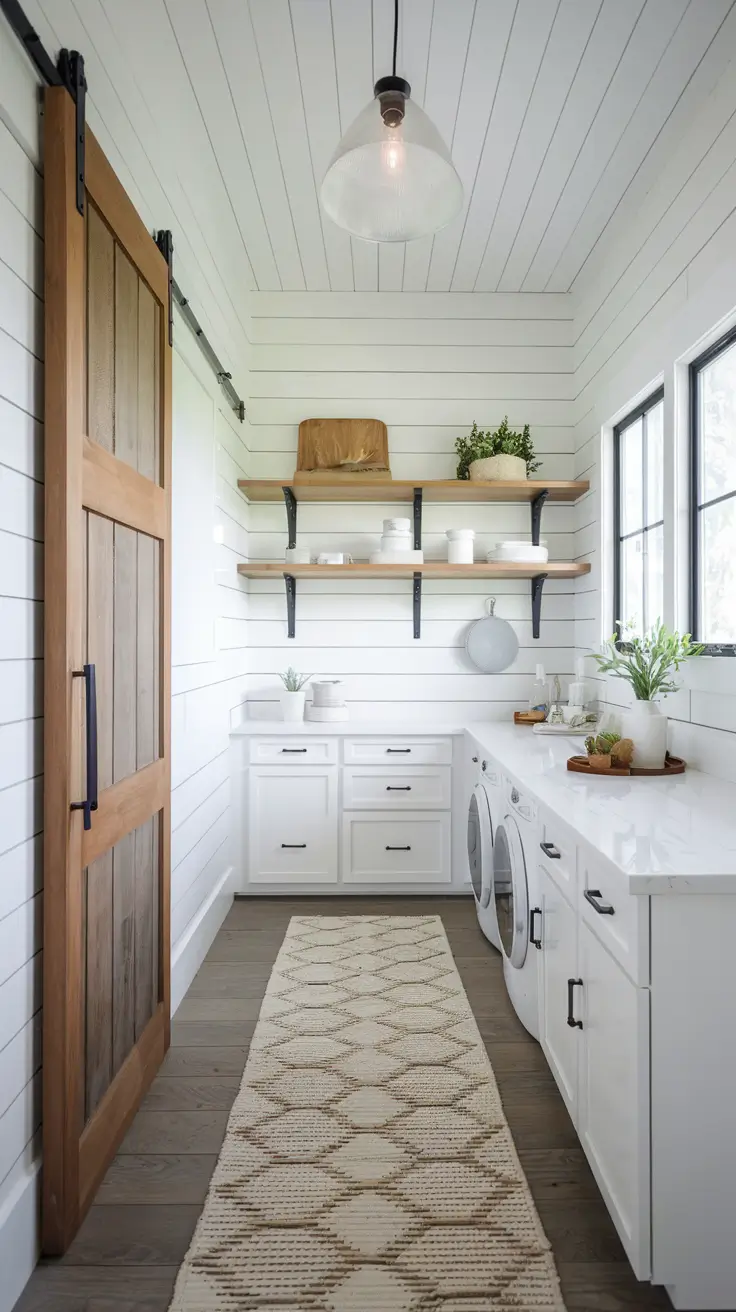
Lighting is a key design element — under-cabinet task lights combined with ambient ceiling fixtures expand the visual scope of the space and enhance usability.
Using contrasting color schemes for pantry and laundry zones can visually define areas without erecting barriers, maintaining openness.
5. Space-Savvy Pantry-Laundry Solutions for Compact Areas
Small spaces demand clever vertical storage strategies. Utilizing tall shelving units, overhead racks, and mobile drawers maximizes utility without overcrowding.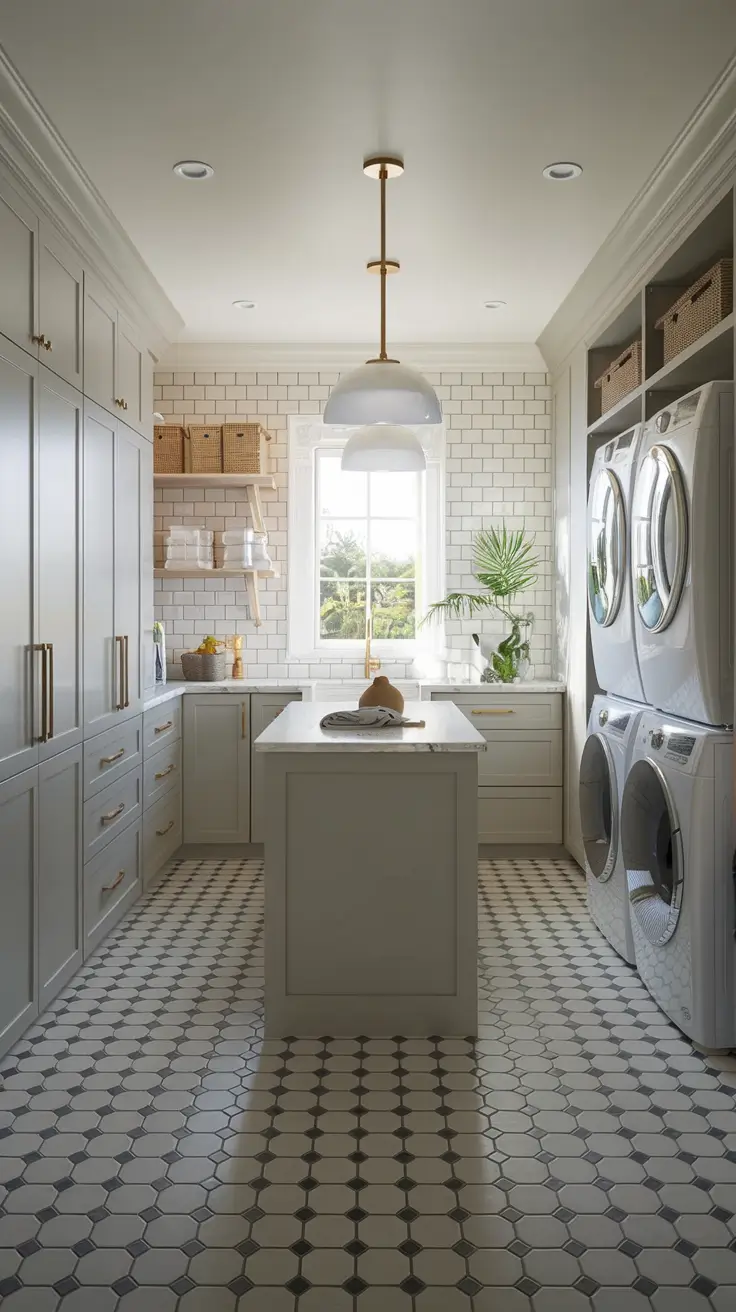
Slim, foldable baskets and wall-mounted cabinets create accessible storage while mirrored doors visually enlarge the area. Light neutral hues like white, beige, and pastel green further enhance the sense of space.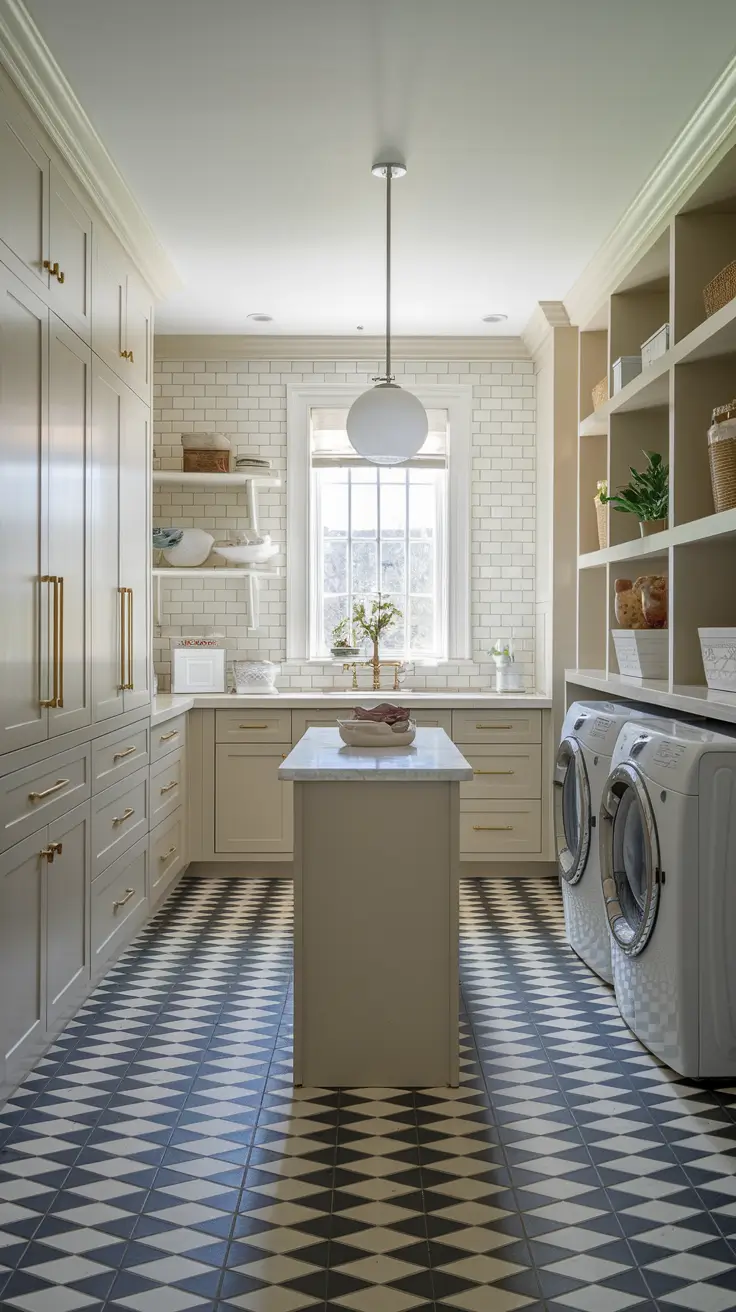
Adopting a “less is more” philosophy is crucial. To add warmth to compact interiors, designers suggest functional decor such as hanging plants or woven storage bins that serve dual purposes.
Modular furniture options—like stackable shelves or fold-away tables—offer customizable solutions perfect for limited footprints.
6. Maximizing Utility with Extra Storage Features
Integrating additional storage elements transforms a basic laundry-pantry setup into a productivity hub. Incorporating built-in niches, concealed dressers, and overhead shelving for less-frequent use items optimizes every inch.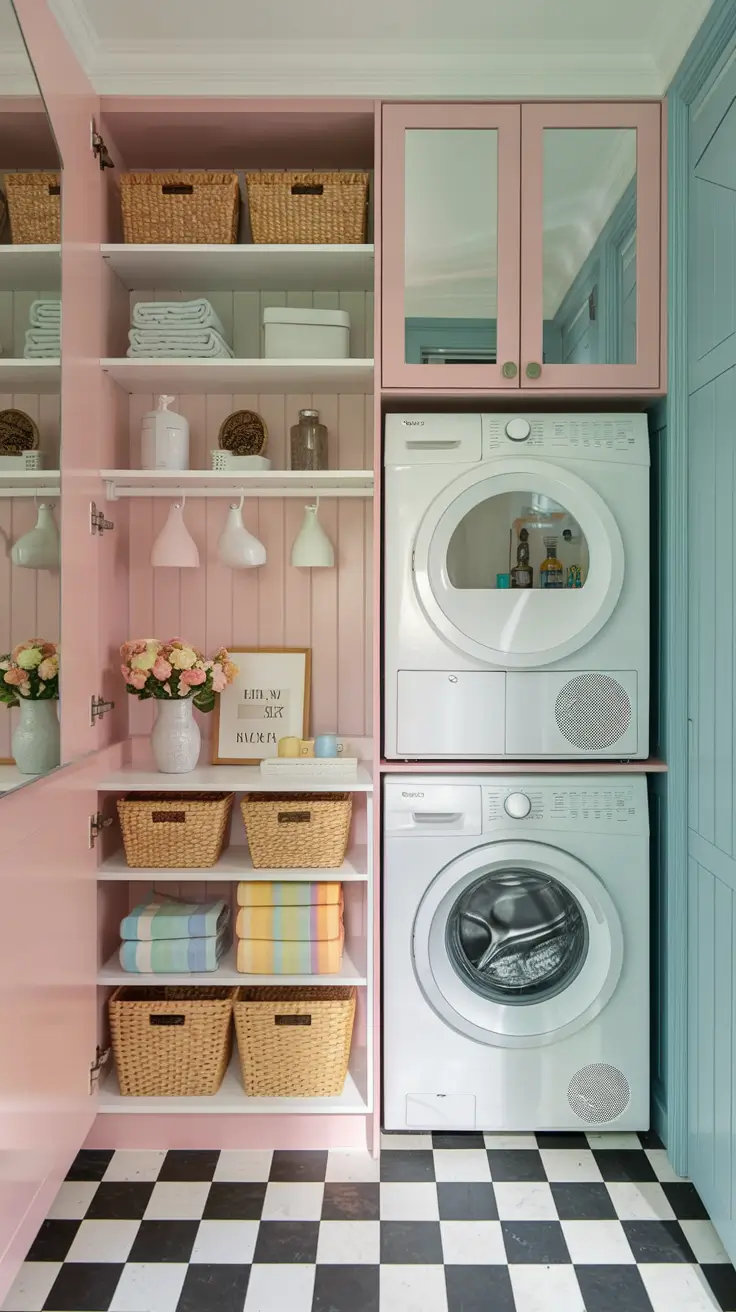
Large cabinets can store bulk detergents, while open shelves house daily pantry essentials. Custom two-compartment cabinetry allows for categorizing food and cleaning supplies separately. Labeled containers and color-coded systems maintain a streamlined appearance.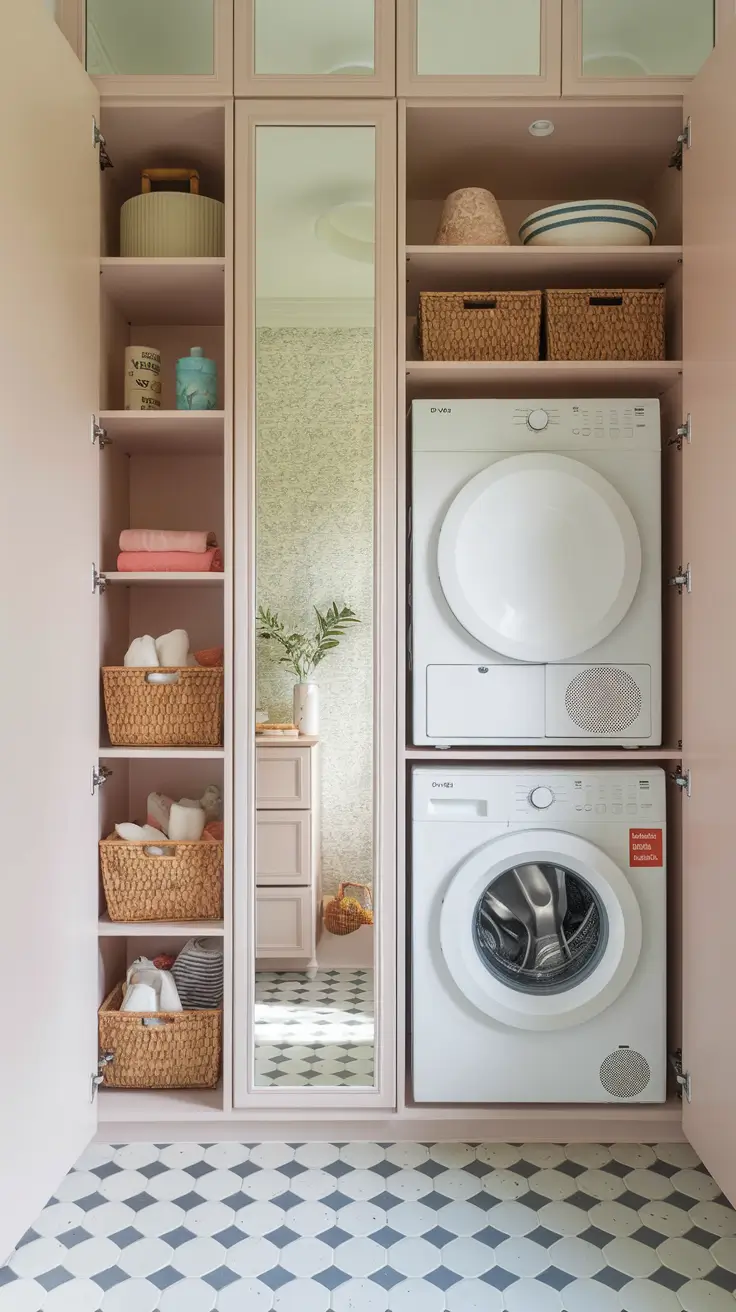
From my observations, such storage innovations reduce clutter and enhance the spaciousness of combined rooms. HGTV experts highlight concealed compartments and hidden drawers as vital to maintaining style amid functionality.
Emerging technologies such as sliding pantry panels or rotating corner units offer smart storage solutions adaptable to varying needs.
7. Trending Shelving Systems for Integrated Spaces
Shelving solutions are evolving towards flexible, multipurpose systems that can swiftly transition between storing edible goods and laundry products. I favor tall, open shelving towers with limited closed compartments to keep frequently used items accessible yet tidy. Popular materials include wood veneers combined with powder-coated steel for slim profiles that maximize light flow and space perception.
The choice of moisture-resistant wood laminates for shelves, adjustable steel uprights, and shallow rails for spices or stain removers creates sturdy, practical storage. Corner ladder shelves minimize unused areas, while above-appliance baskets provide convenient drop zones. Narrow cabinets with vertical dividers accommodate trays, cutting boards, and folding mats, helping keep layouts orderly.
Open shelves are particularly effective when sections are labeled clearly. Storing heavy detergents and bulk food on lower shelves with lighter items up top aligns with ergonomic principles. Task lighting installed beneath shelves encourages usage and maintenance of organization.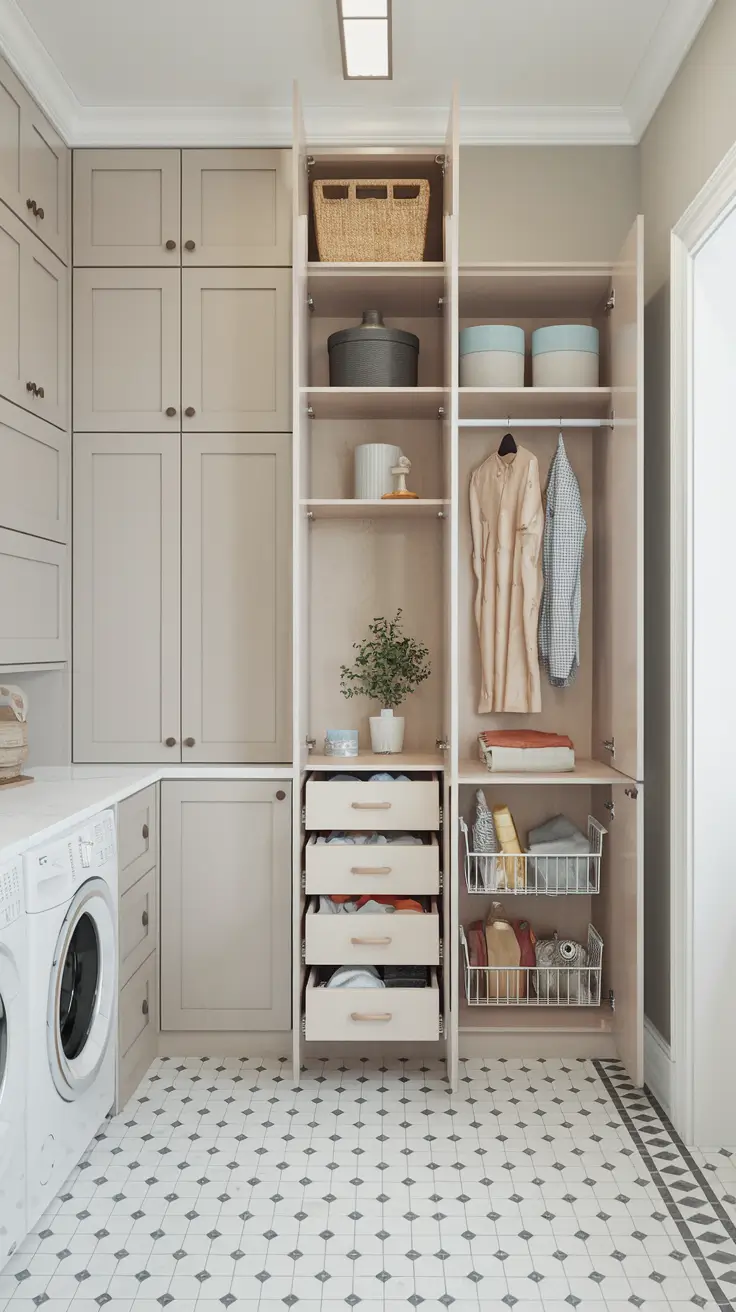
Adding a rail-and-hook system for lint rollers, hand brooms, and lidded bins for pet food or bulk grains prevents moisture invasion and maintains order.
8. Walk-In Pantry & Laundry Combinations: Functional Elegance
When space permits, I design walk-in pantry-laundry combos resembling compact kitchen service areas. Along one wall, washers and dryers sit beneath a continuous countertop for sorting and folding. The opposite wall hosts deep pantry shelving with preparation zones modeled after butler’s pantries. This layout promotes airflow and purposeful separation of functions.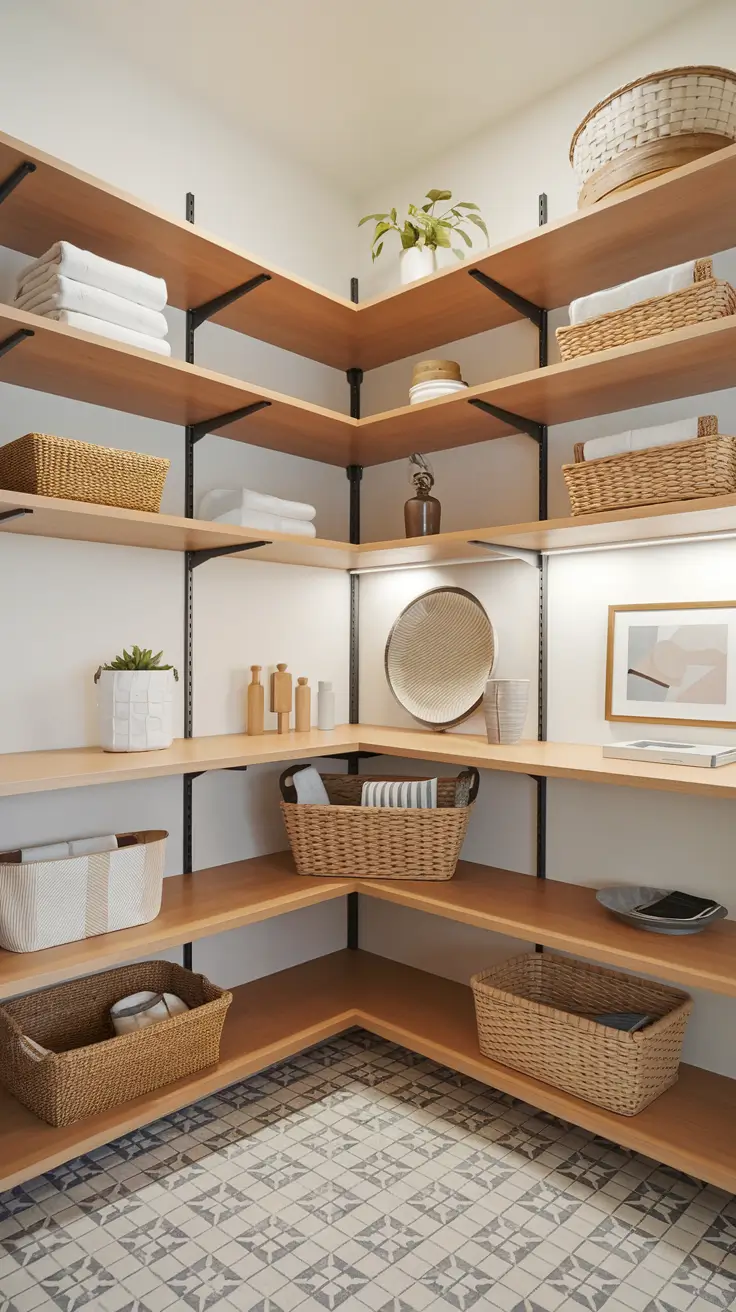
Tall cabinet towers face the appliance bank, with open shelves and pull-out baskets inside the walk-in. Corner carousel units optimize small corners, while shallow entry cabinets handle grab-and-go snacks or compact appliances. Seamless flooring and glass partition doors enhance the sophisticated feel.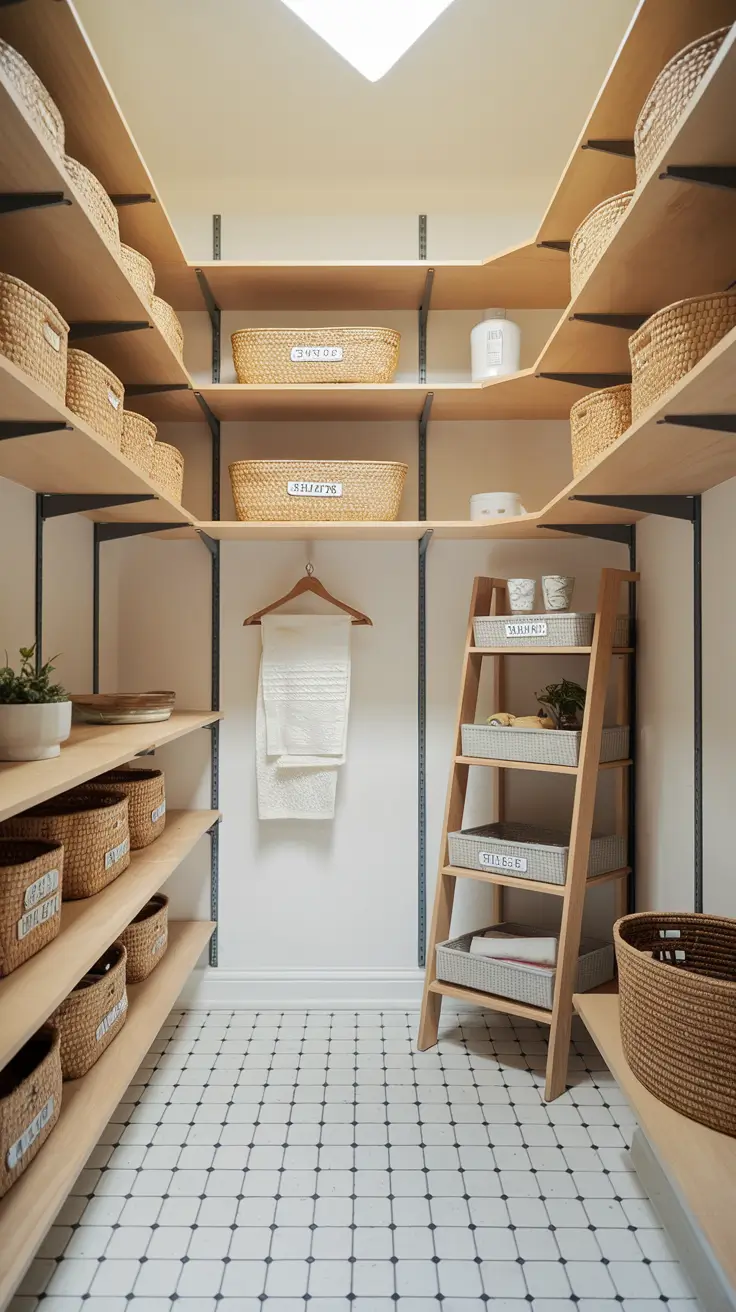
A calming palette of pale oak and soft grays creates a peaceful ambiance. Ceiling-mounted drying rails above counters reduce floor clutter and contribute to a luxury appearance not typical of utilitarian laundry rooms.
To ensure food storage safety, consider installing motion-sensor exhaust fans and compact dehumidifiers to combat laundry moisture intrusion.
9. Coffee Stations Within Pantry-Laundry Spaces
A thoughtfully integrated coffee bar enhances morning routines by uniting pantry, coffee prep, and laundry tasks seamlessly. Situated within the pantry to avoid splashing, a dedicated counter area houses mugs, snacks, and the brewing setup. This creates a relaxed, hotel-like atmosphere conducive to an efficient start to the day.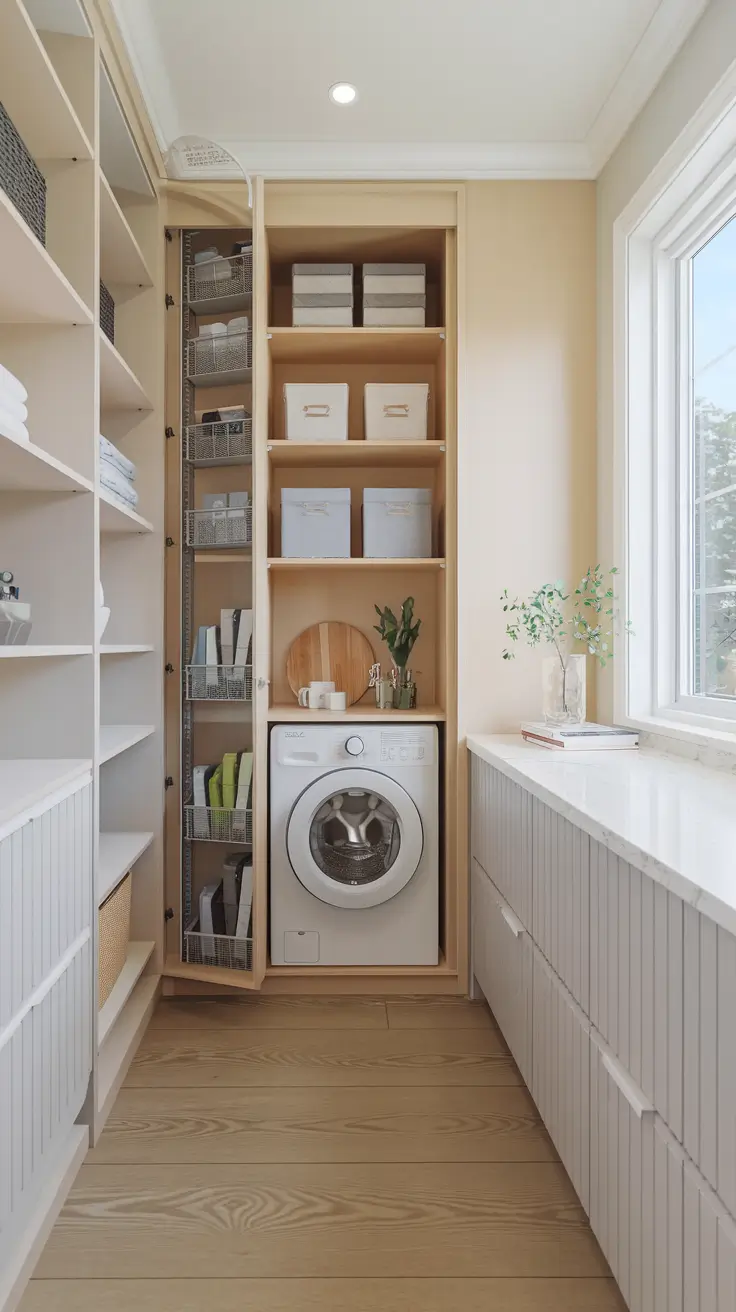
Concealed appliance garages store espresso machines and grinders, while drawer dividers keep pods, filters, and spoons neatly arranged. Floating shelves display coffee bean canisters and sugar, complemented by a mini sink with a bottle filler for easy cleanup. A compact under-counter fridge stores milk, and cabinets organize extra mugs and napkins.
Coffee station integration promotes organization, making breakfast items like granola jars and fruit bowls readily accessible near the bar.
To protect cabinetry from heat and steam, include heat-resistant pull-out trivets and stylish splashbacks behind the coffee area.
10. Butler’s Pantry Meets Laundry: Dual-Function Elegance
Merging a butler’s pantry with a laundry zone suits homes designed for entertaining, blending service and utility. A straight or L-shaped layout includes a prep counter, deep utility sink, and discreet storage for trays, linens, and serveware. Washer and dryer units can be hidden behind panel-ready fronts to maintain visual serenity.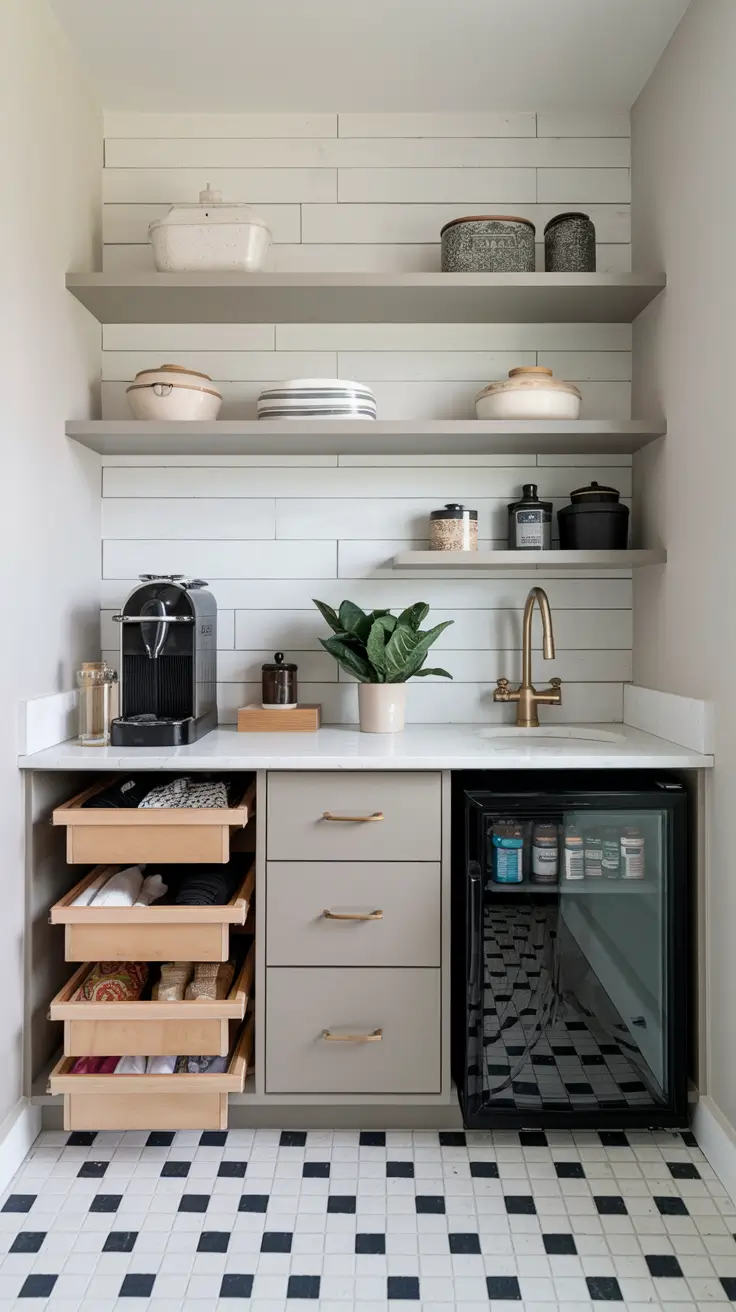
Tall cabinetry houses platters and linens, while open shelves store frequently used glassware. Durable waterproof stone countertops align with butler-style functionality. Features like drying rails for napkins and slim cabinetry for ironing tools create an efficient workspace.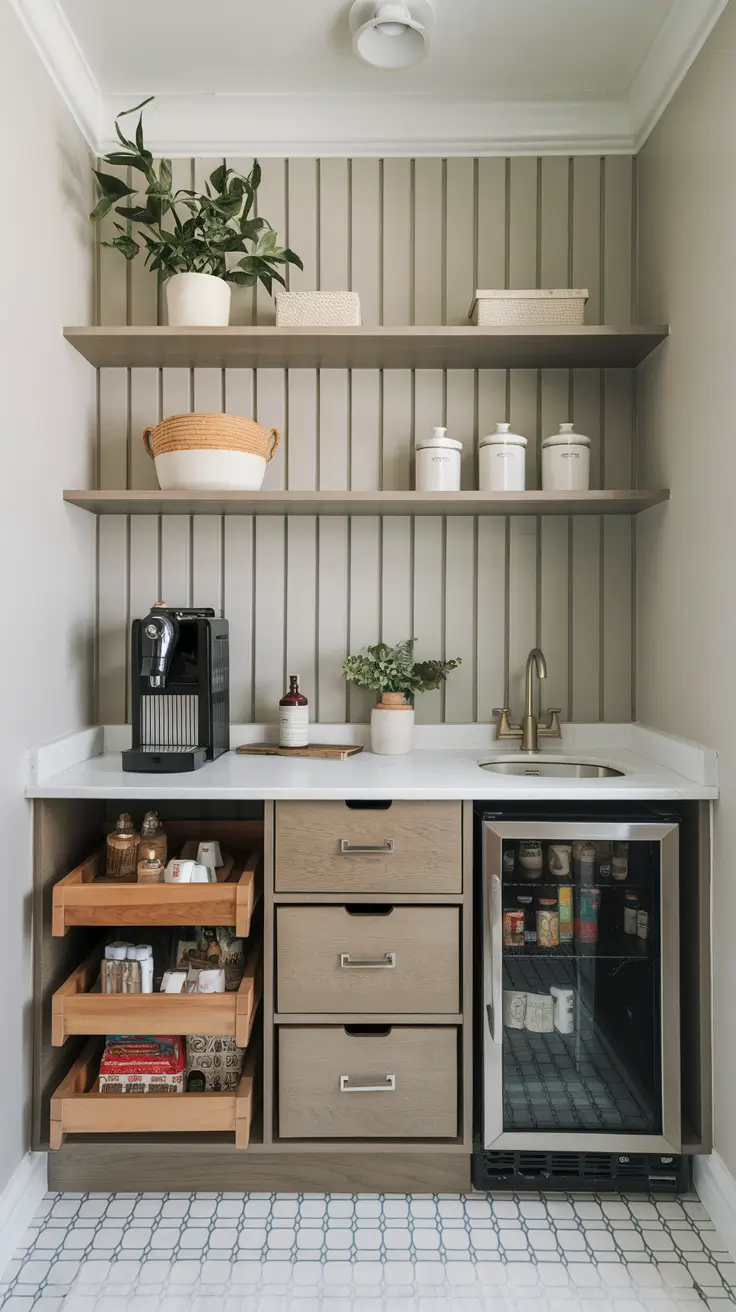
Soft-close hinges, task lighting beneath cabinets, and rolling carts facilitate quick buffets or cleanup. Adding warming drawers or insulated cabinets, discreetly placed, keeps dishware perfect during events.
11. Choosing the Ideal Cabinets for Dual-Purpose Rooms
The pallet from timeless farmhouse to sleek contemporary is largely defined by cabinetry choices in combined pantry-laundry spaces. Slender shaker cabinets fit perfectly in narrow zones, while flat-panel fronts with recessed handles complement modern aesthetics, preserving clean, uninterrupted lines.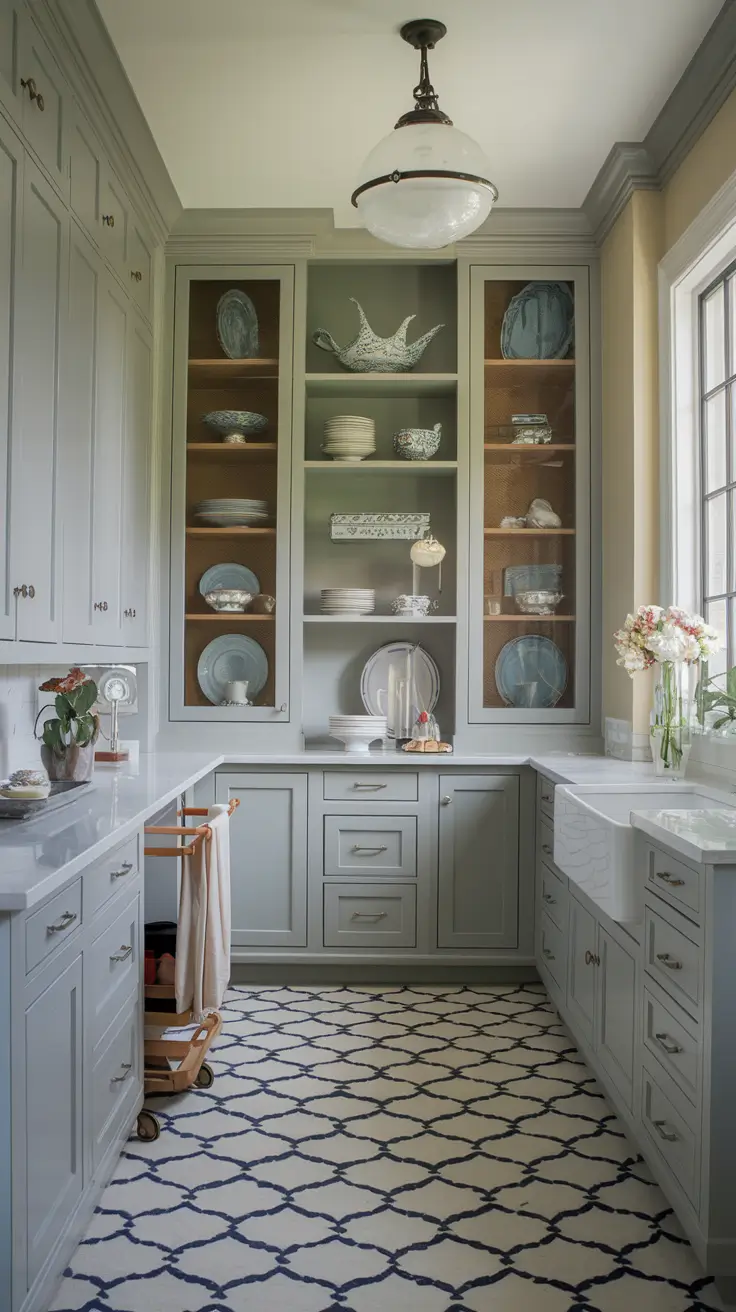
Combining open and closed cabinetry balances display needs against dust reduction. Tall cabinets conceal brooms and vacuums, drawers hold small tools, and upper open cubbies house daily pantry goods. Glass-front doors above eye level lighten the design.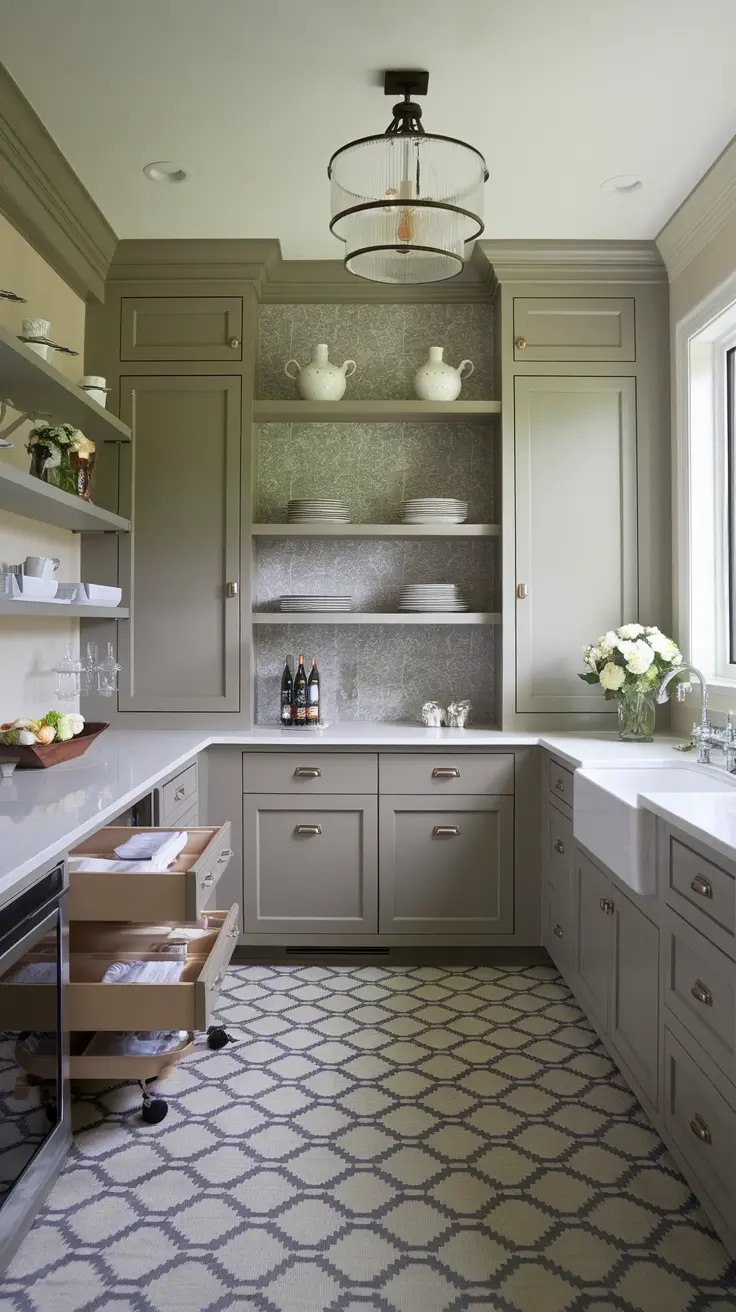
Humidity control near appliances is addressed with soft rubber door gaskets and enclosed cabinet interiors. Modular systems that allow addition of corner pull-outs, tray dividers, or spice racks deliver adaptability over time. Matte lacquers and thermofoil finishes make cleaning effortless.
Adding toe-kick drawers for step stools or slim roll-outs for wrapping paper provides smart storage for often overlooked items.
12. Transformative DIY Pantry & Laundry Upgrades
DIY interventions empower homeowners to customize dual-purpose spaces without a full remodel. Starting with small wins like repainting walls, updating hardware, or adding floating shelves above units, progress can evolve to wall-mounted drying racks or bespoke coffee niches.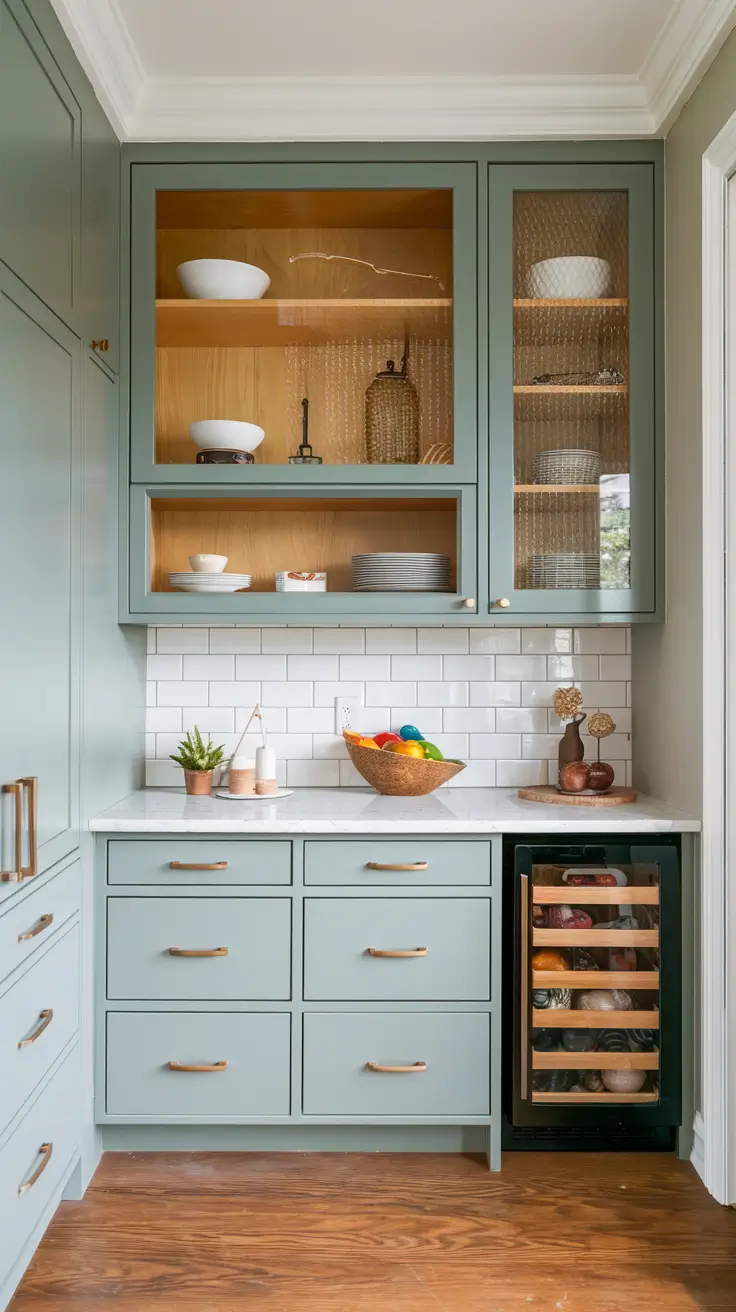
Prefabricated adjustable uprights, pre-assembled shelving, and butcher-block counters facilitate straightforward assembly. Corner ladder shelves are excellent for transforming underutilized corners. Peel-and-stick tile backsplashes protect high-impact areas, and track lighting brightens the workspace.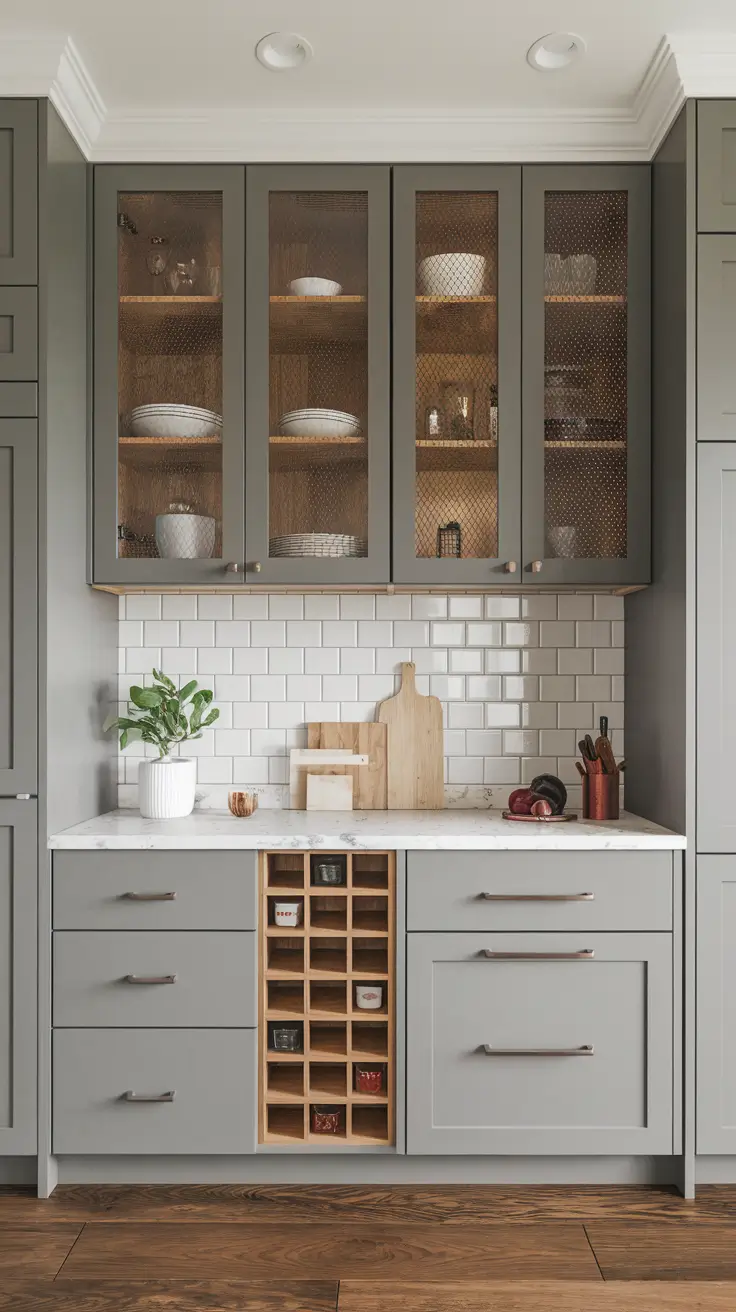
Successful DIY results hinge on precise measurements and selecting moisture-resistant materials. Detailed planning with sketches, material lists, and safety features like anti-tip straps ensures durability and function. Using transparent bins with snap-on labels keeps supplies orderly, even weeks after completion.
13. Seamless Built-In Pantry Solutions
Designing integrated pantry-laundry spaces starts by mapping natural traffic flows between garages or kitchens to streamline unloading processes. Positioning tall pantry shelves opposite washers and dryers beneath a continuous folding counter harmonizes the two zones without conflict.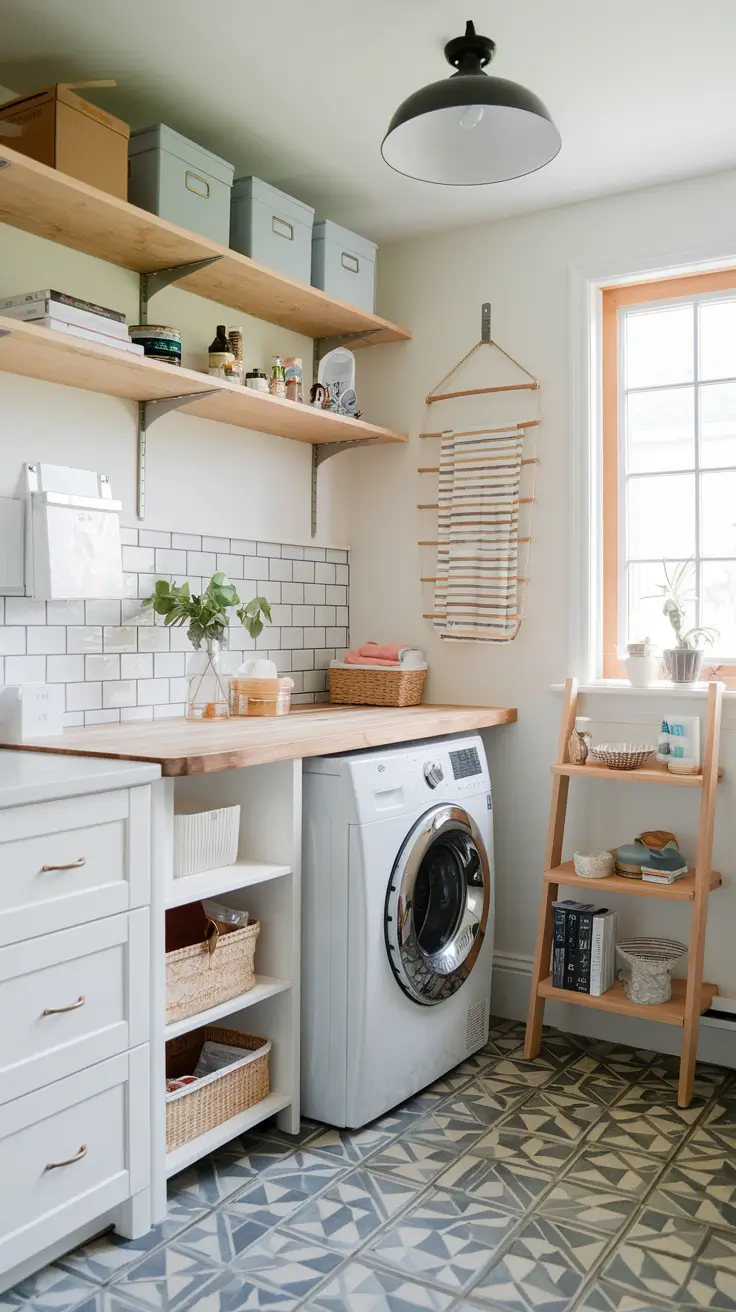
Tall pull-out cabinets, broom cubbies, and adjustable shelving tackle bulk storage. Above the machines, closed cabinets conceal detergents and stain treatments, while a quartz countertop atop front-load units offers a stable work surface. Deep pantry towers of 24 to 27 inches combined with shallower upper shelves maintain line of sight. Soft-close slides, toe-kick drawers, and wide-opening hinges maximize capacity and accessibility.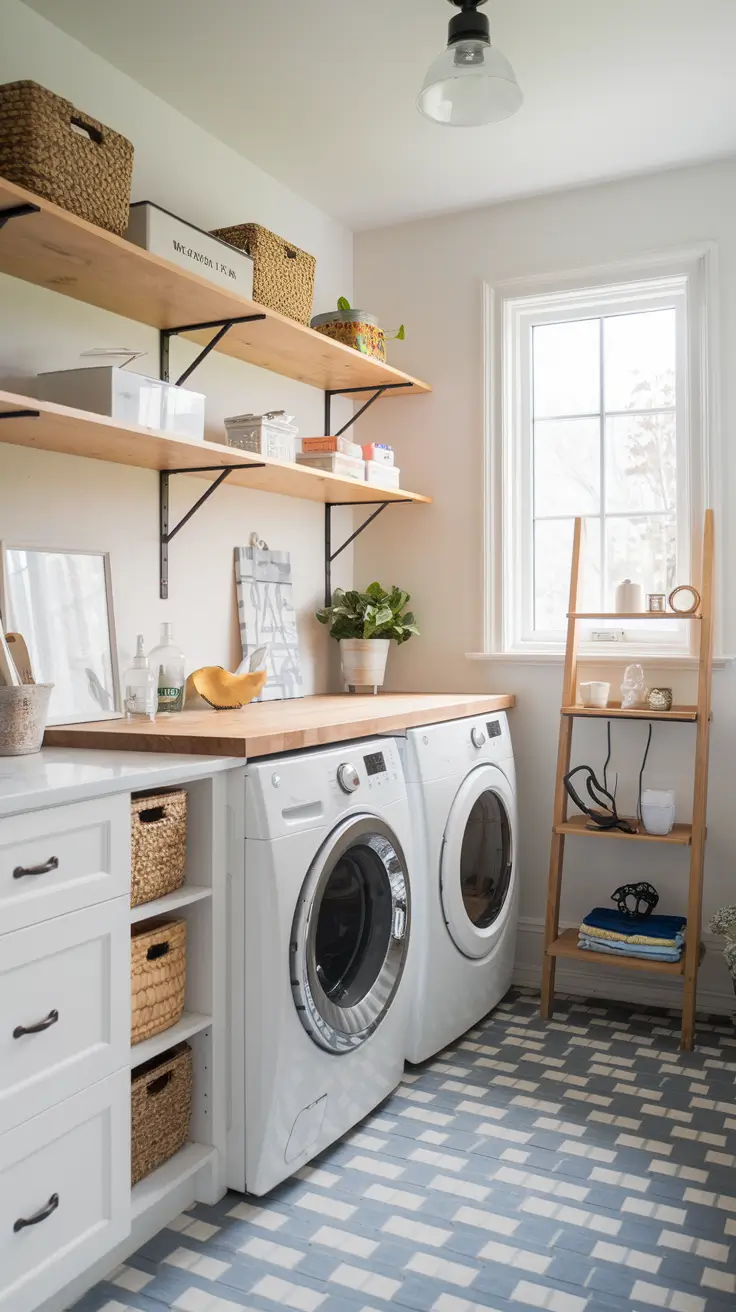
Embedded designs reduce visual clutter and prevent accumulation of loose baskets. Adding shallow butler-style hutches with glass display uppers for pretty jars complements closed lowers for utility items. Standardizing containers with clear labeling simplifies upkeep and speeds restocking.
To elevate usability, install motion-sensor toe-kick lighting and slide-out racks for sheet pans. Integrating a hidden pull-out hamper preserves clean lines while aiding workflow.
14. Transforming Dead Corners into Efficient Pantry Nooks
A corner pantry is an excellent solution for odd or unused corners, converting them into functional food storage walk-ins. Utilizing diagonal or L-shaped shelving maximizes space and localizes pantry items, keeping the laundry area orderly.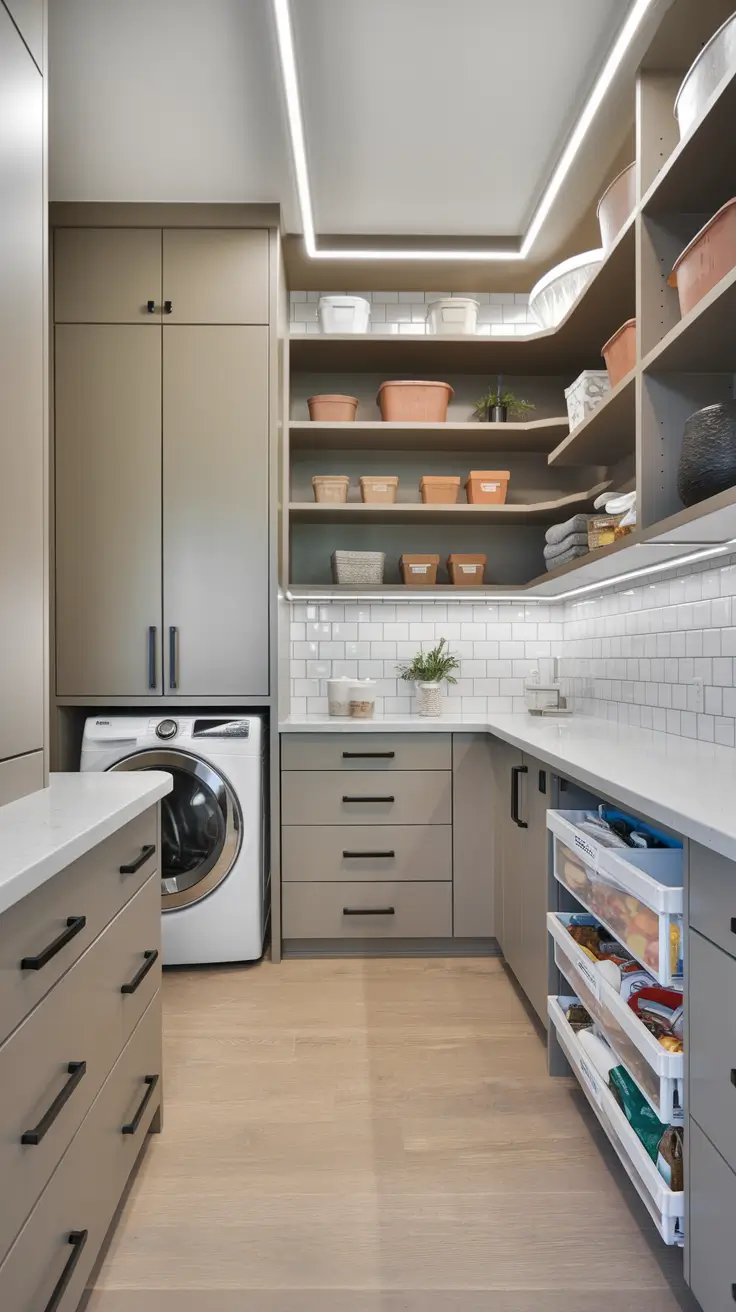
I integrate 12-16 inch deep triangular shelves and tall vertical storage for cleaning tools. Where feasible, install floor-to-ceiling lazy Susans for effortless access. Space-saving door types include bifold or narrow swing doors. Shelves at counter height hold heavy items; upper shelves store lighter goods. A rolling cart on the return wall stores paper products.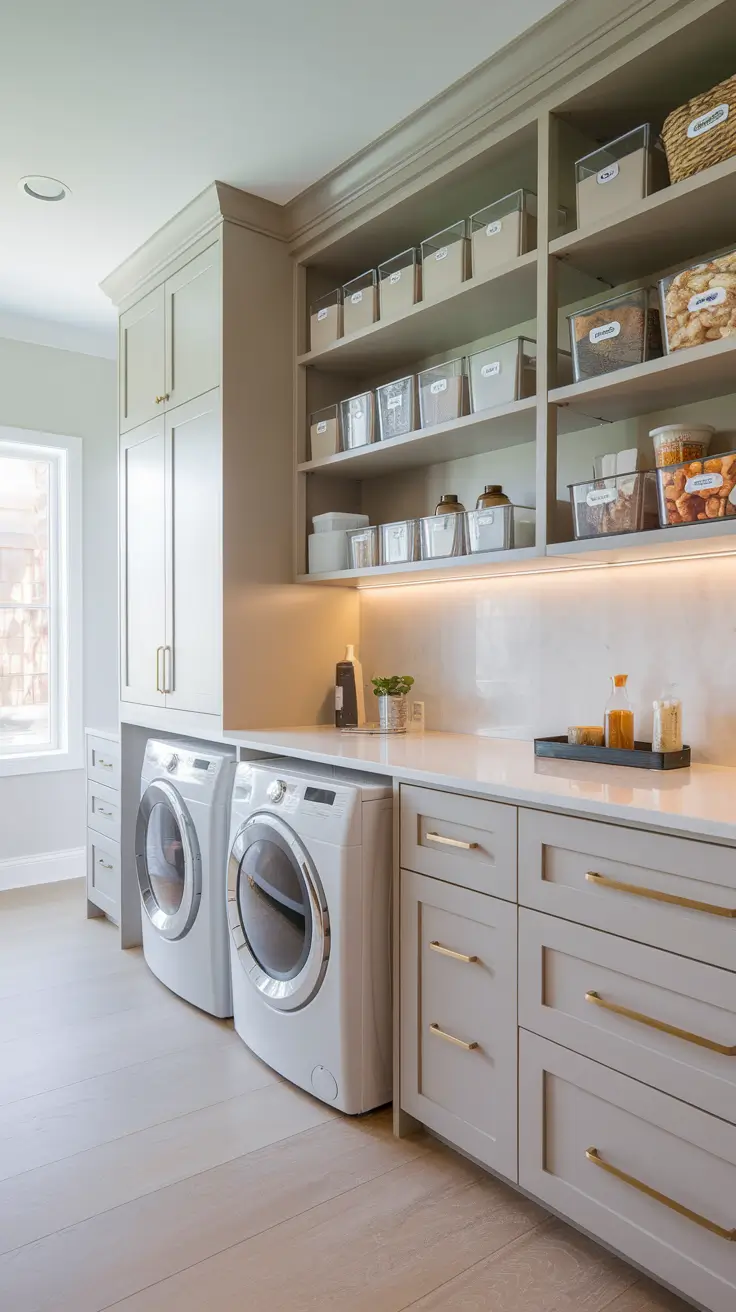
Corner pantries allow rapid inventory review and reduce hidden backstock. For visually crowded rooms, painting the interior a shade darker than adjacent walls generates depth and offers a subtle recession effect.
Accessories like door-mounted step stool hooks and battery-powered puck lights enhance convenience. A wipe-clean inventory chart inside the door ensures smart restocking and prevents overbuying.
15. Airy Open Plan Pantry and Laundry Designs
Open shelving along one wall creates a bright, modern storage concept that doubles as decorative display. Pantries feature jars, baskets, and bins arranged by color or function, while laundry tasks unfold nearby with counters and hanging solutions.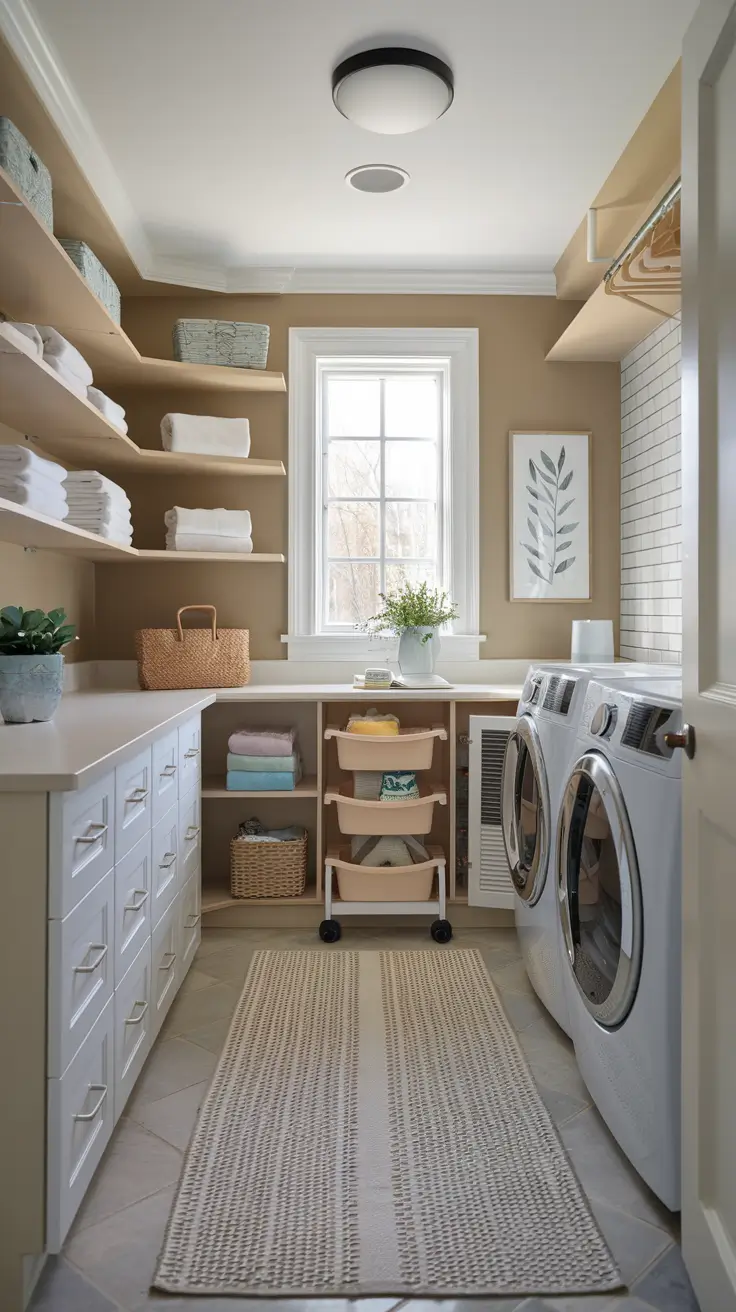
Shelves typically measure 10-12 inches deep with 2-inch lips to prevent falls. Heavy-duty brackets secure shelving to studs every 16 inches. Base cabinets with large drawers accommodate heavy items, and tilt-out bins handle recycling. A ceiling-mounted drying rack complements thin pull-outs for iron boards and accessories.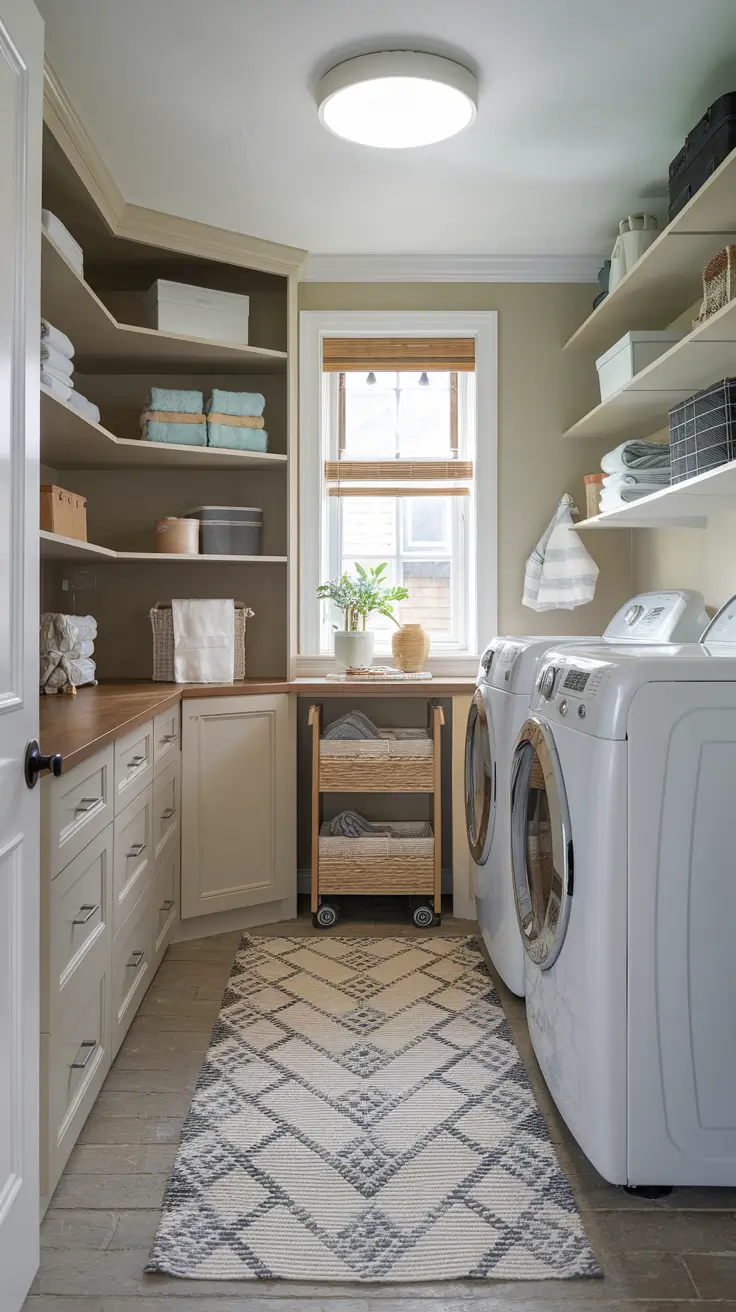
Open shelving fosters positive habits by making everything visible. Maintaining a cohesive look through color-coded containers—such as glass jars for baking goods and woven baskets for snacks—prevents clutter. Cleaning products remain securely tucked away in child-safe cabinets. This cost-effective design amplifies perceived space without extensive cabinetry.
Adding a narrow ledge for small appliances or condiments adjacent to morning routines and under-shelf LED lighting brings functional upgrades without overspending.
16. Harmonizing Laundry and Pantry – Unifying Aesthetic Themes
Creating a unified look across pantry and laundry zones prevents visual fragmentation. Repeating two or three core materials across the spaces—matching door styles, counters, and hardware—ensures a serene, continuous narrative. Soft warm whites, natural oak tones, and gentle gray stones build a versatile foundation amenable to farmhouse or transitional designs.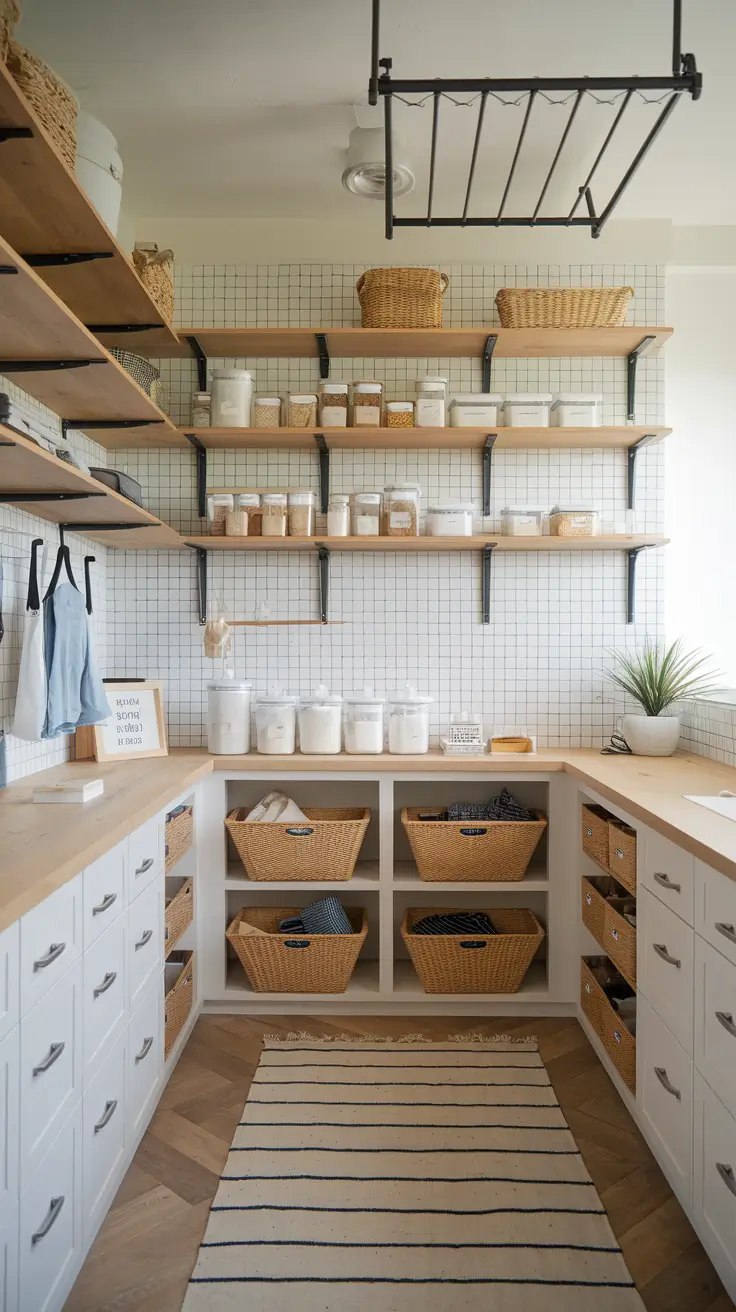
Cabinet boxes feature built-in handles and slab drawer fronts with durable matte finishes. Appliance hardware coordinates through brushed nickel or muted brass accents. Shelving combines sealed wood surfaces with solid counters balancing warmth and easy cleaning. Flooring delineates the laundry zone and controls dirt intrusion.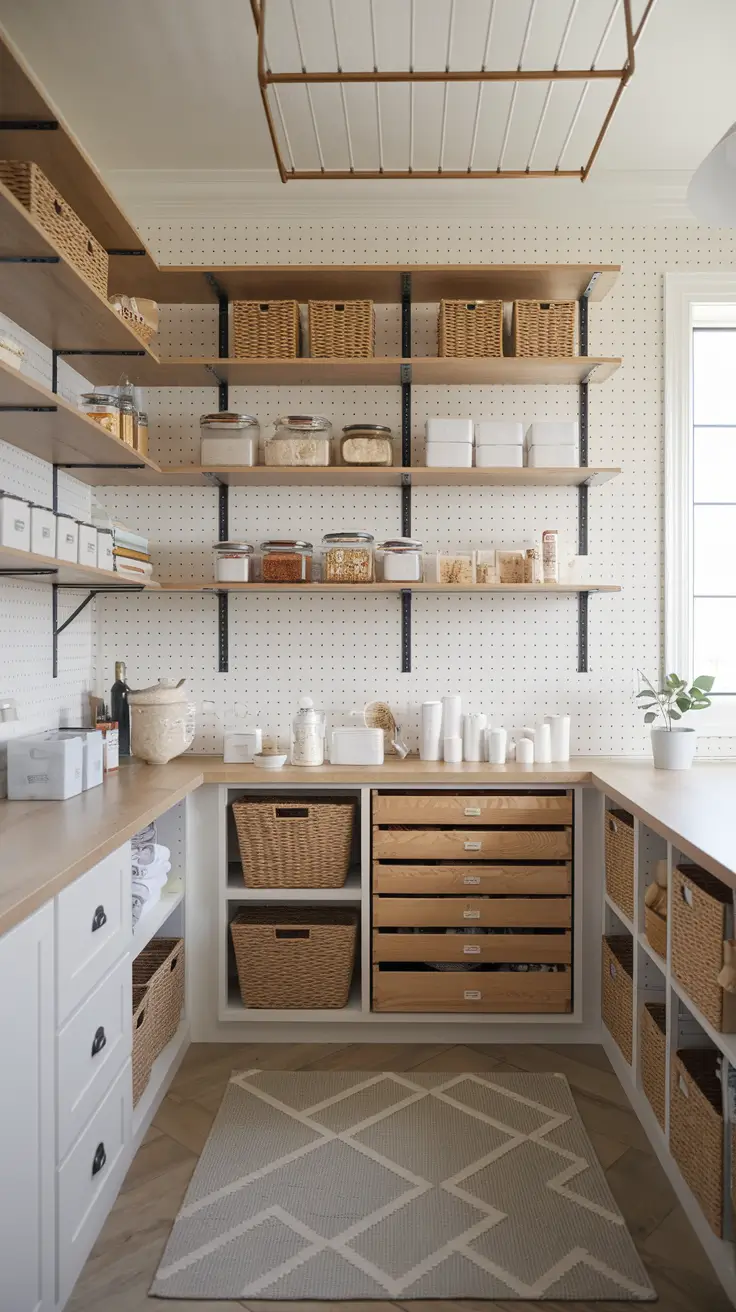
Task lighting—such as linear LEDs under upper cabinets, centralized flush mounts, and sconces near sinks—makes household chores more pleasant and spaces more photogenic. Consistent labeling using a single font keeps bins tidy and visually coherent.
Introducing a single accent color within art, containers, or textiles adds personality. For persistent visual breaks, panel-ready appliances can seamlessly integrate to blur dividing lines.
17. Farmhouse Revival in Pantry and Laundry Design
Reinterpreting farmhouse style for dual-function spaces blends clean, simple lines with rustic character. Painted shaker cabinets, reclaimed wood open shelves, and beadboard or V-groove backsplash panels evoke classic charm without feeling dated or heavy-handed.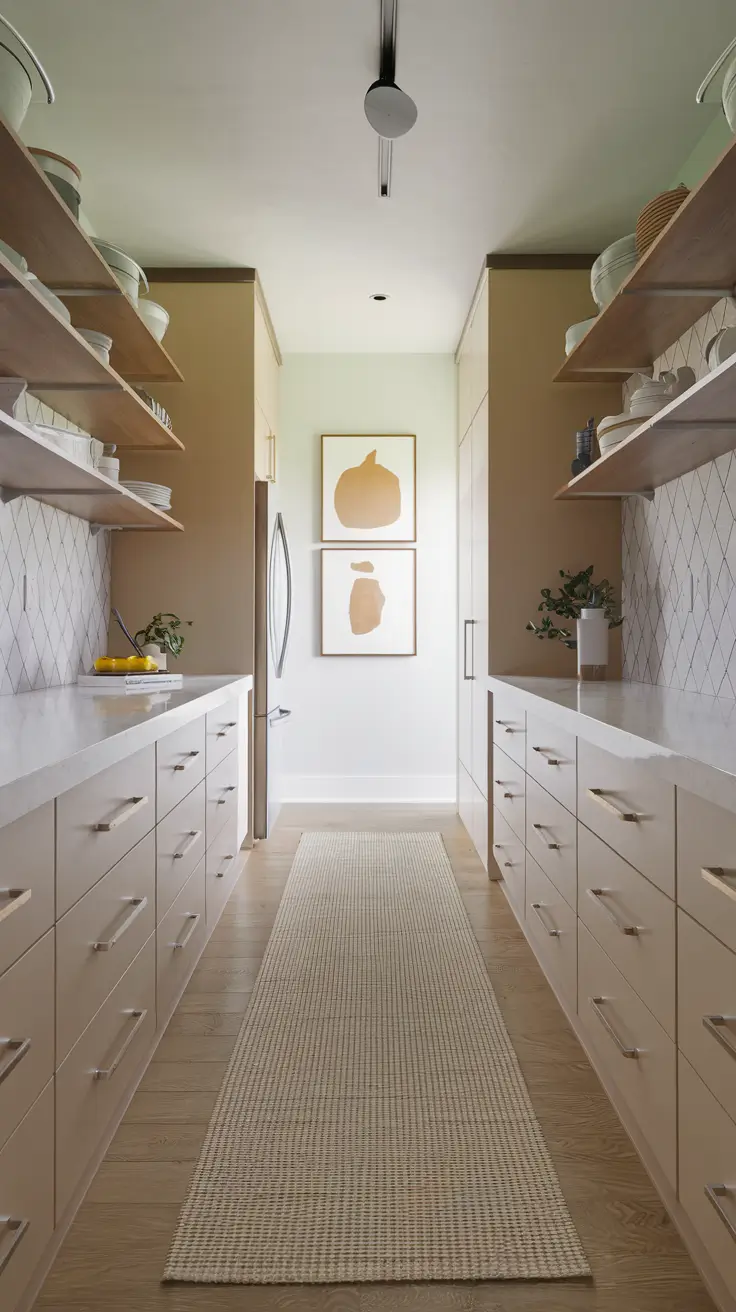
A deep farmhouse utility sink paired with a bridge faucet and butcher block folding counter finished with food-safe coatings completes the functional aesthetic. A freestanding hutch blends storage for jars and baskets with concealed bulk item spaces. Black or wrought iron hardware, woven baskets, and vintage-inspired wall hooks reinforce the authentic vibe. Appliances are kept modern to balance tradition with practicality.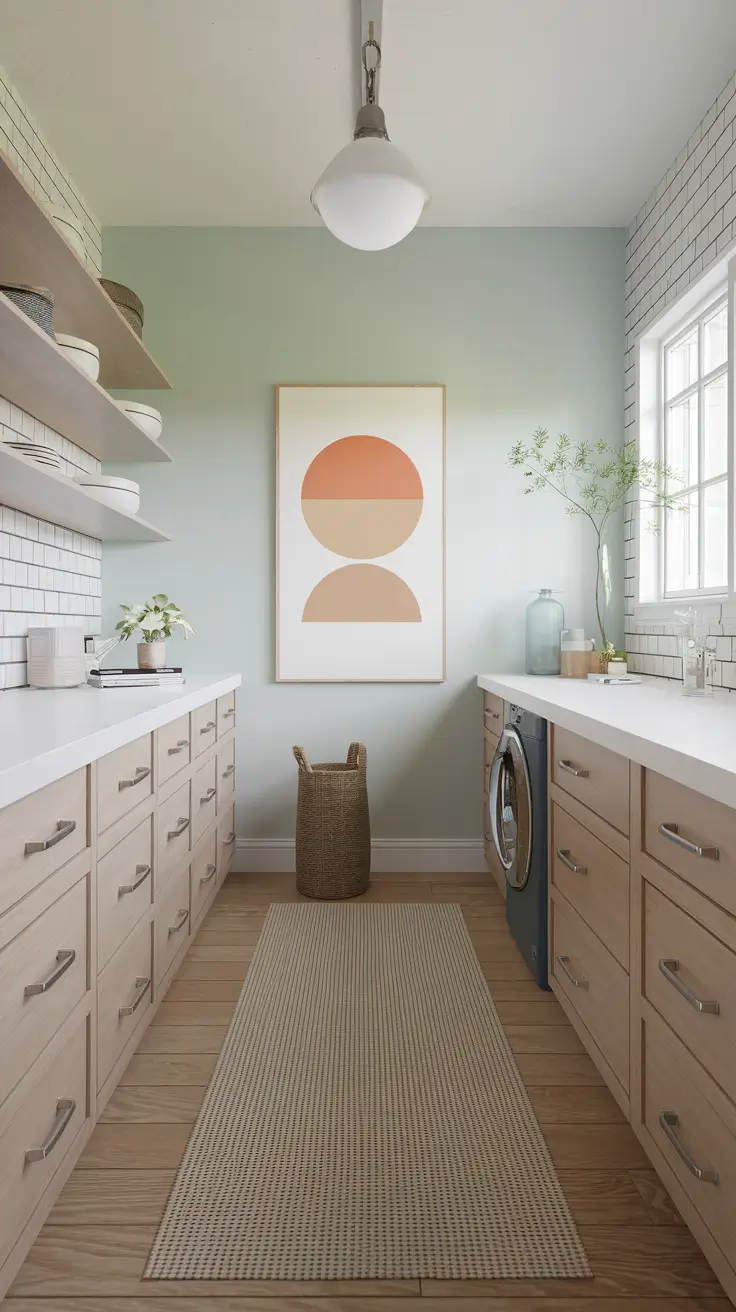
This style embraces openness by prioritizing open shelves for day-to-day essentials, while stashing detergents in cabinets. Functional rails with S-hooks for cleaning tools add to organization. Balancing antiques with new materials ensures maintenance remains manageable.
Adding a compact plate rack or peg rail invites a casual coffee moment without requiring a full station. Washable gingham or striped runners grounded in Farmhouse tones enrich the look.
18. Expanded Storage in Walk-In Pantry-Laundry Combos
When space allows, walk-in configurations greatly enhance usability. A U-shaped or galley layout situates laundry appliances on one side, pantry storage on the other, with a 42-inch aisle supporting two-way traffic. This design accommodates bulk buys, seasonal stock, and meal preps within reach of laundry machines.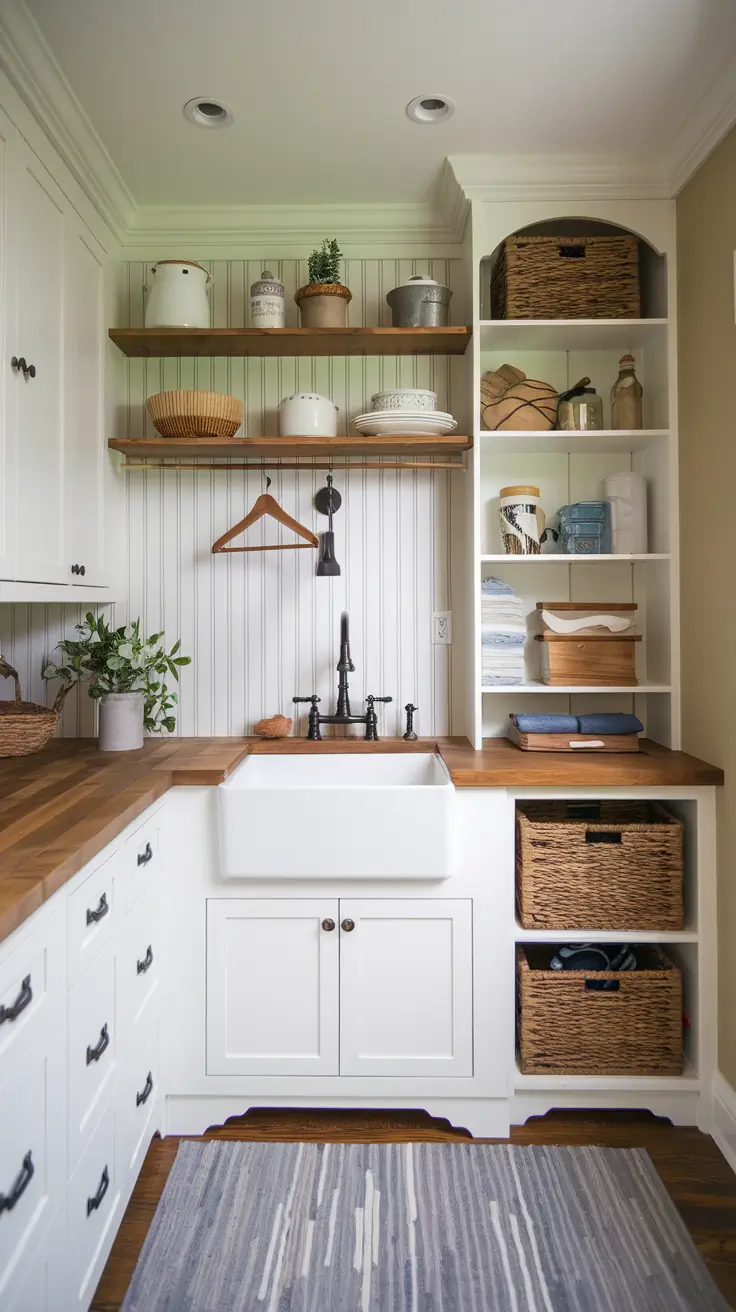
Walls incorporate tall pantry cupboards with pull-out wire baskets for produce, canisters, and a deep pet food drawer. Across, washer and dryer units sit beneath counters including a triple hamper sorting system. Overhead cabinets focus on cleaning supplies, with hanging rods for drying clothes. A side Butler-style shelf serves as a staging or charging area.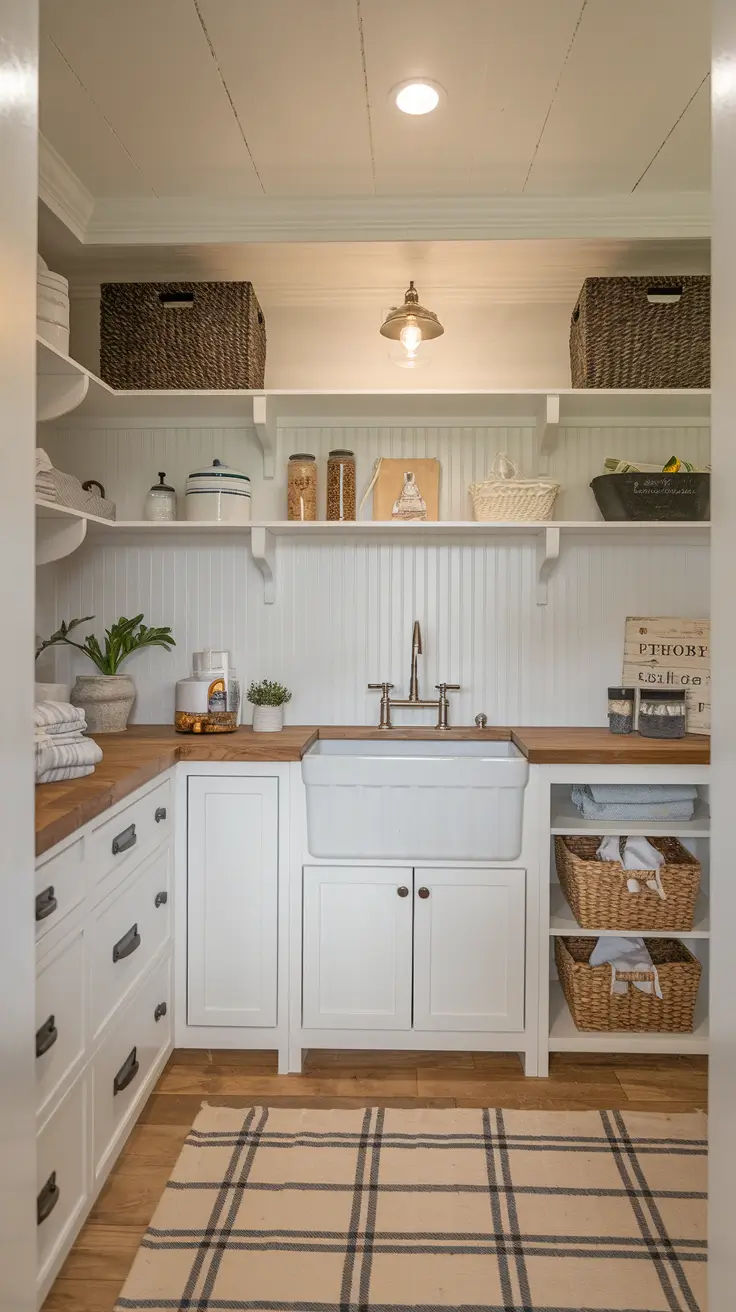
Installing doors with windows harnesses natural light, expanding spatial perception. Walk-ins benefit from separate exhausts or silent inline fans to regulate humidity. Slip-resistant tile or textured luxury vinyl flooring ensures safety and easy maintenance.
Adding a slim vertical freezer supports families requiring extra chilled storage. A chalkboard or dry-erase panel at the entrance aids in tracking inventory and laundry cycles.
19. Compact Combo with Coffee Station for Tight Quarters
Maximizing limited space with multi-functionality, I design compact pantry-laundry combos featuring integrated coffee stations. Machines line one wall beside a slender pantry cabinet fitted into a 24-inch recessed niche with outlets, shelving, and a pull-out trash bin. This configuration supports multitasking, streamlining morning flows without the need to traverse other rooms.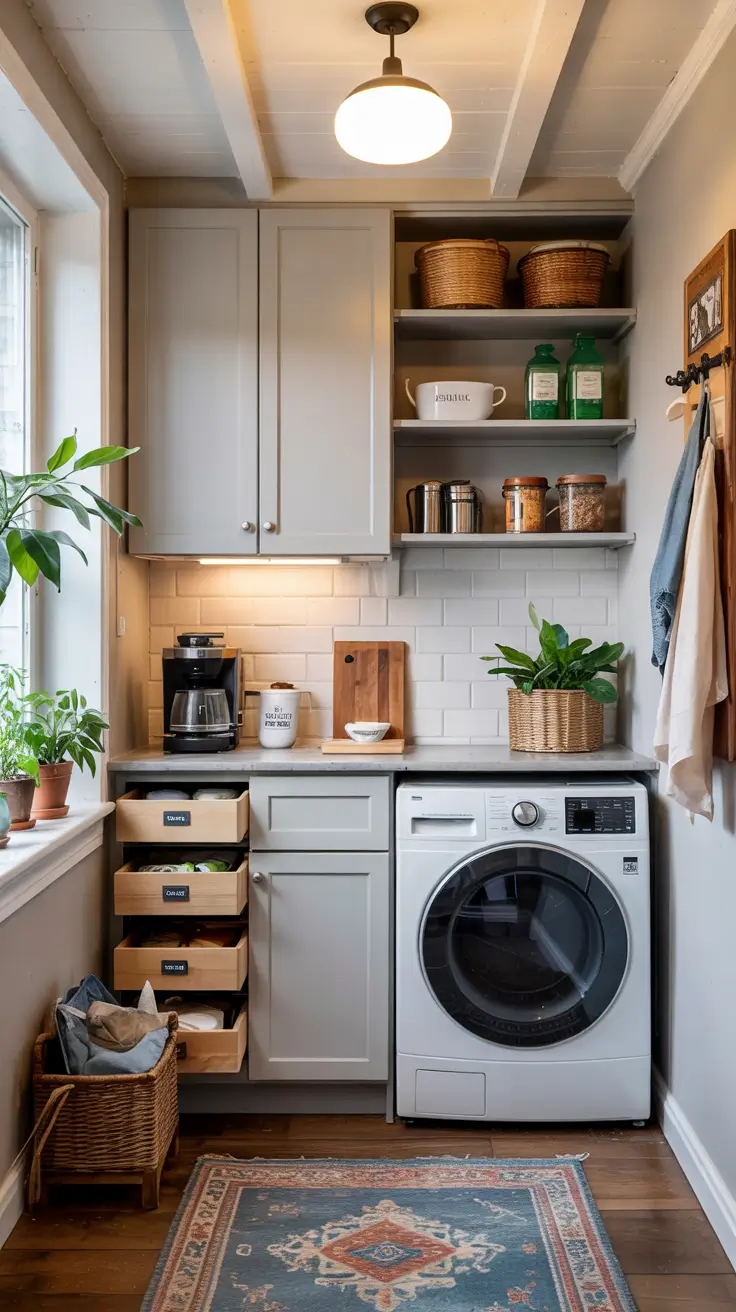
Pantry shelves are 10 to 12 inches deep featuring risers for stacking. The coffee niche includes an open shelf for mugs, a drawer for pods and filters, and an easy-to-clean backsplash. Food storage drawers are clearly segregated from detergents. Under-cabinet lighting brightens early morning use.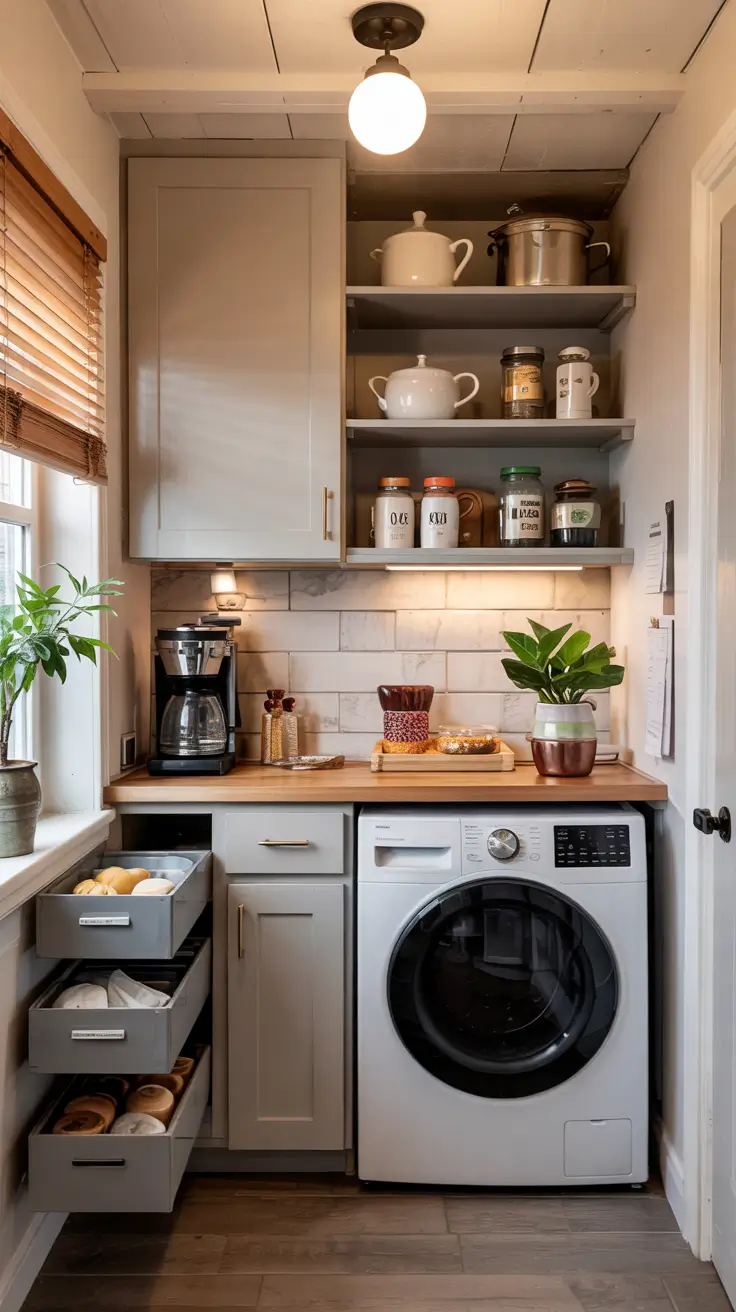
Clients favor this arrangement for its efficient luxury that doesn’t demand extra room. Adding a sound-dampening mat beneath espresso machines and a dedicated tray for coffee grounds elevates comfort. Consistent material finishes unify the overall decor.
Complement the station with a mini under-counter fridge for milk alternatives. Adding a flip-up counter extension offers an immediate prep surface on busy mornings.